The Great White Place (of lions)

The Great White Place (of lions)

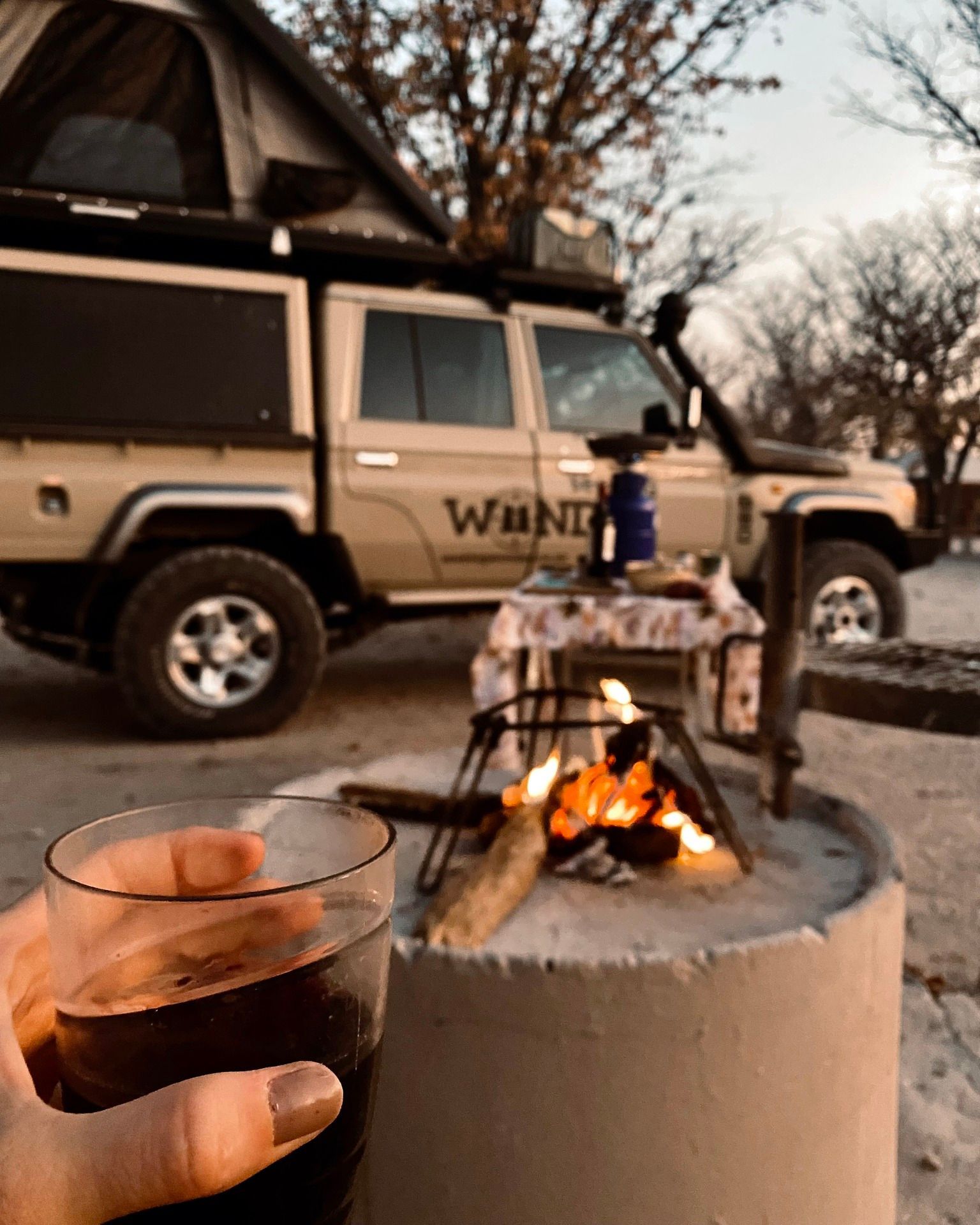
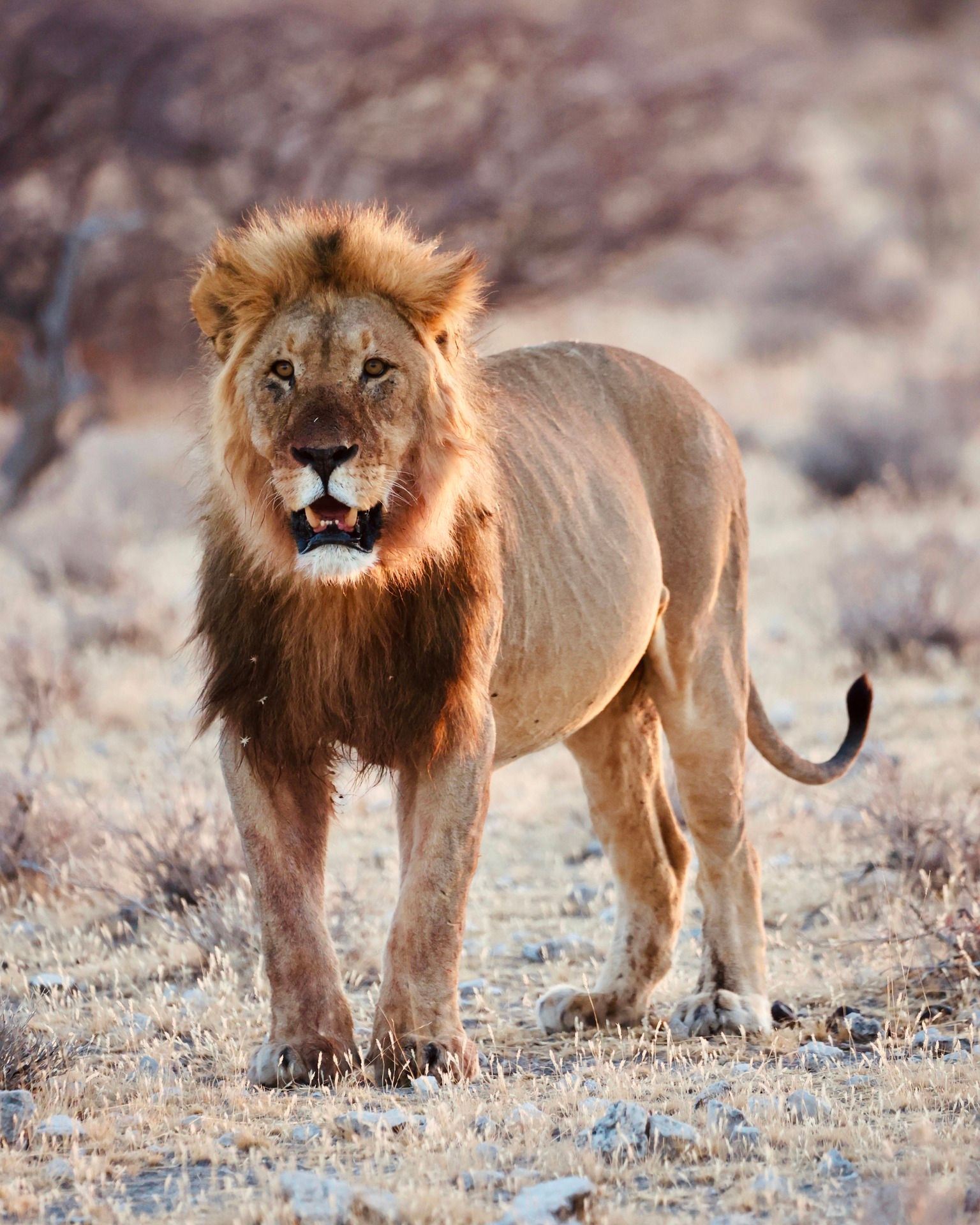
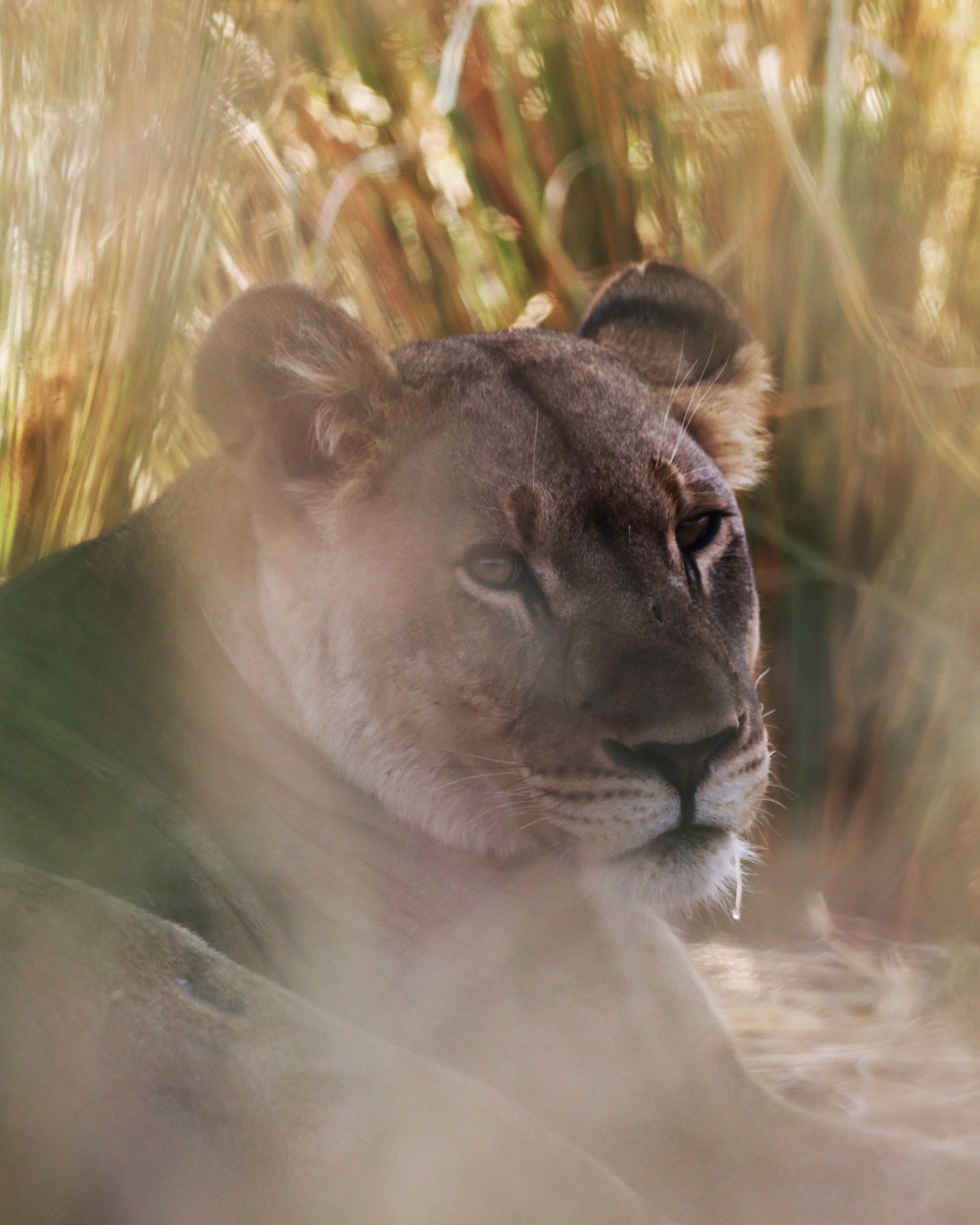
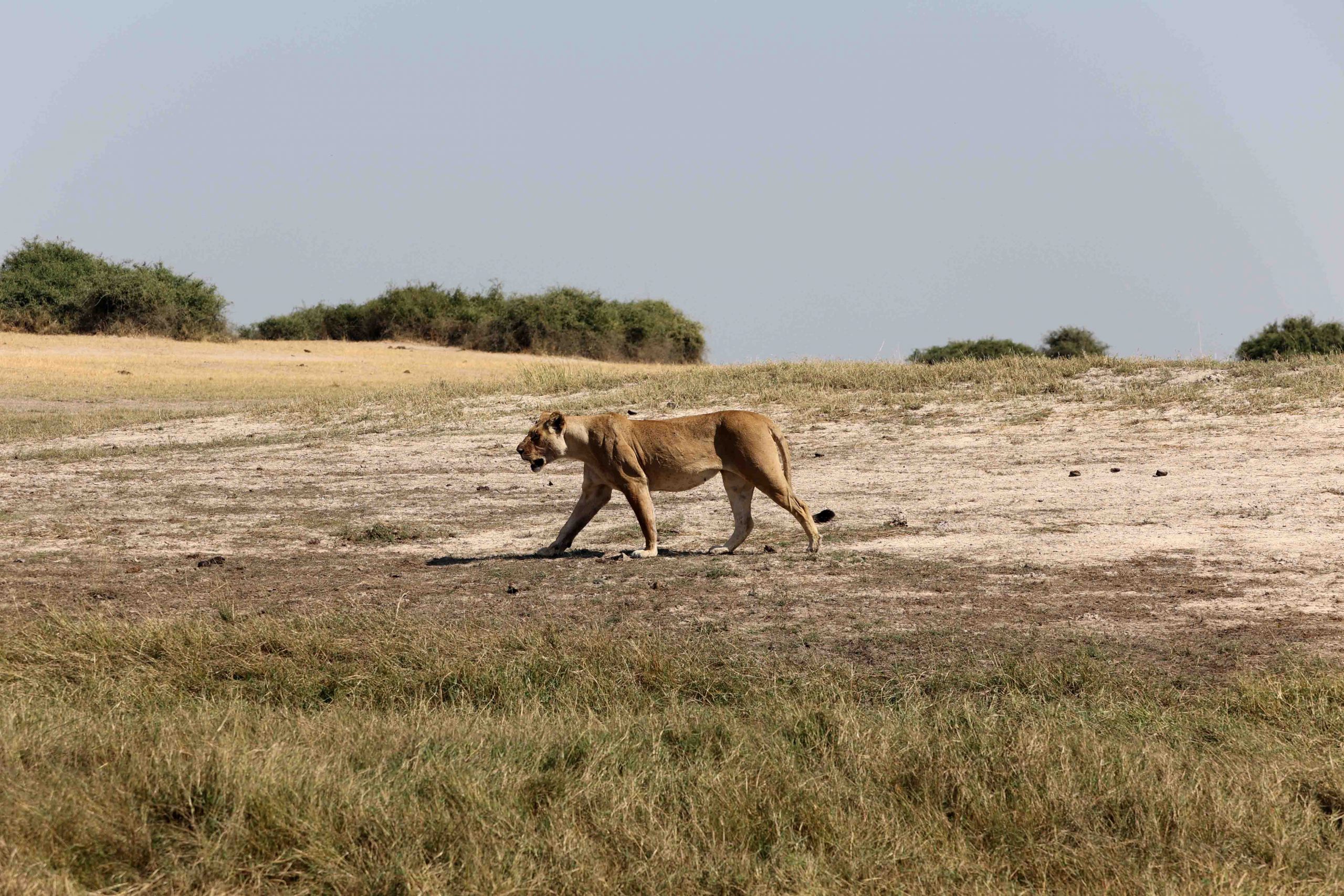
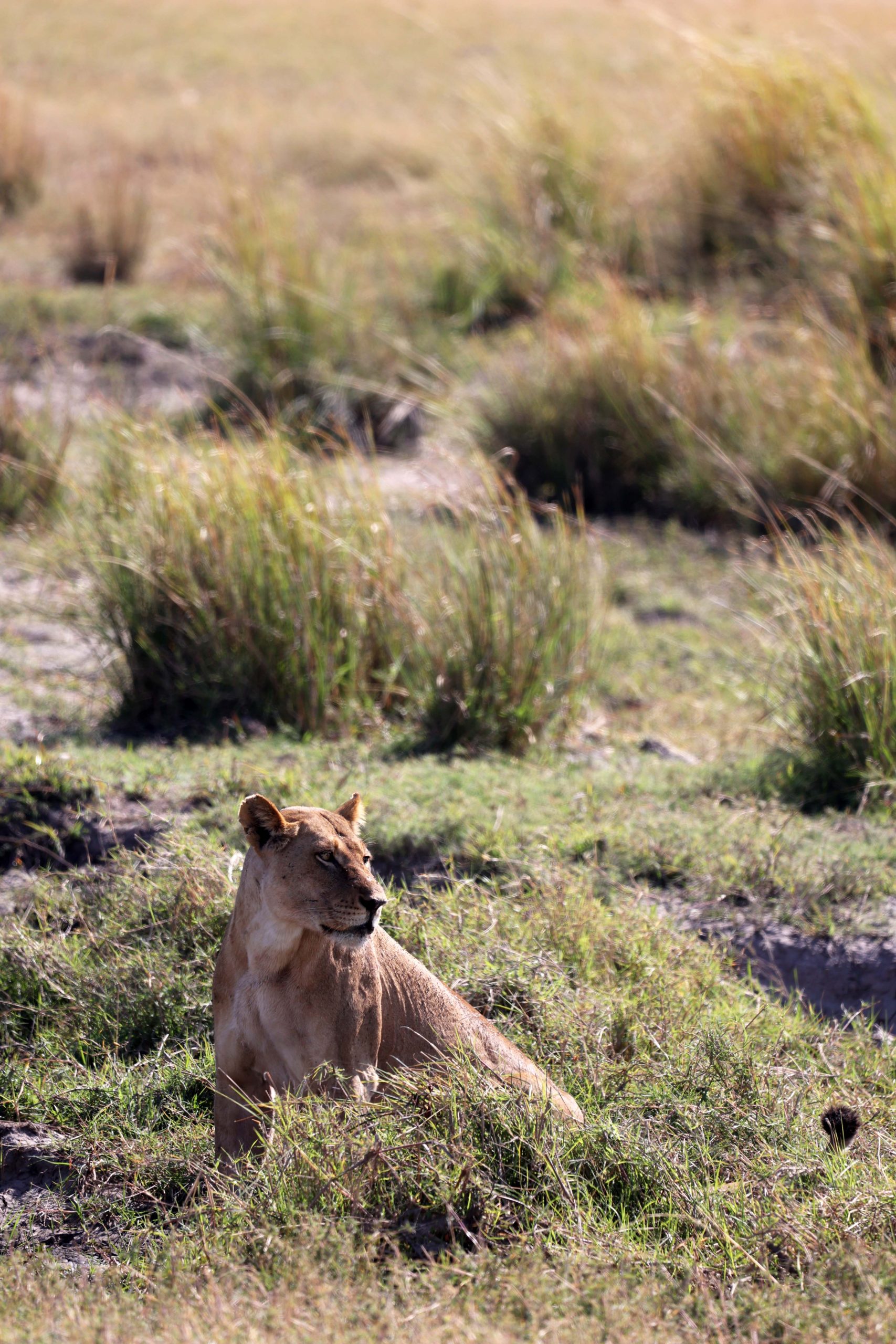
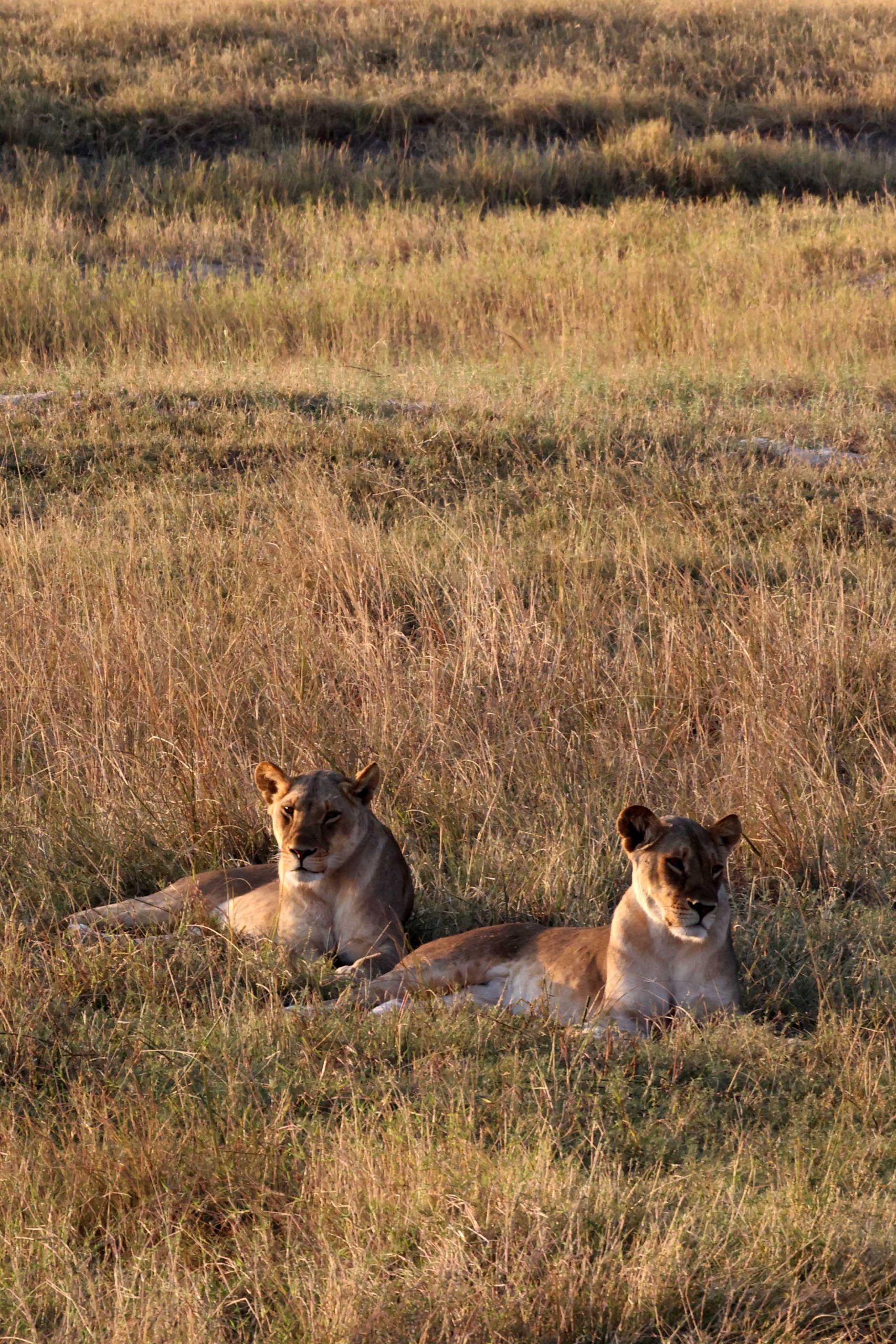
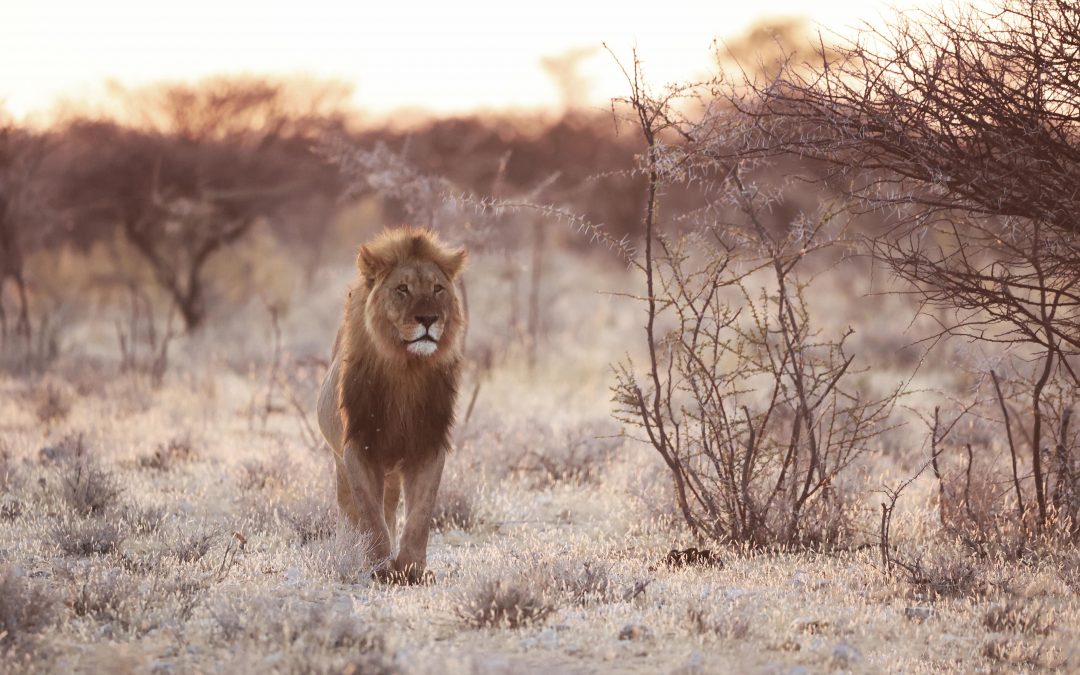
It is 2:30 AM and we are wide awake. Sitting alone next to Okaukeujo camp’s floodlit waterhole, we cradle mugs of scalding hot tea while trying to stay warm on the cold bench at this bewitching hour. We were awaken by the night-splitting roars of a pride of lions calling to each other from very close by. While the rest of the campsite snores happily, we have been shivering out here for the past hour, scanning the rock-strewn landscape around the waterhole for any sign of the cats. Just as we decide to call it quits, a tell-tale flicking of black ears catches our eyes. Two lionesses have been lying not 30 metres from us all this time in perfect camouflage! Then four more, including two beautiful males, soundlessly step into the light and join them. We watch them in quiet excitement until one of the lionesses suddenly trots away with the rest following in tow. As we reflect on this amazing encounter, we realise this pride takes our lion tally to 38 over the past week alone. Not that anyone is counting of course. 
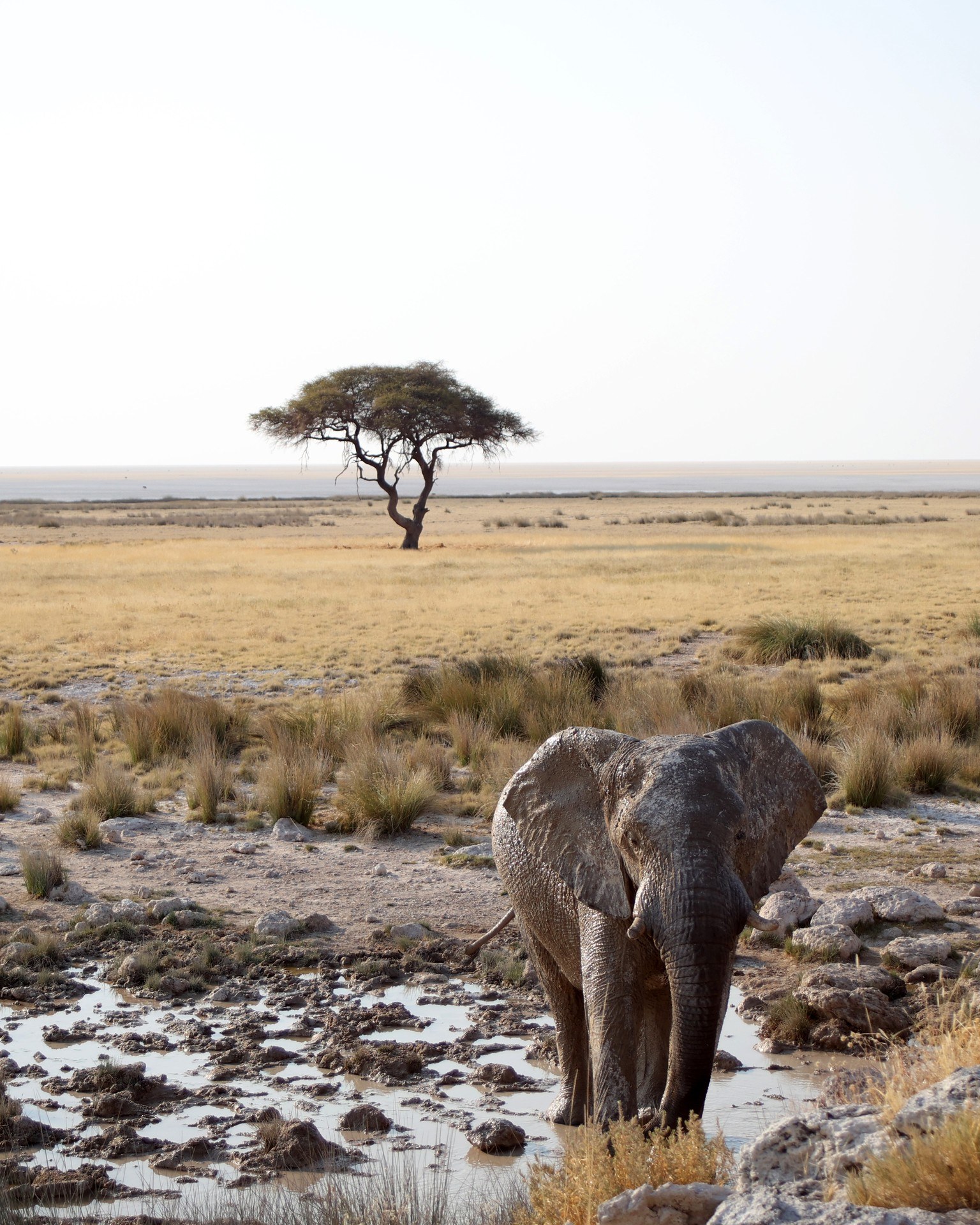
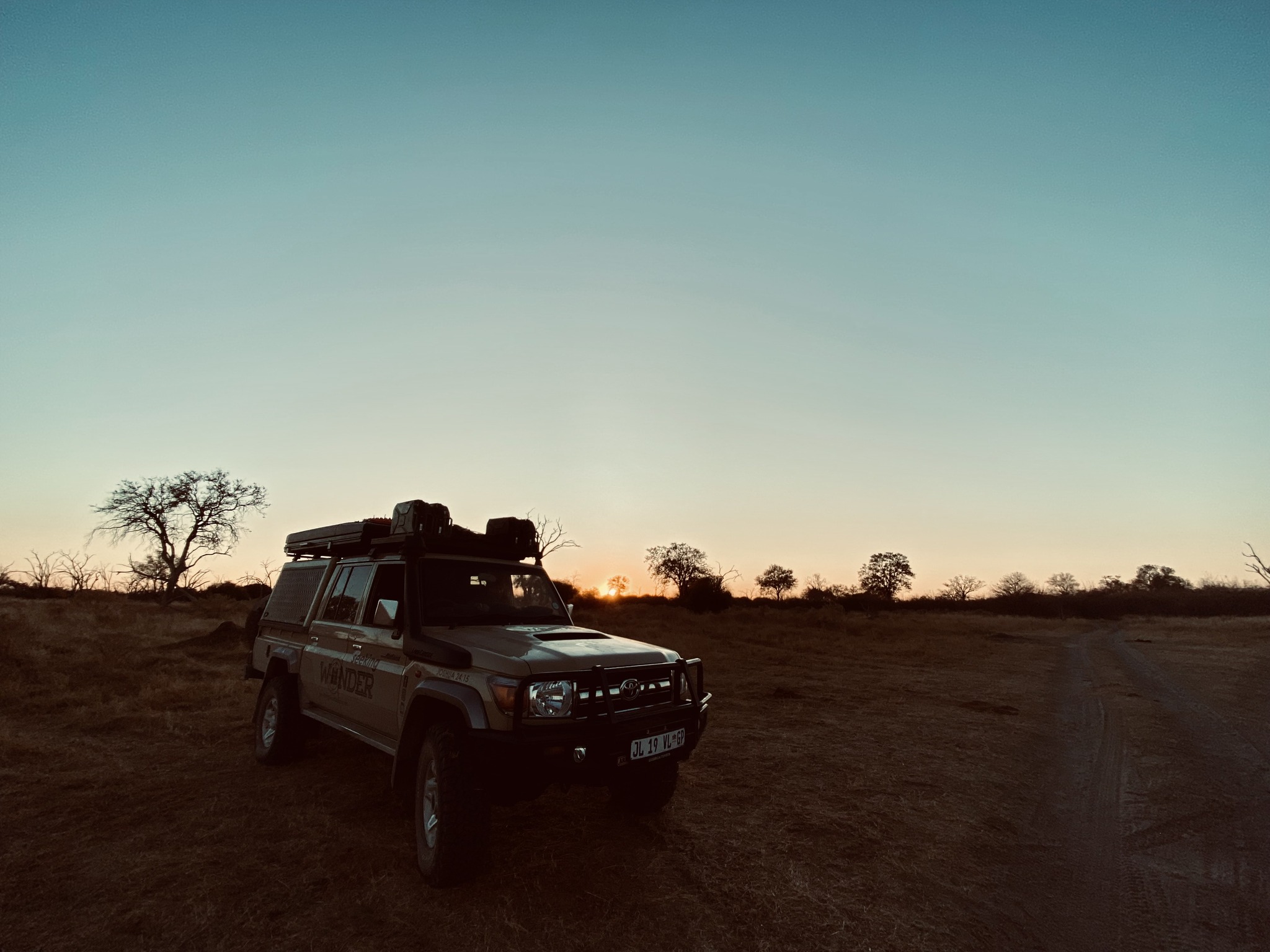
Etosha National Park is one of the original reasons we decided to get into Baloo and start this amazing road trip lifestyle. Located in the Northern reaches of Namibia, it is a very far drive for most South Africans. After taking Baloo for a spa day (aka a general service) in Tsumeb, we headed to Etosha for an exciting eight days, spending some time in most of the camps. One of the oldest game reserves in Africa, it thankfully had a name change from imaginatively being called Game Reserve 2 in the early 1900s to Etosha, meaning the great white place. Fitting also, because it sure is great and, well, very chalky white. 
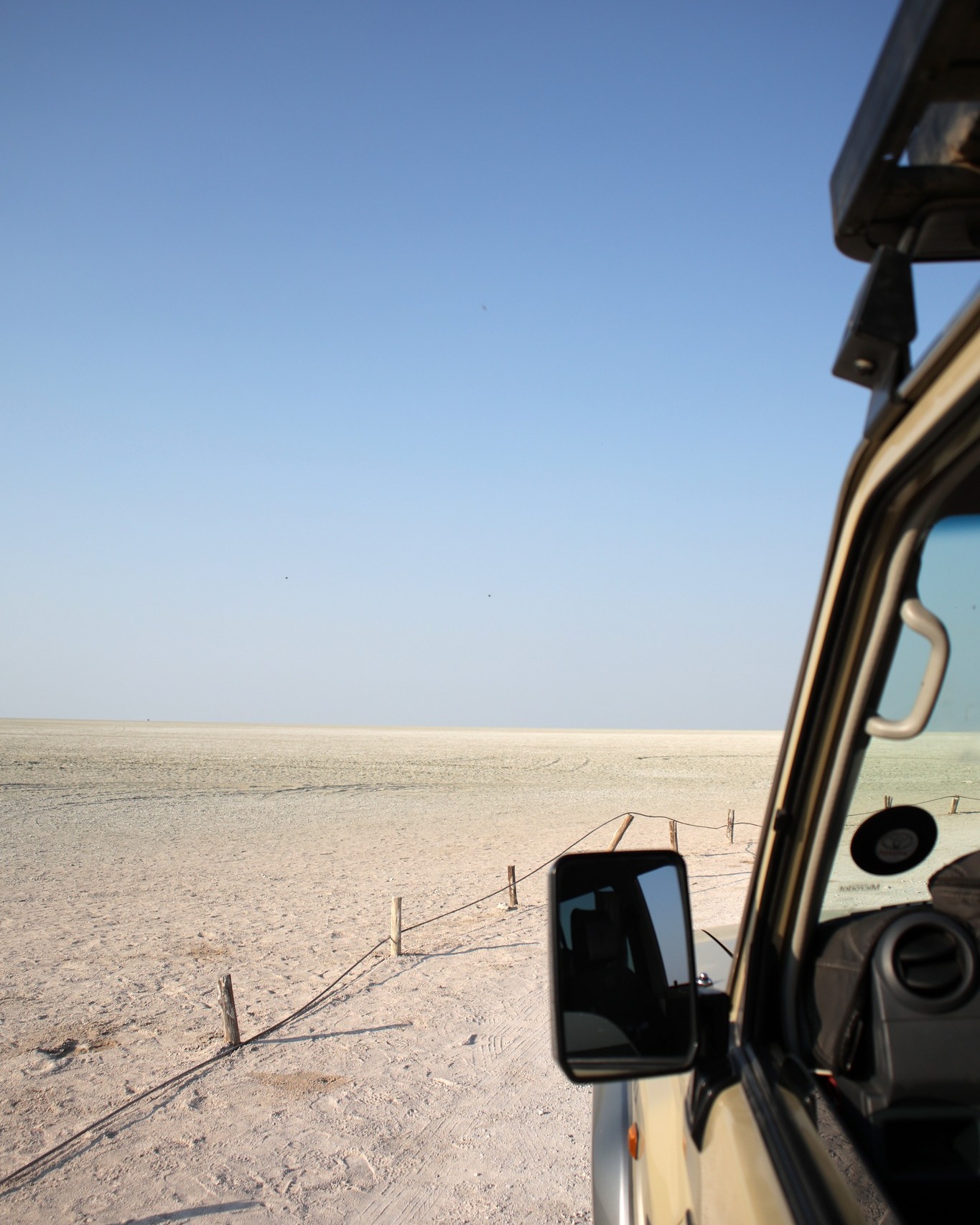
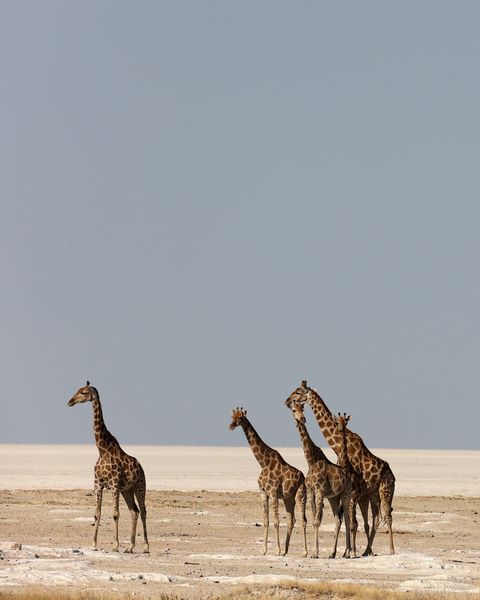
The main road follows the Southern edge of the Etosha pan, a massive expanse stretching hundreds of continuous kilometres. The landscapes of the park vary more than you would expect. Starting in the East around Namutoni camp and its historic fort, grassy plains and pans edged by camelthorns dominate the area. Denser acacia bushveld also occurs here, providing a home for species such as the near-endemic black-faced impala. Halali is situated next to rocky koppies, explaining why this is also the best place where you might encounter a leopard in the park. Okaukeujo is probably the most popular as a results of its beautiful waterhole. Its surroundings are the most sparsely vegetated in the park, reminding one of the expanses of the Karoo. The far Western area of the park is studded with beautiful granite outcrops and hills, providing a different ecosystem and in turn attracting different species of animals and birds.

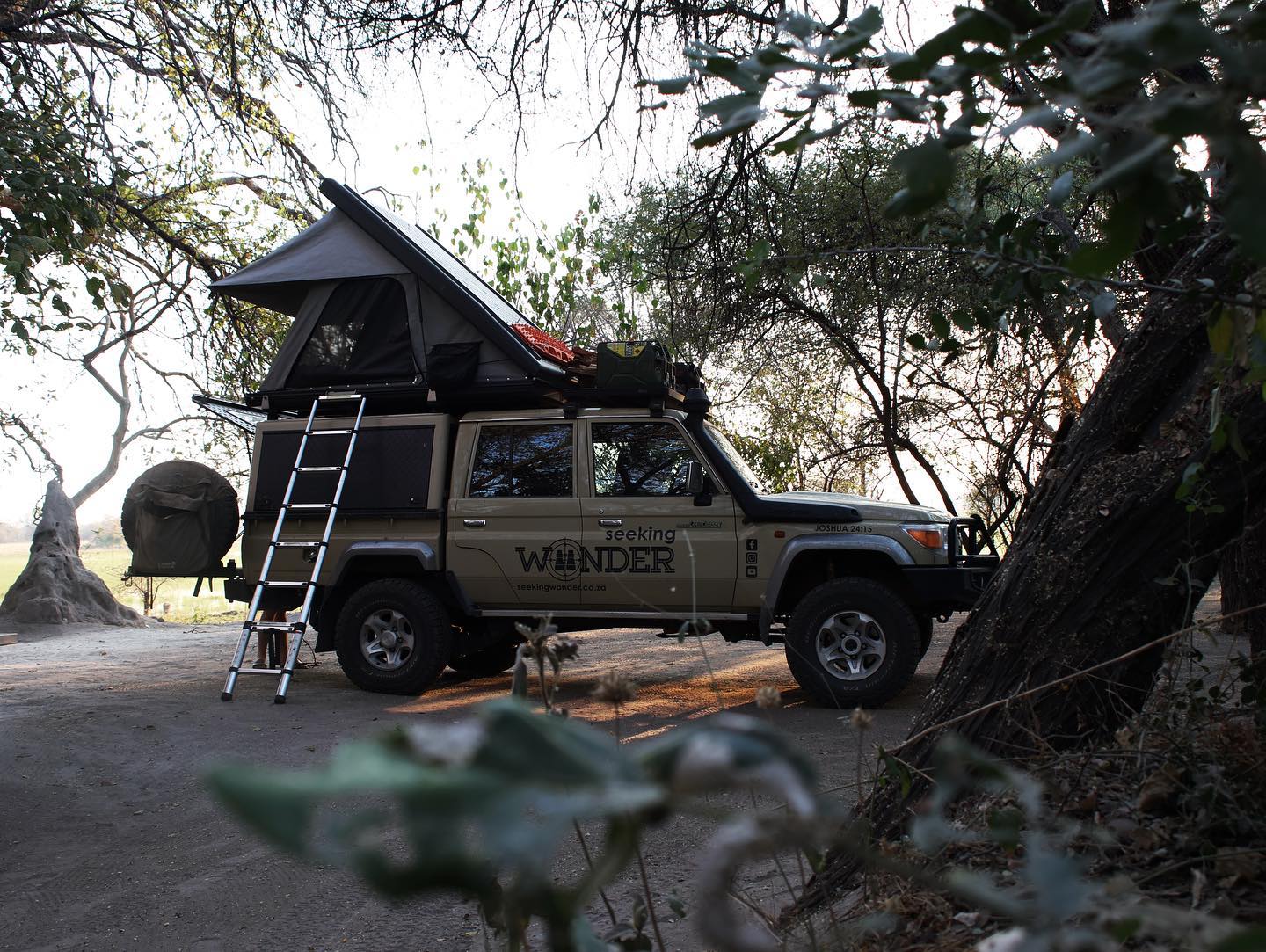
Etosha is not for the faint-hearted. Like most arid parks, you have to put in the effort and cover vast distances between sightings. We averaged about 100 km per day, and most of the roads are pretty rough to downright horribly corrugated (our four broken roof rack support feet would tend to agree). A 4×4 isn’t strictly needed as in most other parks we have been in, and we even saw some VW Polos around, although I would hate to be the suspension on one of those. But if you spend the time, drive slowly, and sit patiently at the many dusty and rock-studded waterholes around, you might just get rewarded.
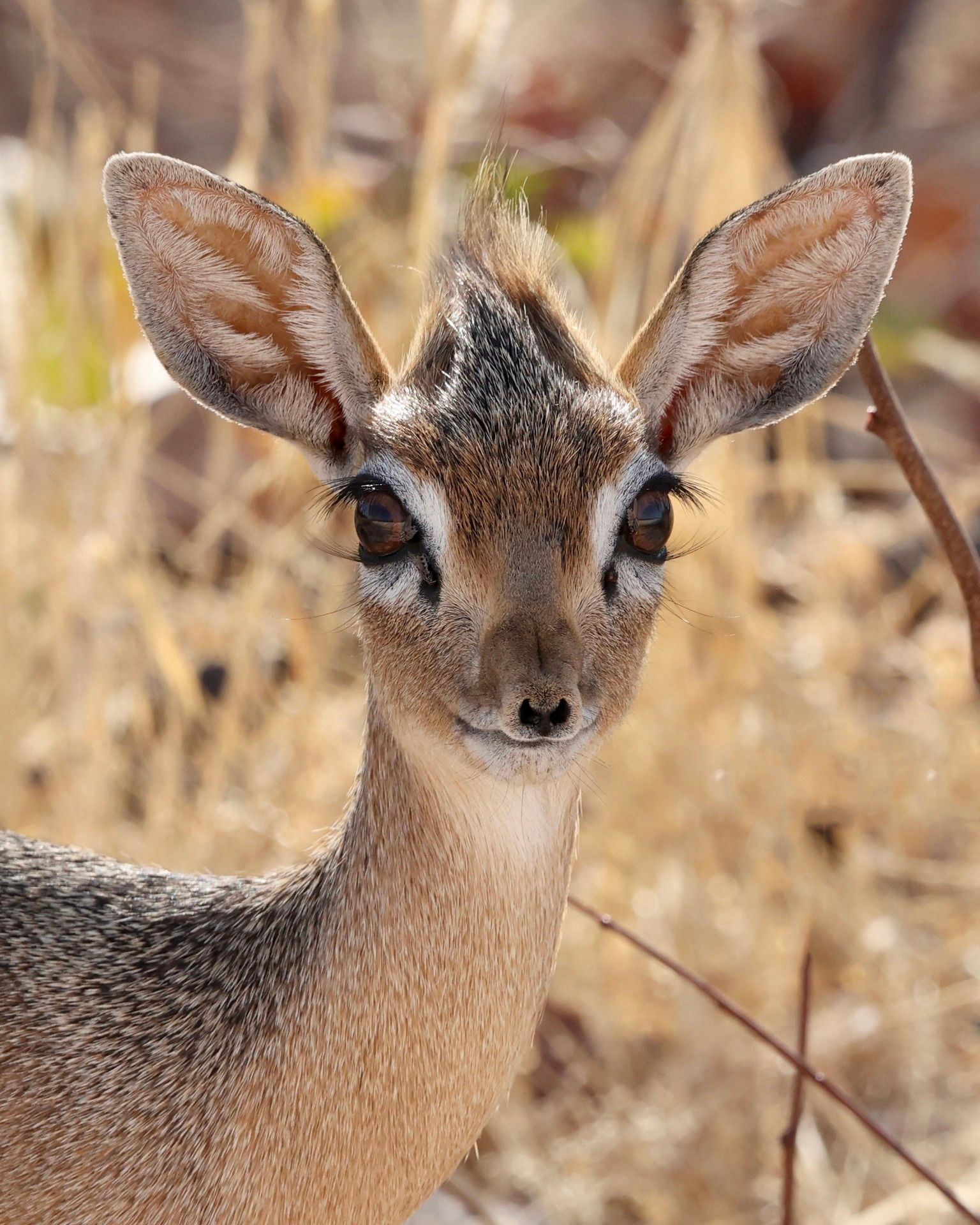
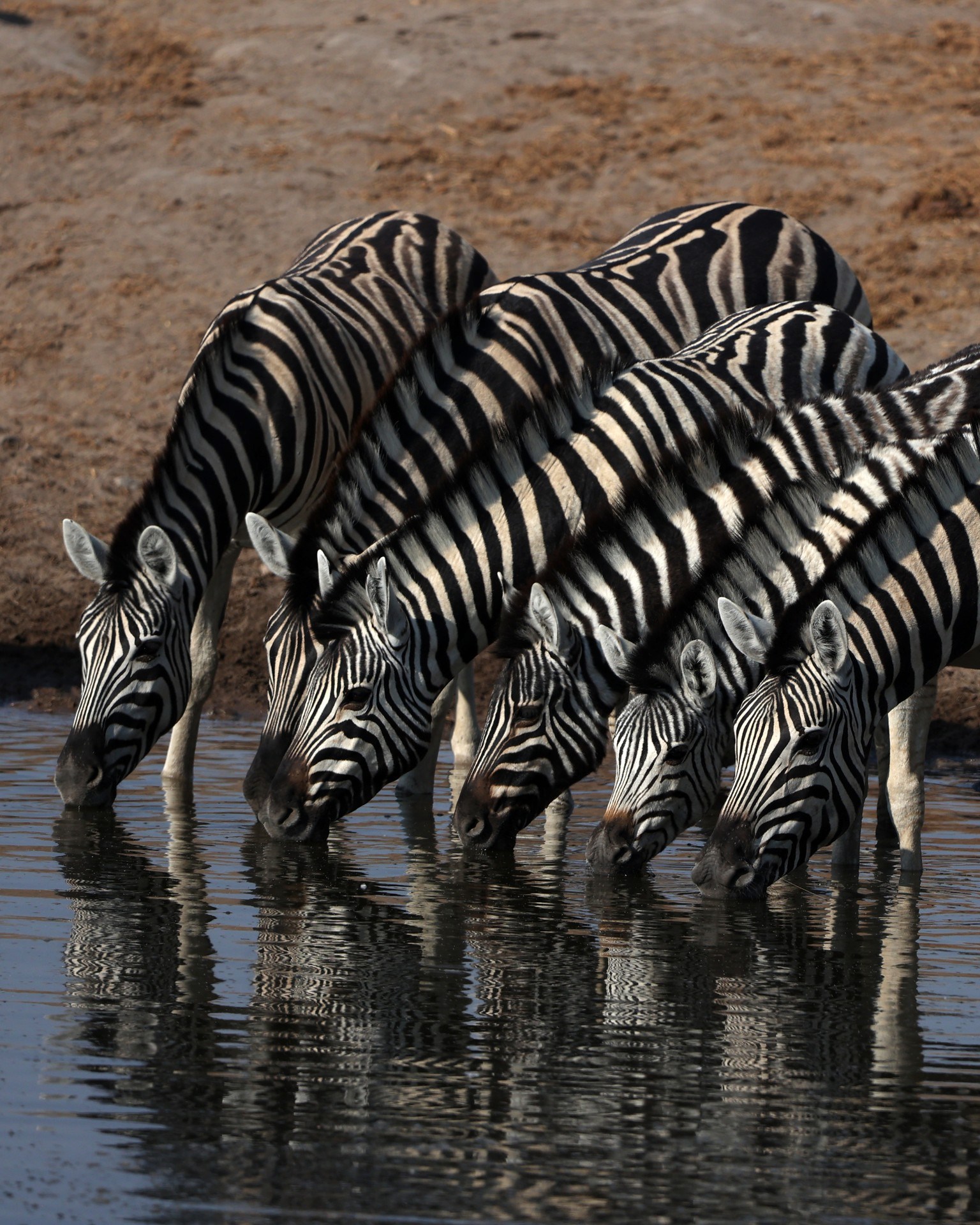
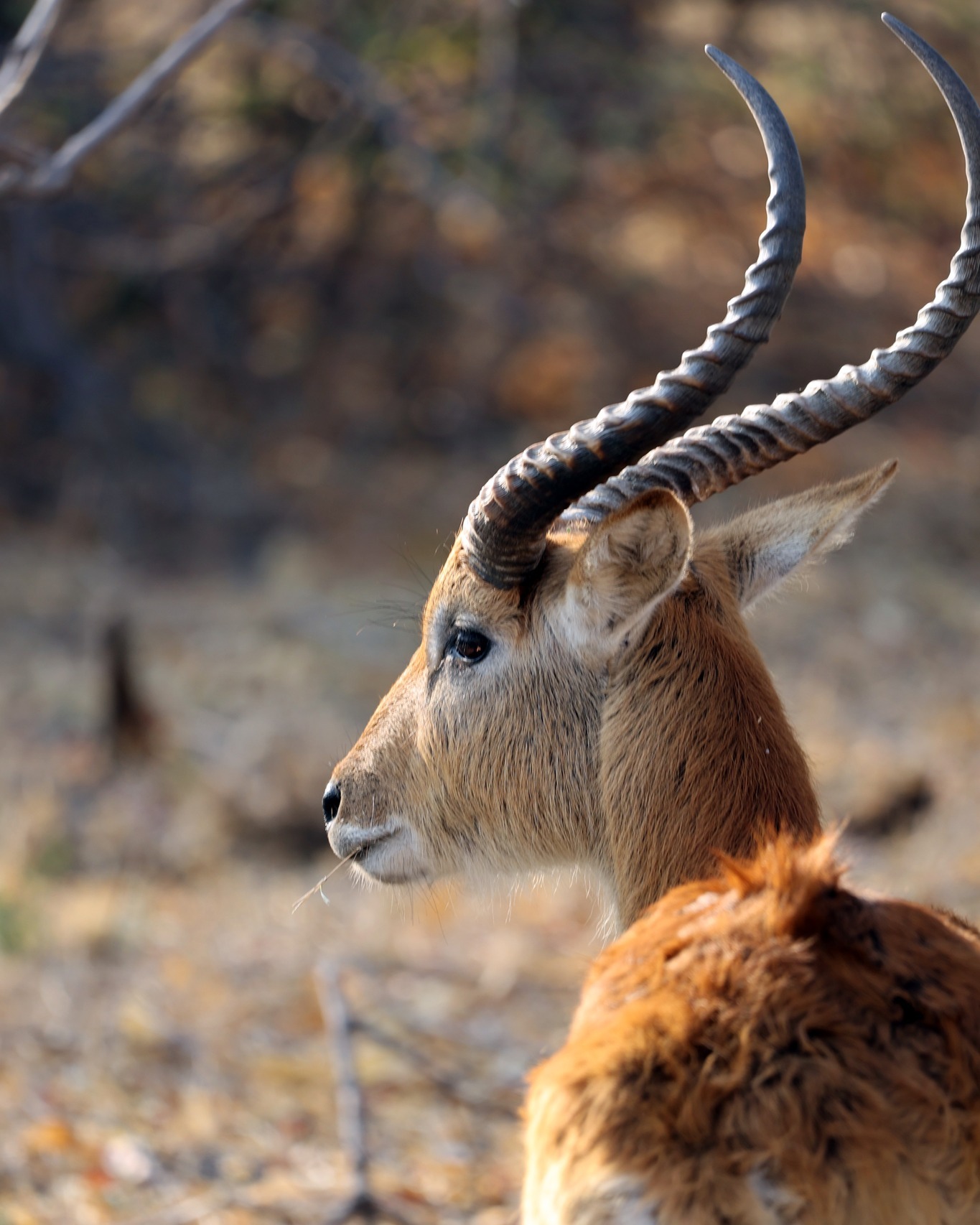
Some of the largest elephants in Africa, massive herds of springbok and zebra, journeys of up to twenty giraffes, rare Hartmann’s mountain zebra, and wide open landscapes as far as you can see are only some of the wonders we encountered. The park is also one of the very last strongholds of the endangered black rhino. It was a most rare privilege to have one inquisitively inspect our vehicle within touching distance, or to witness large socializing groups at night around the waterholes. We also came across a pair of Damara dik-diks, a cute little antelope with huge bulging eyes found only in Northern Namibia and South-western Angola.

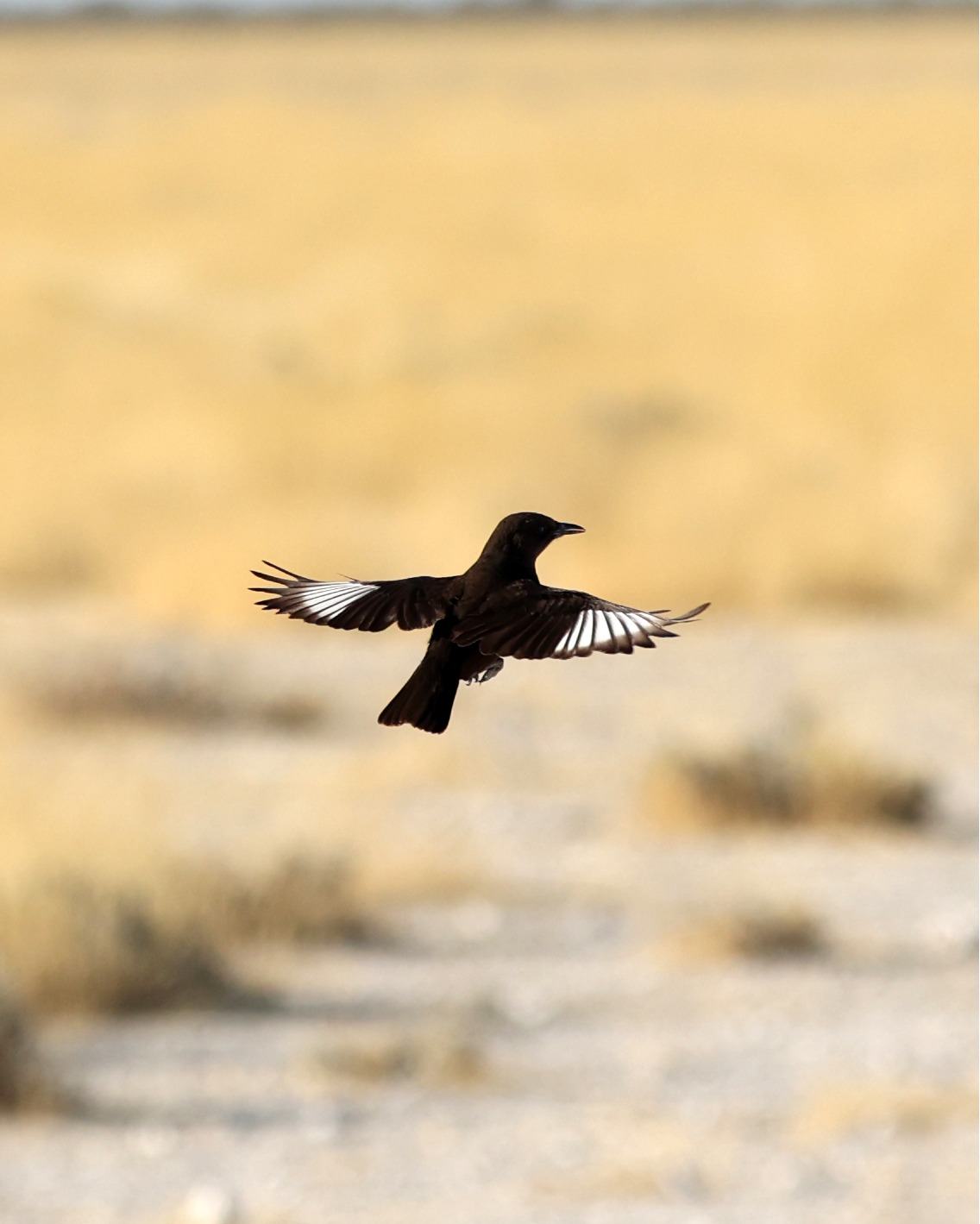
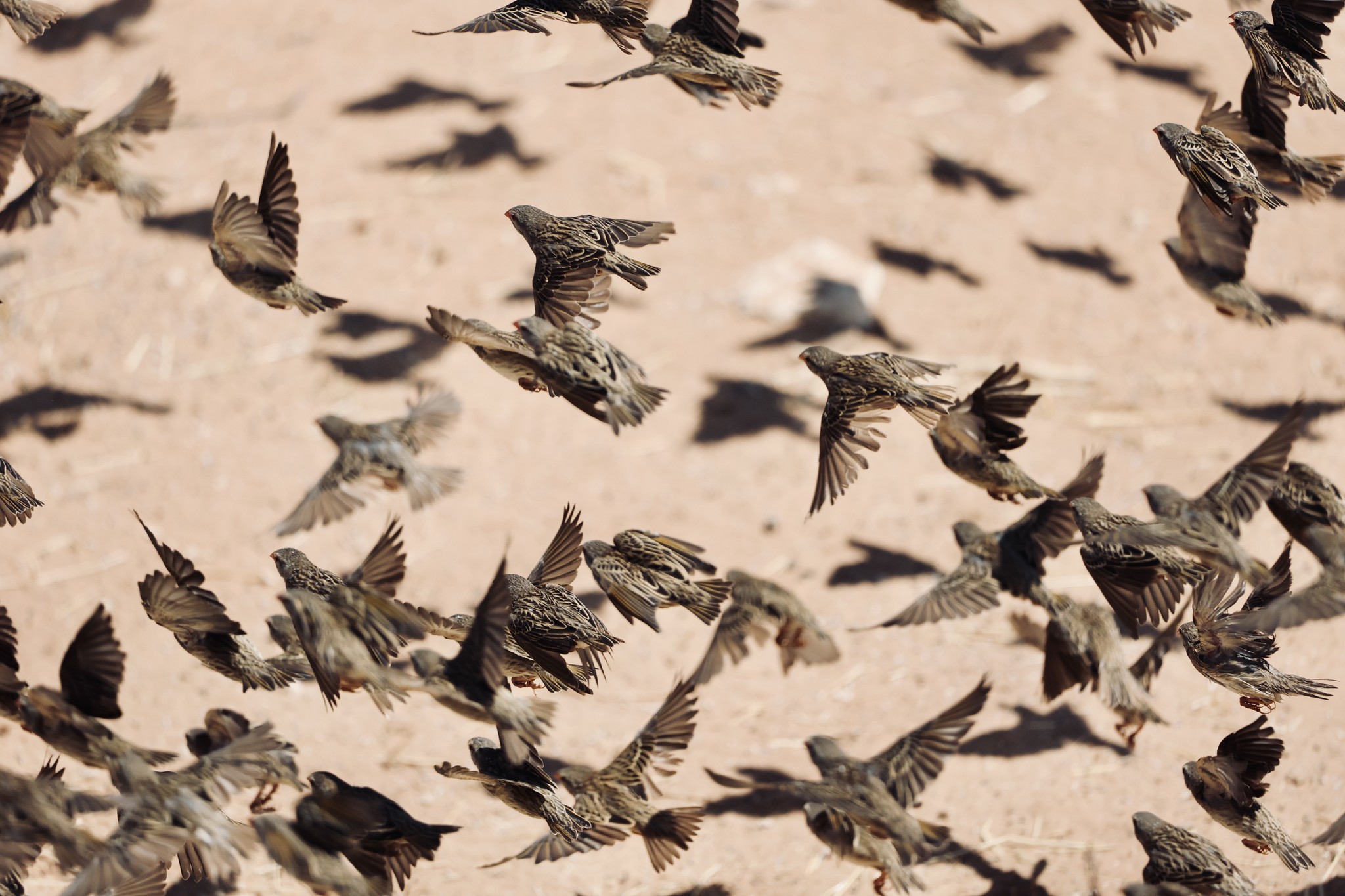
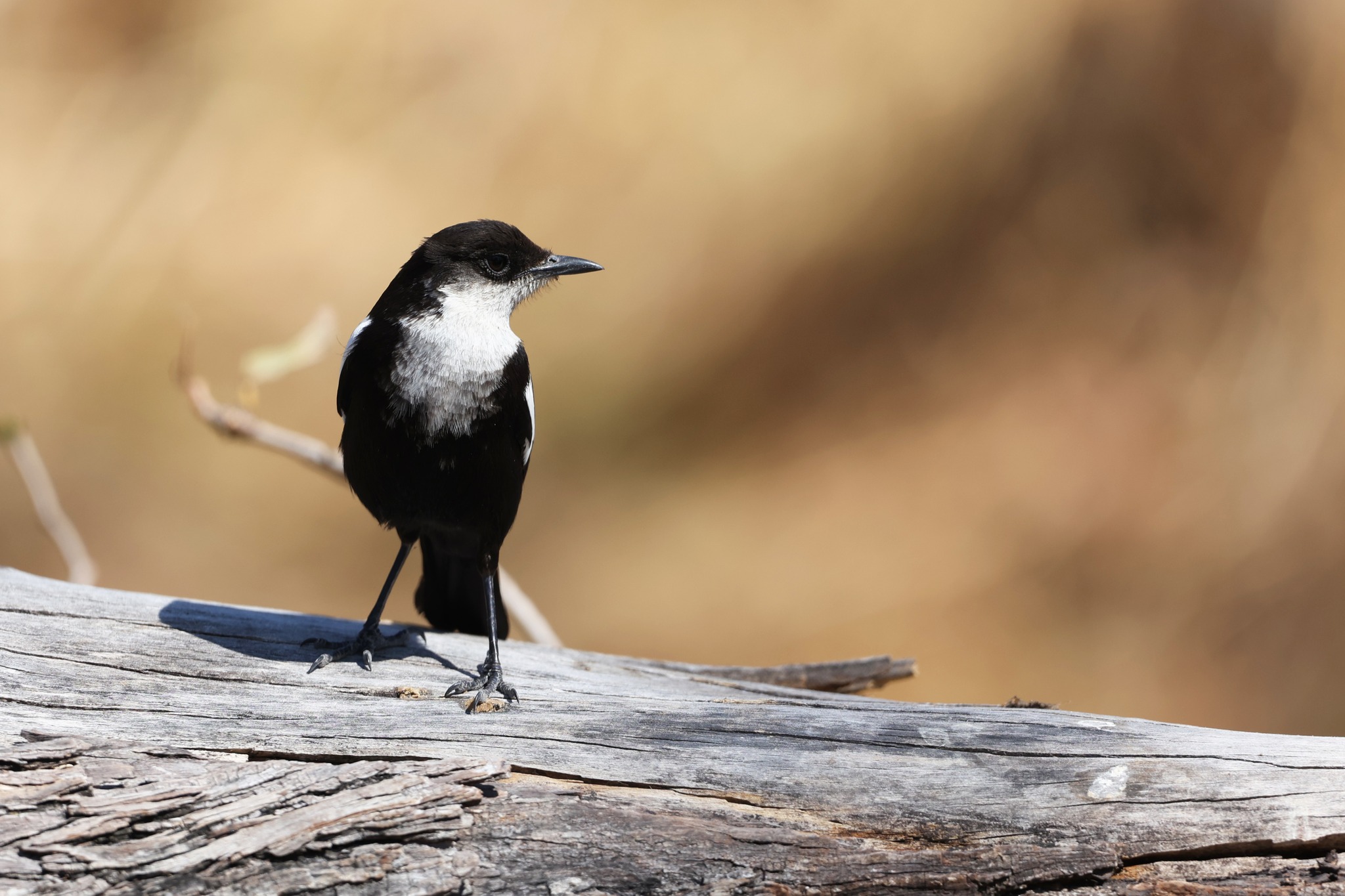
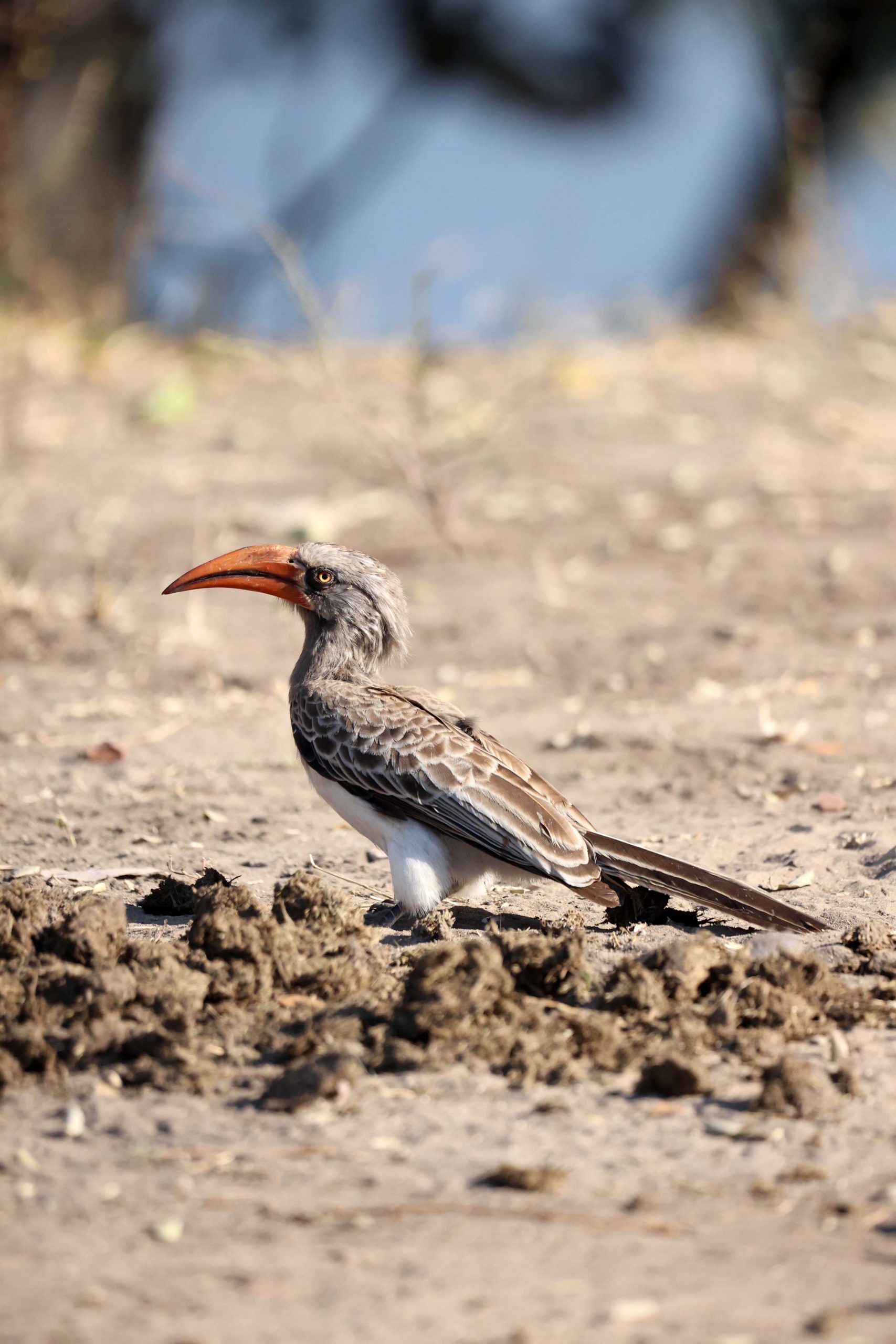
Birding in this park is top notch. The pans held beautiful plains species such as the red-capped lark, chestnut-backed sparrow-lark, sabota lark and pink-billed lark. The waterholes revealed Kittlitz’s plover, common ringed plover and even a greater painted-snipe. Namibian specials such as bare-cheeked babbler and violet wood-hoopoe visited us for lunch in Halali camp. We marvelled at the sound of thousands of red-billed queleas drinking at Olifantsrus waterhole and witnessed a lightning-fast attack of two lanner falcons grabbing their daily lunch from the flock. In the Western reaches of the park a group of Ludwig’s bustards drank near Dolomite camp and a Monteiro’s hornbill rested in the shade of a mopani in the midday sun as we drove by.
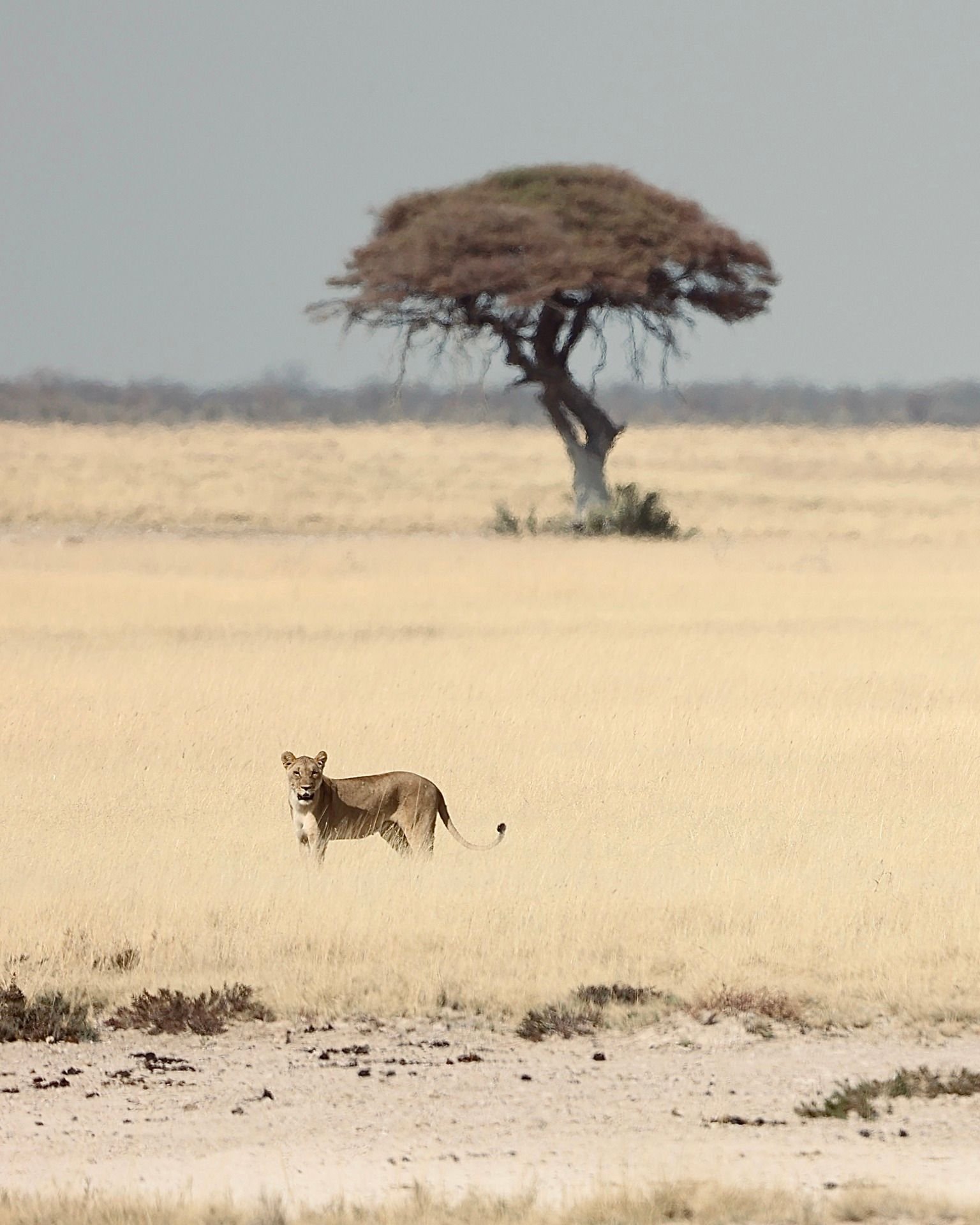
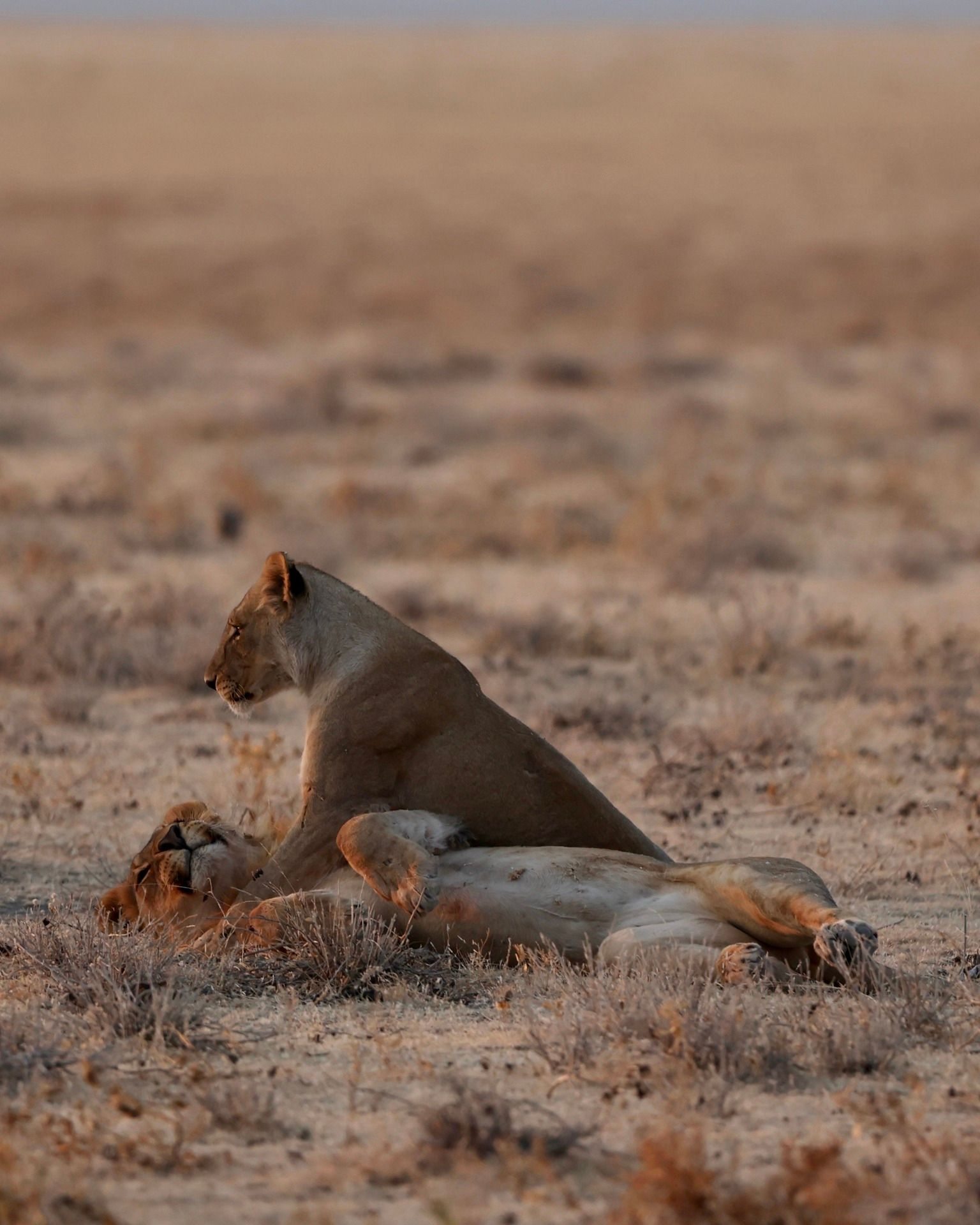
Now about those lions. For some reason, the universe made up in this trip for our general lack of lion sightings over the last few years. Not a single day went by that we were not lucky enough to see a few of these enigmatic cats. Most were in the vicinity of waterholes, as can be expected during the dry season. We witnessed various prides not only lyin’ around (pun intended), but also hunting, socializing, and we even saw a big male roaring from about ten metres away. Very few things in this life are as impressive as the sound pressure emanating from a male lion declaring his territory to all. 

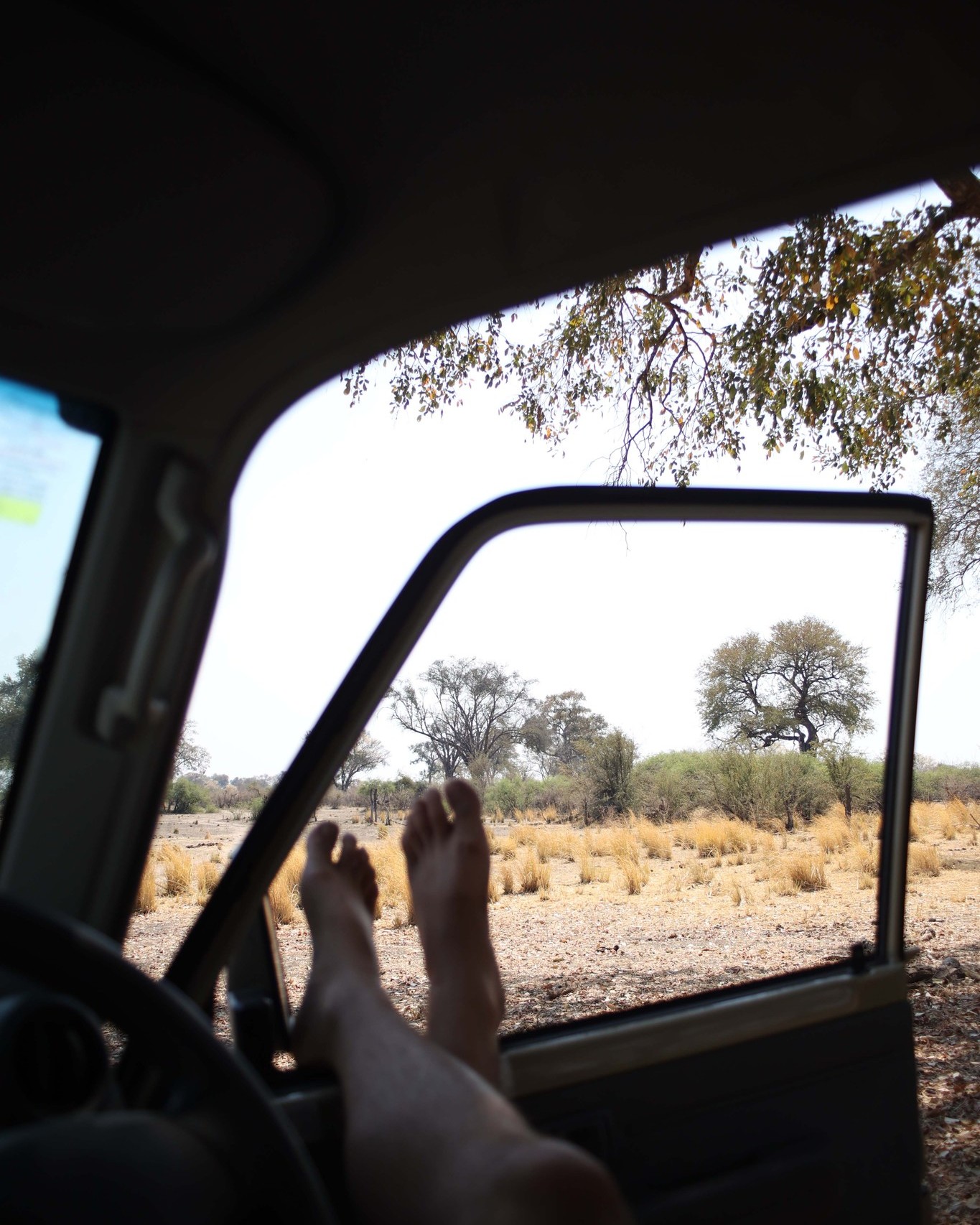
One does not come to Etosha for luxury camping or for pampered fine dining. At best the facilities can be described as quasi-spartan. But one does come to Etosha to witness Africa at its brutal best. To encounter desert-adapted animals used to the harsh realities of living in a ruthlessly arid place. To get your window-arm tanned, your forehead sweaty and your feet coated in and endless supply of fine Etosha dust. To learn something about the environment, your place in it and about this, the great white place.  
A trip through the Strip

A trip through the Strip

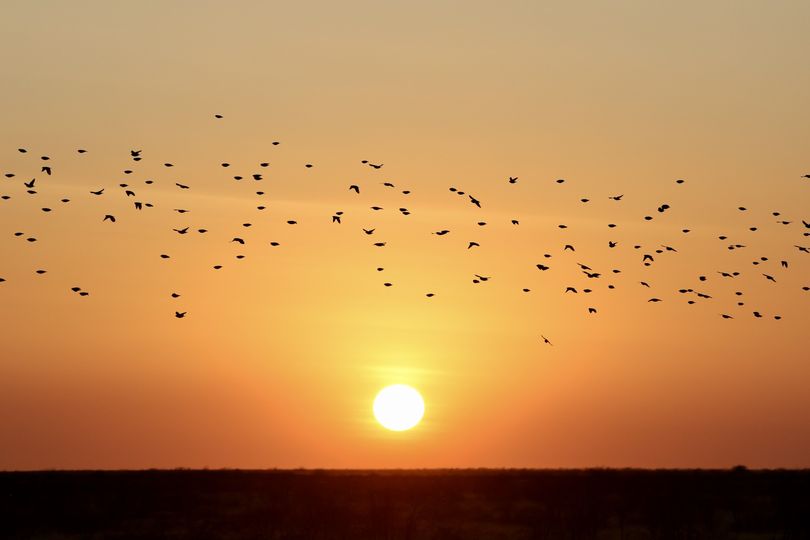
The Caprivi strip is known these days as the Zambezi region, following its less-than-stable political history. We explored the North-eastern sliver of Namibia for two weeks as our first stop in this wonderful country. Working our way from the Mohembo border post towards Katima Mulilo, we were spoiled for choice of under-the-radar places and reserves. So, we did what any sensible adventurer suffering from FOMO would, and went to all of them. Here is a selection of our favourites.

Bwabwata National Park

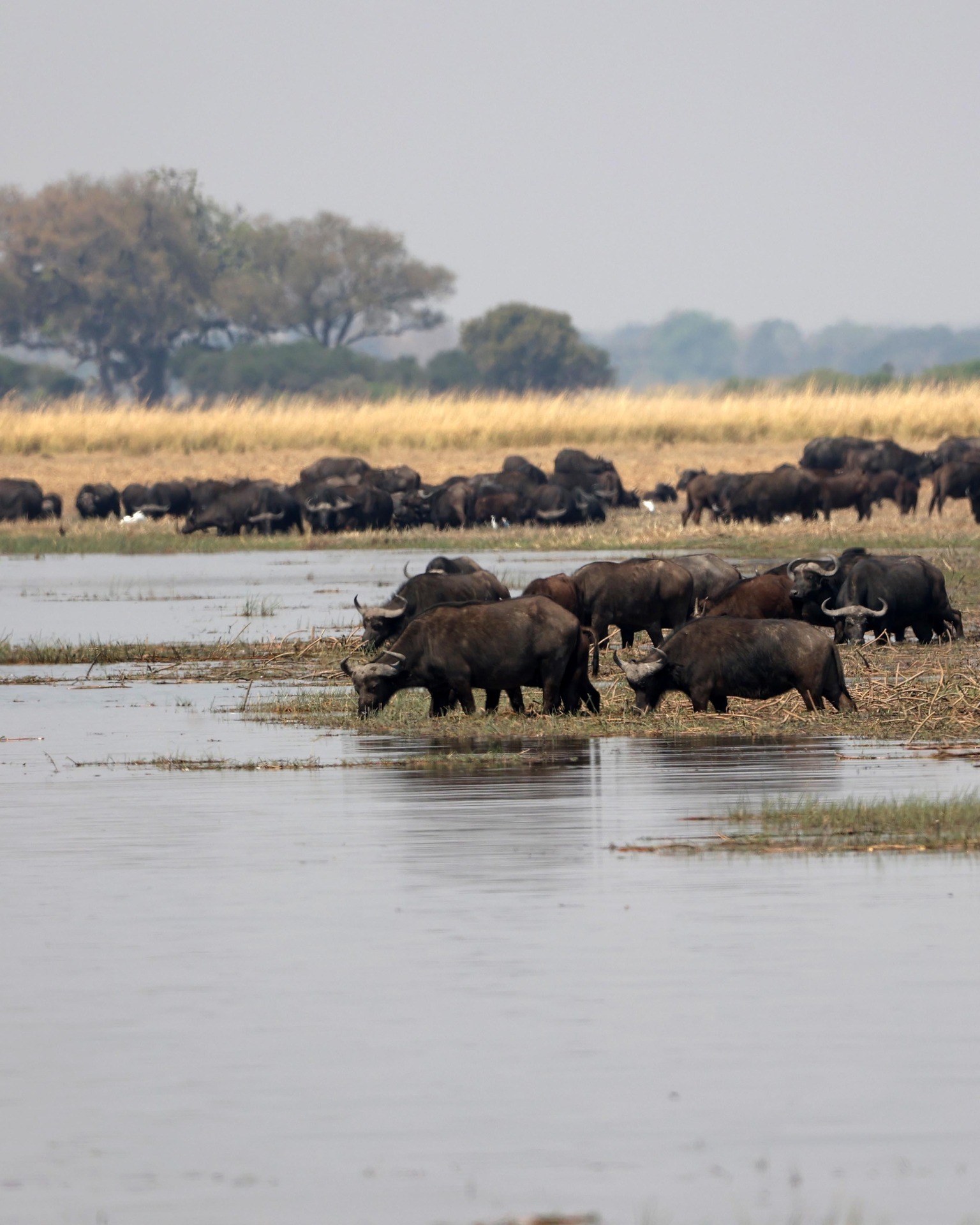
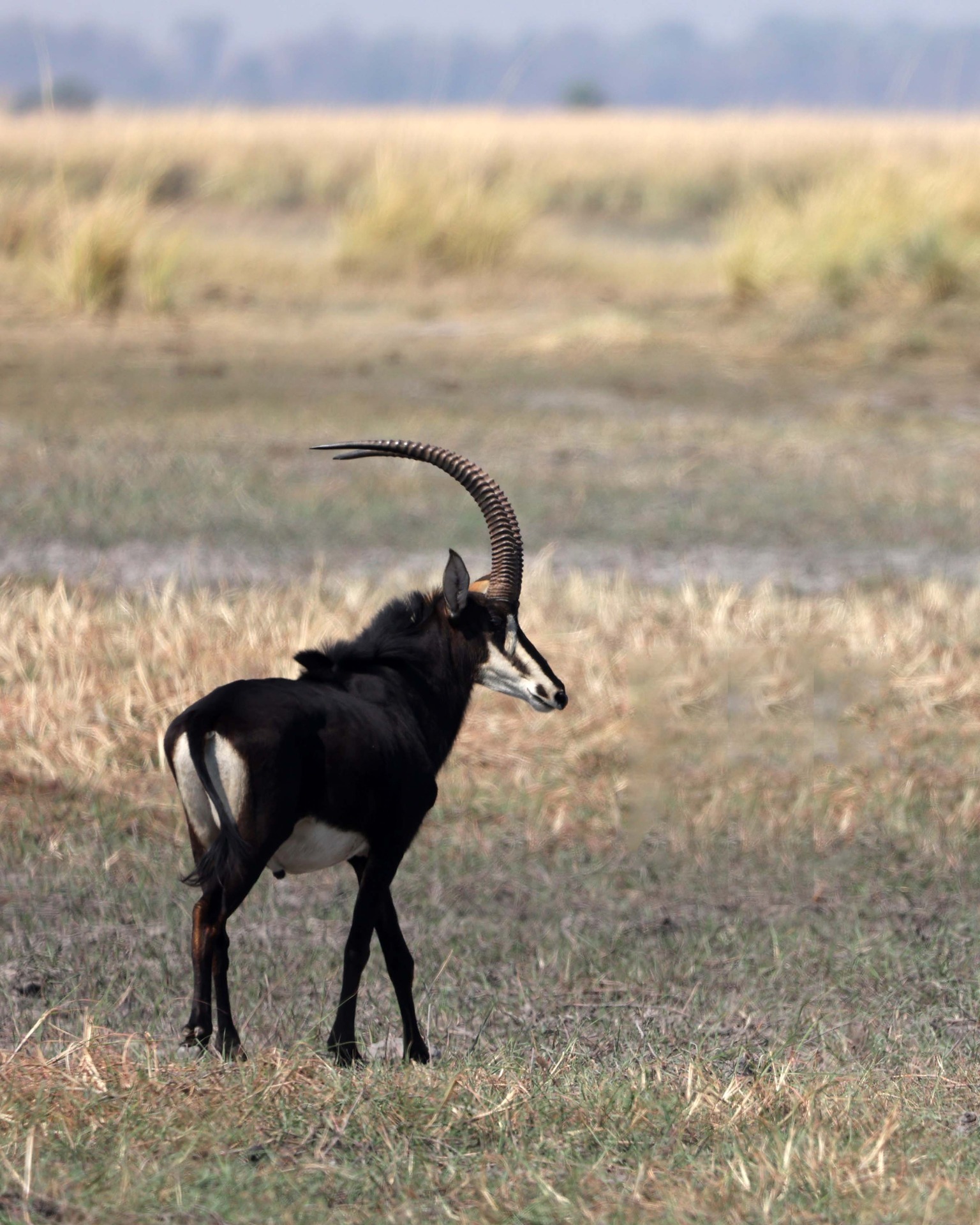
This massive park is in fact a relatively recent consolidation of two smaller parks into a large animal corridor between Angola, Namibia and Botswana. The Buffalo Core area is situated along the Kavango river and gets few visitors as there are no rest camps inside this section. We drove along the river for an entire day without seeing more than one other vehicle – we are not in Kansas (Chobe) anymore Dorothy! No one knows why though, because this place is amazing. Massive herds of buffalo swimming through the river, breeding herds of elephant, scarce sable and roan antelope and large herds of red lechwe were only some of the animal highlights. We even (almost literally) stumbled over a pride of six lions in the reeds who were just as surprised to see us. The section also includes the eery remnants of the Buffalo base of the infamous 32 Battalion. At night we heard the ghost-like Pel’s fishing owls calls from the old army cemetery. Or at least, we hope they were owls..

On the Eastern boundary of the park is the Kwando Core area, situated along the Kwando river where the remnants of Fort Doppies stand. Here we stayed at Nambwa, the only campsite in the park. The sandy roads here are tough to navigate, but the scenery and sightings more than make up for it. We could not believe our eyes as we came around the corner heading towards the famous Horseshoe Bend and were welcomed by a horizon filled with elephants. We camped under a huge flowering sausage tree where the rare copper sunbirds darted throughout the day and the resident hippo bull snorted and bellowed each evening. 

Mudumo National Park

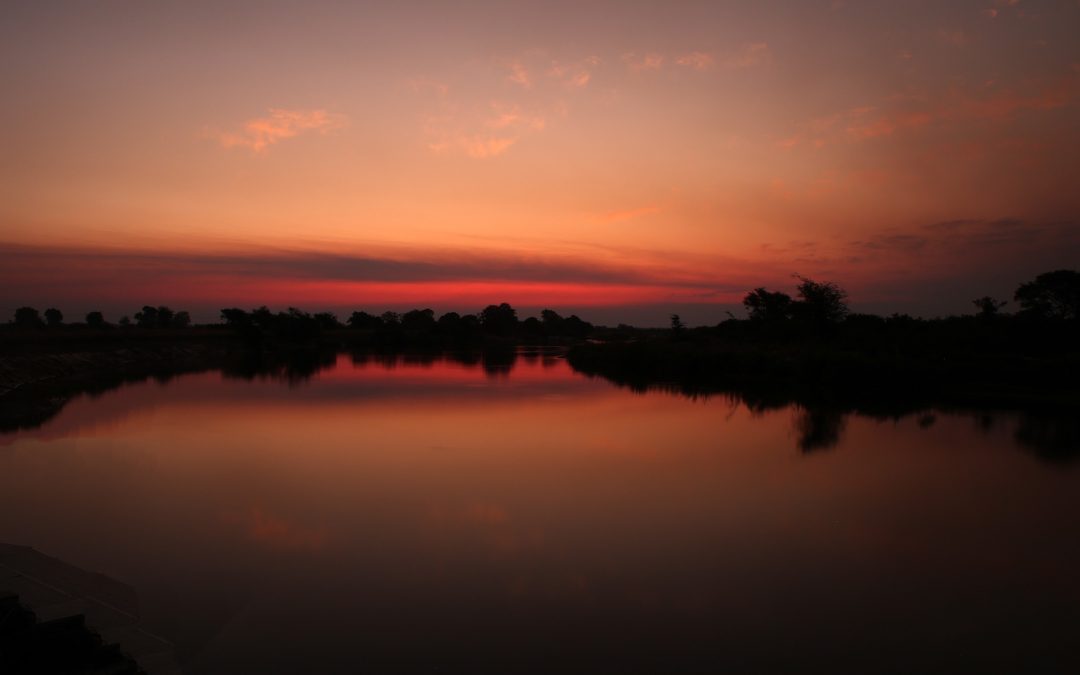
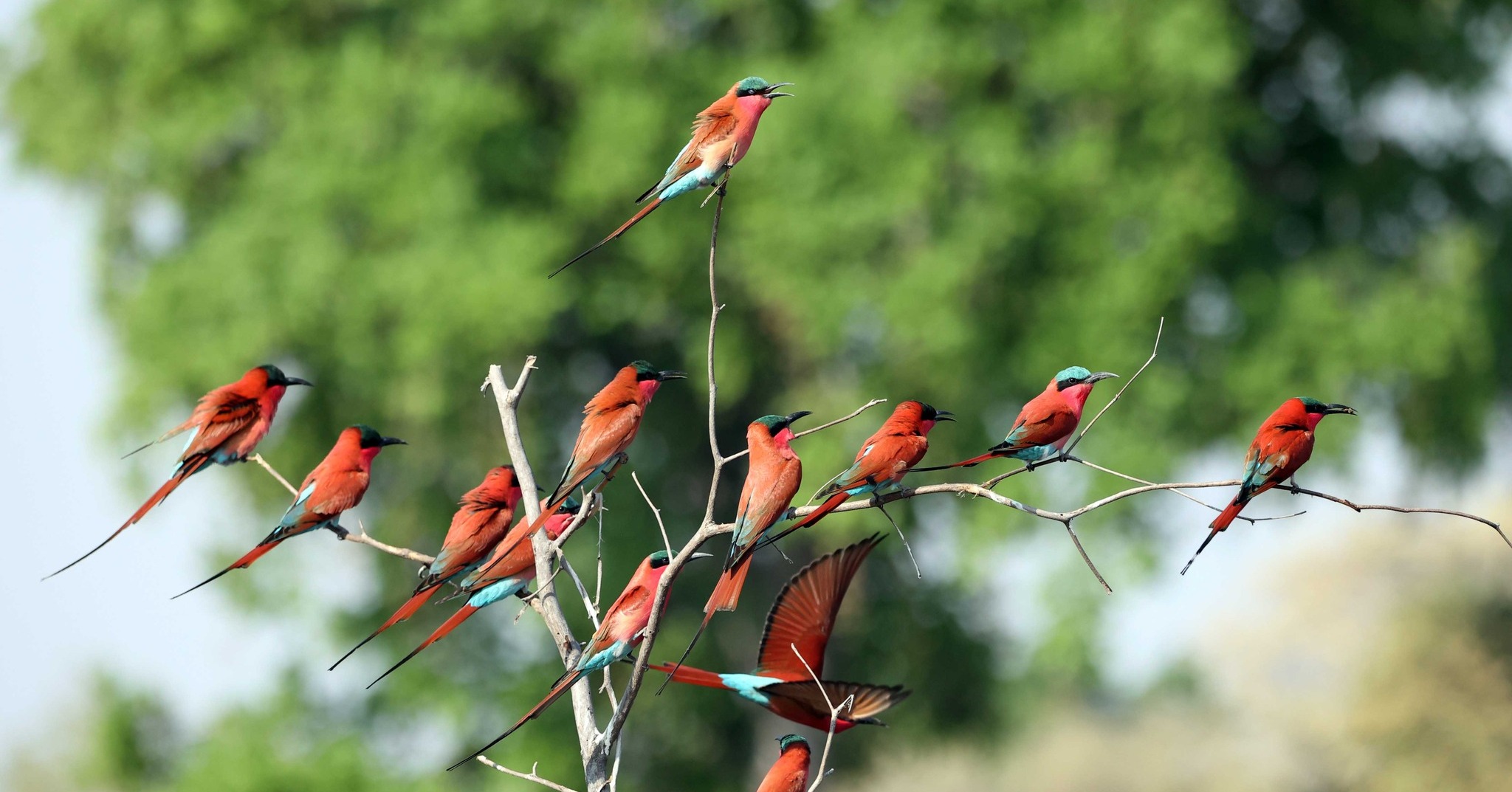
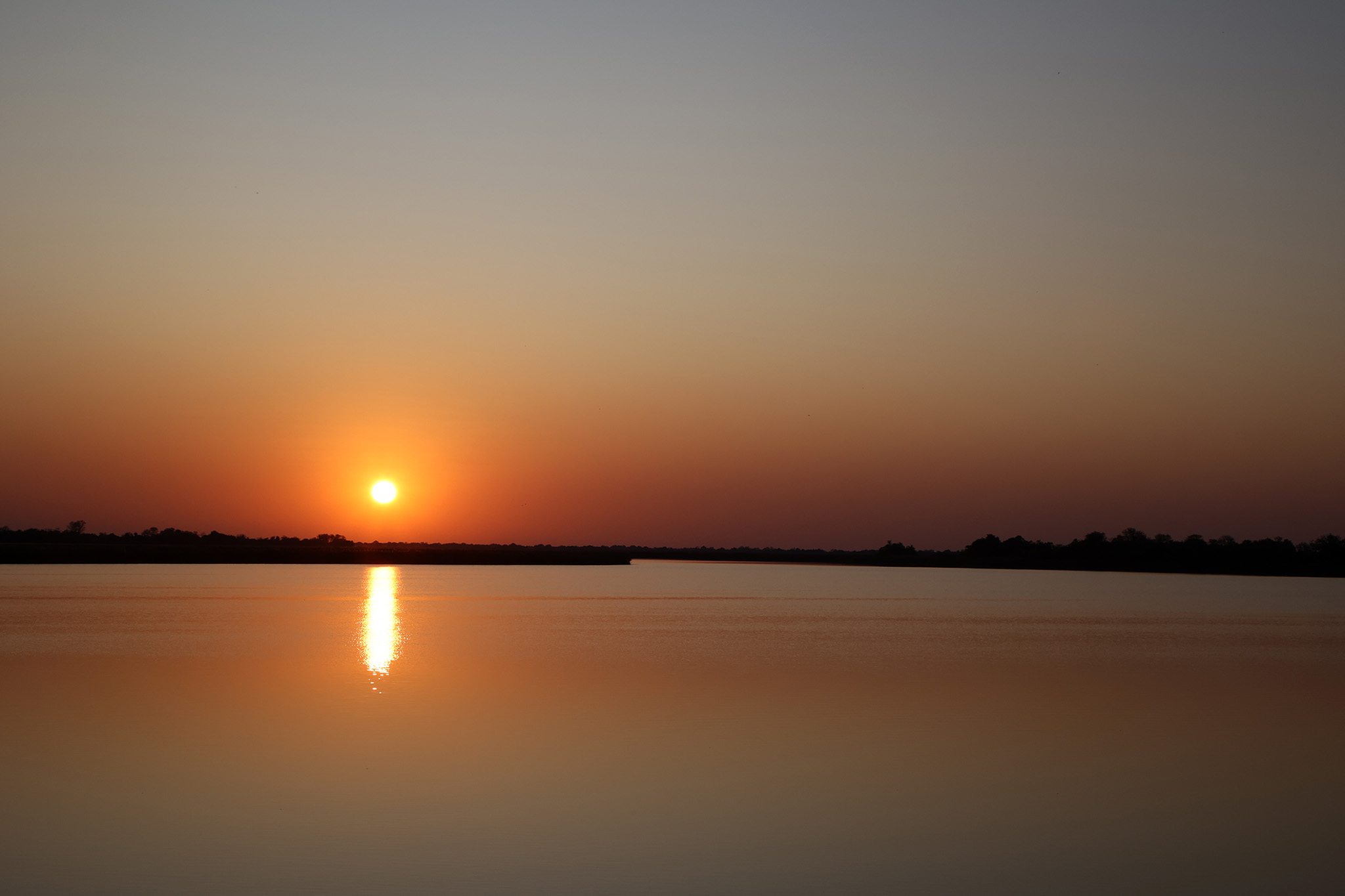
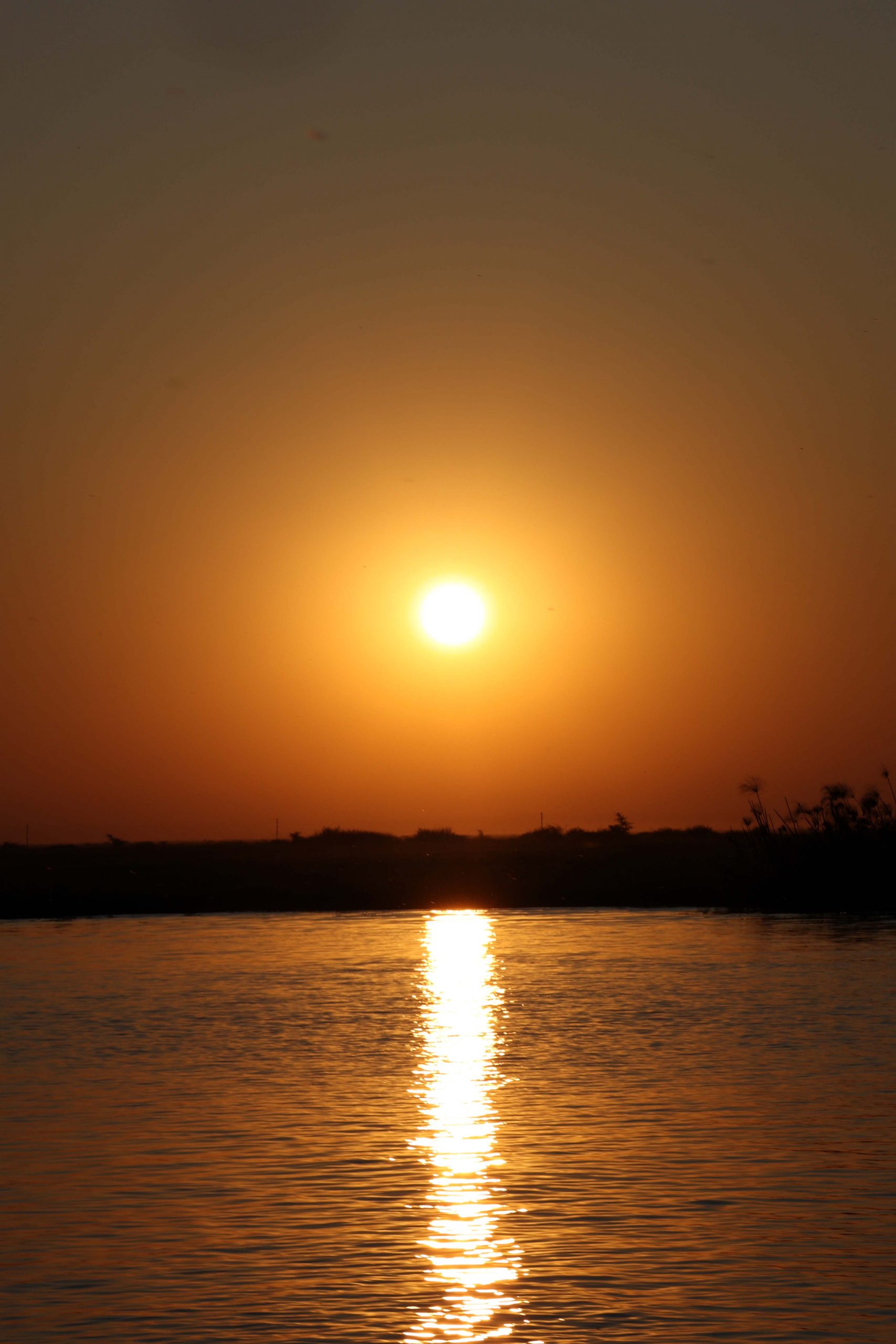
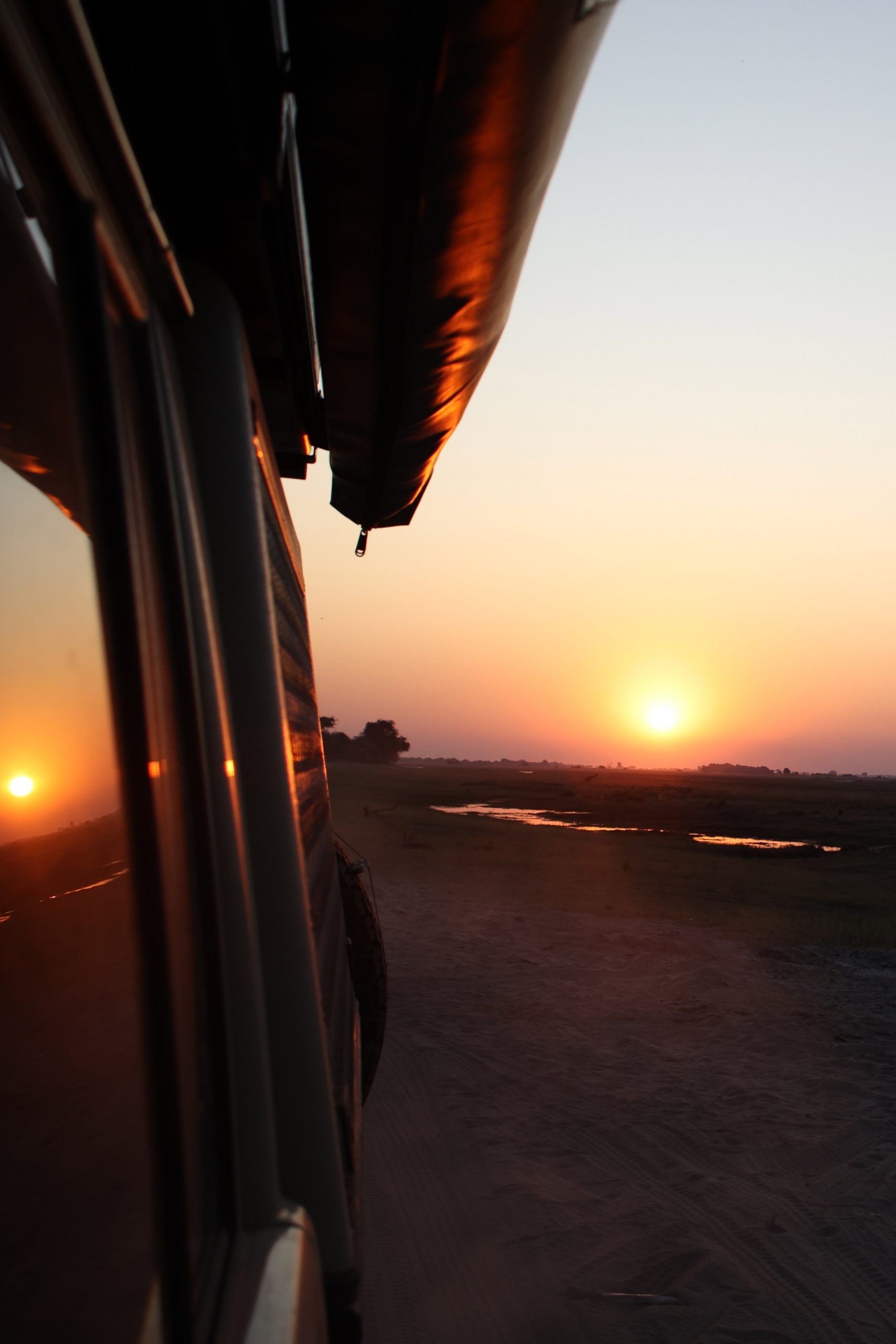
On the Eastern bank of the Kwando river lies Mudumo, a wonderful park that sadly sees very little visitors other than on the through-road. A network of little sandy roads lines the river, and it is here where we saw the biggest crocs ever, colonies of Southern carmine bee-eaters nesting in the bank, curious towers of giraffe and the most glorious golden sunset over the river while devouring a packet of Doritos on Baloo’s bonnet. Some of the roads require Dakar-rally antics, but again, the reward is worth it. We had the entire park to ourselves for a day, something you cannot say of many places.

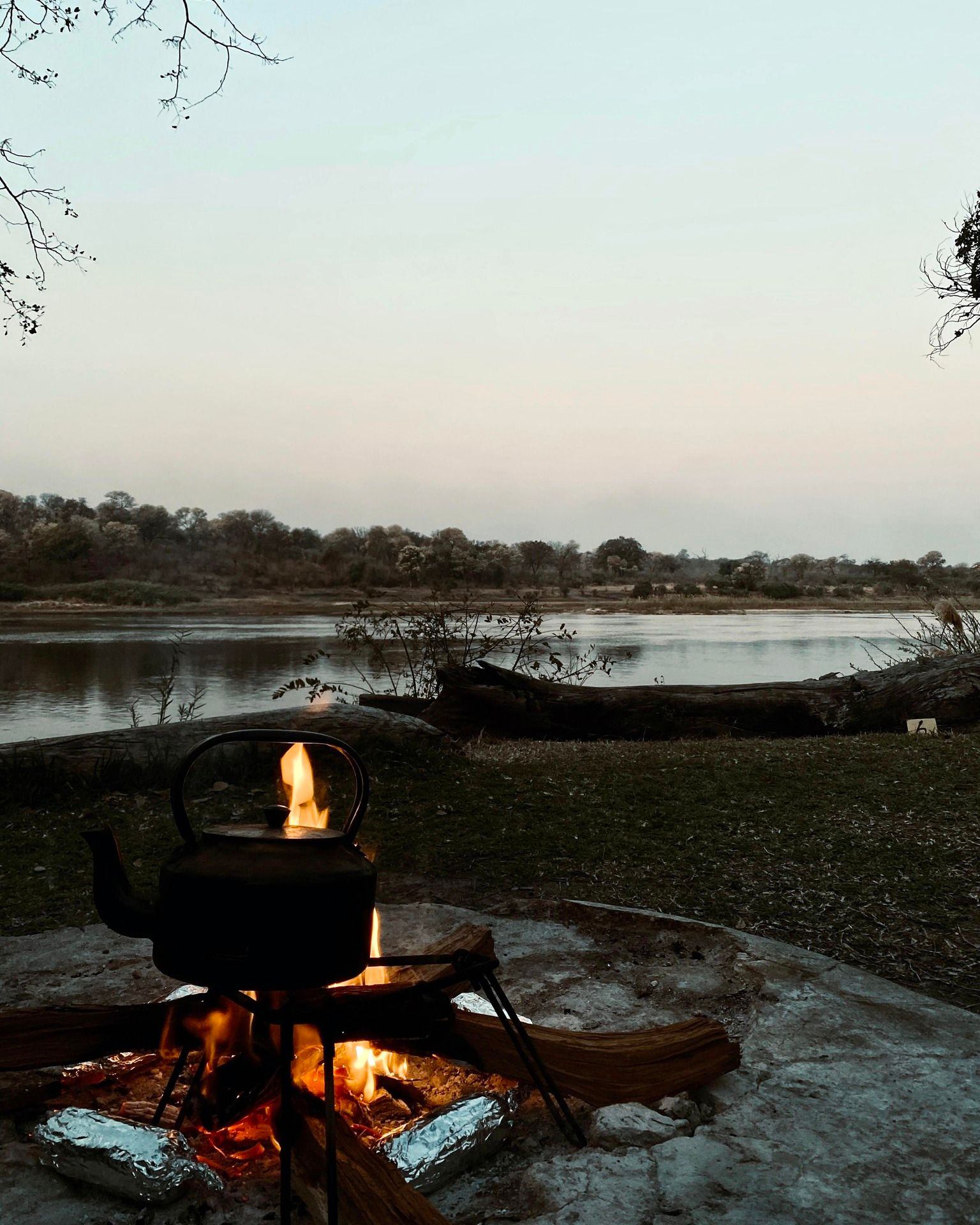
We camped at Mavunje, operated by widely recommended guide Dan Stephens. It takes a special character to build and run a camp and boating operation in this part of the world, and Dan is exactly that. Not only will he entertain you with his bone-dry British sense of humour, but his boating trips on the Kwando are fantastic. Gliding through the clear and shallow waters of this small river system, we finally saw our first Sitatunga, a very shy water-based antelope. We had countless hippo encounters, found nesting collared pratincoles, watched herds of drinking elephants up close, fooled a few tigerfish with our flies and made the best lunchtime braai on an island (including braaibroodjies with Mrs Balls no less!). You know you will be back when you get off the boat at dusk and find your campfire already crackling. 

Nkasa Rupara National Park

This wonderful wetland park can be described as the lesser-known Okavango of Namibia. Surrounded by the Linyanti swamps and fed by the Kwando river that floods a few months later than its more well-known big brother, the park is often mostly under water. We explored the two main islands of this distinctly un-touristy wonderland, drove through beautiful leadwood forests, found rare birds like the slaty egret and enjoyed throngs of elephants and buffalo enjoying the recently swamped channels. Also, the most warthogs we have ever seen in a single day live here.

We stayed at Livingstone’s Camp just outside the official park boundary and declared this our favourite camp of our trip so far. Maybe it had something to do with the trio of lions coming to visit camp and roaring next to our tent at 4am or the African Barred Owlet nestled in the tree above us. Apart from our unforgettable camp visitors, these campsites are located on the banks of the Linyanti swamp. With your own private bush kitchen, bathroom and braai with a grand view, what more do you need in this life?

Livingstone Museum

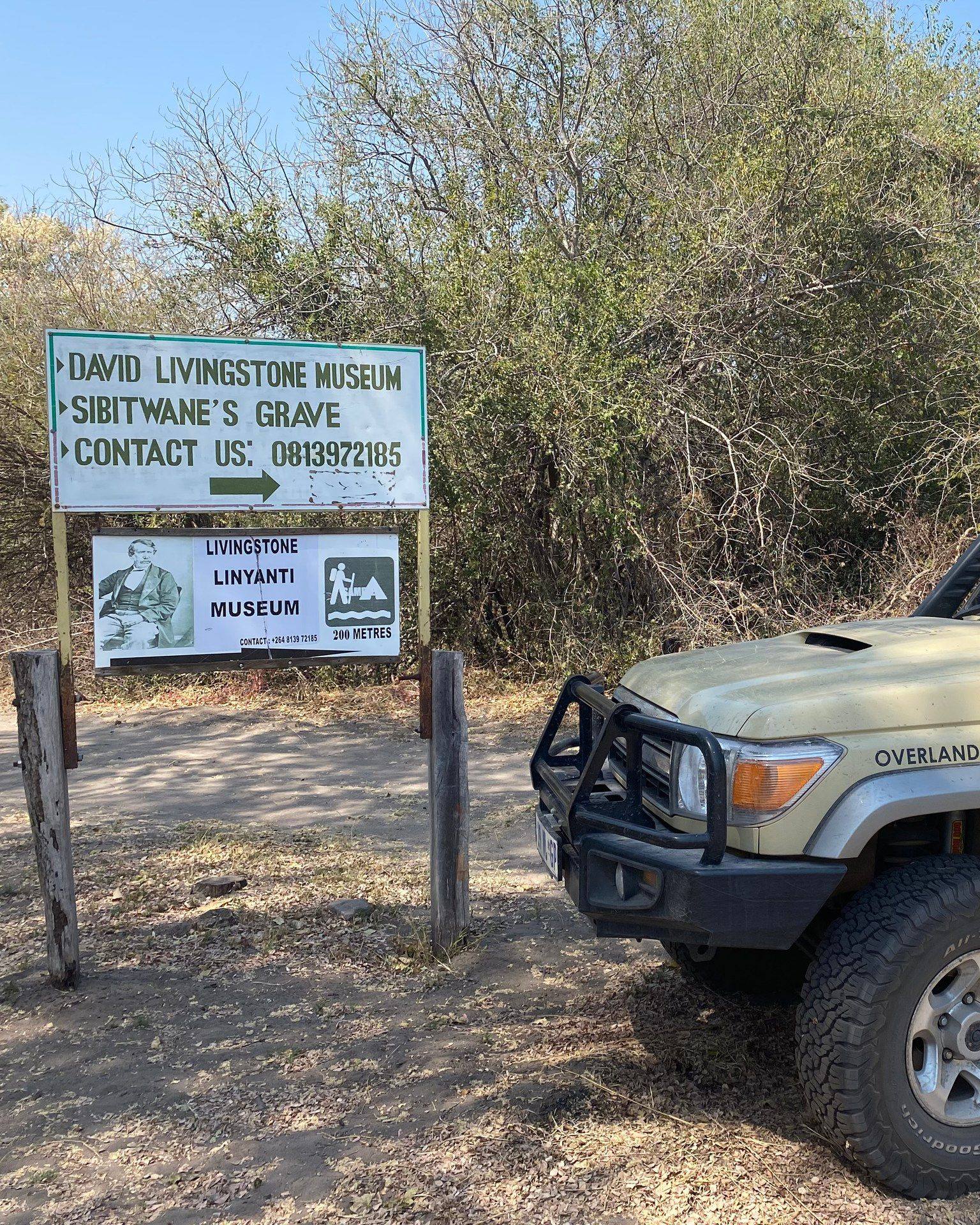
Mr. Linus Mukwata, custodian of the Livingstone Museum next to Nkasa Rupara, had a dream almost twenty years ago to build a museum to commemorate and capture the stories told by his father and village elders of the time when David Livingstone passed through Linyanti in the 1850s. At first sight, you might think you will have to pay a large entry fee to only find a couple of old pictures and a map of Livingstone’s travels. But to our amazement, we were given a half-hour lecture by Linus himself who, with passion and precision, shares the travels and stories of David Livingstone and fellow ill-fated missionaries who travelled to the Linyanti swamps – all for only a donation of your own choice. Apart from his humble museum, Linus is also in the process of creating a 1 hectare vegetable garden for his village and has already successfully installed various bee hives to ensure the elephants do not raid the crops. It was such a privilege to meet Linus – a man with vision and a passion to make a change in this world, no matter how small.

The Mighty Zambezi

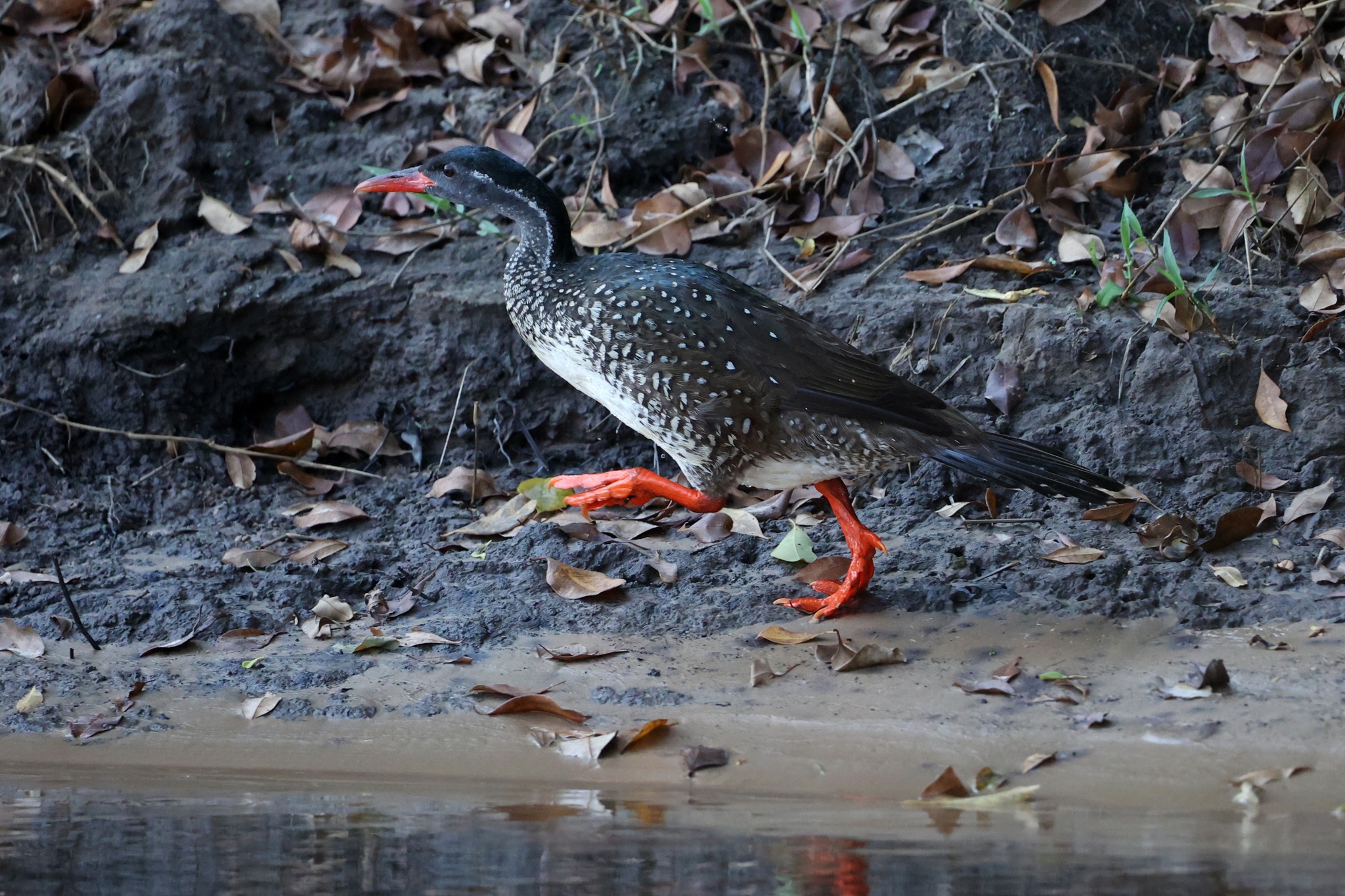
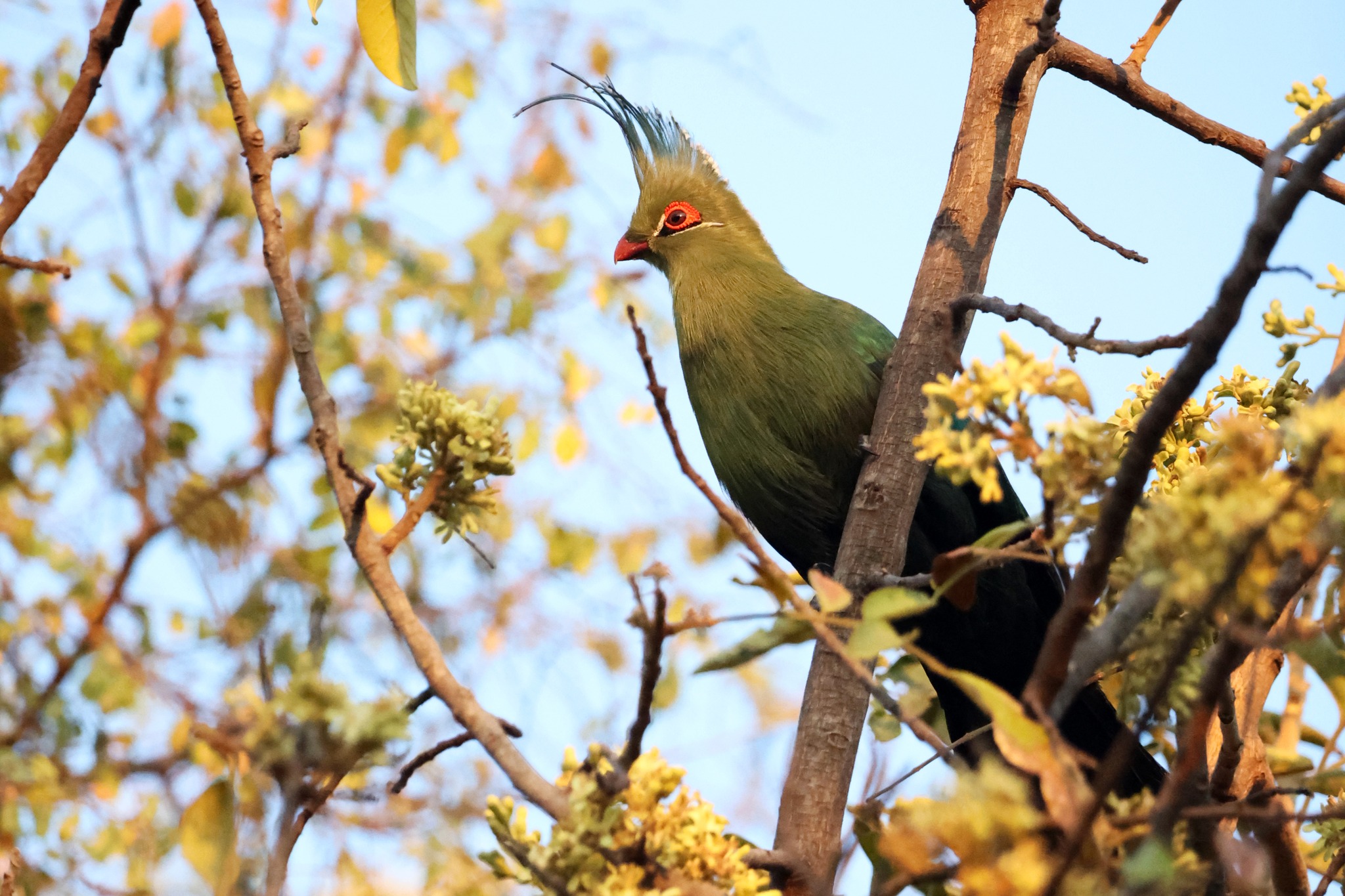
There is a reason why birders flock to the Zambezi region. While based around the Katima Mulilo area we were treated to feathered friends of all shapes and sizes, including some extremely rare and vagrant birds such as the Yellow-throated Leaflove and the Rock Pratincole. Waking up every morning with pairs of Schalow’s Turacos foraging in the tree above the tent and ending an afternoon with two African Finfoots and a White-backed Heron is indeed a birding bonanza.

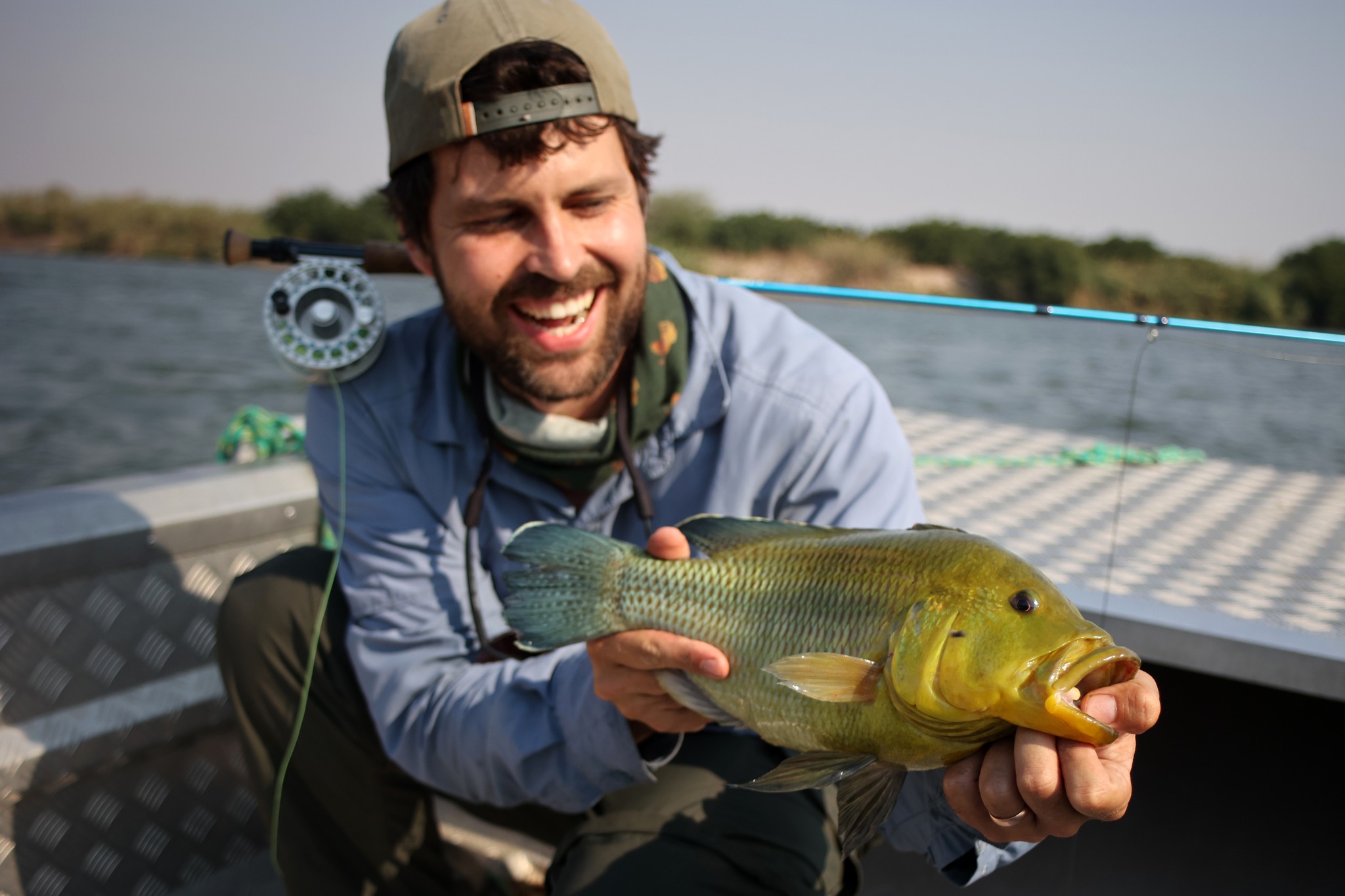
We also probed the waters for Nembwe – a strikingly beautiful, olive, streetwise and hard-fighting fish that loves to hang out in the Zambezi’s thickest underwater structures. Couple this with its preference also for fast-flowing water and you have a fly-fishing challenge on your hands! These magnificent fish are under threat in many parts of the Zambezi and Okavango due to illegal netting, so to catch and admire one before releasing it was indeed a moment of wonder.

Early on our last morning I was standing on a moored houseboat near Katima for a spot of fly fishing while admiring the sunrise, snorting hippos and flocks of cormorants passing over the placid waters. The Zambezi River is often described as mighty, but it can also be described as captivating, mysterious and enchanting – and so can this entire region. As I strip in the flyline, I dreamily think back over the past few days and know that we will be back for another trip through this strip one day. That is when the tigerfish viciously grabbed my fly. 

Fishing owls and water dogs

Fishing owls and water dogs

‘Wheeeeuuuu!’ The wailing cry of a Pel’s fishing owl is likened to a lost soul in a bottomless pit by the official Roberts birding app. No jokes – look it up. We have heard it before, along with its haunting low-pitched hoots. On none of the previous occasions over the past years did we manage to see this elusive creature of the dark. It had gotten to the point where we had given up and resigned to the fact that the closest we will ever get would be to hear it. It was late at night on the banks of the Okavango River now, and I put down the Wilbur Smith to prick my ears. Yes, there it called again.

We had come to the famed Okavango six days ago. If you are not taking a Cessna to the Delta’s fly-in island lodges where prices end with three or more zeros, the long and mostly-potholed Shakawe road links this area to Maun (you know it’s bad when even folks from Botswana say they have lost a Cruiser rim on it). We first camped at Guma Lagoon to explore the delightful delta. Thereafter, we moved further up and visited Drotsky’s camp to sample the pretty panhandle.

The area will certainly relax the soul of anyone no matter their interests, but we were primarily interested in the feathered and scaled creatures that call this part of Botswana their home. And boy, was our search rewarded! We put together a few ideas that helped us make the most of our time and which might help other adventurers planning to one day visit this uniquely special part of the world.

1. Become a part-time twitcher

Simply put, the Okavango is a birder’s paradise with its unique watery habitat and ecosystem. Twitchers from all over the world flock here (see what we did there) to try and see some of the hundreds of bird species the area is known for. We found that reading up beforehand about the birds you might encounter here, typical or special, added significant value to our trip. For example, it enriched our experience to know that this is one of the very few places in the world you might find a lesser jacana, and then actually finding one. Otherwise, we might have seen it simply as a brownish long-toed waterbird and moved on. Know what to look for, and look for it – even if birding is not your main hobby – perhaps you can then appreciate the wonder around you on a deeper level.

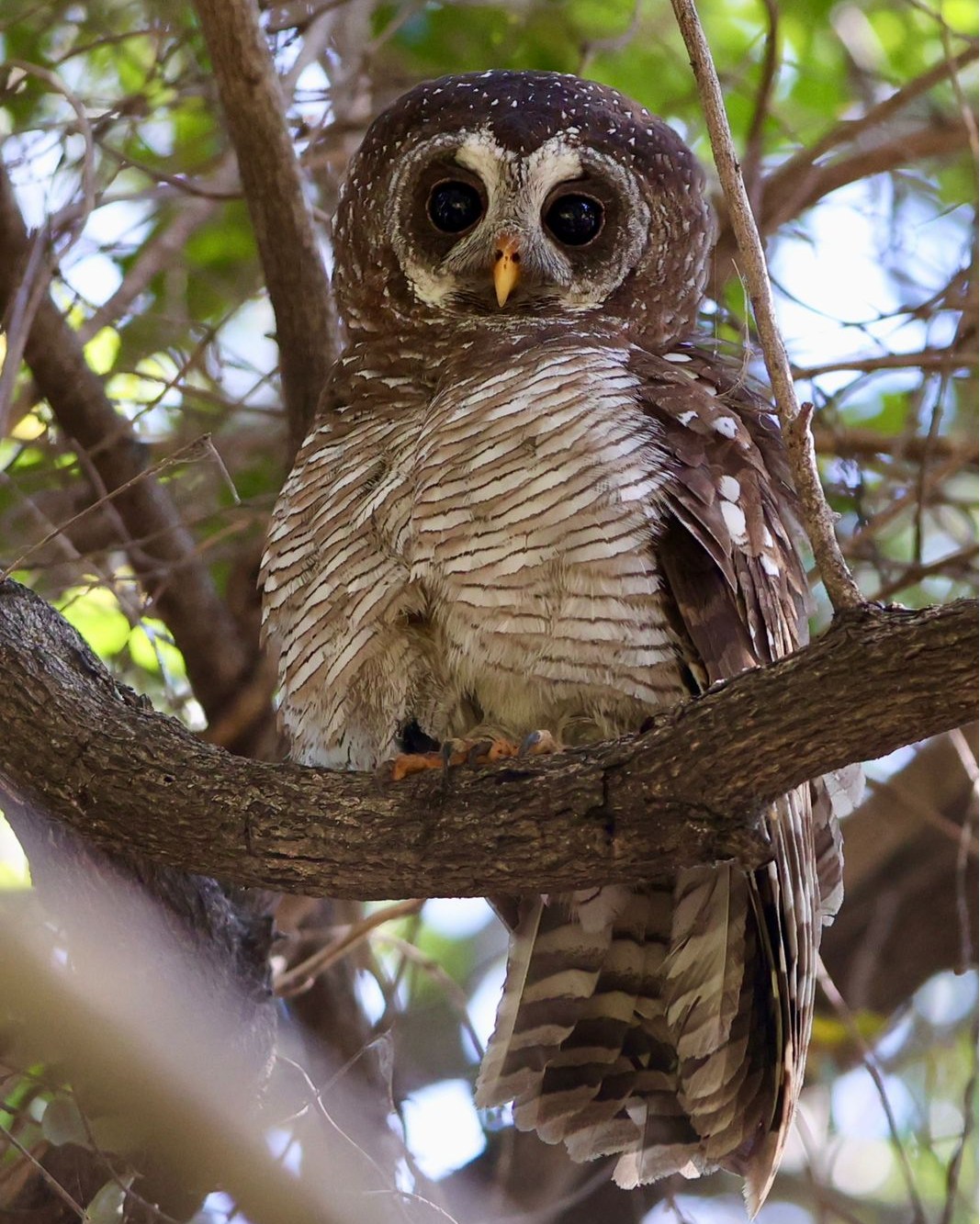
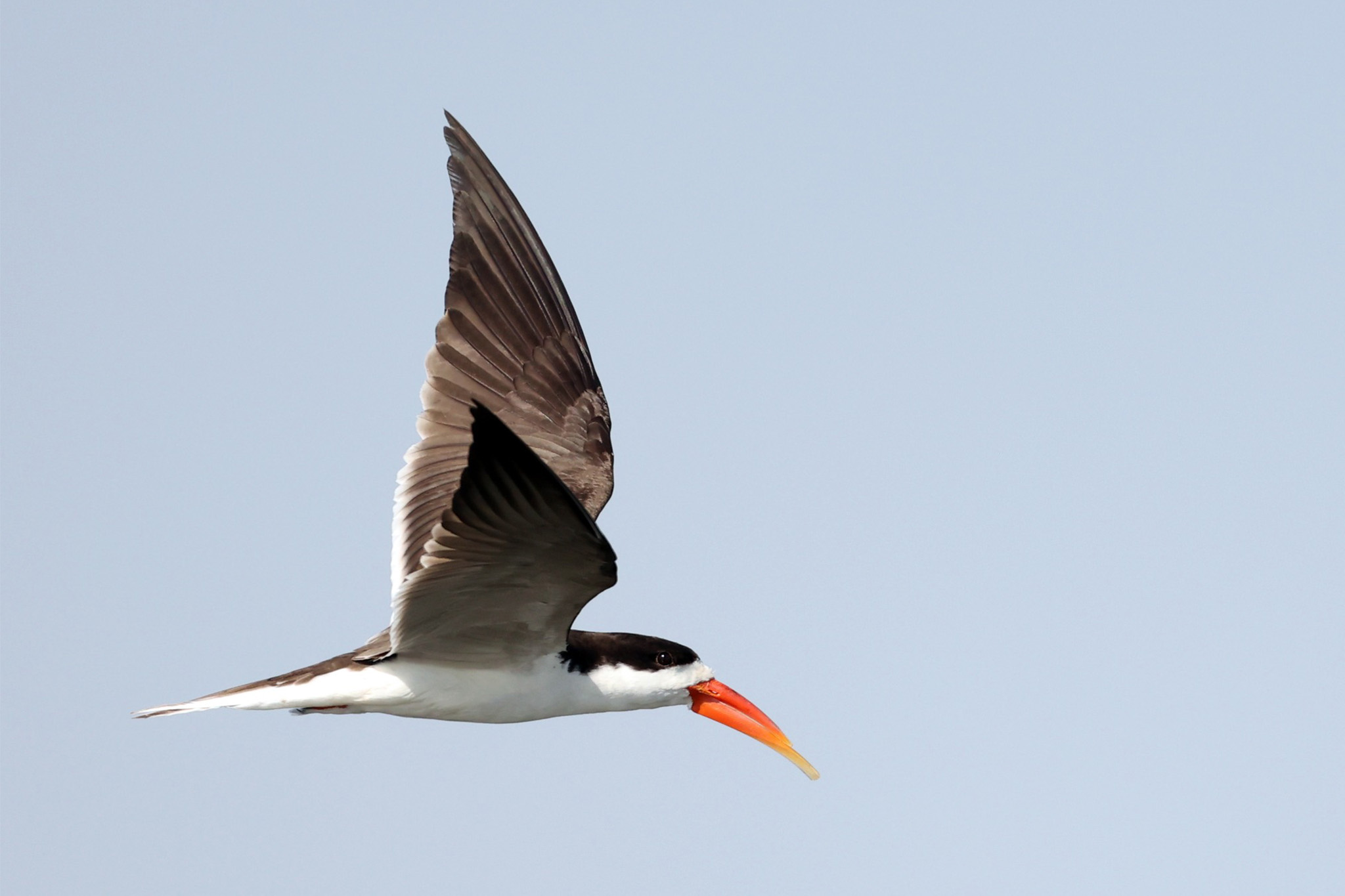
We saw an incredible array of birds of all shapes and sizes and added a whole bunch of rare beauties to our lifer list. Pairs of cute pygmy geese kept to the quiet waterways. African and Western marsh harriers scanned the reed beds for lunch. A half-collared kingfisher posed in the morning sunlight. A shy African wood owl perched next to our campsite. Brown firefinches foraged in the midday shade. African skimmers glided over the calm water. Newly-arrived Southern carmine bee-eaters chatted noisily as they gorged themselves on the morning insect hatch.

2. Learn to cast a fly

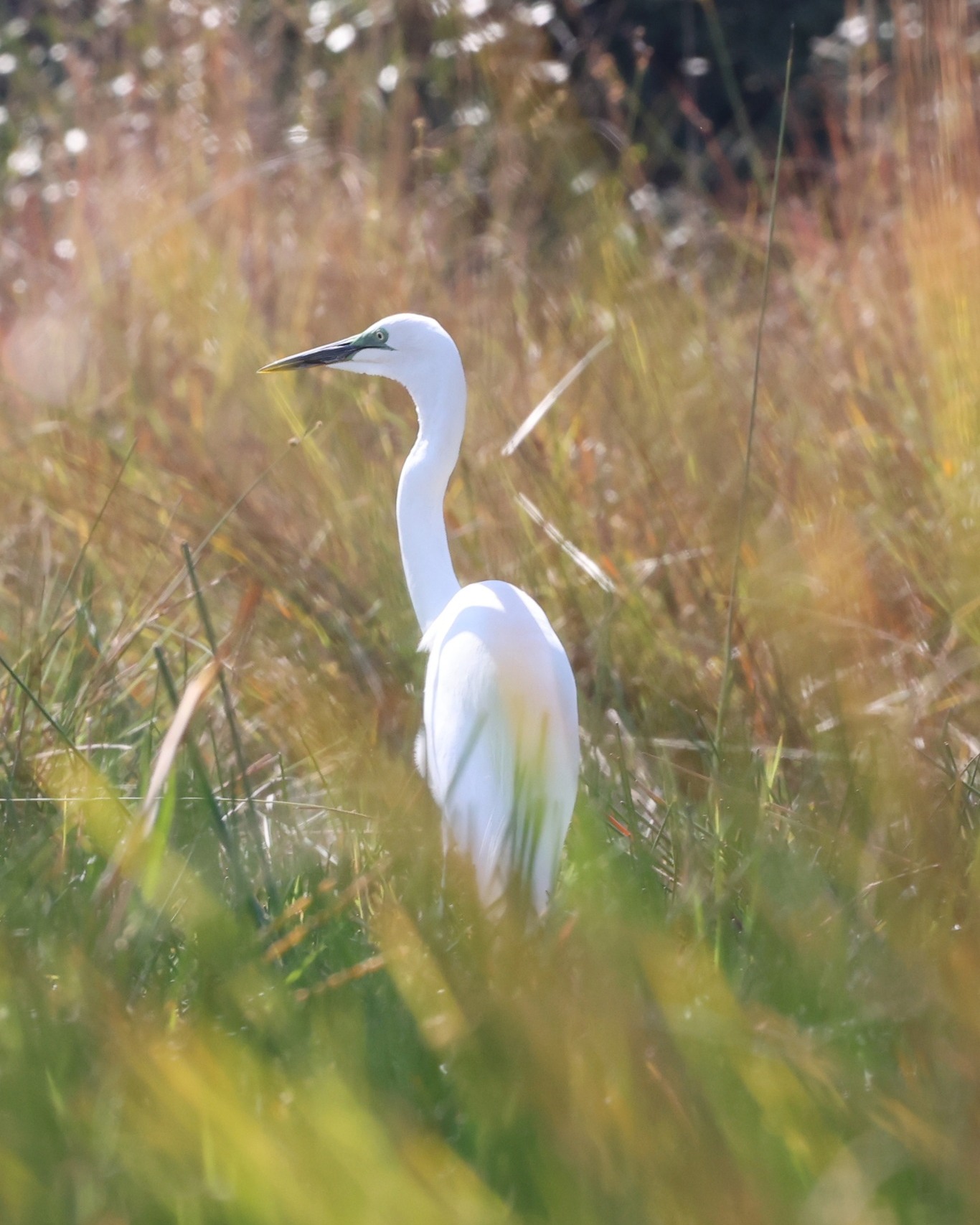
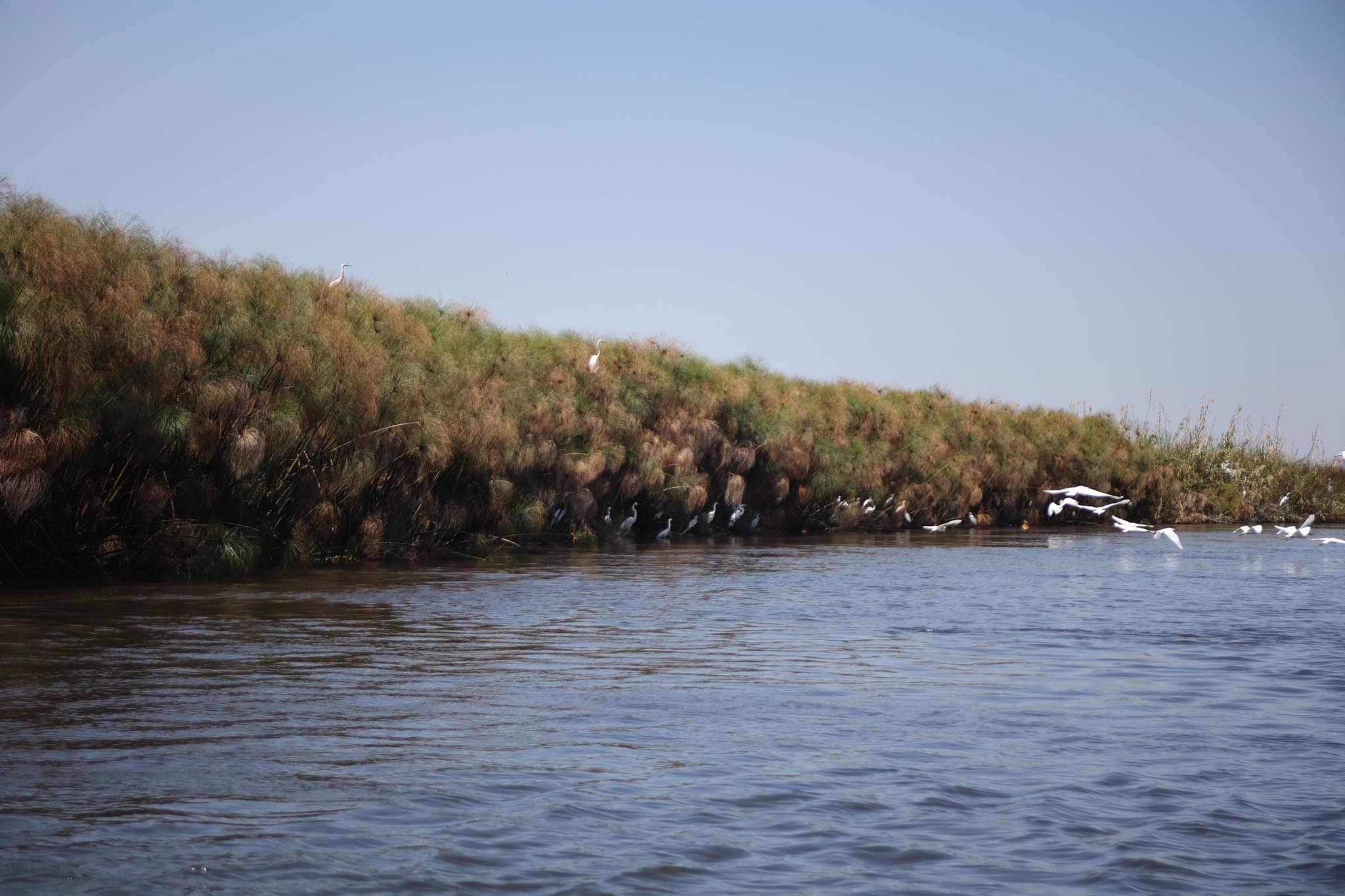
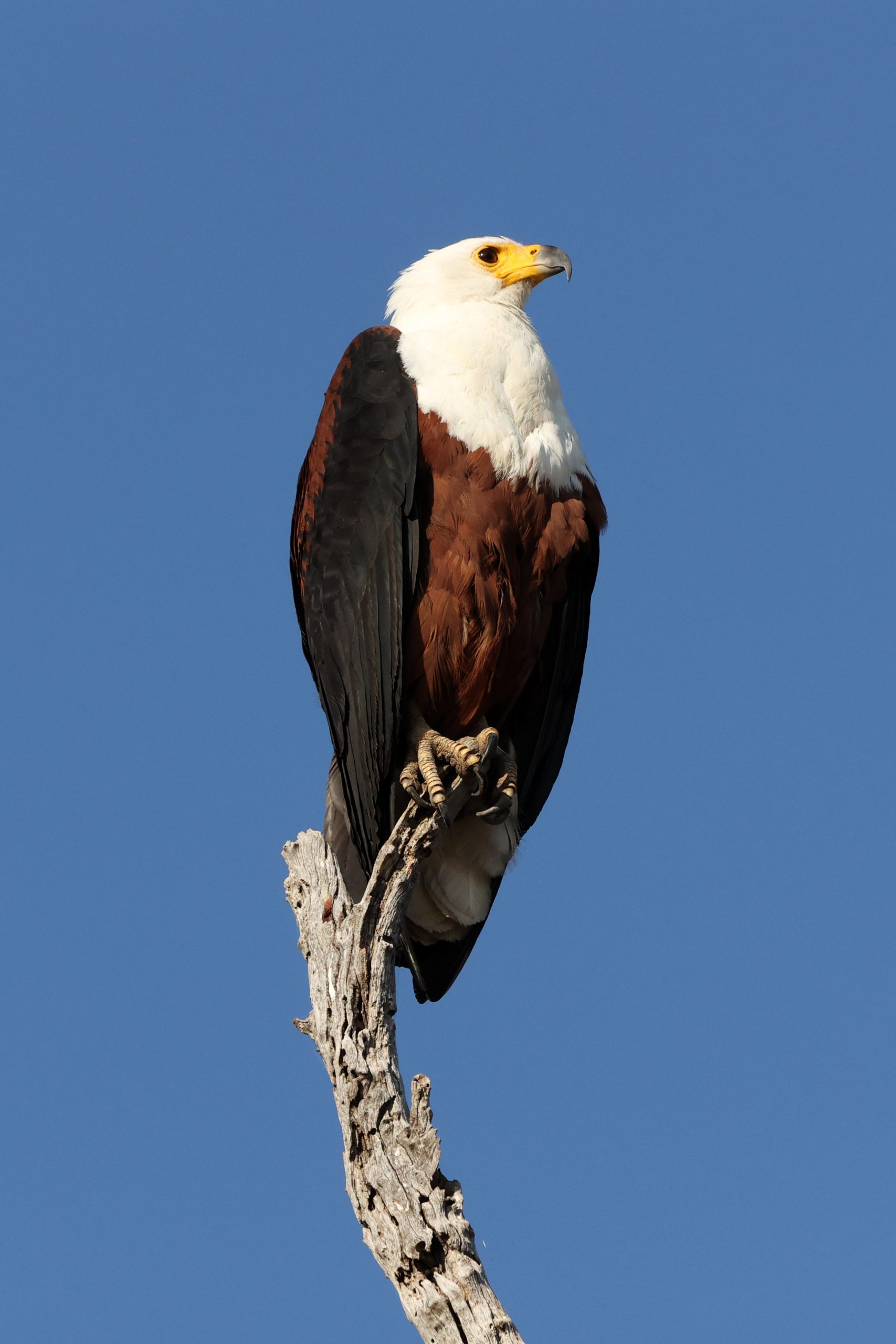
The single most popular drawcard for anglers to this area is the annual barbel run. This is a natural phenomenon which happens as flooding waters recede during the dry season. The security that high water levels offer small baitfish on the floodplains is removed, and they are forced to the main river channel en masse. Thousands of catfish sporadically crash through the papyrus to feed on the baitfish, creating a total feeding frenzy. Hundreds of egrets and herons line the reeded banks, fish eagles circle above like vultures, and in the channels our marauding friend, the tigerfish, patrols for escaping baitfish.

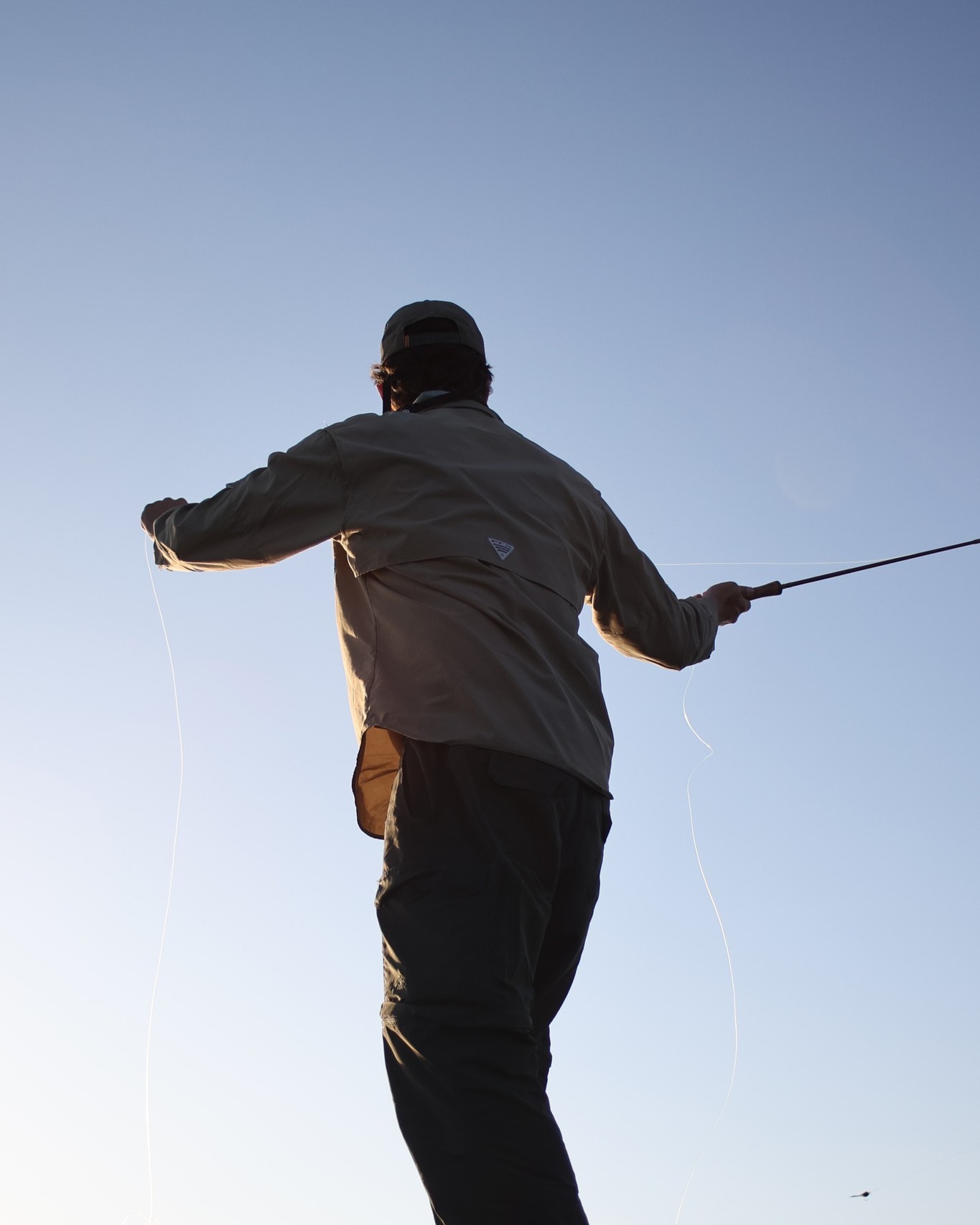
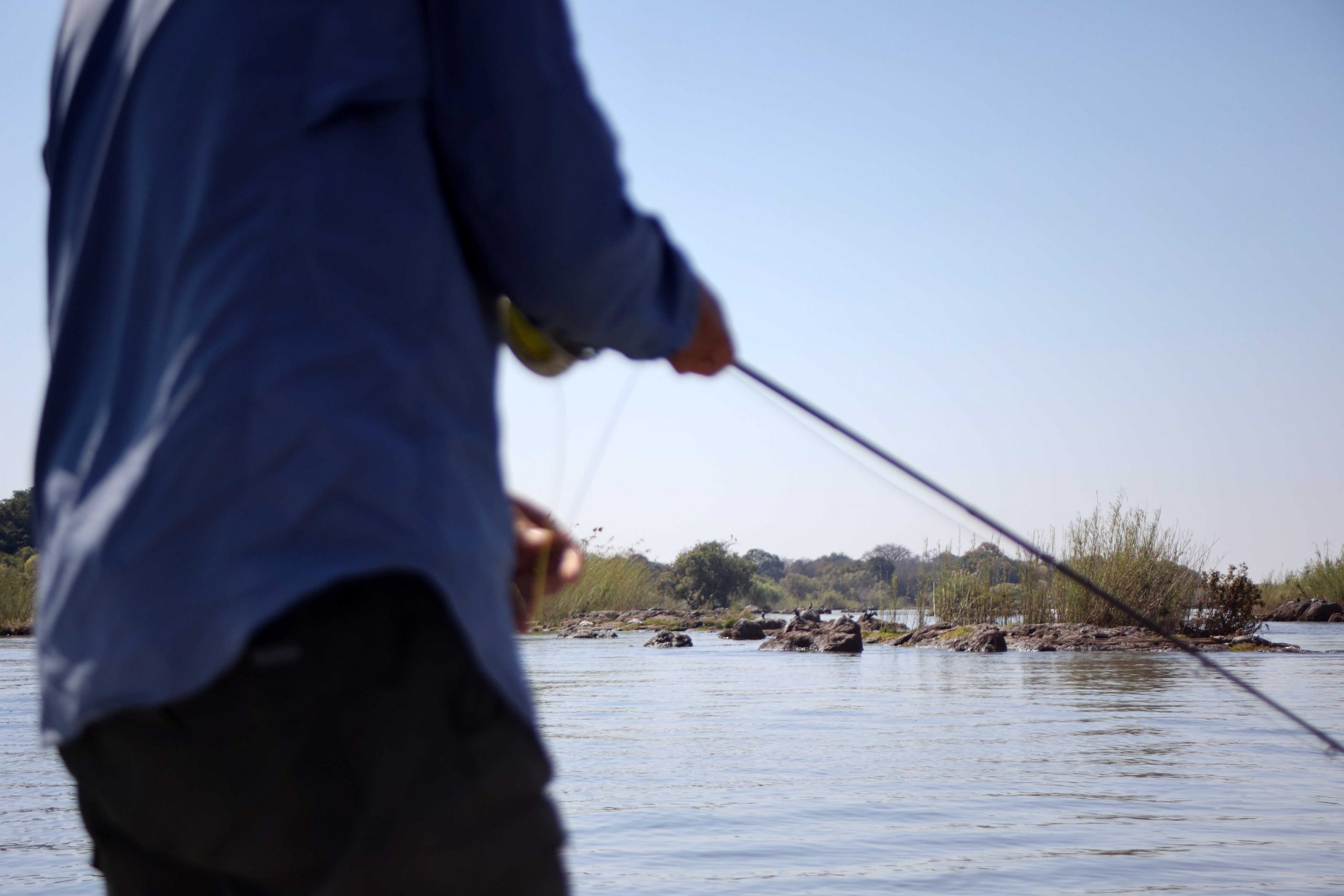
There is good reason why the tigerfish’s scientific name translates to striped water dog. The ferocity and raw power with which it attacks its prey (or your fly) is unbelievable and you better be ready when these dogs suddenly strike. We found that arriving with fly-casting arms trained, array of flies and traces tied, and suitable fly lines spooled gave us the best chance at decent tigers. We were lucky to find some of the earliest runs of the seasons and connected to several feisty water dogs in the 4 – 6 lbs range. Winning tactics were to cast as close as possible to reeds, get a dark and heavy fly down quickly and keep it in the zone – not that easy in a fast current. Fly fishing might not be everyone’s game, but we are convinced that not many things beat a day tackling toothy tigerfish with a fly rod while immersing yourself as part of the pristine Okavango.

3. Board the HMS Mokoro

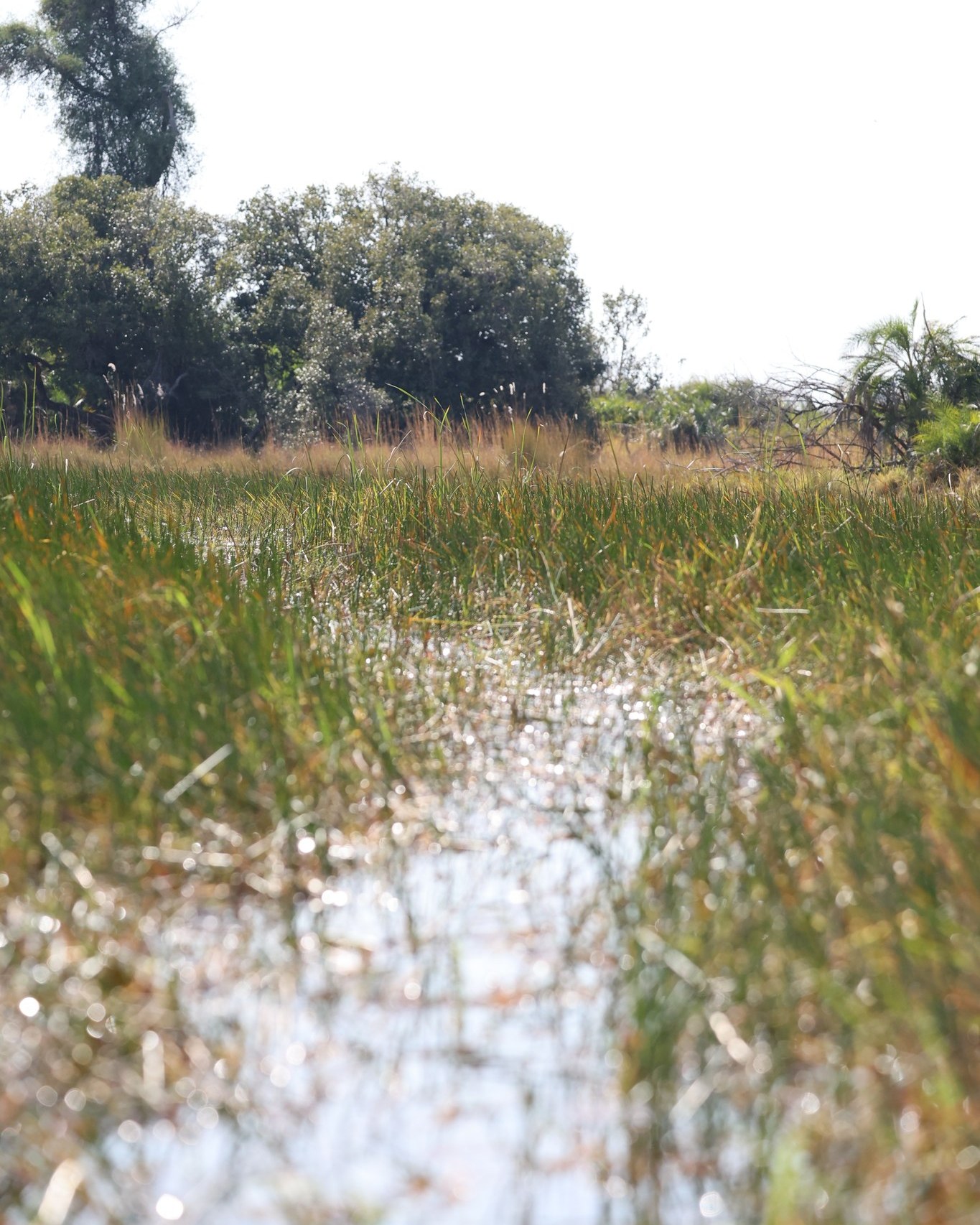
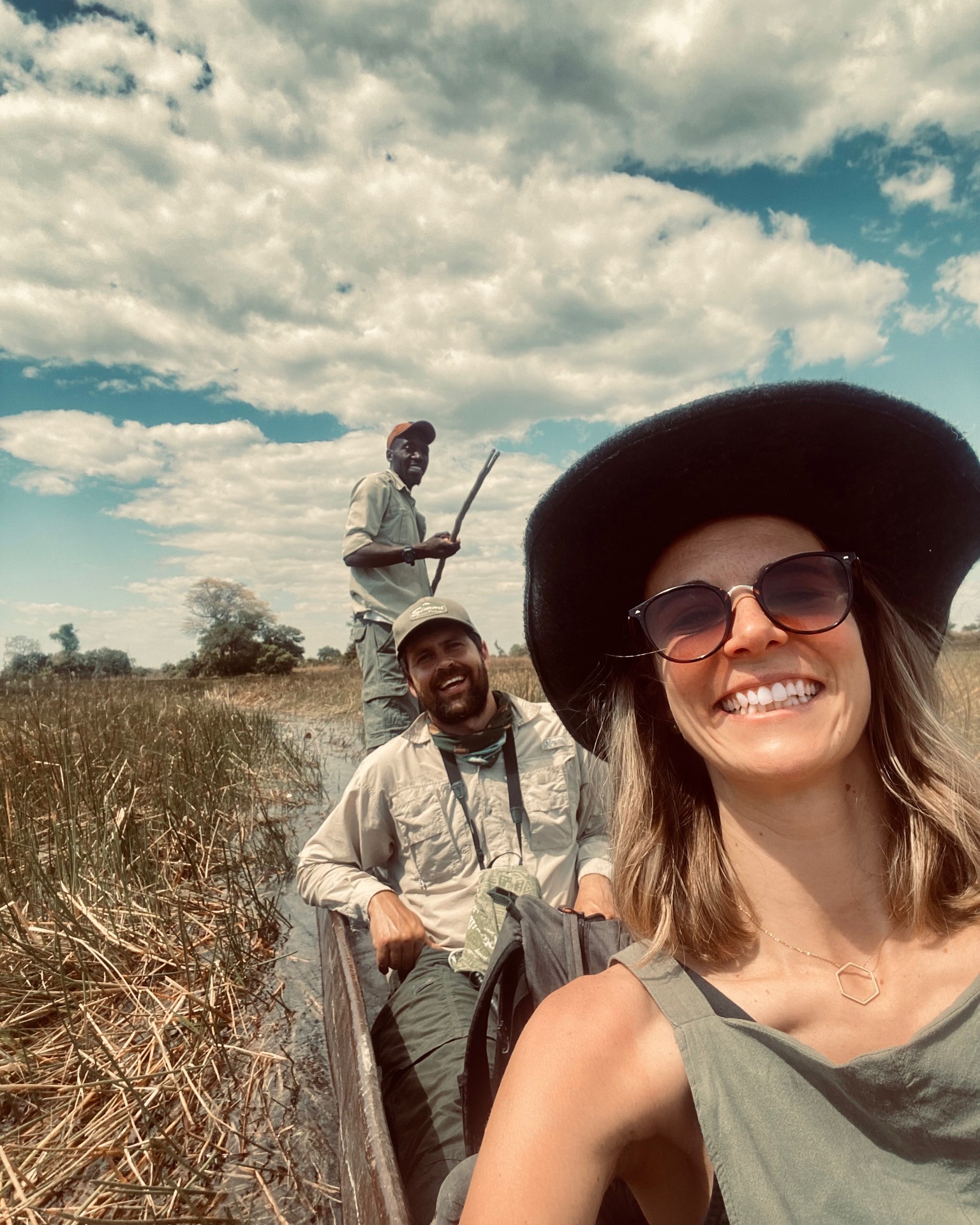
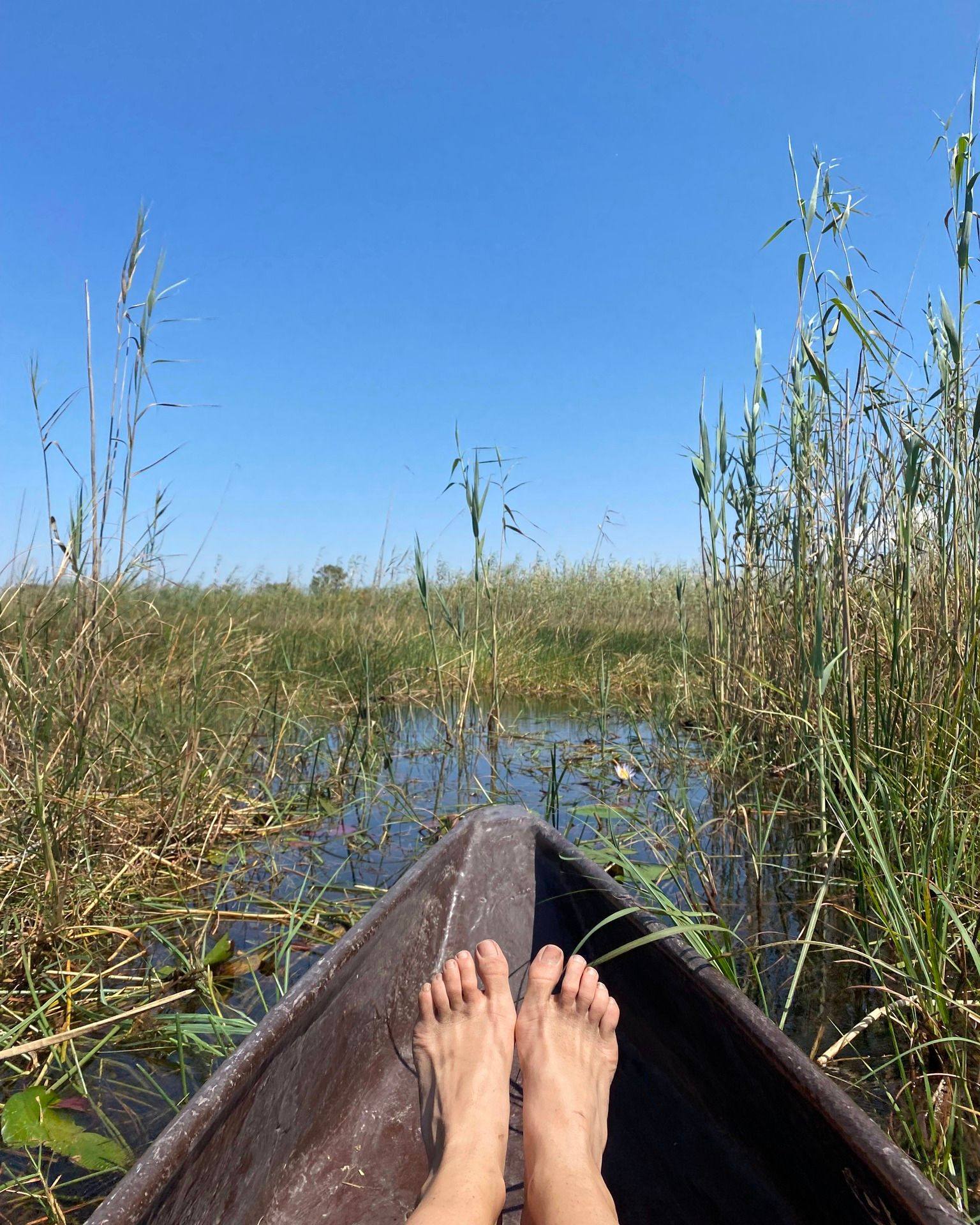
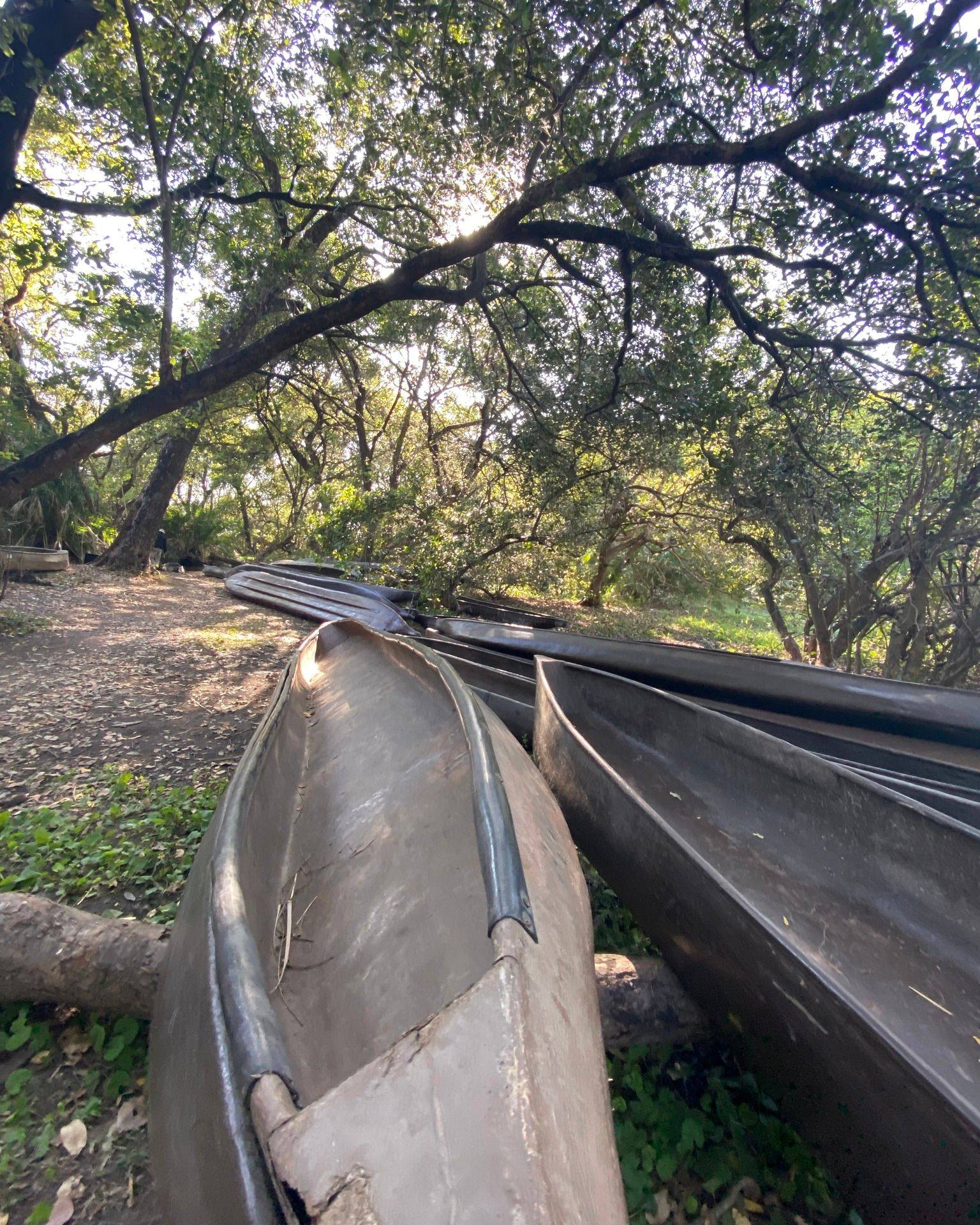
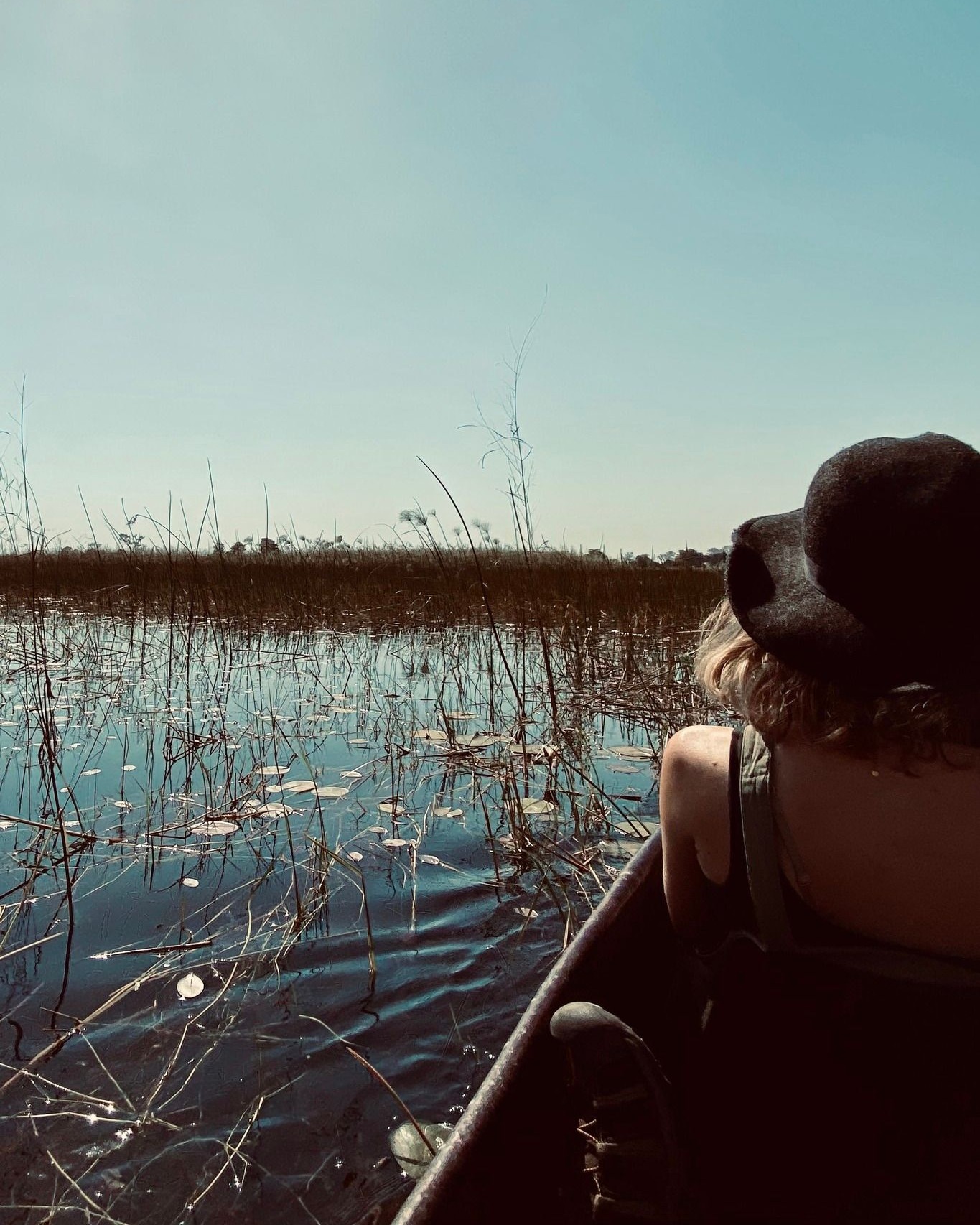
Yes, the pictures of tourists being poled around on traditional dug-out mokoro canoes do get splashed on every Botswana holiday brochure. We believe it is justified though – spending a day in one of these is simply amazing! The tranquillity of quietly floating through the papyrus and reeds, watching water birds at eye level, listening to the humming of bees pollenating water lilies and seeing through the crystal-clear waterways to the sandy bottom is an experience that cannot be emulated in any other way. Do yourself an absolute favour and get in a mokoro.

4. Consult the calendar

Depending on what you would like to experience, timing is key for an Okavango visit since the entire ecosystem is sensitive to what happens with the water levels. Subject to yearly fluctuation, in general the barbel run occurs from September to December so go in those times if angling is the priority. Birding is good all year around, but will be even more special in summer months of October to February when intra-African migrant birds are present. We visited late August when temperatures were warm but not intolerable, and both fishing and birding were beginning to heat up properly.

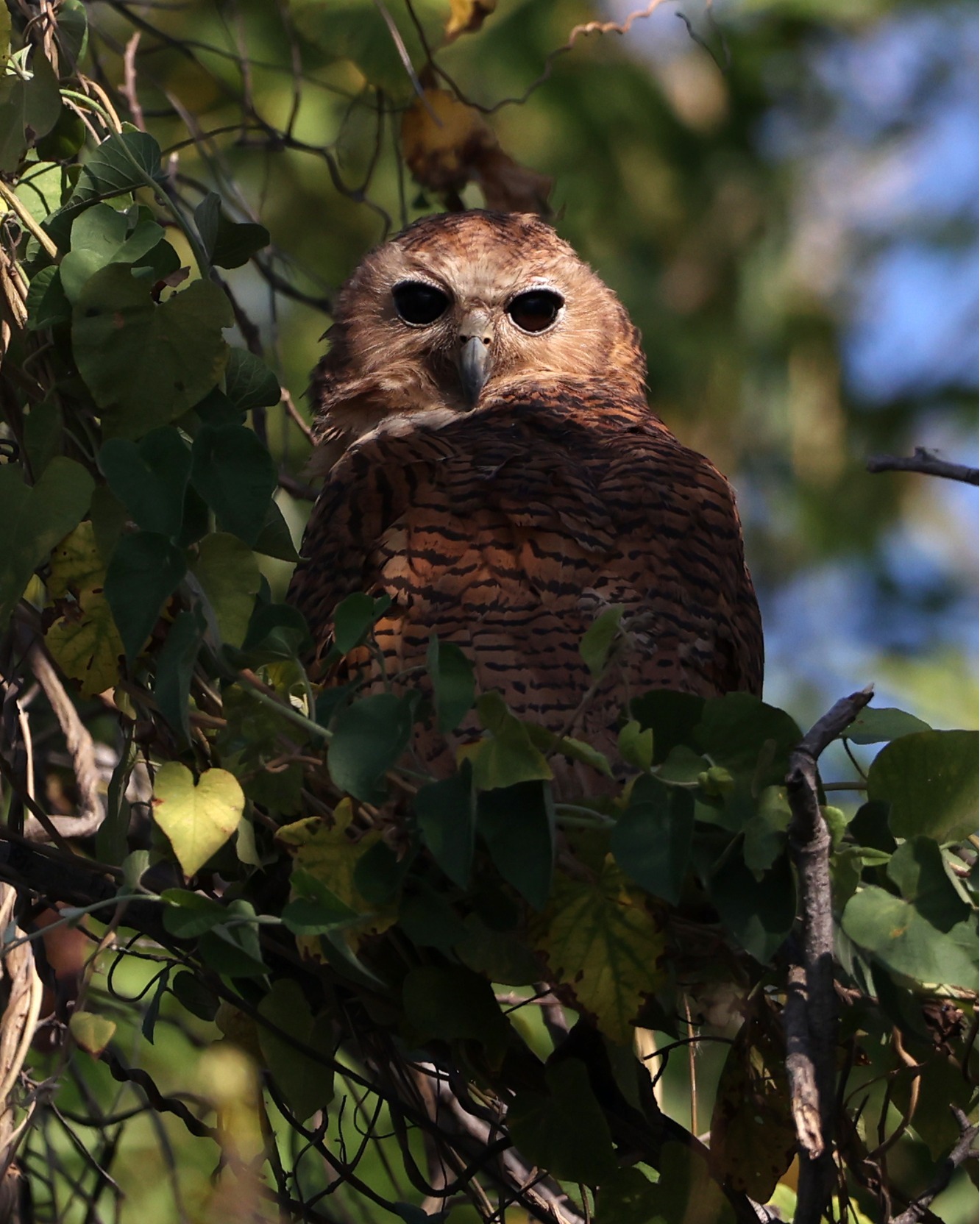
After the Pel’s fishing owl called for a third time at midnight, we fumbled clumsily out of the rooftop tent and sniffed around the campsite in pyjamas, searching every gigantic tree with a flashlight for a long time. It was evident that it had eluded us yet again and I turned back to the car. ‘There – he is looking straight at us!’ Simoné exclaimed. The Okavango River had finally come through! A beautiful mottled Pel’s right above our camp, staring at us with its deep black eyes. The next day we were even lucky enough to see two more near Shakawe.

Take the effort to make the journey, a little bit of homework and preparation, and a dash of good old-fashioned luck, and the Okavango will prove to be exactly the grand African spectacle that you have seen on BBC Earth. An absolute mecca not only for birders and anglers, but for anyone who appreciates the wonder and splendour of nature at its raw best.

Linked by Leadwood

Linked by Leadwood

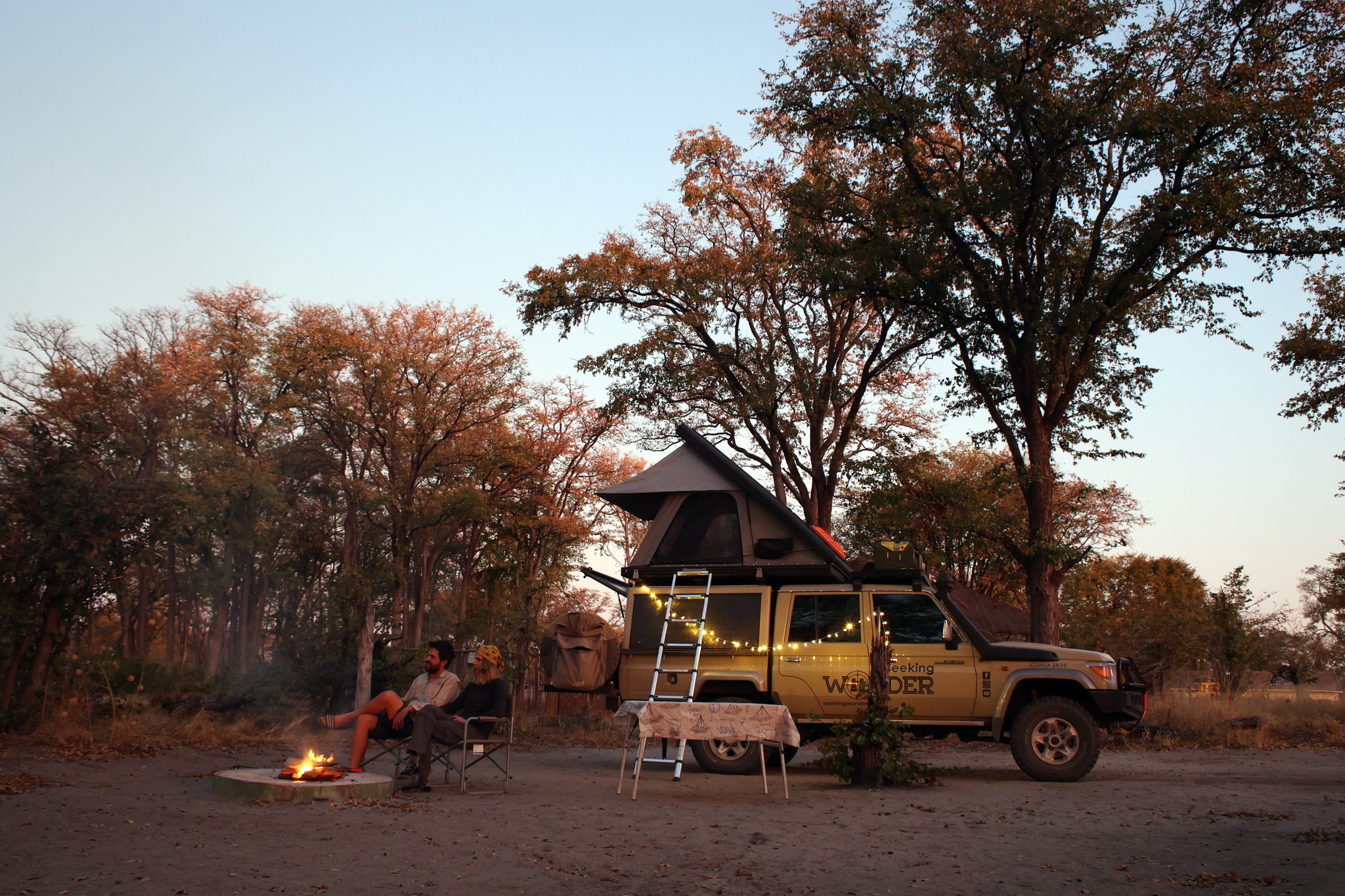
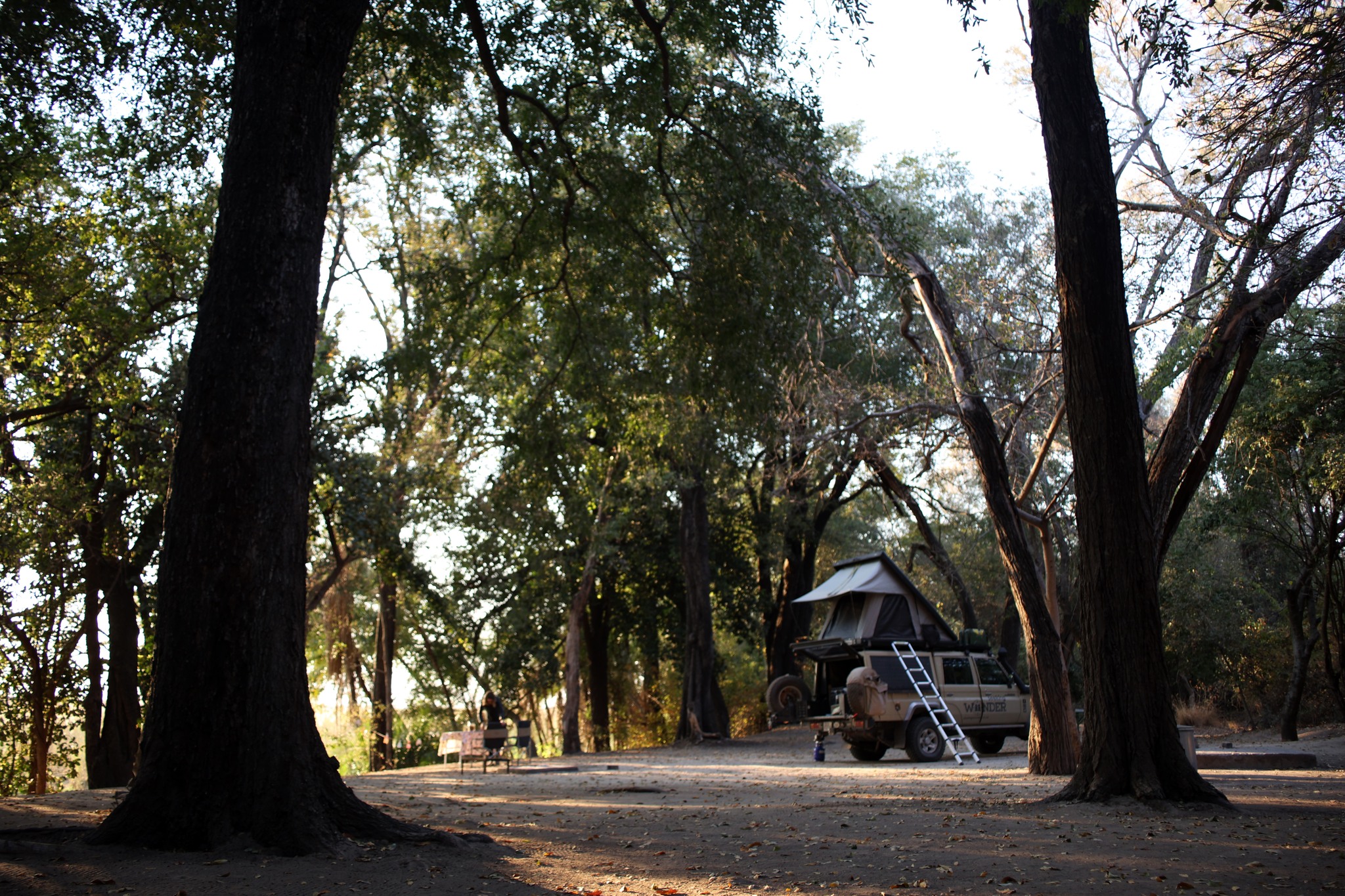
The moonlit silhouette of a male leopard was standing a mere five meters from our tent. This tomcat was on his routine patrol and thankfully gave us a heads up by calling intermittently enroute. It was difficult to contain our excitement of being so close to this special creature as he walked by in the early hours of the morning. Our Magotho campsite was beautifully wild, set in Botswana’s Khwai Community Area. Shaded by that tall and stately old king of the combretums, the leadwood tree, it overlooked the lush Khwai river. In fact, it is a so-called overflow extra campsite we had to use after our booked spot was double-booked – something which presumably happens quite often judging by the number of them and the various disgruntled overlanders we met. But sometimes things happen for a reason. Our leopard certainly did not mind it not being an official camp, and neither did the wading elephant bulls the next day or the grazing hippos the night after that.

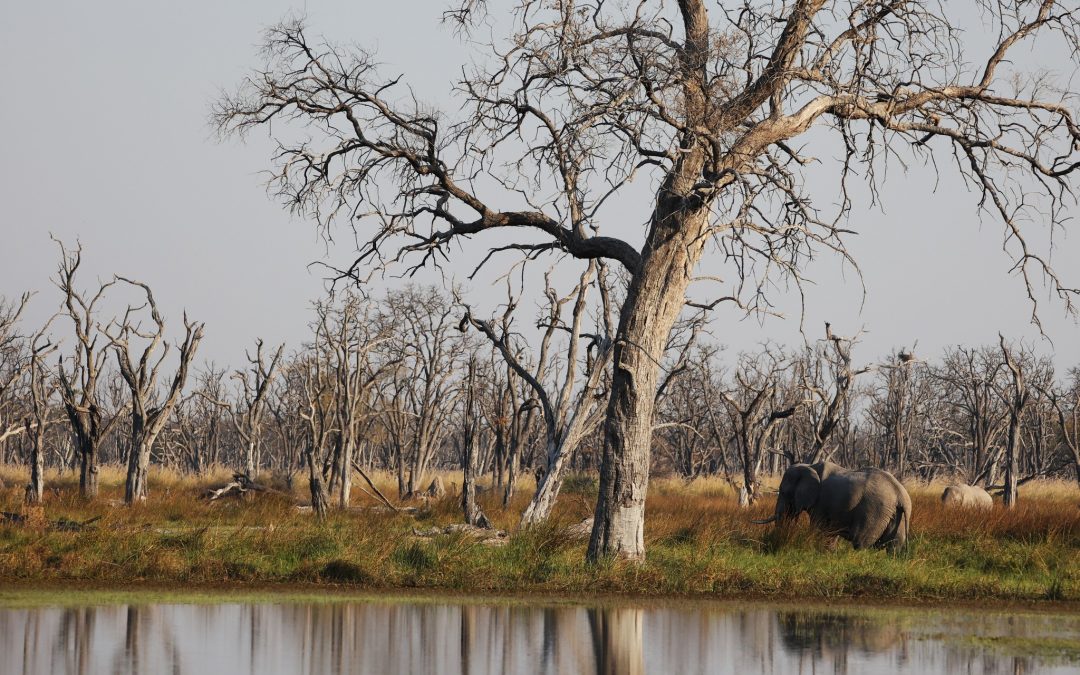
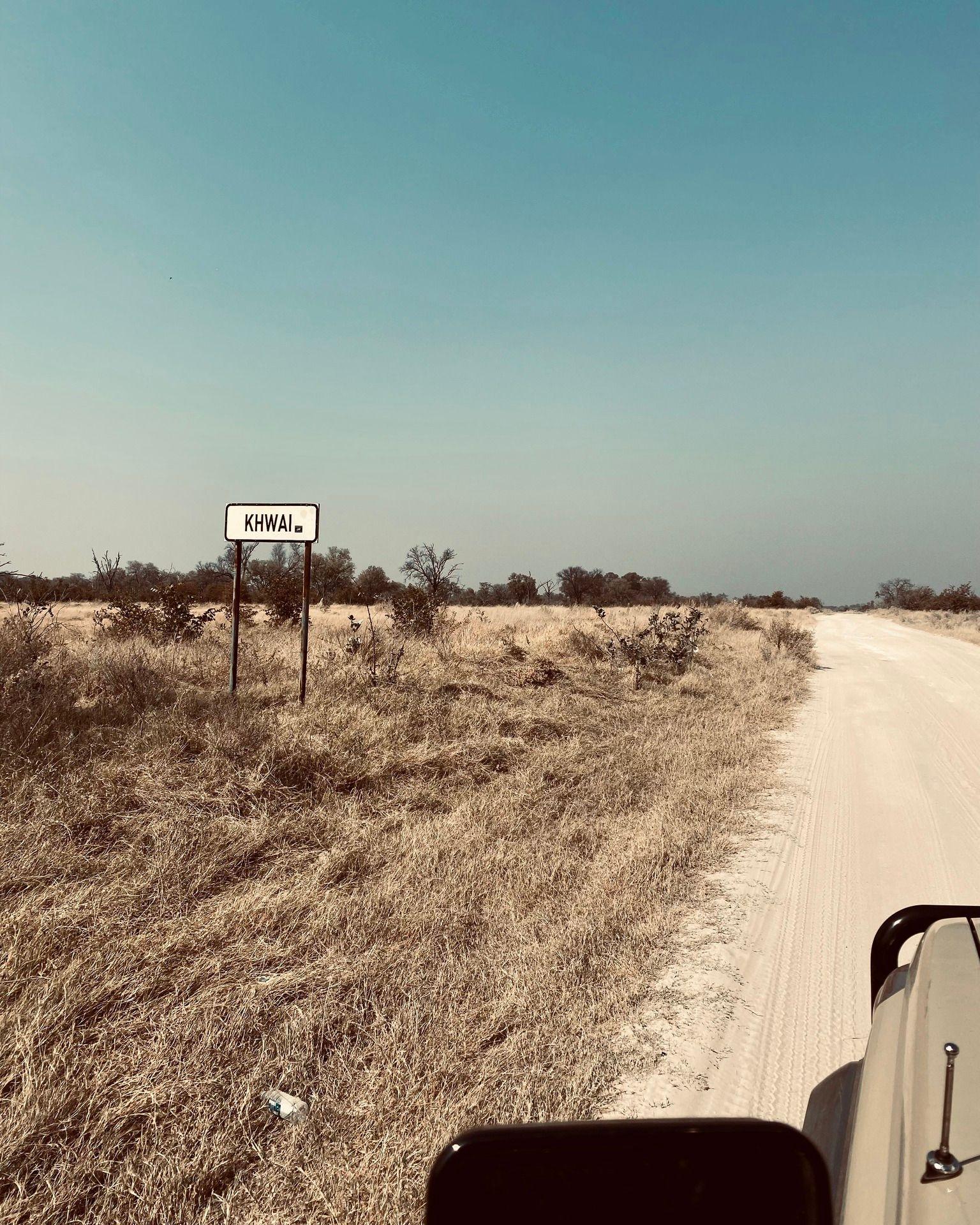
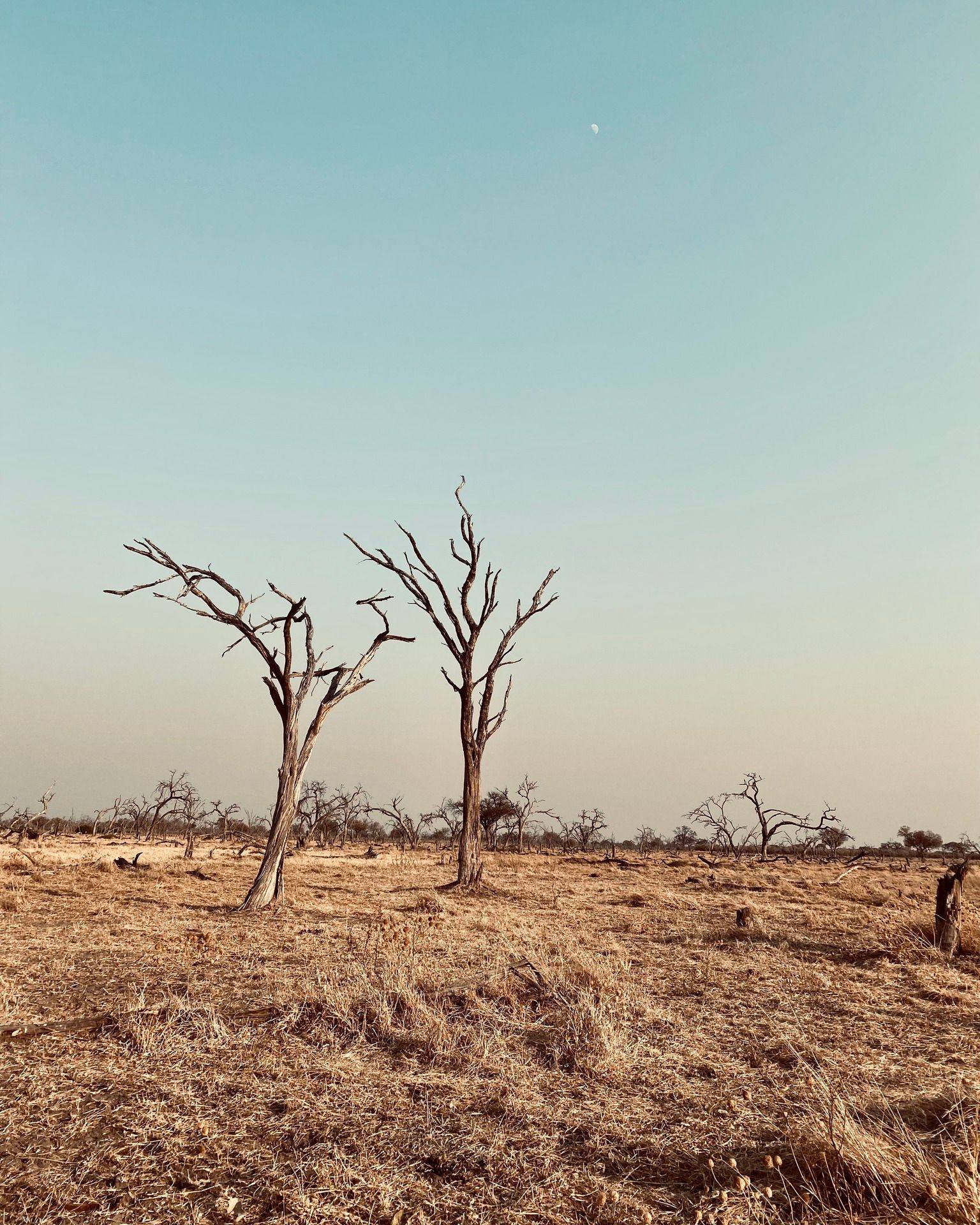
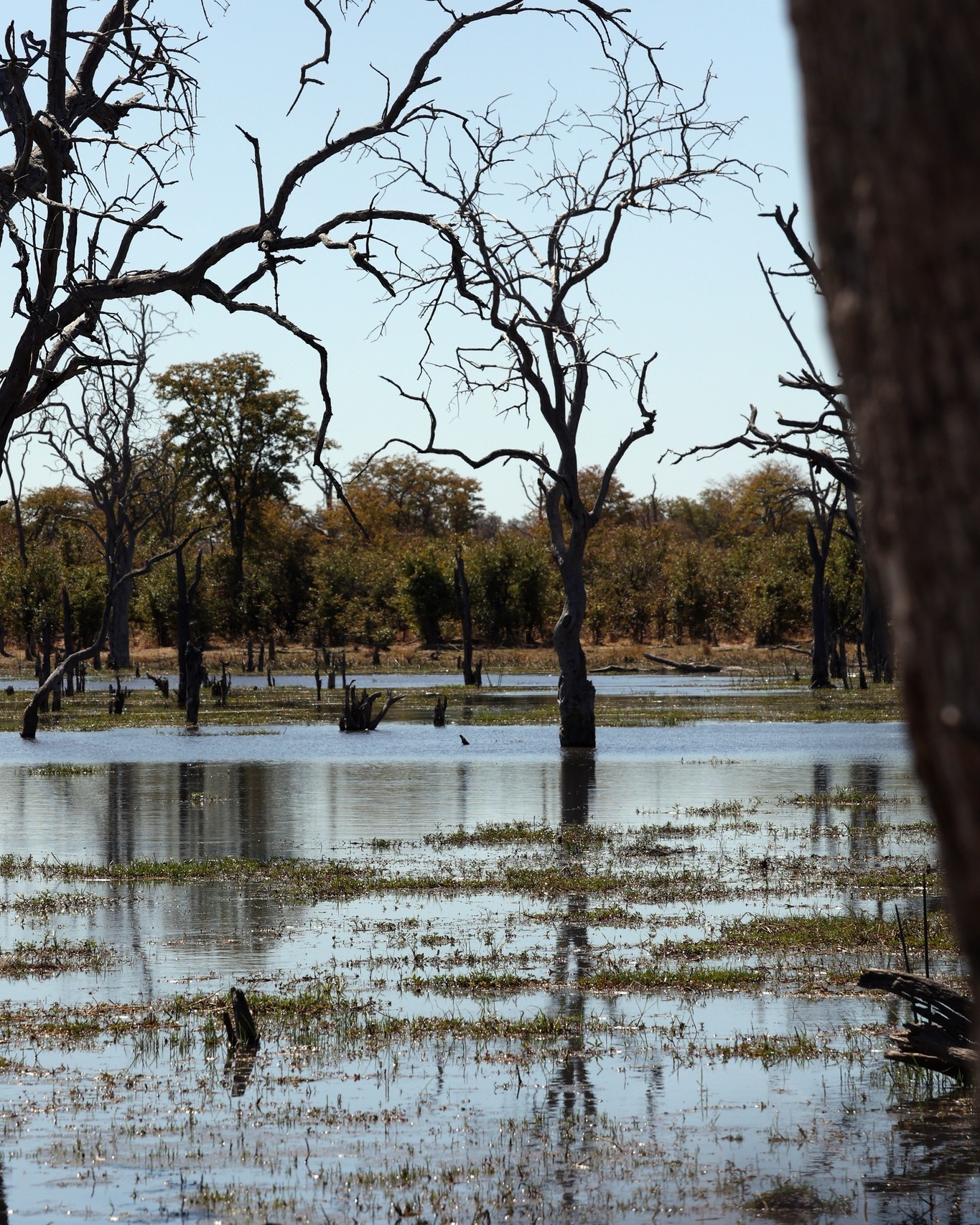
Khwai is community-owned land wedged between Chobe and Moremi. Entering the area for the first time is strange. No park gates with elephant skulls, flag posts and gate times. No park fees or overpriced wood bundles. Not even one of those dusty sign-in registers. Yet, and maybe in part due to this, you experience a sense of true wilderness. Driving towards the Khwai Development Trust’s Magotho camp on one of its deep sandy roads, we found a large open glade – a veritable forest of dead trees – again mostly our friend the leadwood, showing how it can continue to stand firm for up to 80 years after it had died. A lonely elephant bull welcomed us and showed us our campsite like the caretaker, walking slowly through the dead trees with the African sun setting behind it.

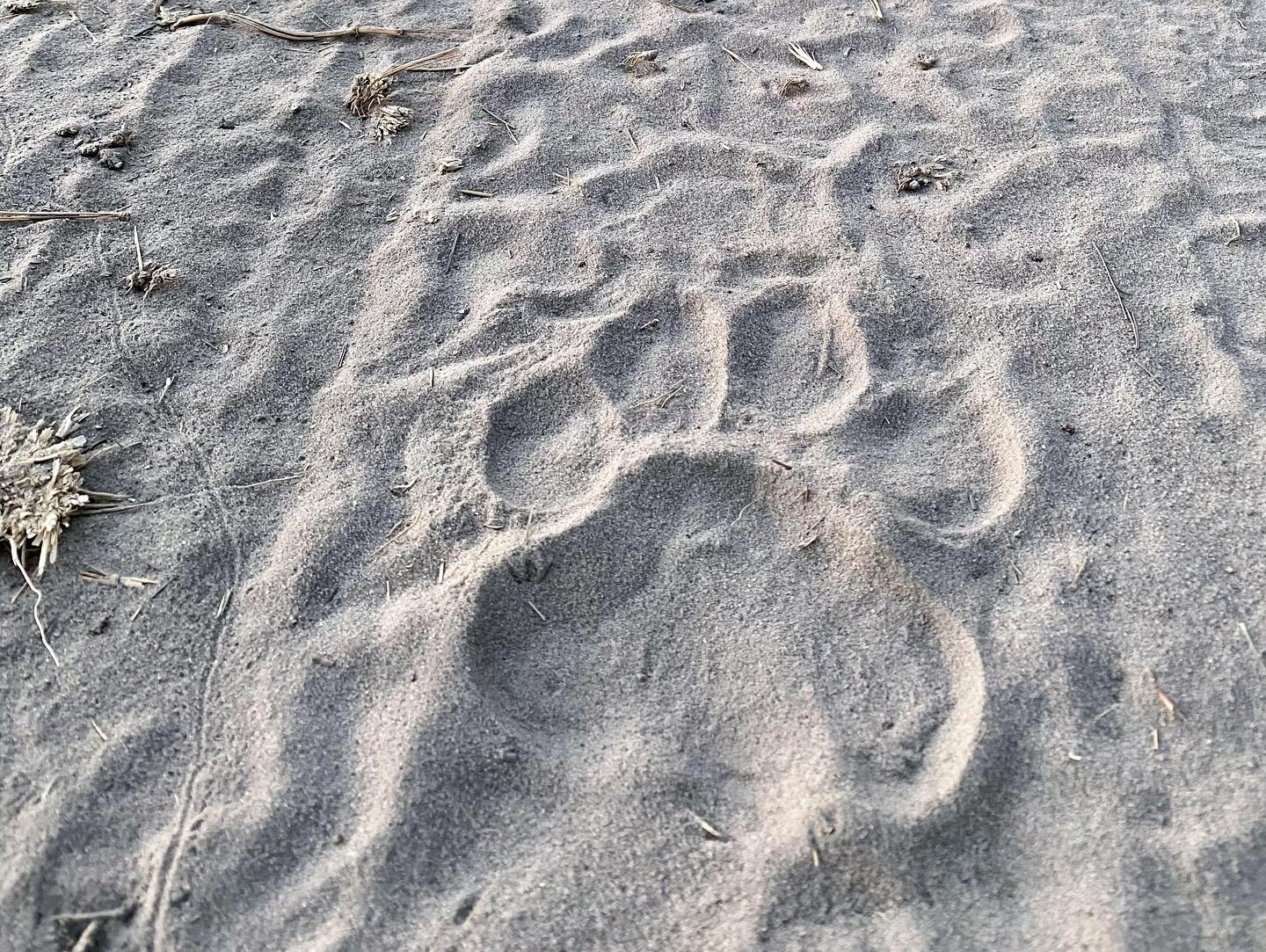
Over the next few days we started to understand why some people come here for a month at a time. Dawn was announced by a pair of fish eagles and multiple groups of roaring lions, the tracks of which we found around camp most days. An early start saw us having coffee and rusks next to a beautiful stretch of river, watching the sun rise in the East and trying to get that shot of a hovering pied kingfisher. We explored the intricate network of bush tracks, many of which unceremoniously cross through the river. Unlike the 1957 film’s title suggests, there definitely is no bridge over this River Khwai – at least not near Magotho.

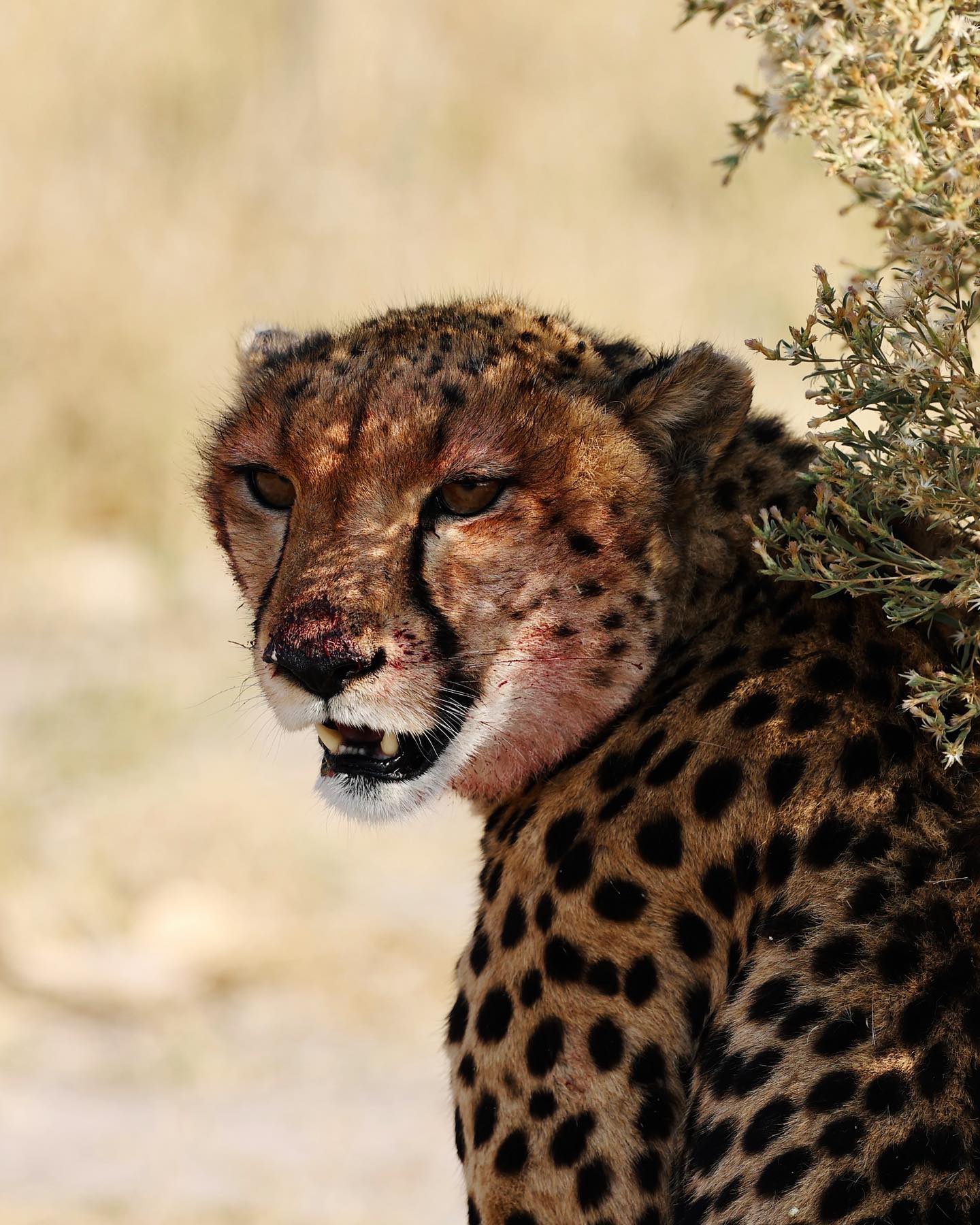
We saw wattled cranes and a rufous-bellied heron for the first time, something which I suspect excited us way more than the jeep jockey and his group of pale-faced tourists, judging by their ‘but it’s not a lion?’ expressions. We had the rare experience of getting up and very close to two cheetahs with their fresh impala breakfast. Hearing sinews torn and flesh chewed while almost touching these magnificent creatures is deeply impressive. We were even (un)lucky enough to (accidently) choose the exact same spot as two lions to get out for a quick bathroom break. One is humbled when, shortly after said ablution has been completed, fellow tourists arrive from the front and fix their cameras on the lions that subsequently proceed to emerge from their nap behind the mopanis, uncomfortably close to where one has just made a puddle. 

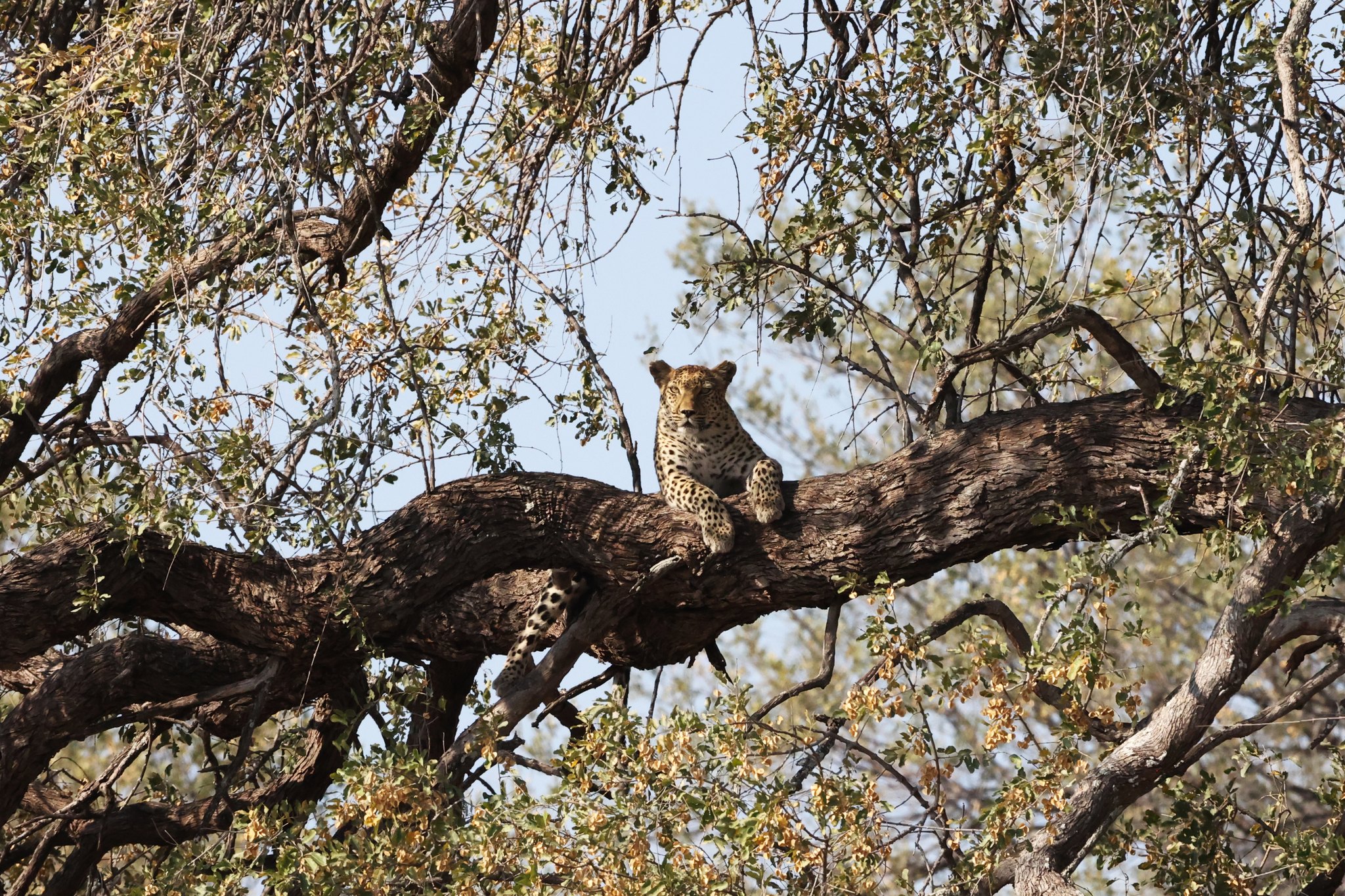
On our last day, while catching up on some admin, we shared our remote office space with a leopard. This beautiful feline took a cat nap high up in a – you guessed it – leadwood tree. She allowed us to sit under her tree for almost four hours. Witnessing her periodic shifts, her gaze at a herd of elephants passing underneath and her irritation at the alarming squirrel nearby felt like we were invited into this cat’s leadwood lounge.

We shared many wonderful experiences during our time in these fascinating leadwood-filled places, and above all we were privileged to catch a glimpse of a connection with the creatures and particularly the predators here through close and very personal sightings. There is an ancient and definite connection between all living things. The Ovambo people has a deep-rooted respect for leadwoods and believe that these protected trees are the common ancestors of both humans and animals. If Moremi and Khwai are anything to go by, we suspect that this might just be true, and that perhaps humans can pay more attention to their end of the link.

The Charms of Chobe

The Charms of Chobe

Tourists! Flocks, herds and throngs of them. They always seem to congregate in places filled with luxury lodges, curios shops and high speed wi-fi. More often than not, these upmarket drawcards are in postcard-perfect locations marketed worldwide as the place to spend some dollars. Botswana’s Chobe National Park and its immediate surroundings is exactly such a place. Naturally, we try and avoid places where game-viewer vehicle rush hour traffic is a thing. However, there is likely a reason why this area is so popular, so we did our best to find out why, looking beyond the main tourist trail to explore the various facets the area has on offer. Here are some of the adventures we enjoyed.
Not your average booze cruise

Starting off strongly on the tourist trail, a cruise on the Chobe River is highly recommended. Forming the border between the park and Namibia, this unique river system joins the Zambezi at Kasane just outside the park and can flow both into or out of the Zambezi depending on flood and rain levels. It is an absolute haven for wildlife in an otherwise rather dry park, and birds flock to the floodplains, islands and waterways in their thousands to breed and feed. One has to put up with many other boats filled with straw-hatted Karens more interested in the cooler box, or swivel-chaired retirees wielding 800 mm lenses to presumably photograph bird eye balls (yes, we are jealous). However, it was still very much worth it.

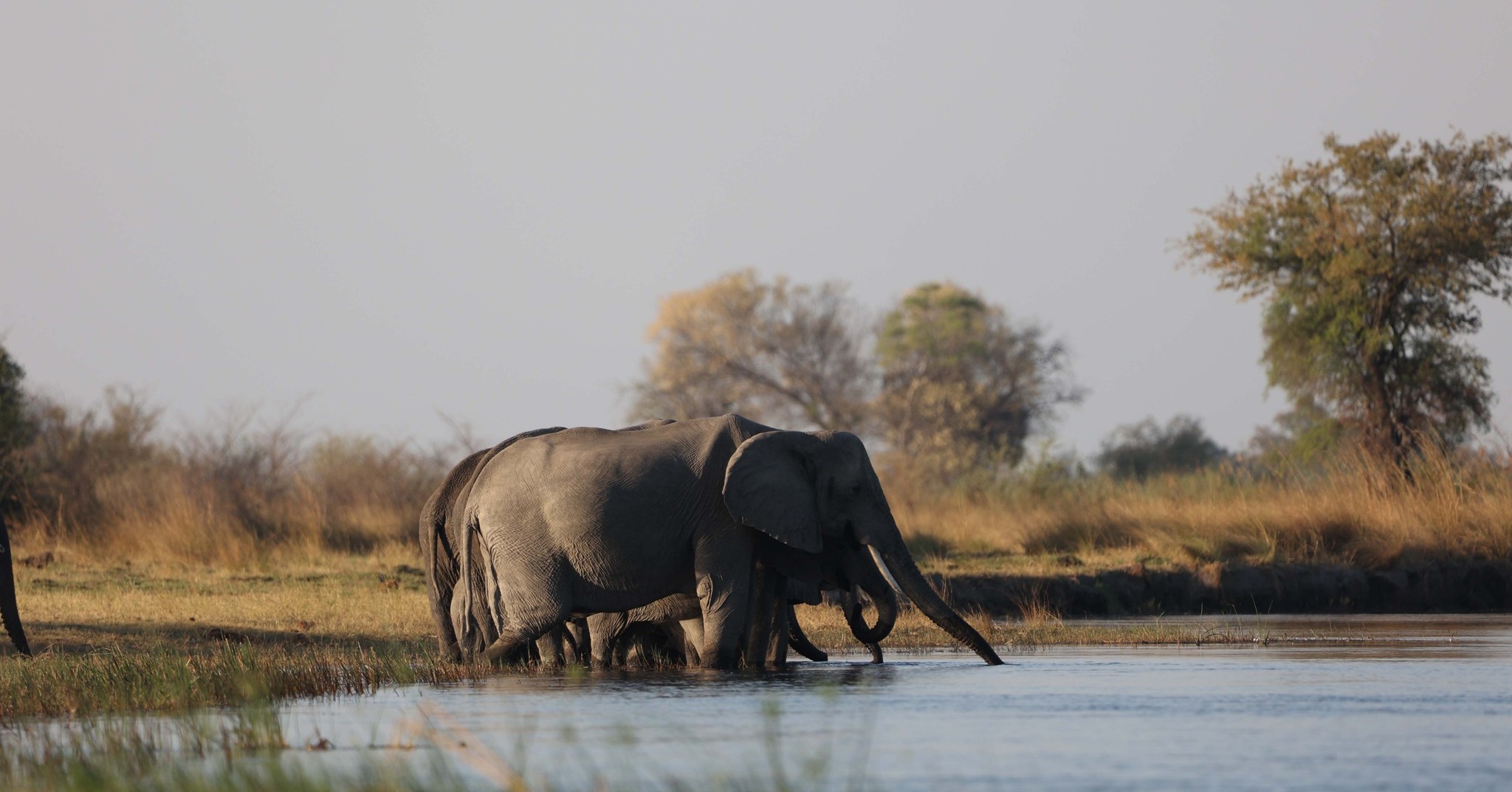
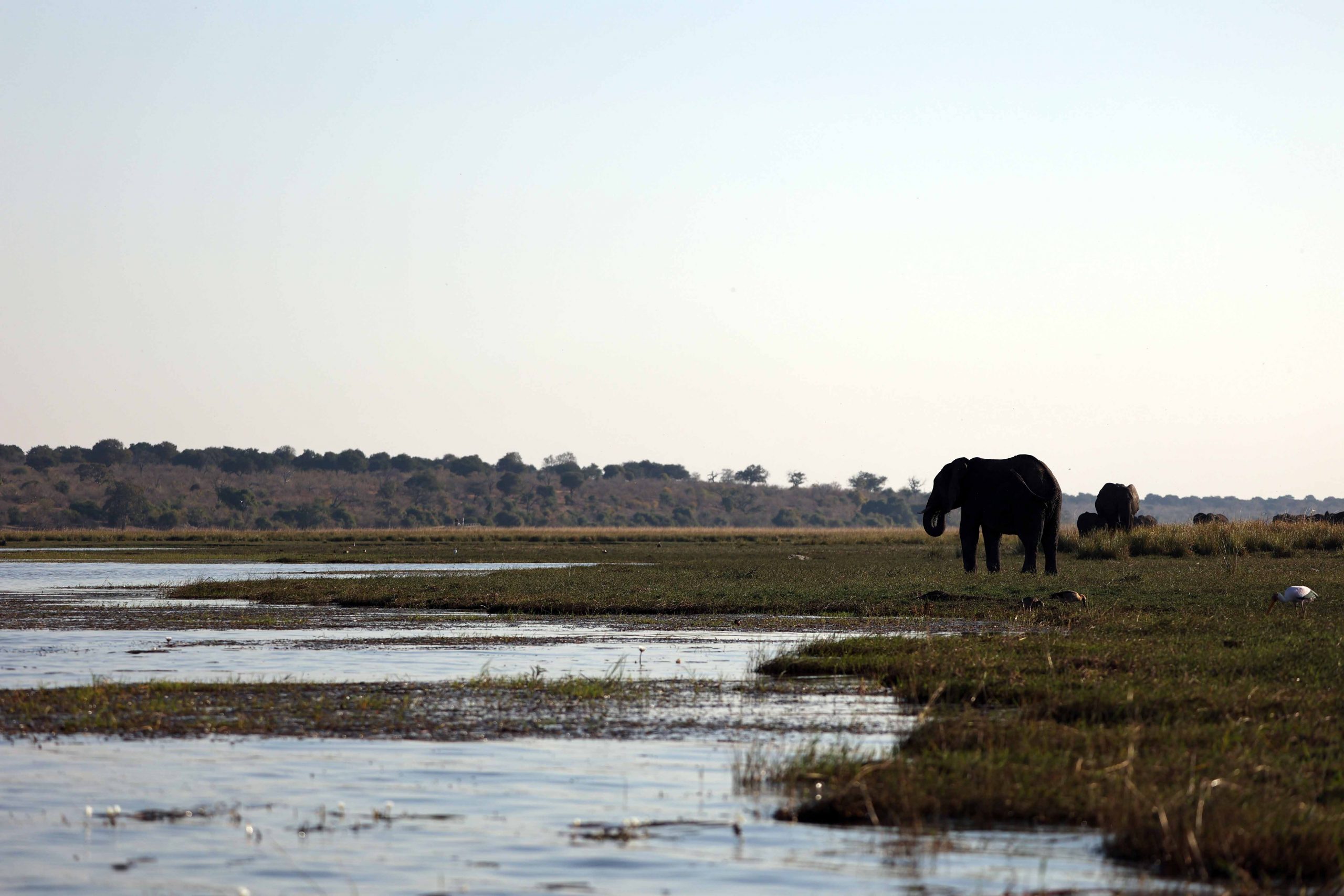
We saw herds of drinking elephants closer than we ever dreamt possible – no 800 mm even needed. Water-loving red lechwes lazed about on the weeded margins and even a few puku, their scarcer cousins, put in a guest appearance. Masses of buffalo sloshed through the flooded islands with yellow-billed oxpeckers and egrets in attendance. We saw wonderful birds new to us, such as rare long-toed lapwings, oddly shaped collared pratincoles, agile African skimmers, and black egrets playing ‘night time day time’ in the shallows. Fish eagles, kingfishers and a plethora of storks posed patiently for us, as if to ask ‘did you get my good side?’.
Drive on the wild side

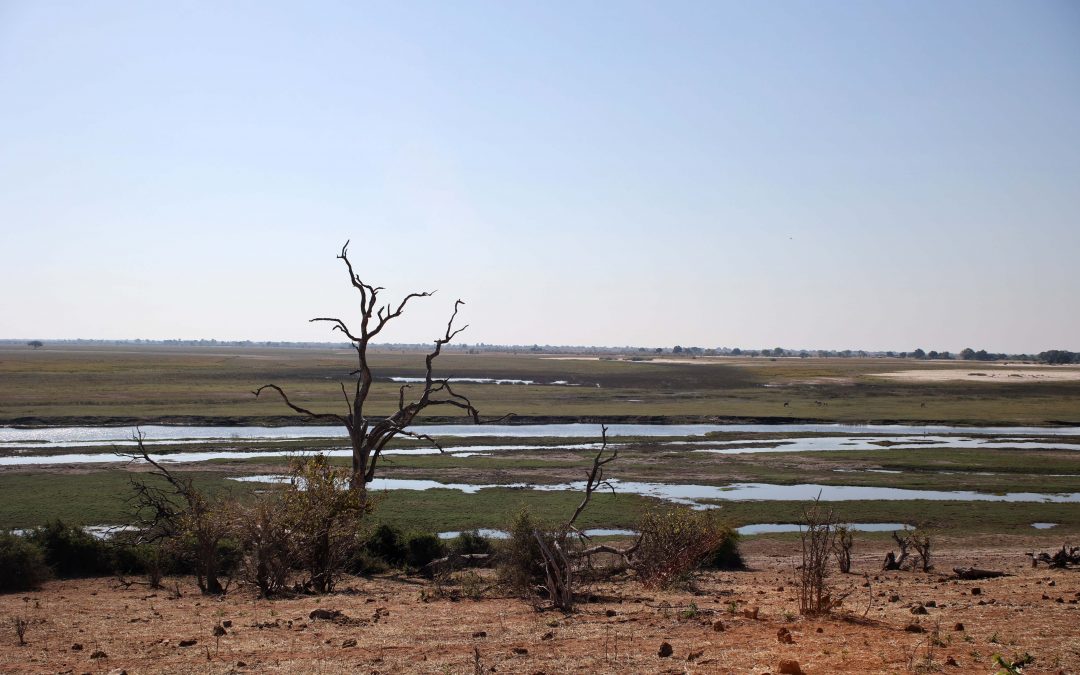
We opted out of the 3-hour organised game drives and instead made our own self-drive day through the river section of the park, not only to make the most of the day but also of the exorbitant park fees that escalate faster than the South African fuel price. While having our morning coffee next to the river, we waited for the dust clouds left by the convoys of Ferrari safari vehicles to settle. We then slowly made our way along the river, taking the little detours and sampling all the viewpoints. It became obvious that the Chobe River is equally spectacular from land for different reasons. Great white pelicans fishing in groups, an Ovambo sparrowhawk plucking its kill, and a swamp boubou calling from the thicket. Bradfield’s hornbills working the sandy ridges, African yellow white-eyes cheerfully flying between flowers, and a white-browed coucal hopping through the grassy shrubbery. And these are just a few of the highlights!

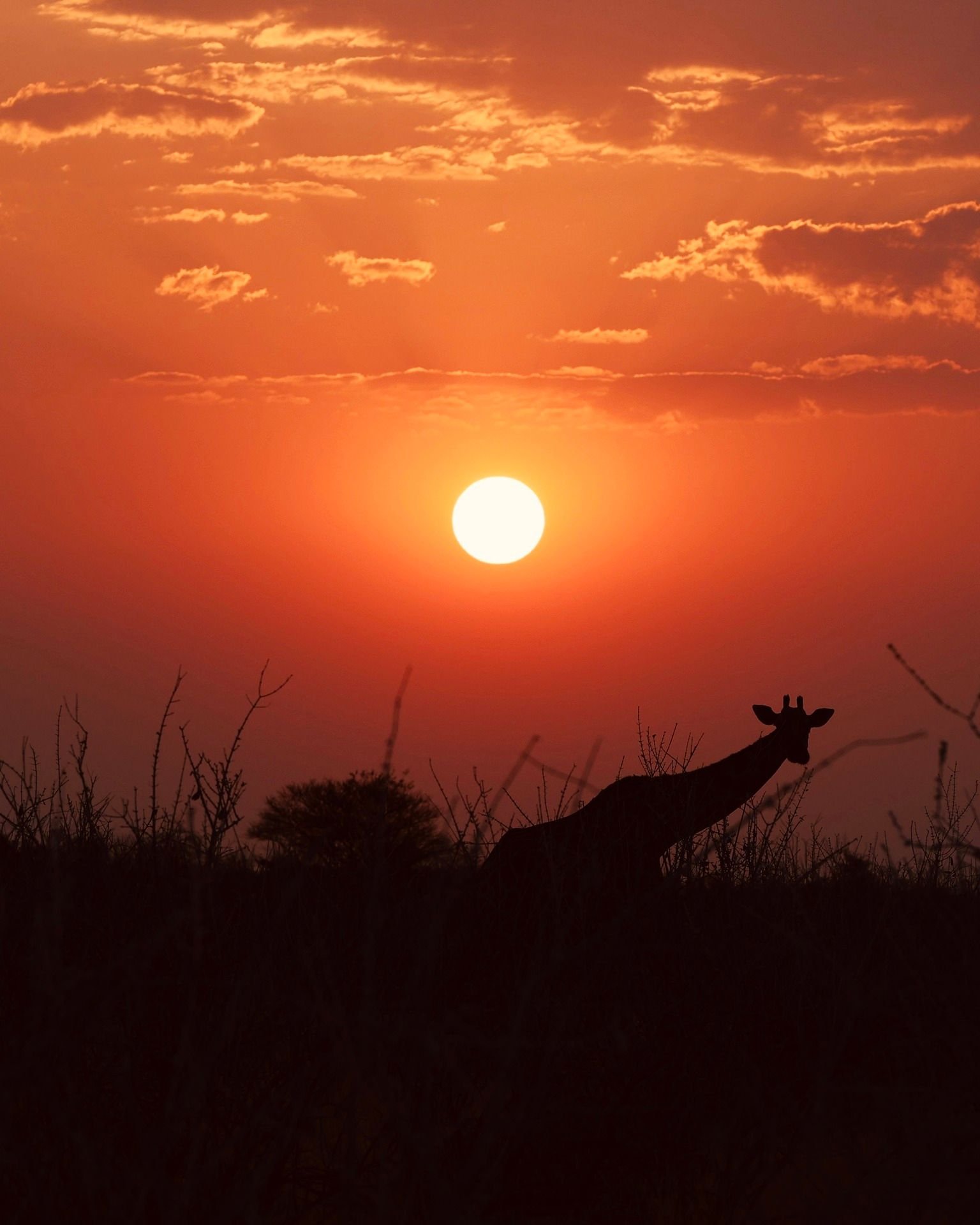
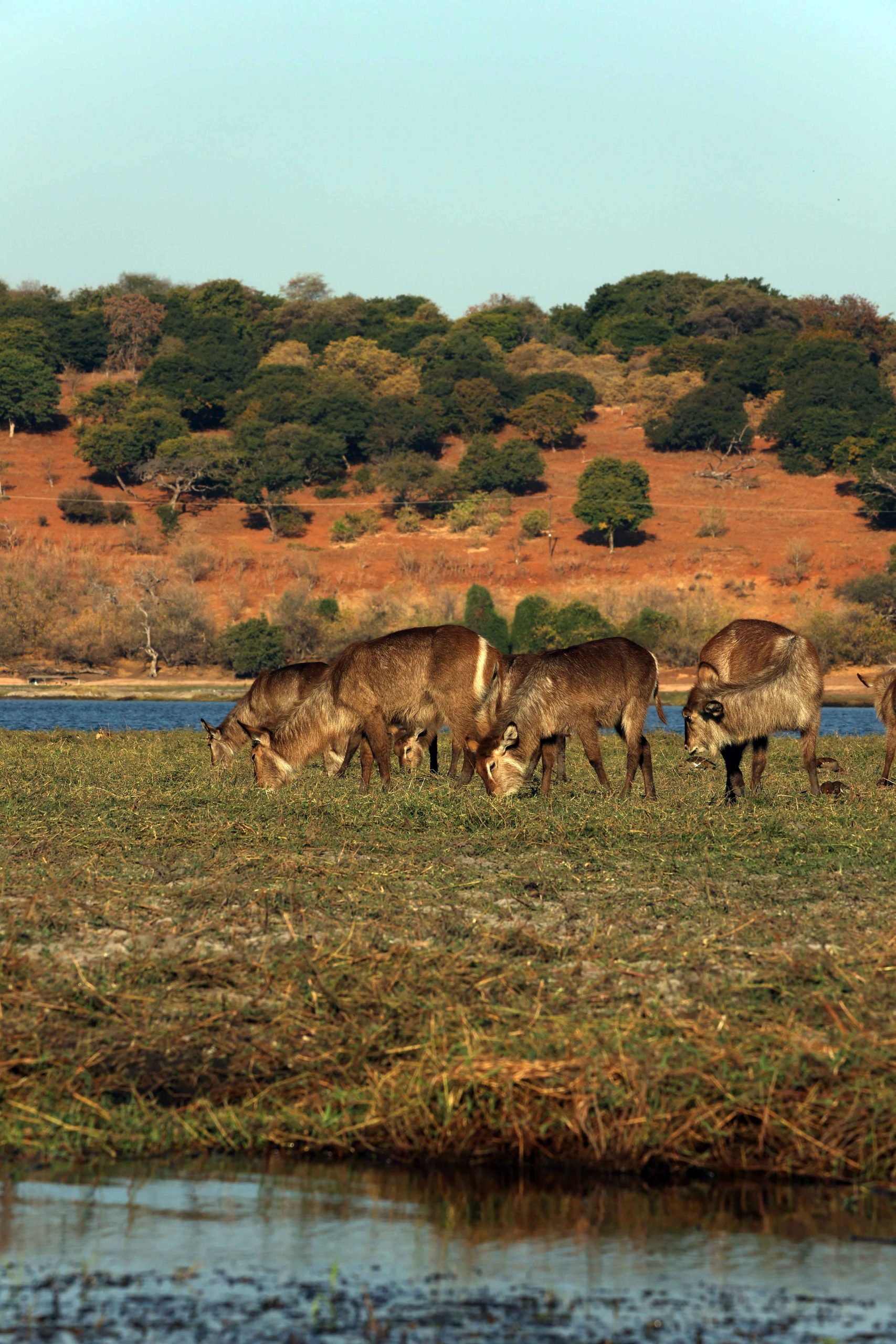
We chanced upon a lioness coming down to drink and followed her around before another vehicle eventually ended our alone-time with the beautiful cat. Game abounds along the Chobe – we drove next to the river for the entire day and saw herds of zebra, impala, red lechwe, buffalo, waterbuck, giraffe and elephant almost continuously. Lions clearly also enjoy the masses of game along the river, as we saw three separate groups during the day. We napped under an old Baobab before the afternoon drive back and ended the day with a gloriously red sunset, complete with fishing skimmers flying low over the still and glistening water.

Here be tigers

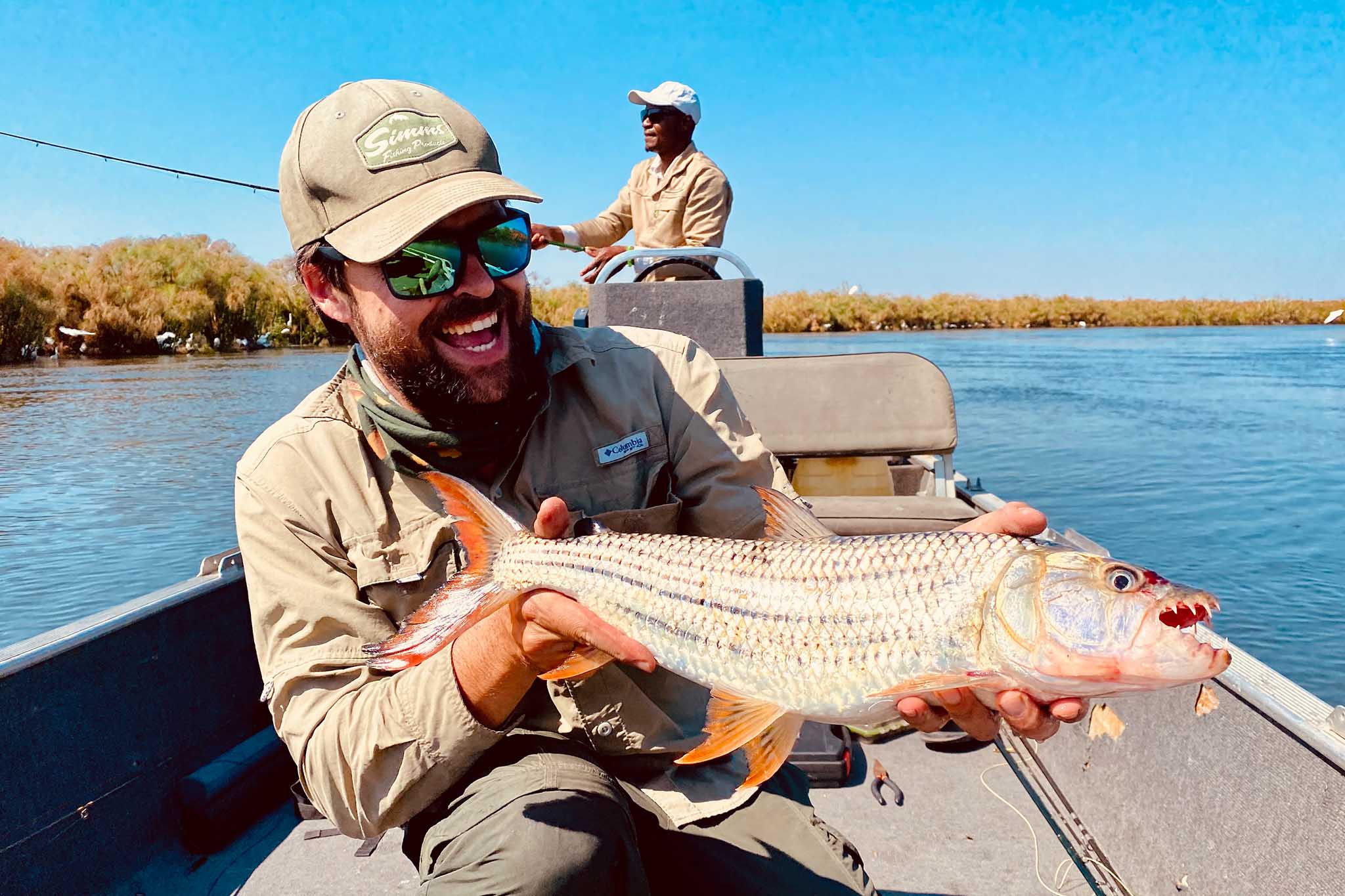
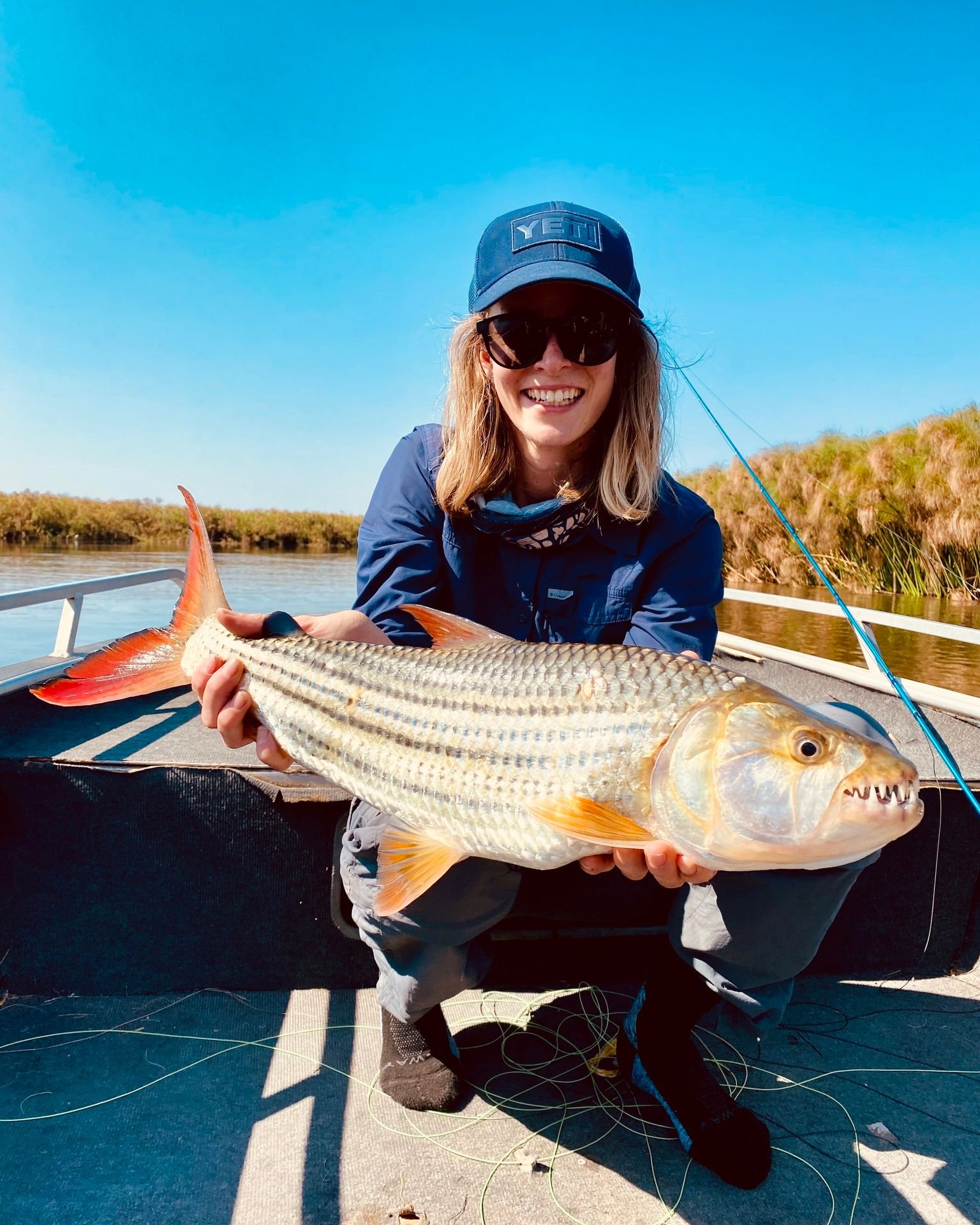
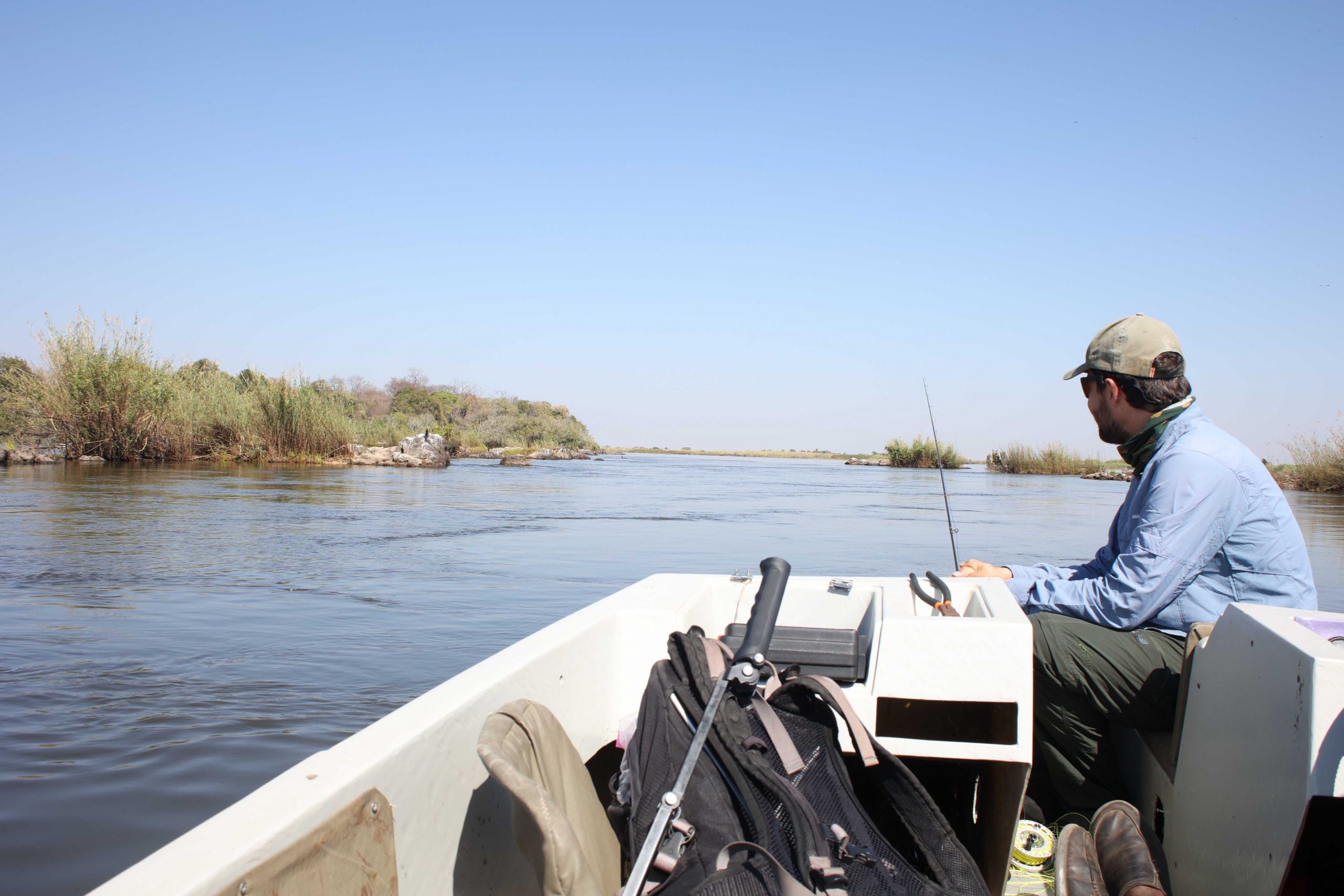
Whilst the Chobe’s banks are stalked by lions and leopards, its waters are patrolled by tigerfish. We just had to go hunting for the enigmatic striped water dog and rigged our fly rods for a morning on the river. We fished the area around Impalila Island, working the runs around rocky outcrops housing hundreds of roosting yellow-billed storks and various breeding egrets. In the end Deo connected to a beautiful fish with a typical Zambezi setup – a fast sinking fly line and purple clouser pattern fished along deep seams. The powerful fish made its presence known with many jumps before we netted it to admire its deep red tail colours, strong bony teeth and beautiful racing stripes. Richard, our entertaining boatsman, was almost converted to fly fishing in the process and enquired thoughtfully about this strange way of fishing that, in his words, ‘makes you compete directly with the fish without an advantage – whaaaau!’.

The other ninety percent

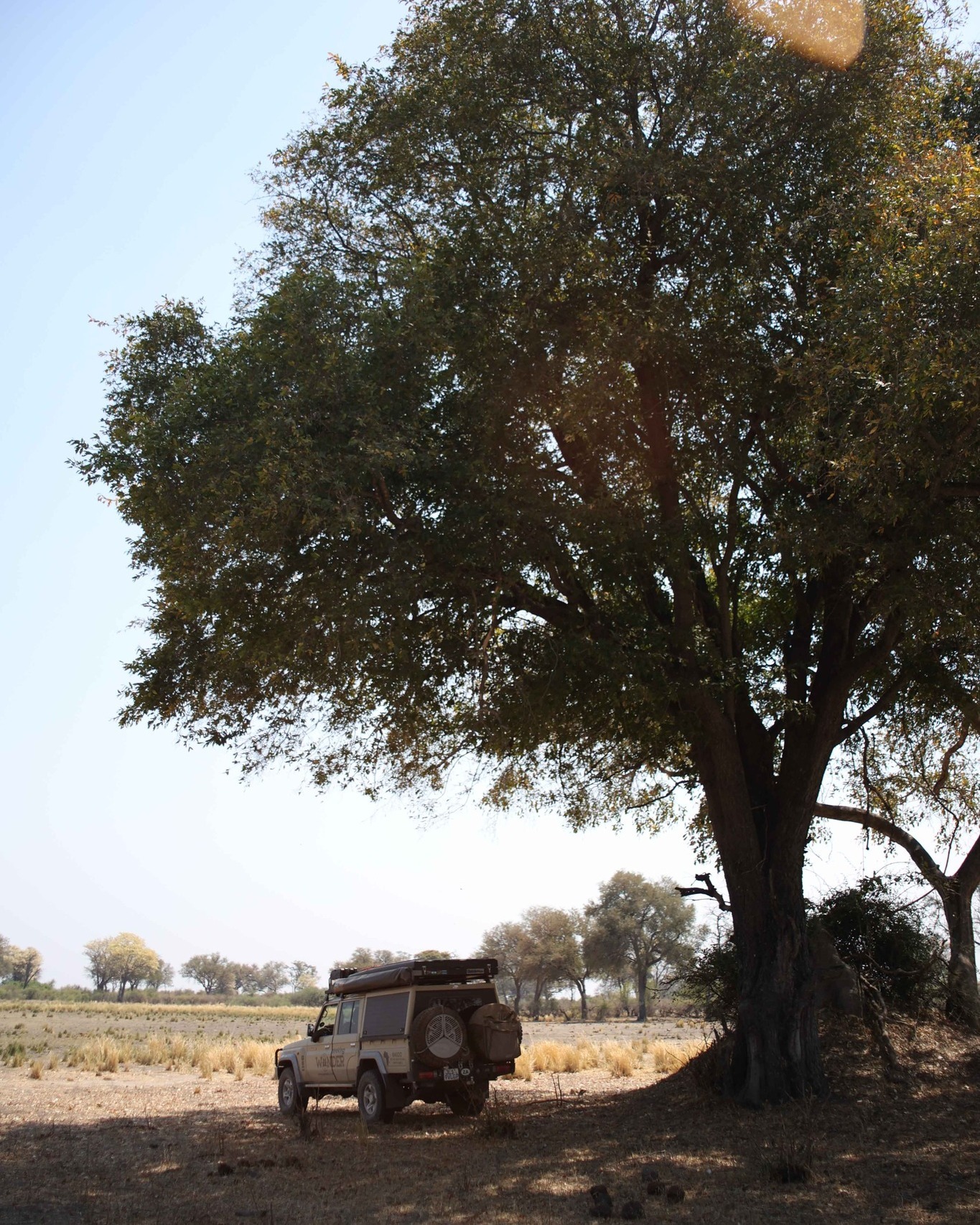
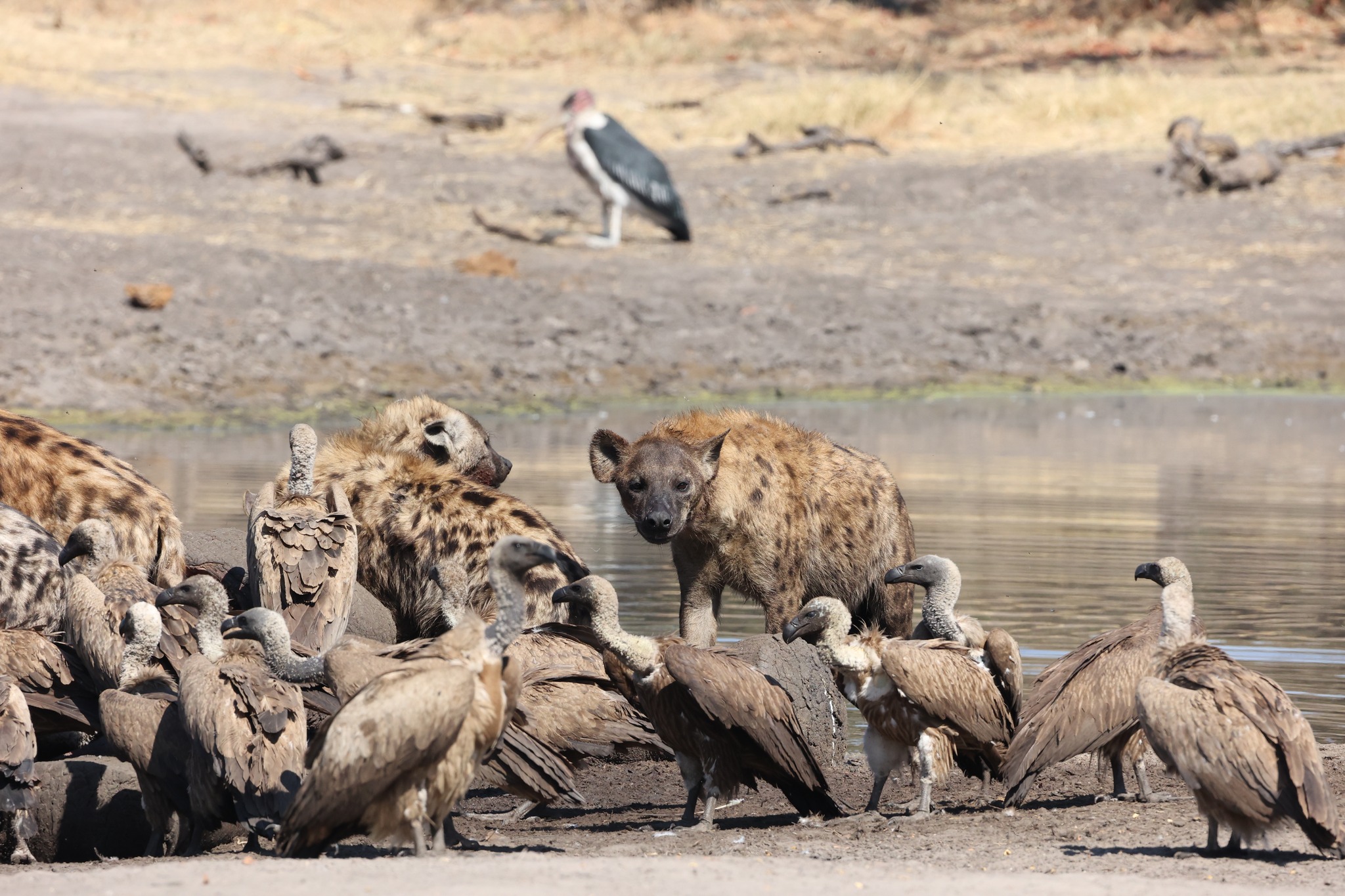
The main hub of Chobe is along the river and in Kasane. This, however, only forms a very small portion of the park itself. The vast majority lies further South and includes the Savuti and Linyanti sections. We ventured further afield, staying a while at the lovely Muchenje campsite before driving through the Savuti section to the Mababe gate. The drive itself included some of the deepest sand we had ever encountered, but the wild beauty of the area more than makes up for it. Some highlights include Arnot’s chats, the largest buffalo herd ever (think whole-horizon-filled large), a big clan of hyenas feasting on an elephant ‘cadaver’ (as a foreign tourist put it), and a lovely lunch under a huge apple leaf tree in a glade of leadwoods. We would love to explore this area more next time.

Over the week we spent here, the Chobe area showed us some of her charms. It is likely one of the few places in the world with so much game that you are indeed, as the marketing brochures promise, guaranteed of spectacular sightings. You will do equally well avoiding the socks-and-slops brigades and looking up the less trodden wonders. So then, after all is said and done, will we return to the Chobe National Park? We say, it will be impossible not to.