Miombo Therapy

Miombo Therapy

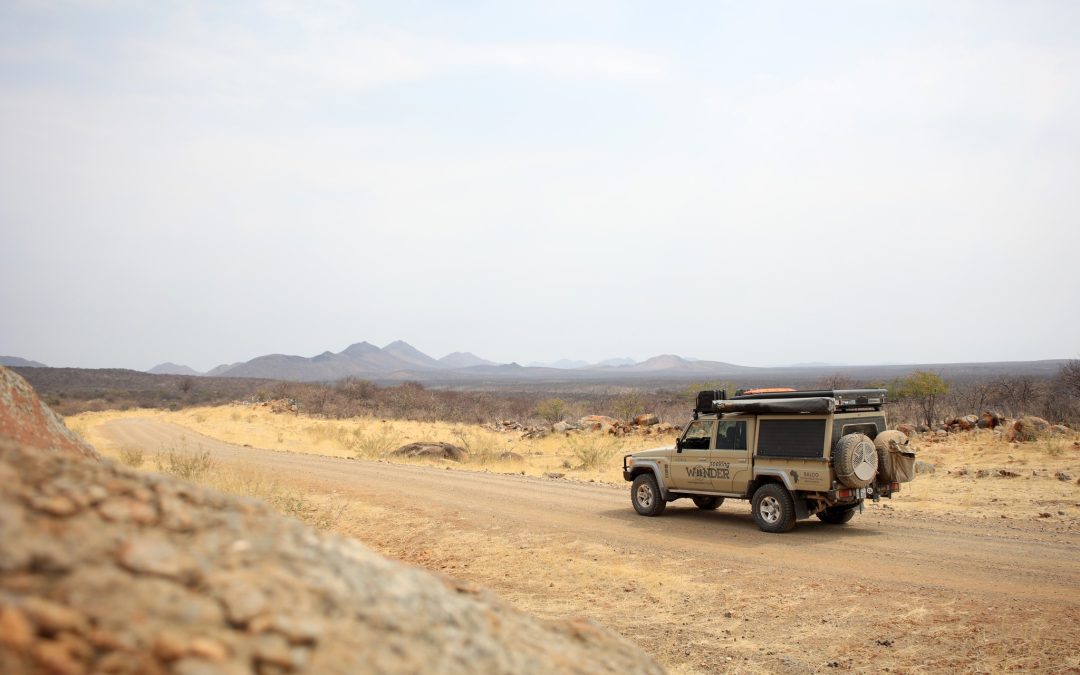
For some reason, the weeks leading up to departure dates always seem to be filled with crazy dash-and-scrambles no matter how much planning you put in for months. The start of our 2023 adventure through East Africa was no different. Did you get those extra fuel filters? Are the malaria test kits re-stocked? Did you sew the fridge cover back after last year’s elephant incident? These are important questions. Then there is the latest news: Malawi has just washed away, most roads in western Rwanda are no more and Tanzania has a new exotic bat virus outbreak (and we all know what happened to the last bat virus). So much for route planning in advance then. A bout of Covid-19 a week before departure did not assist in calming our nerves either. But, as many a seasoned overlander will tell you, just get going – you will never be fully prepared. And so we did, albeit a bit anxiously.
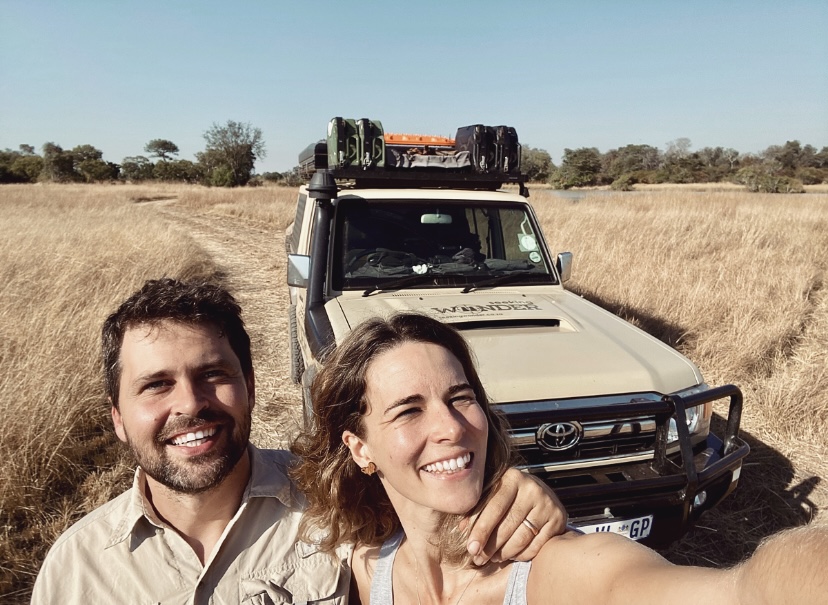
We drove up straight through our beloved Botswana via the quiet Stockpoort border post. You know a border post is relaxed when the immigrations office has a resident jack russell. After overnighting on the banks of the Chobe river and reaffirming our support of the Botswanan beef trade (R40 for an inch-thick rump steak!), we felt ready for the Kazungula crossing into Zambia. Using the new Zambezi bridge, we completed the border post shuffle in 3 hours flat (refer to the tips section for handy travel details). Bravely fending off only two offers from fixers and one meagre attempt at ‘a little something’, we were now officially in Zambia!
Livingstone was the first logical stop to re-supply and orientate ourselves. Livingstone with its neat colonial-era town planning, countless out-of-order ATMs, zebras in the main street, and tourists. The Waterfront Hotel campsite provided a good respite among shady trees just upstream of the mighty Vic Falls. Here we had a fantastic wood-fired pizza and Mosi, were visited by a night-time grazing hippo, and met Nicky, travelling solo through Africa in her converted Mercedes Sprinter – complete with a microwave.

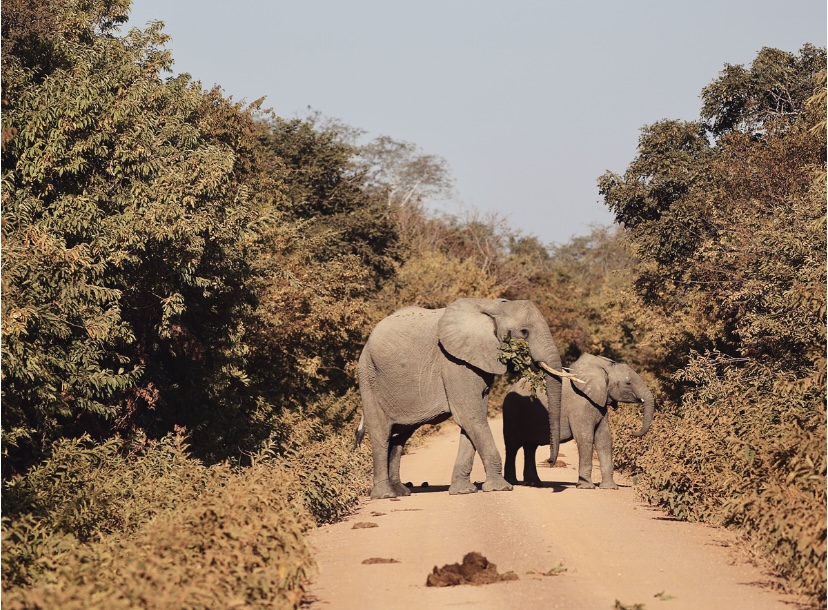
Our first goal was to visit Kafue National Park, Zambia’s largest and oldest protected wilderness. As often happens in Africa, the simplest road up from Livingstone turned out to be, well, not the simplest. Due to a washed away section, we had to detour via Namwala. This involved taking our very first pontoon across the Kafue river. After loading Baloo, another vehicle, eight motorcycles, half the local village population, and a goat, we set of. It proved painless and much better than our previous river crossing, where there are probably still drying baitfish somewhere in the engine bay.   
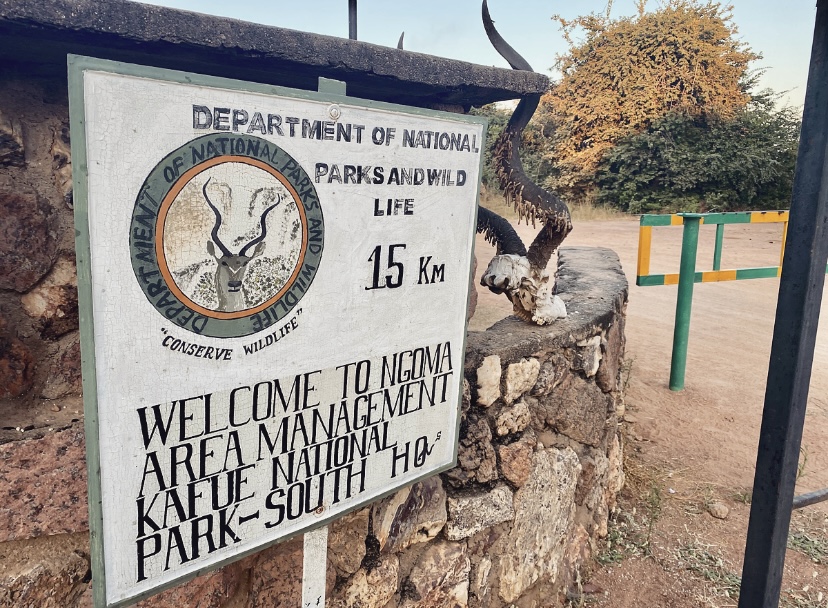
After a good stopover with a grand view of Lake Itezhi-Tezhi, we finally entered Kafue first thing in the morning. Well not first thing, as here we found out that Zambian park gate opening times serve only as suggestions to reception personnel. What is great about Zambian national park admin though, is that a day’s park fee is valid until 09h00 the next morning – so if you sleep one night it will only be one day’s fees.

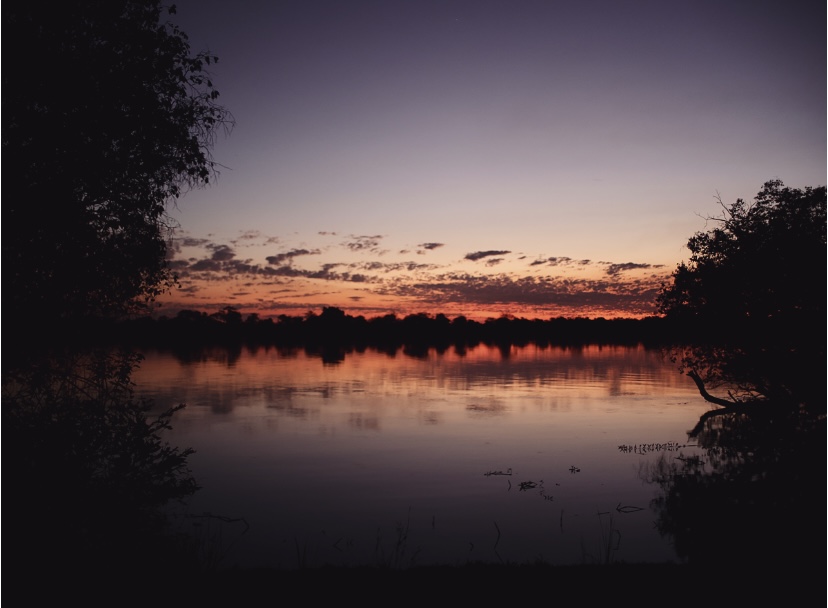
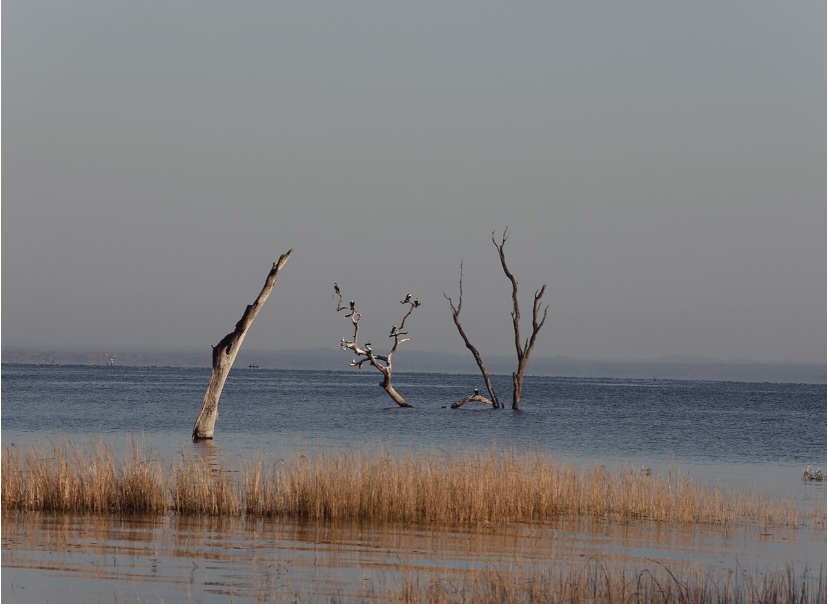
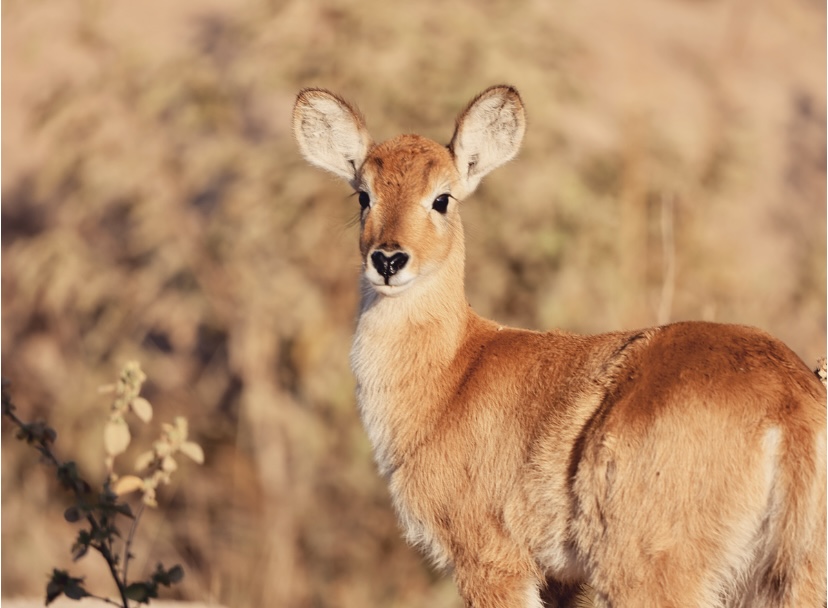
Entering Kafue and slowly cruising right on the lake’s edge, a profound sense of serenity settled upon Baloo and his occupants. It had been a month or two since we last visited a game reserve, and it just felt right. All the pre-departure stress was forgotten. All the doubts and question marks seemed to fade into insignificance as the vast wonder of nature instantly confirmed to us that yes, it is all worth it. Puku antelope with their fluffy red-brown coats waded in the shallow waters and stared at us. One male treated us to its unique nasal warning whistle, sounding more like a bird than a mammal. Hippos lazed around close to the road. An osprey scouted for breakfast from a dry perch. We also found a group of Gargeneys, a palearctic migrant duck species.
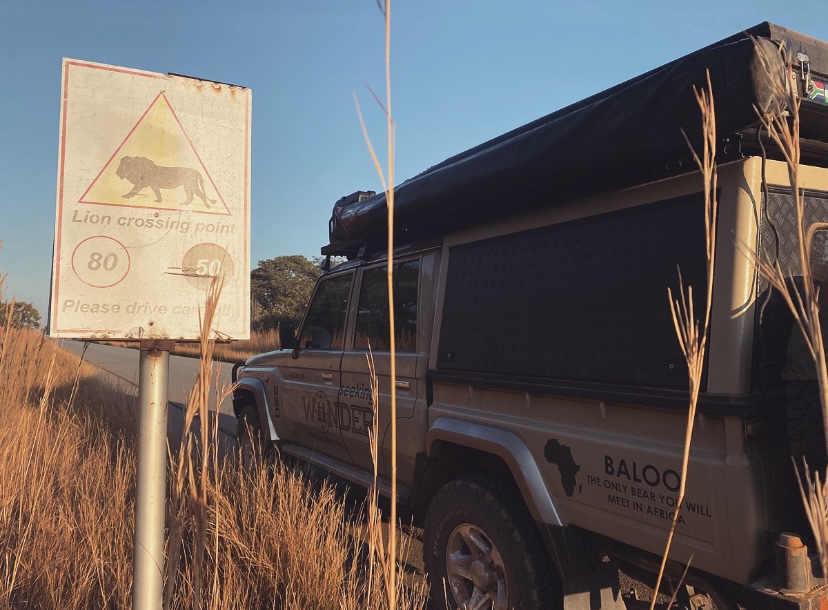
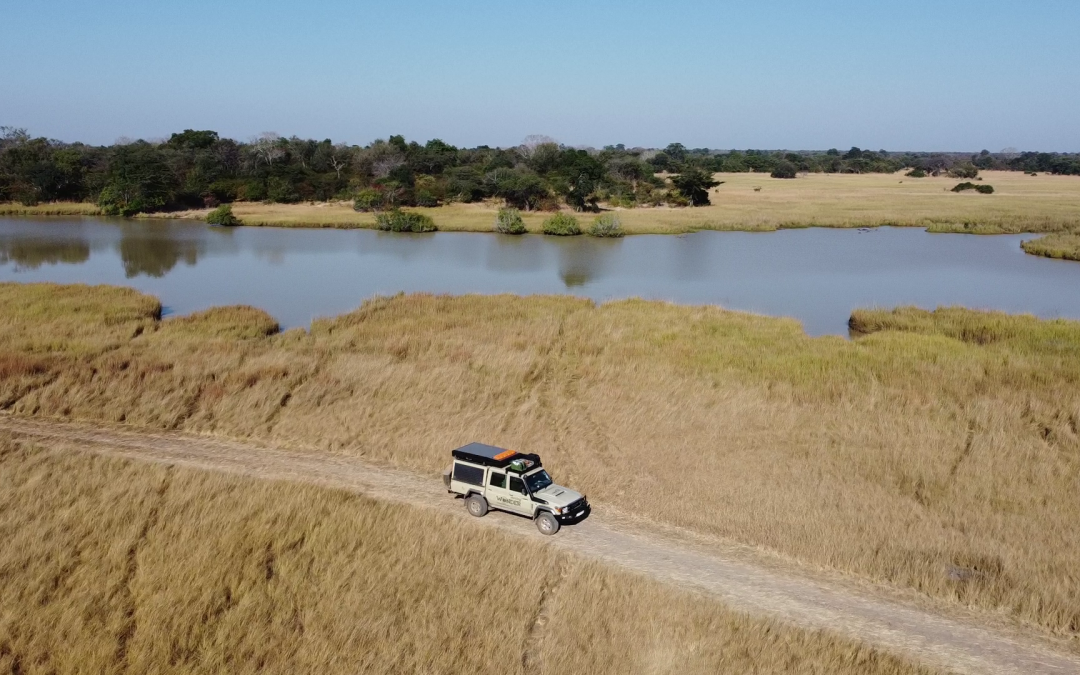
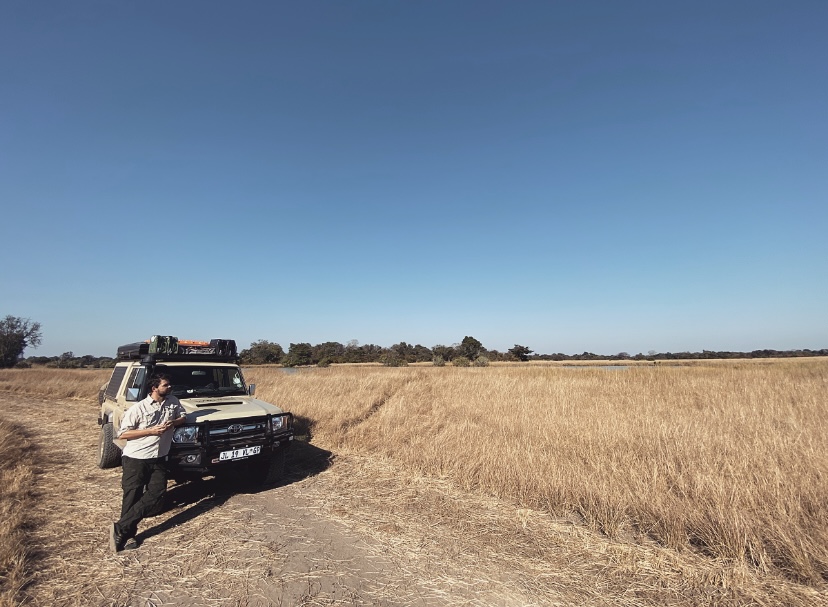
Travelling up through the park along the spinal road, one traverses typical Zambian Miombo woodland, something that is fascinatingly new to us who are accustomed to Southern African bushveld. Tall trees form a continuous dappled canopy over comparatively short grass cover, giving a forest-like effect. Almost like a less dense version of Mopane veld, this stretches for miles at end and contains relatively low densities of game, interspersed only by grassy marsh-like glades called dambos. Traveling large distances through Miombo might seem dull, but the fresh landscape entranced us. It was indeed a therapeutic welcome back into the wonderful world of the wild.
Anyone familiar with Kafue will mention its annoying Tsetse flies. These devilish critters seem to be attracted to anything hot that moves and latched onto Baloo in their hundreds. So, unless you want to perform the haka whilst driving, Kafue is unfortunately best enjoyed with shut windows. Strangely enough, spraying your vehicle with Doom when arriving at a campsite seem to deter them sufficiently to leave the camp in respectful peace.

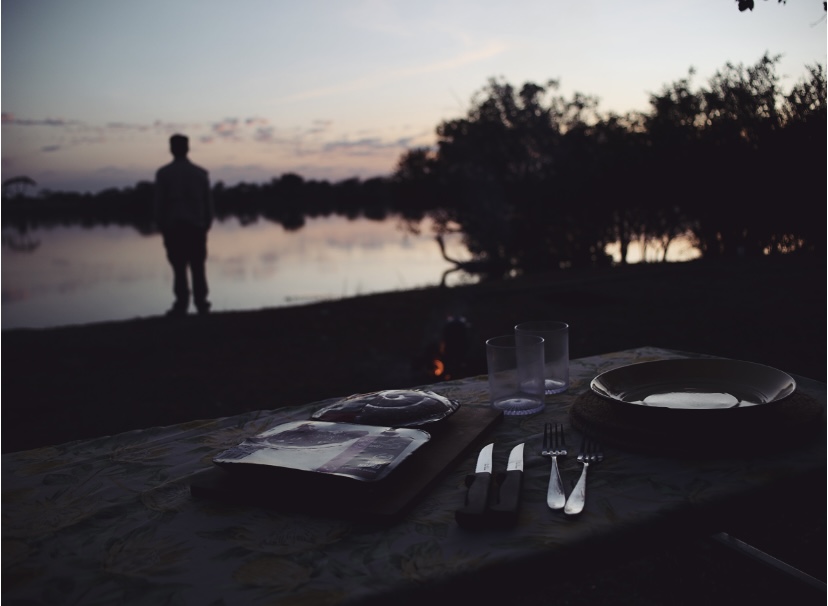
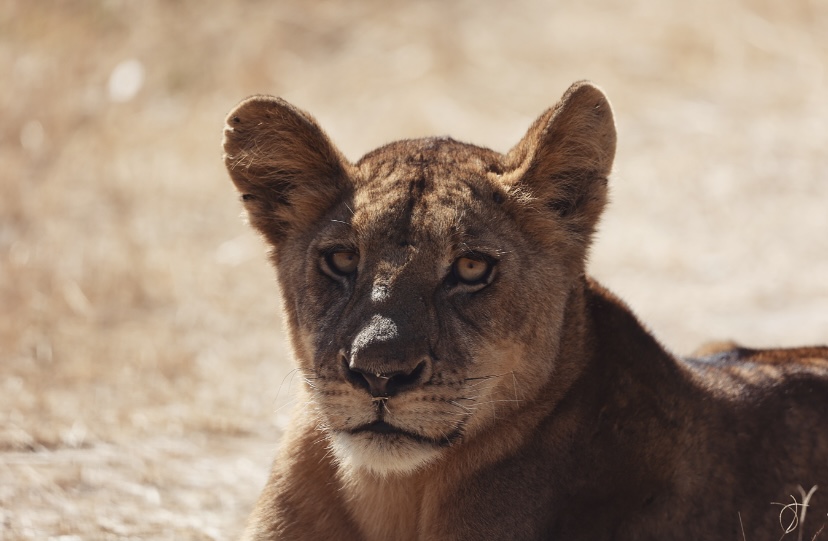
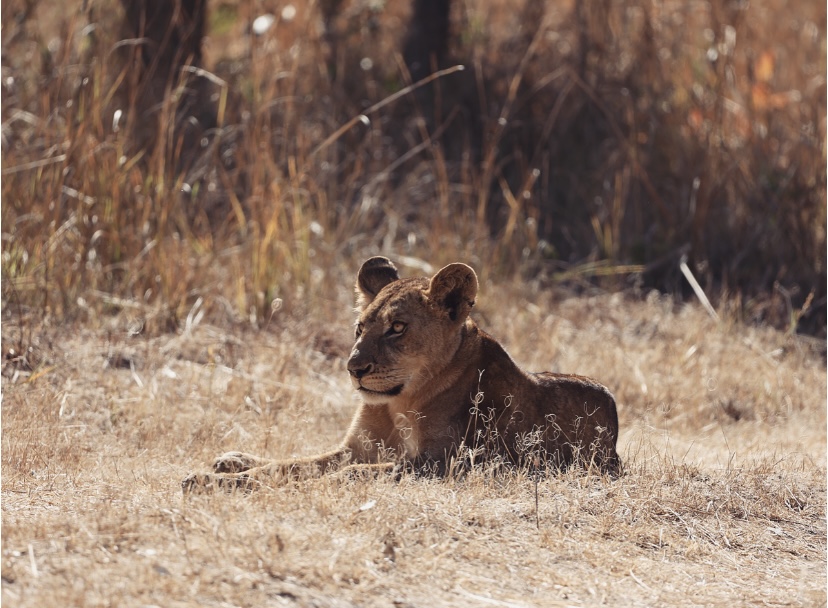
We stayed at Kasabushi, a lovely camp situated right on the banks of the Kafue river where its new managers are just as excited about it as guests arriving for the first time. Here we were treated to Böhm’s bee-eater displays, the most amazing outdoor shower, lions calling in the distance and even the haunting call of Pel’s fishing owl booming over the water. Traveling north we encountered our first Lichtenstein’s hartebeests with their dirty brown shoulder patches caused by continuous cleaning of their faces and horns. We were also lucky enough to find a lion cub in the road one morning – not a common sighting in the southern part of the park.
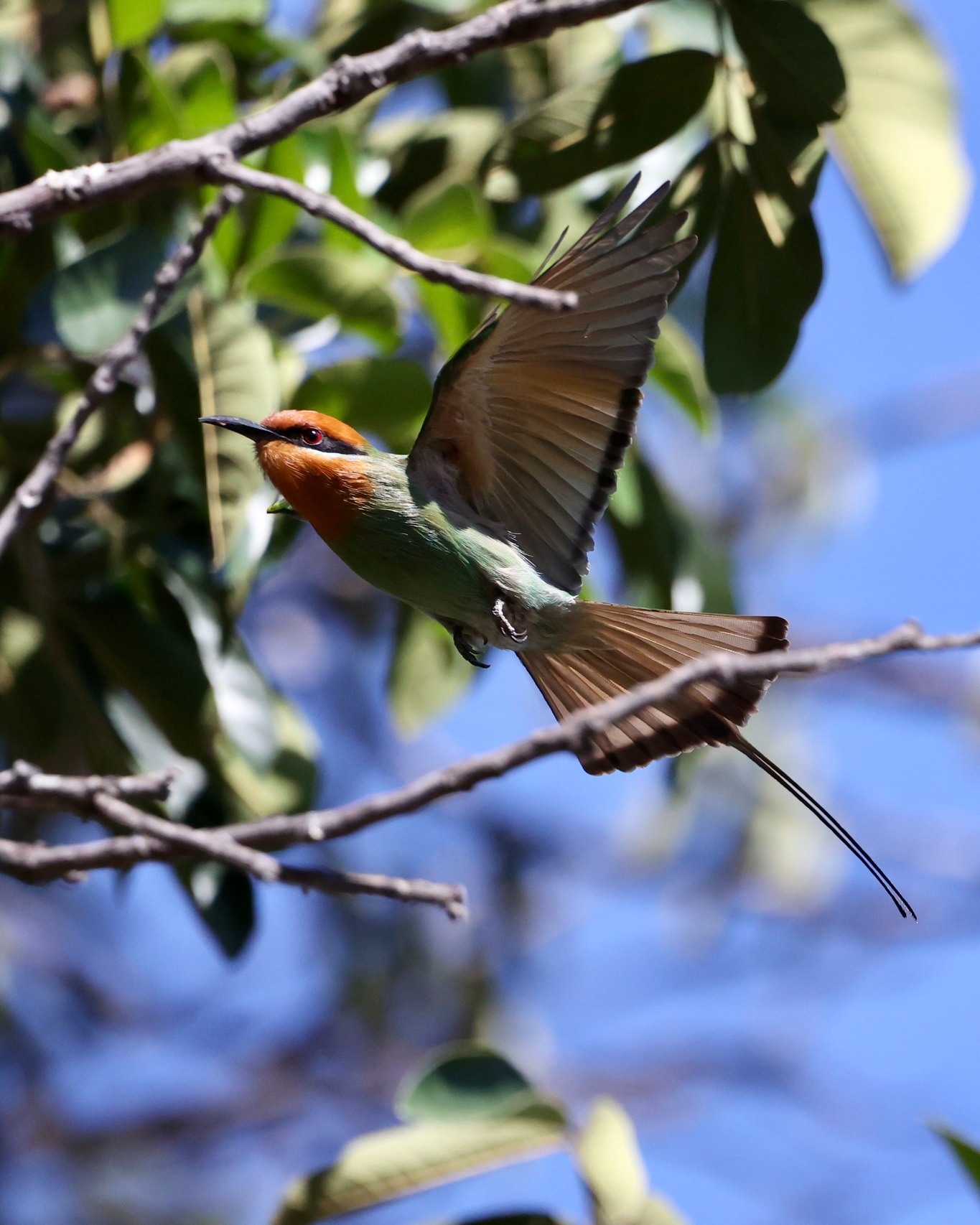
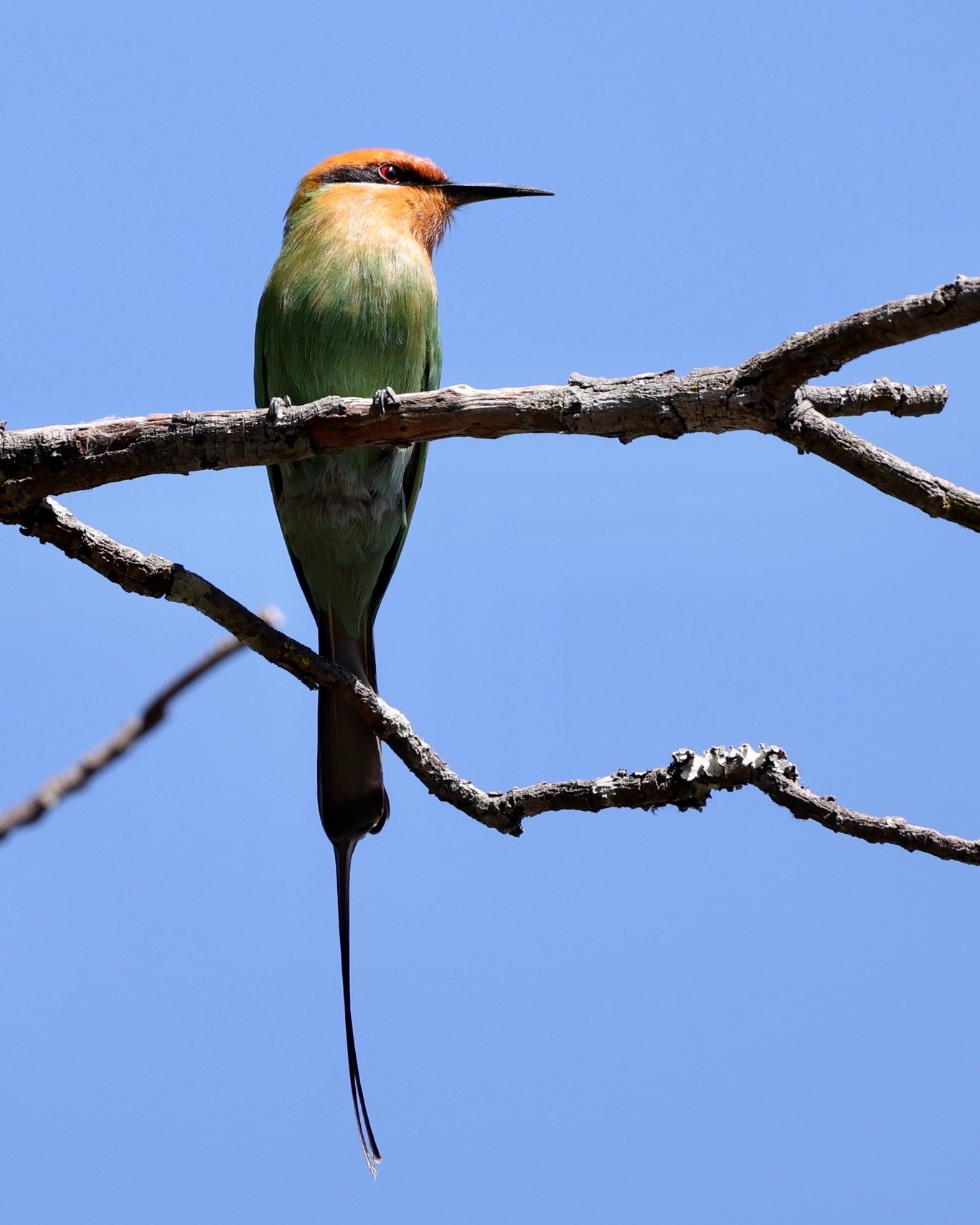
Kafue sometimes gets a bad reputation for its low game densities, poaching issues and Tsetse flies. However, considering the massive size of its undeveloped wilderness sections and its high biodiversity of species, this is the kind of place where you can see nothing for hours and then suddenly find a pack of wild dogs or pride of lions in the road. Kafue’s future looks bright, with the famously successful African Parks recently getting involved. Its beautiful woodlands, mighty river, sheer size and low tourist densities are further tick marks in our books. We definitely plan to be back later in the dry season to explore the game-rich Busanga plains of the north, sample the river’s fly-fishing opportunities, and get ourselves more Miombo therapy.
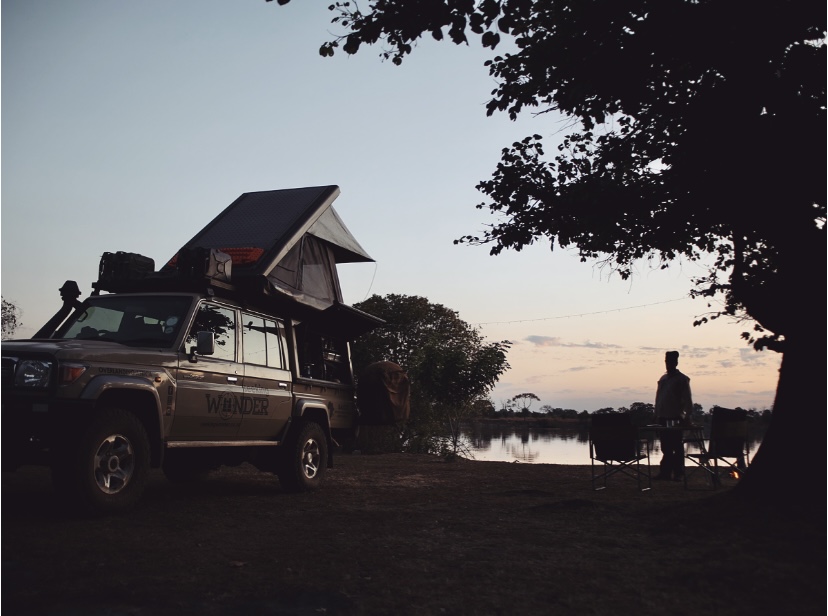
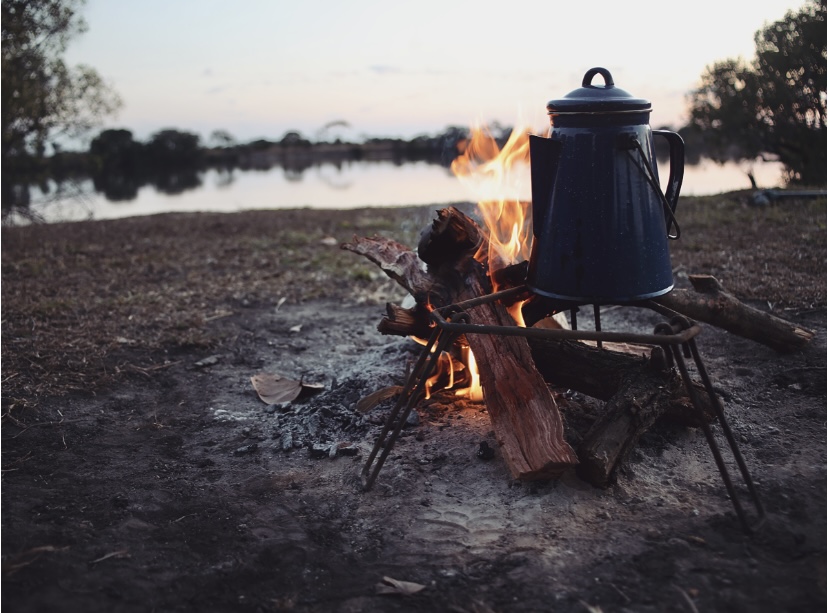
Some helpful trip tips:

  • Kazungula border post crossing into Zambia:
    1. Ask the road tax official to write and stamp ‘all roads’ on your road tax certificate. The default is only a single route and will attract reason for unhappiness at check points.
    2. Get both the private vehicle verification and checking slip stolen status police clearance forms for your vehicle in South Africa if you do not have a Carnet. It is worth all the trouble and gives the officials less fault to find.
    3. It is worth getting Zambian third-party insurance online beforehand – we got ours through Phoenix Insurance and added Comesa insurance for all East African countries at their office in Livingstone.
  • Best Zambian data network: Airtel (10 GB = 100 Kwacha)
  • Kafue NP camping we enjoyed:
    1. Chibila Lodge (outside park on Lake Itezhi-Tezhi) – no park fees: https://www.facebook.com/pages/category/bed-and-breakfast/Chibila-Camp-110111727231751/ 
    2. Kasabushi (inside park): https://kasabushi.wordpress.com/
    3. Roy’s camp (outside park at Hook Bridge) – no park fees: https://www.facebook.com/royskafuecamps/

Orange river odyssey

Orange river odyssey

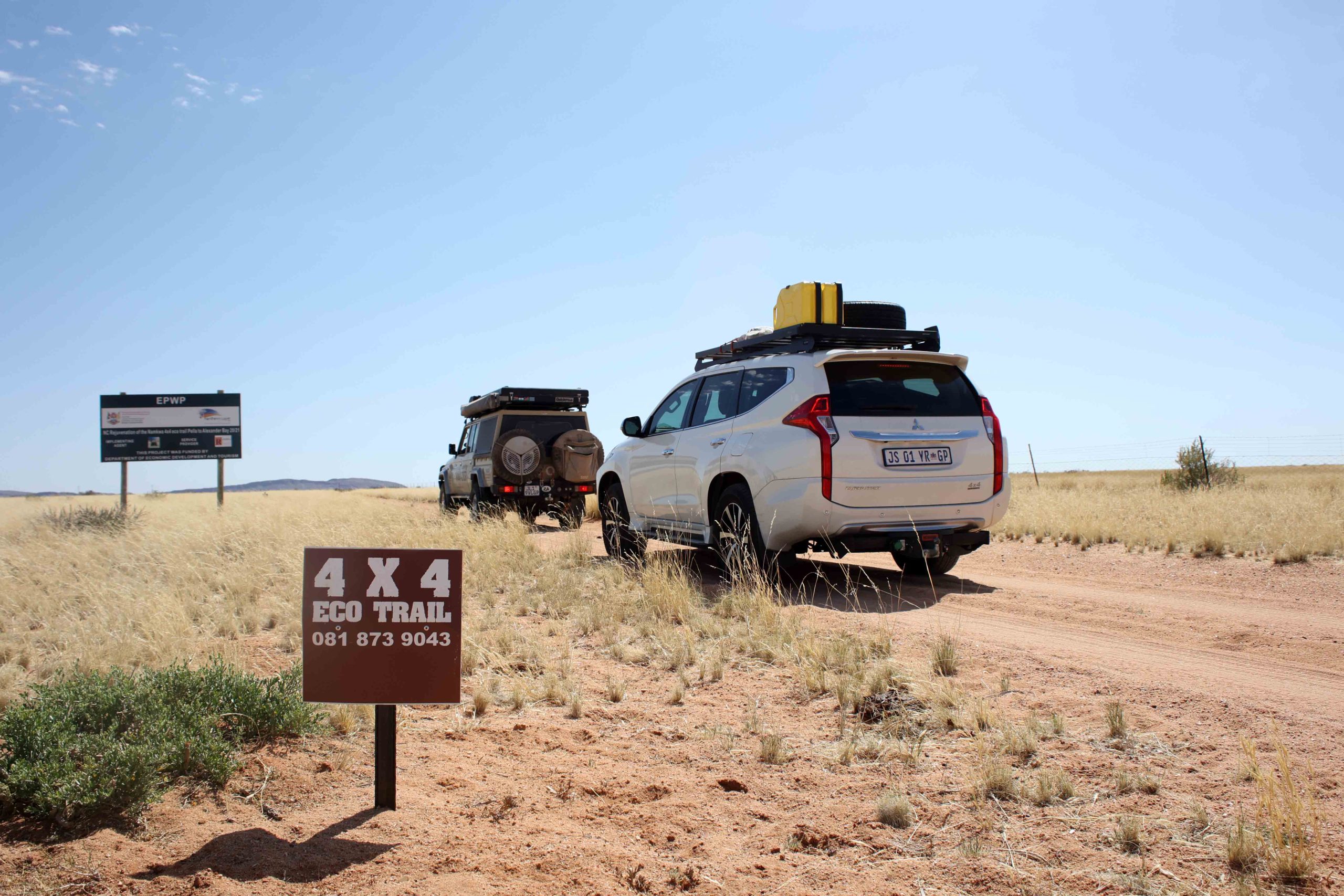
‘Do you mind if I join?’ was Lood’s reflex response not five minutes after I sent him a photo bragging with our booked permit to drive the Namakwa Eco Trail along the Orange River. With a brand-new baby daughter at home and it being crunch-time of the year in the working world, this was not exactly the typical reply. But I have come to know Lood over the years. Much like a largemouth yellowfish’s eat-now-ask-questions-later approach to a well-presented fly, he knows a golden opportunity when he sees one. Also, the seeds for this trail had long since been planted on previous trips.

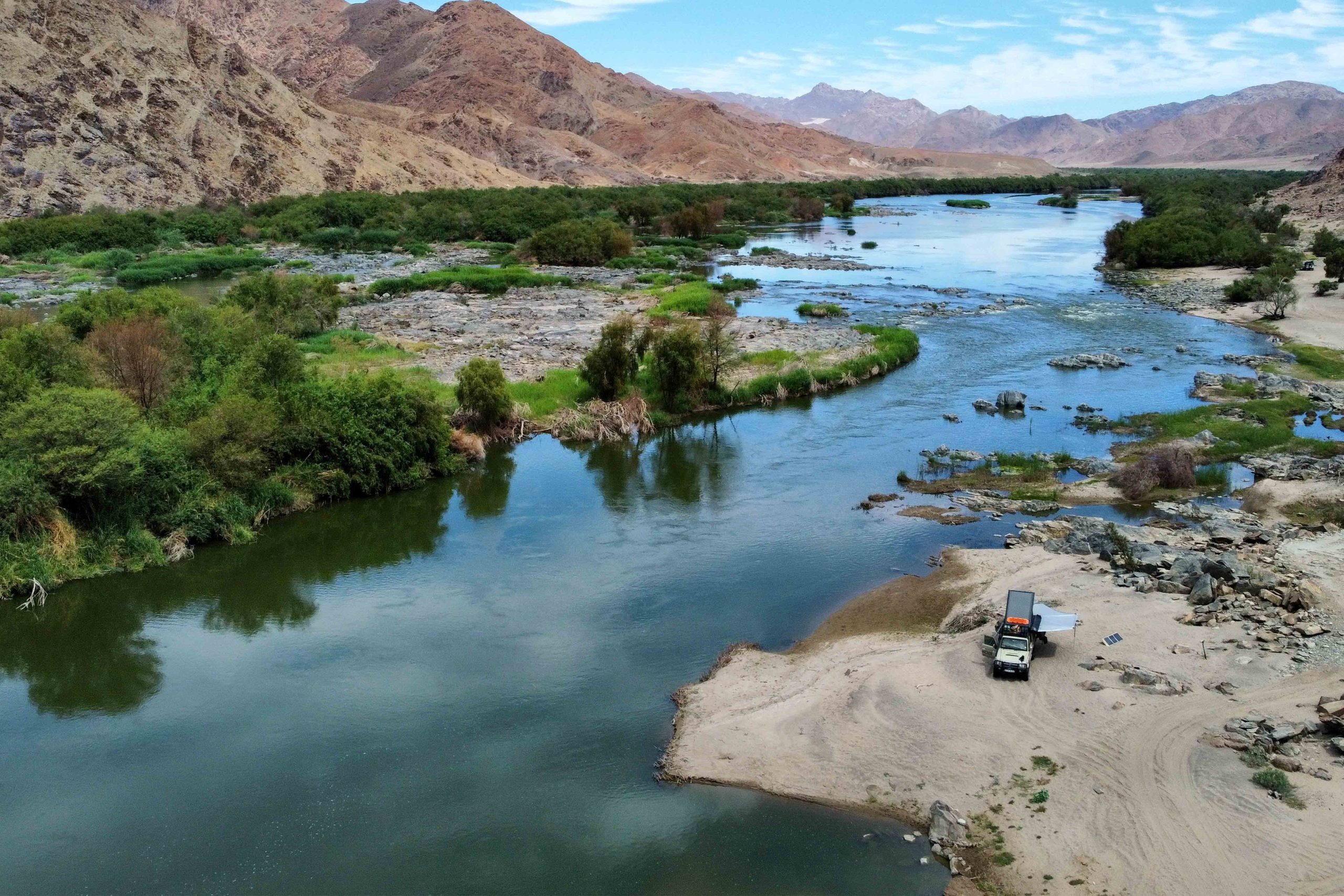
Once the seed for an ambitious trip is sowed in your mind, it usually stays just below the surface of consciousness, prodding you every now and again to keep cultivating it and make it happen. Following the Orange River from source to sea is exactly such a trip. For us, this idea started to take shape after visits to various parts of this beautiful watercourse. Admittedly, our affair with the Orange has always been more than just a little biased towards its fly fishing opportunities. A while back we explored the Senqu (as it is known in Lesotho) near its headwaters along the mountainous gravel roads filled with goats and friendly blanket-clad horsemen. Subsequent trips to the middle sections near Gariep and Hopetown followed, as well as rafting and angling trips along the hallowed fishing grounds of the lower sections. It therefore made a lot of sense to explore the lower section all the way to its mouth after we exited Namibia. 

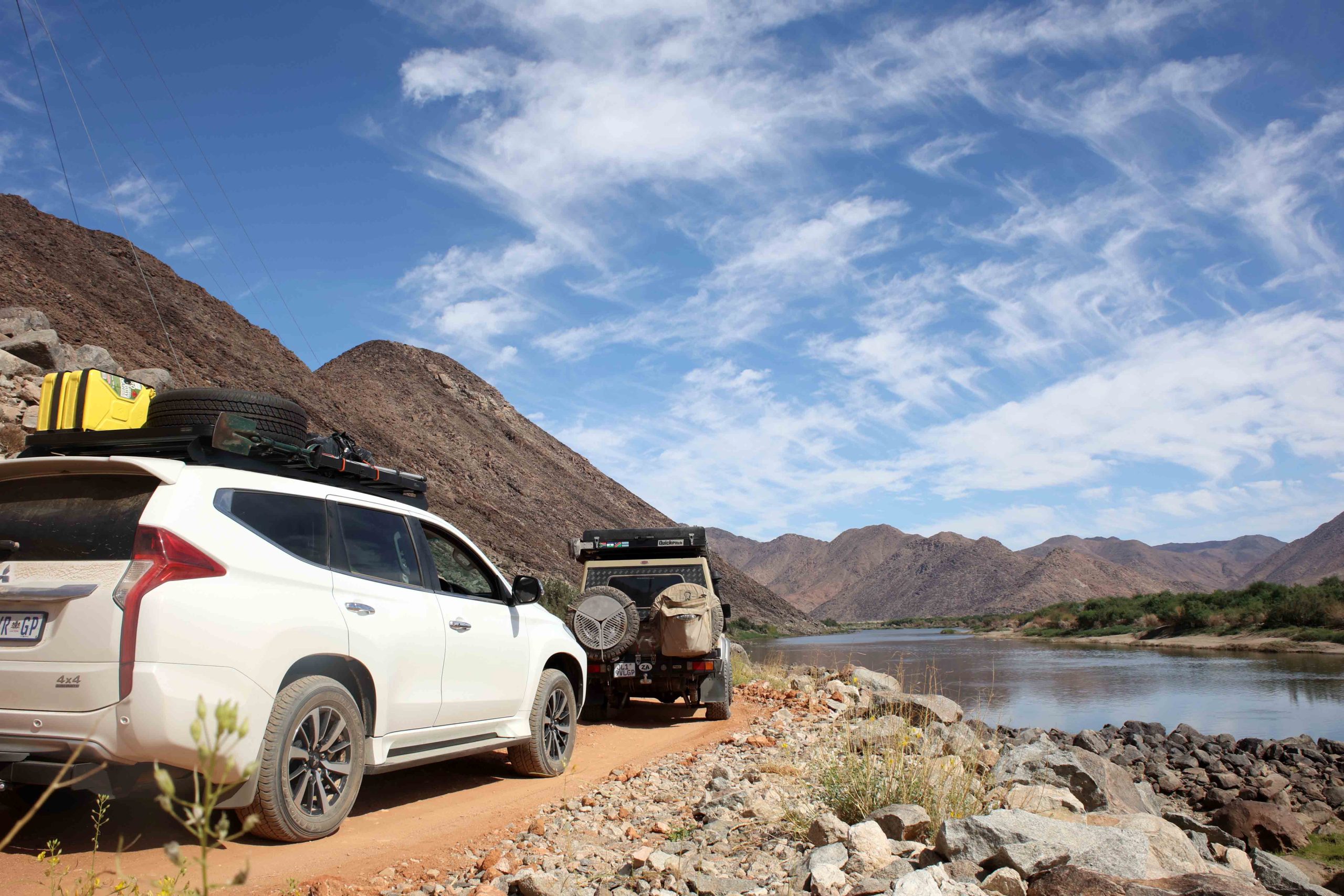
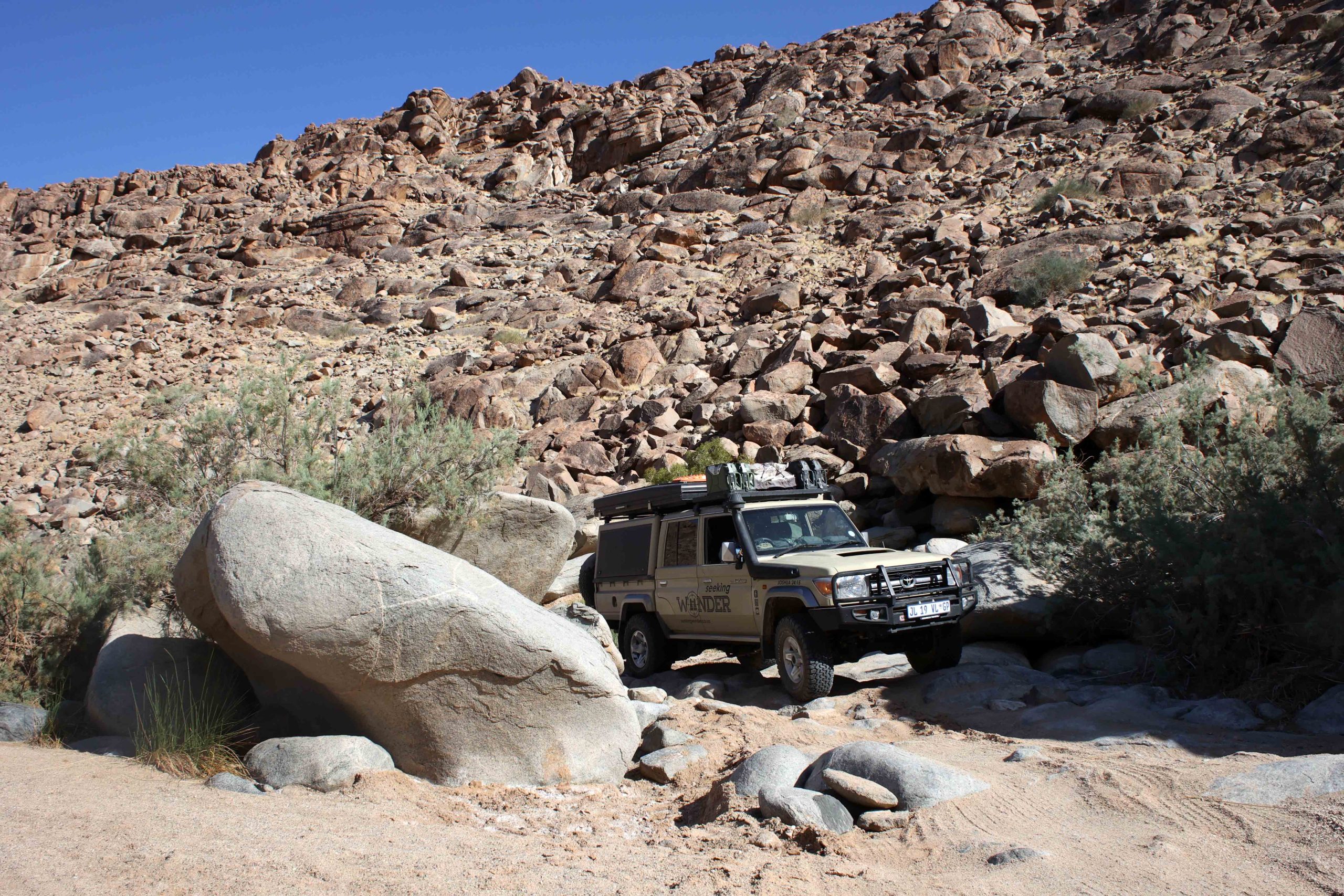
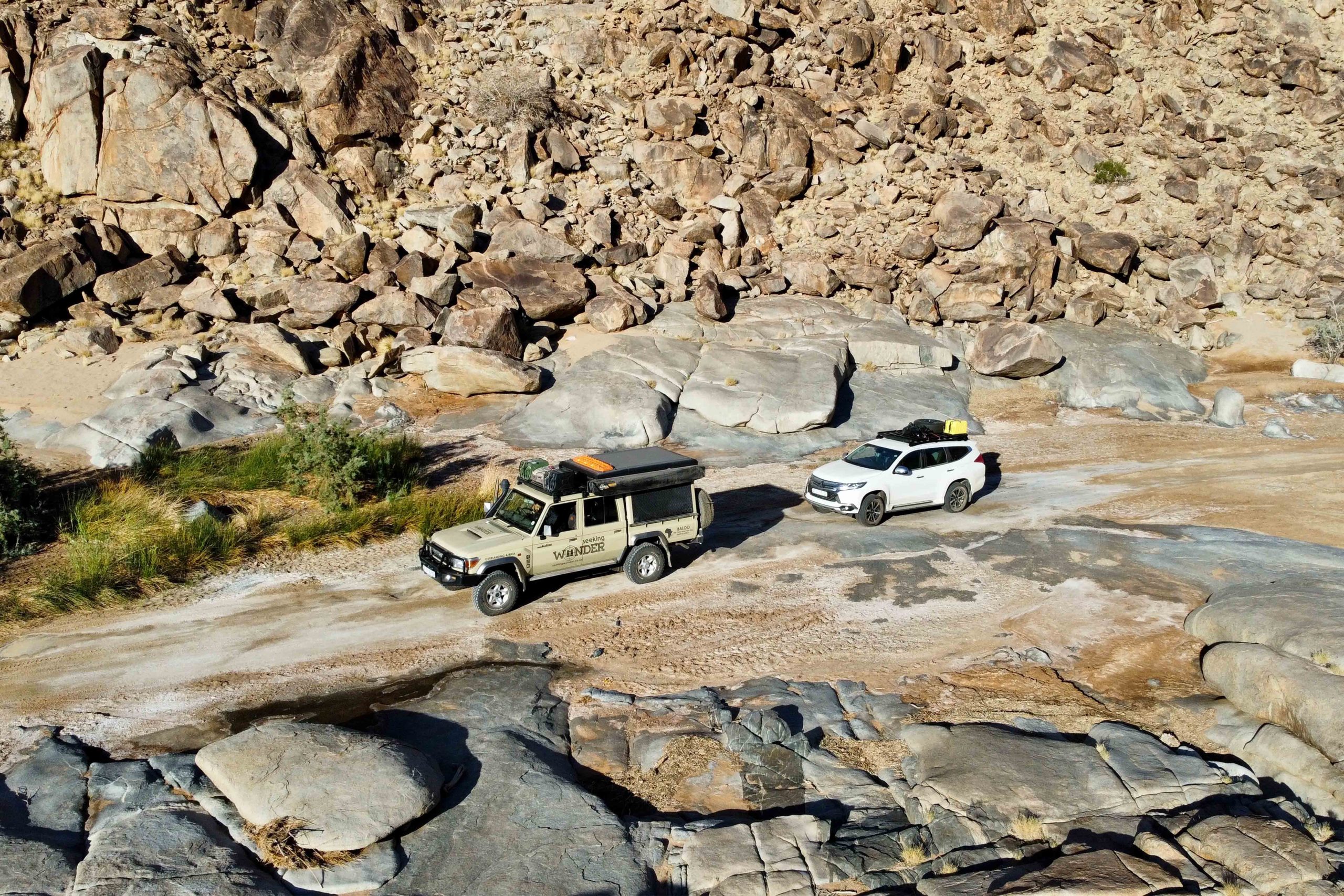
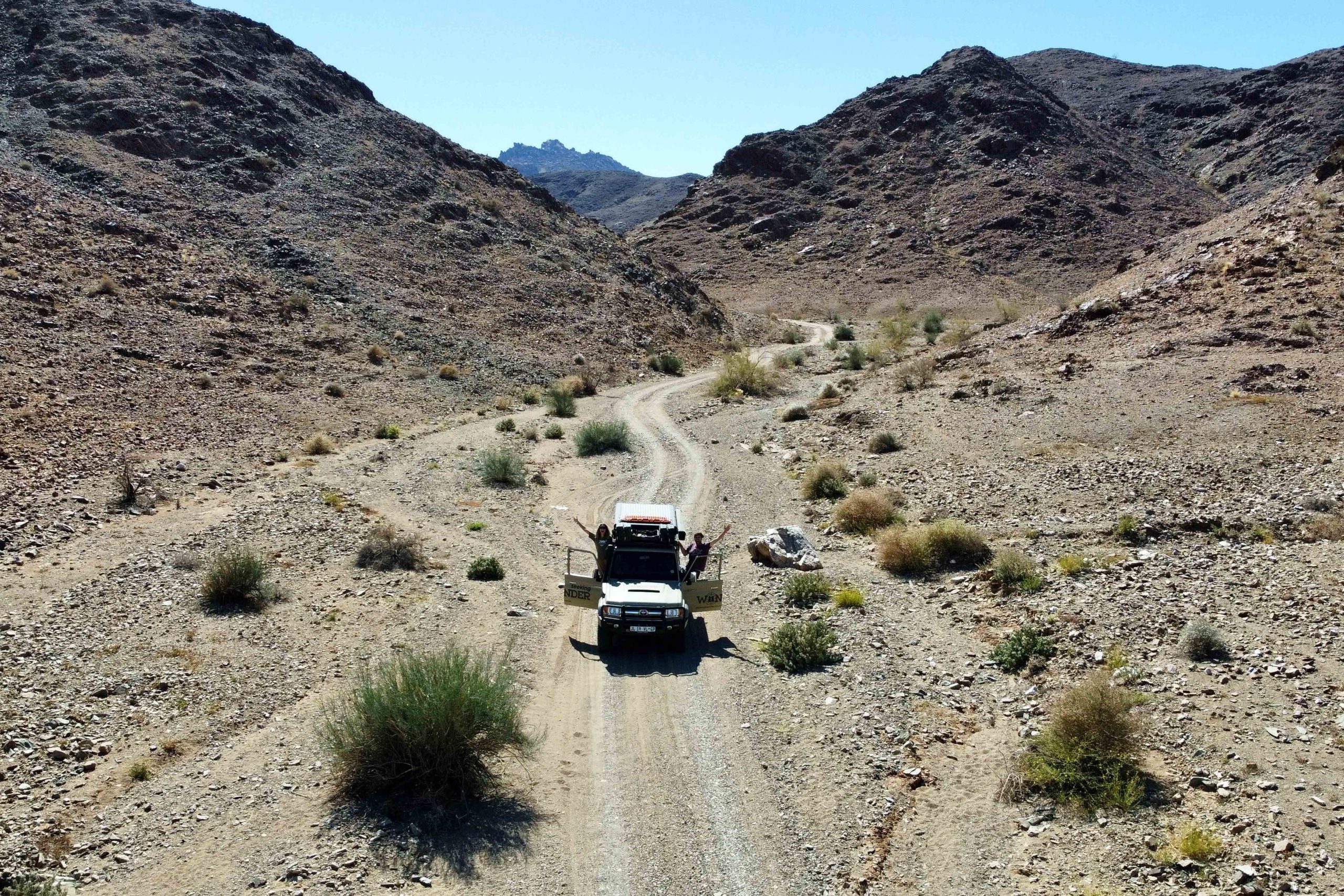
The Namakwa Eco Trail is South Africa’s longest self-drive 4×4 trail at about 600 km long. We drove the first leg, starting near Pofadder and tracing the river all the way to Vioolsdrift. Those familiar with the river will know that this section has some very good fishing water. Problem is, most of it is also very remote and inaccessible. Die-hard anglers with their priorities squarely on the fishing will be disappointed with the trail – most of your days are spent driving the rocky offroad tracks on this trail, and there is a reason why most trailists do it for the 4×4 experience alone. For us, the appeal lies in the combination of its remote wilderness, unique landscapes and exploring the fly fishing opportunities available. Like-minded Lood therefore complemented our intrepid endeavour perfectly. 

We set forth after meeting Lood in Kakamas in his sagging city-dwelling Pajero Sport loaded with ten 5-litre water bottles, ten bags of wood, 300W solar plant (since dubbed Medupi), what must be a ten-man tent, freezer, jerry cans and a lot of Woolworths food. The man does not like to sukkel. The first day served him well to get used to his vehicle’s clearance (or lack thereof) and get his mojo in the great outdoors – something we were spoilt with after Namibia. We camped in a dry tributary next to the main river and feasted on King’s Meat lamb kindly imported from Pretoria. Although Lood had now been exposed to our primitive yet hygienic (in our opinion at least) bush cooking methods, he survived the night. Perhaps I am reading too much into the brand-new Jan Braai tongs he ‘accidentally left behind’ in our drawers afterwards.

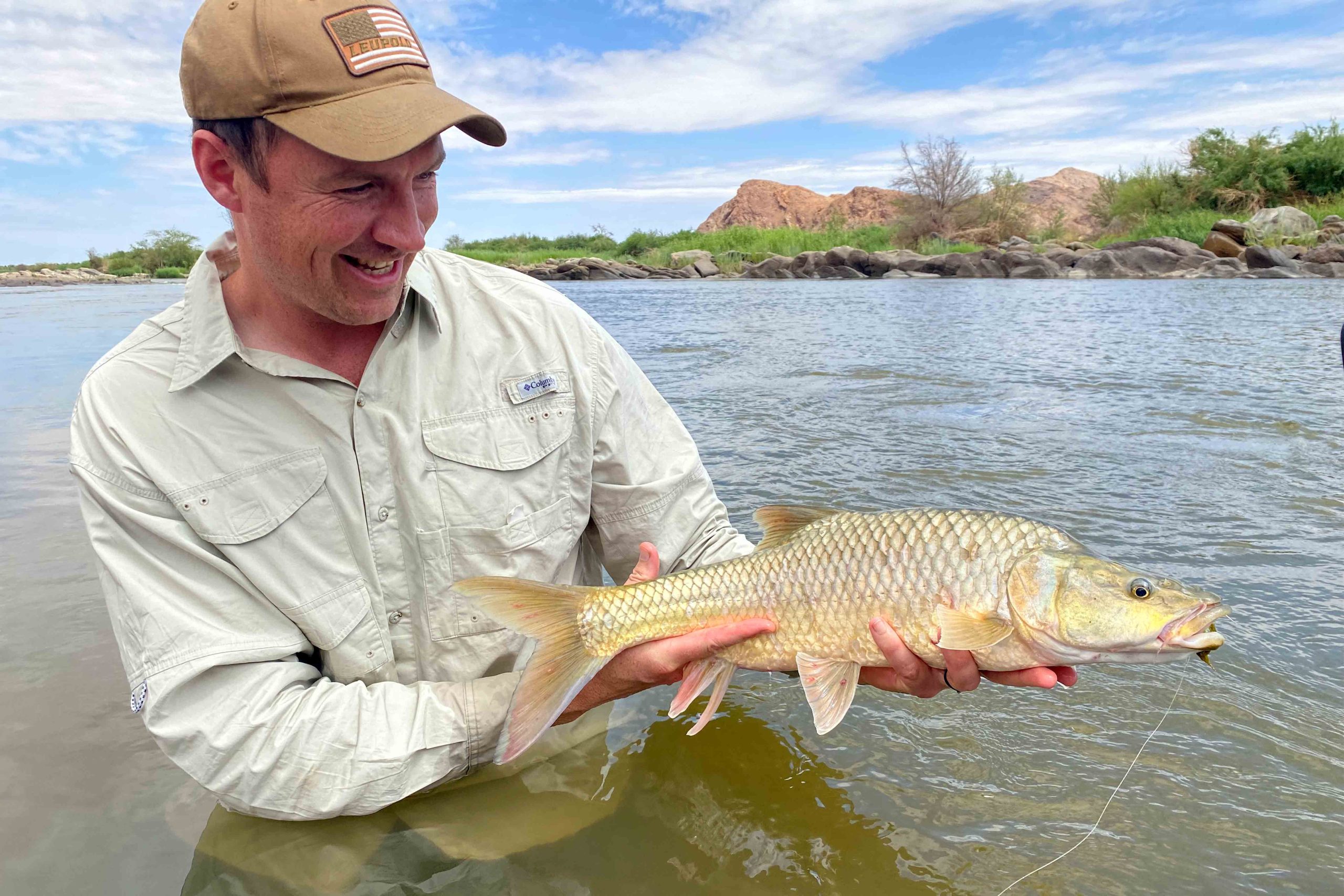
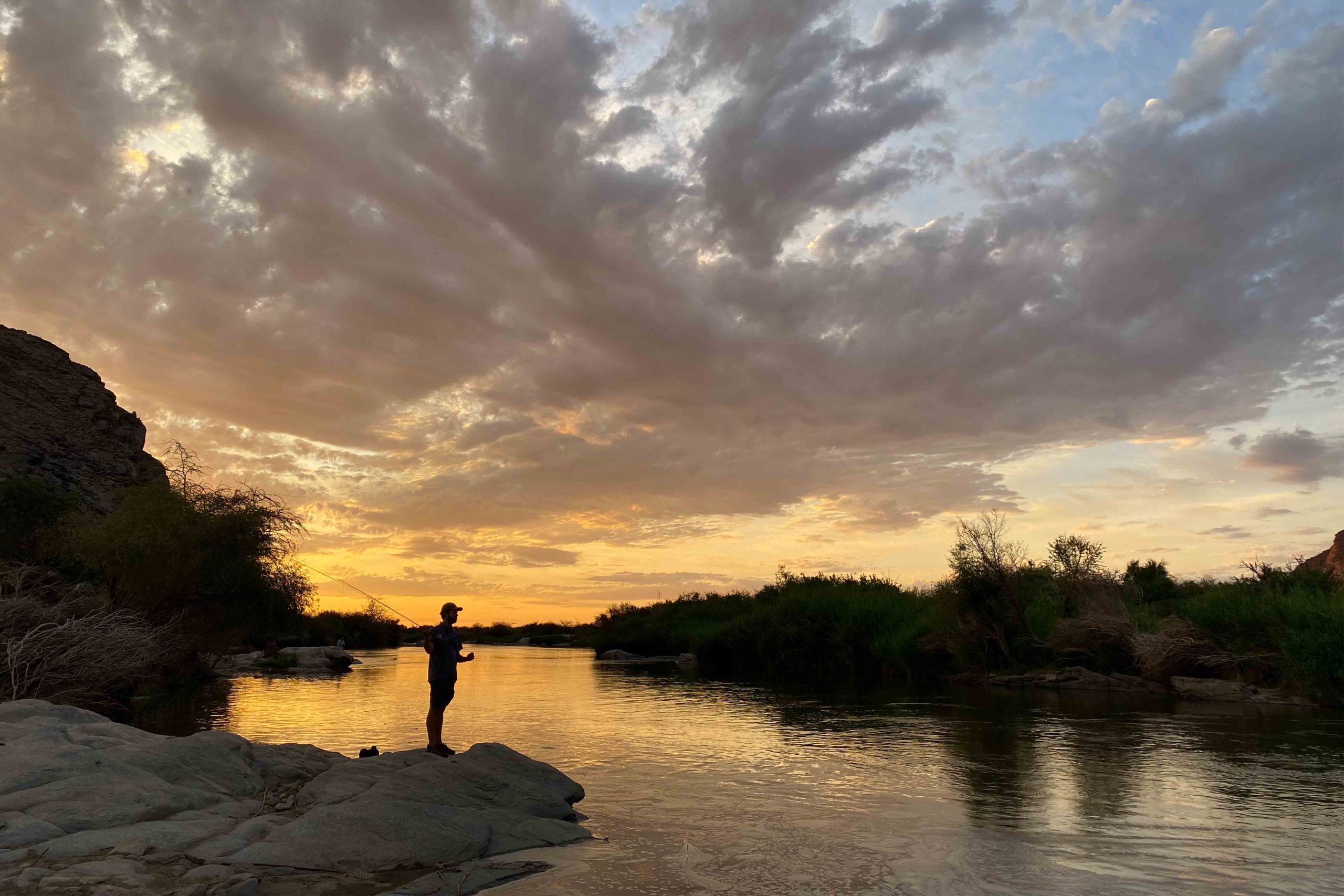
A few glorious days followed. The fishing was not as good as we had hoped. We blame either the inevitable cold front, the howling wind and sand storms or the inefficient water-time. Definitely never angler skill or even worse – luck. We did land a few fish each so we were content. However, simply being in such a remote area after getting there on your own steam is a wilderness reward in itself. Every morning was greeted with the traditional coffee and rusks, eyeing the water for rising fish, and helping Lood fill his camel-back from one of his clumsy 5-litre bottles. Days were spent bumping along rocky ridges, slowly guiding vehicles through tricky boulders and kloofs, wondering at the spectacular surrounds, wading rapids, or making car-side lunches. In the evenings we sipped ice-cold fireside beers, dodged scorpions and sun spiders (aka sagte pootjies) and gazed at a million silent stars.

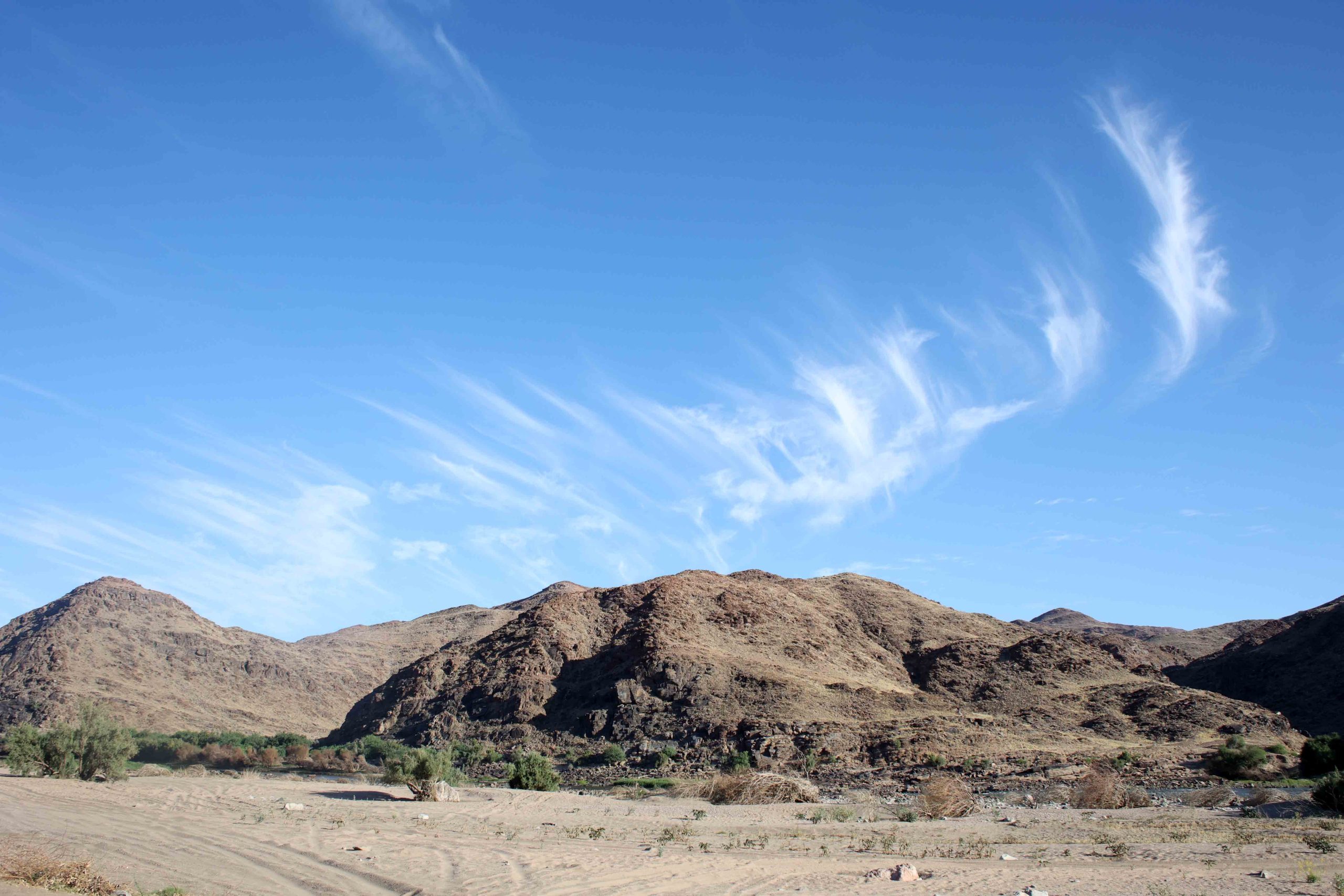
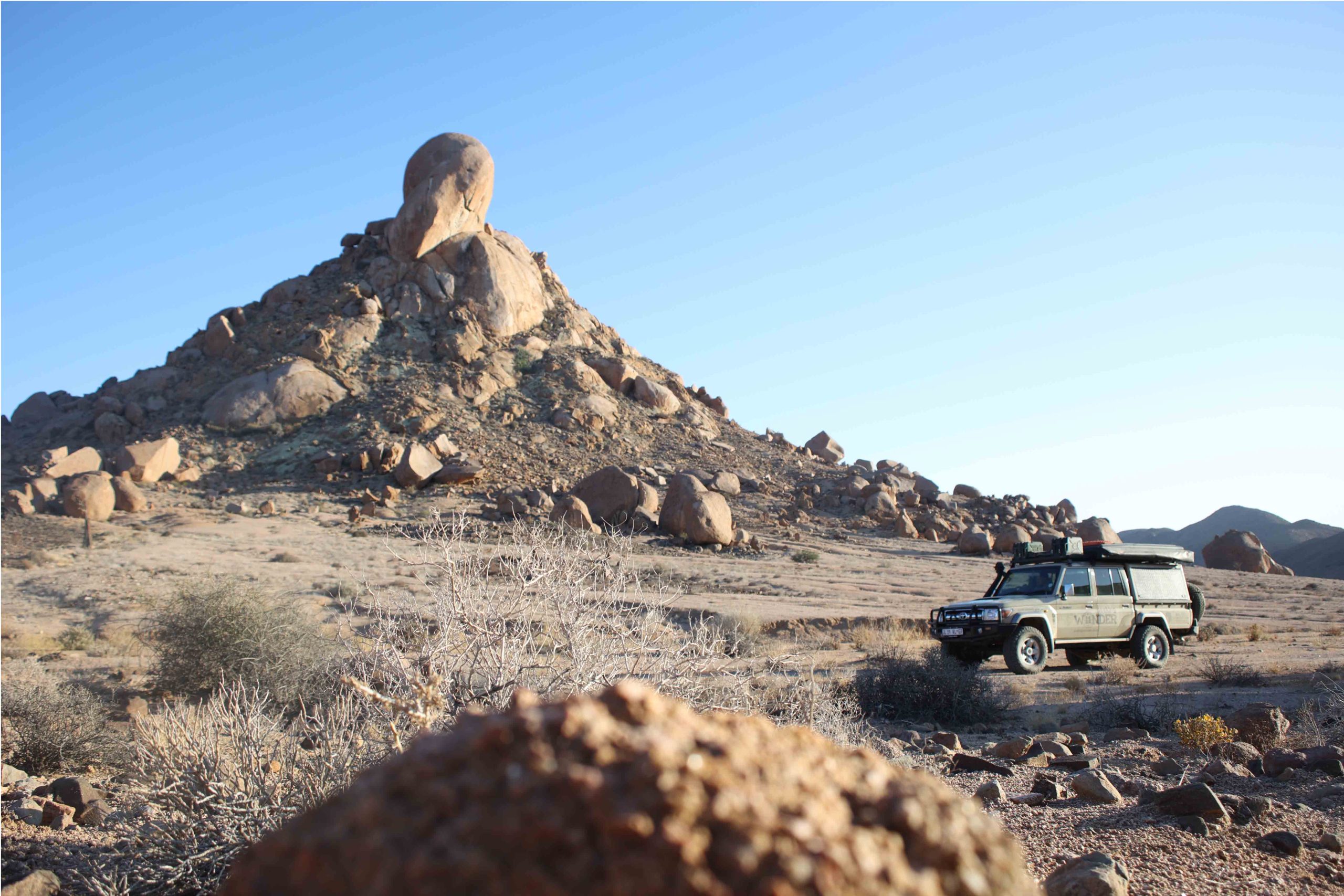
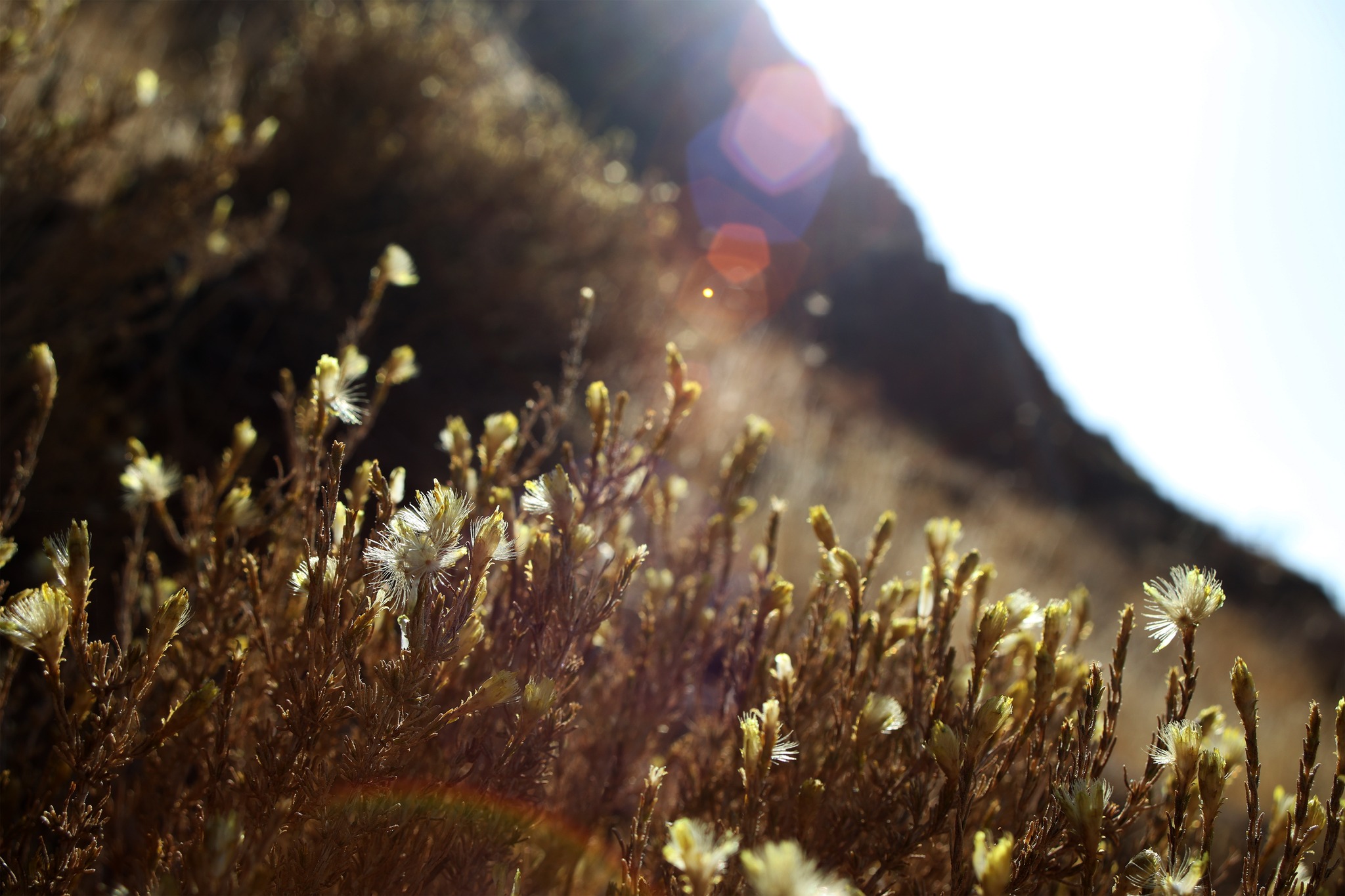
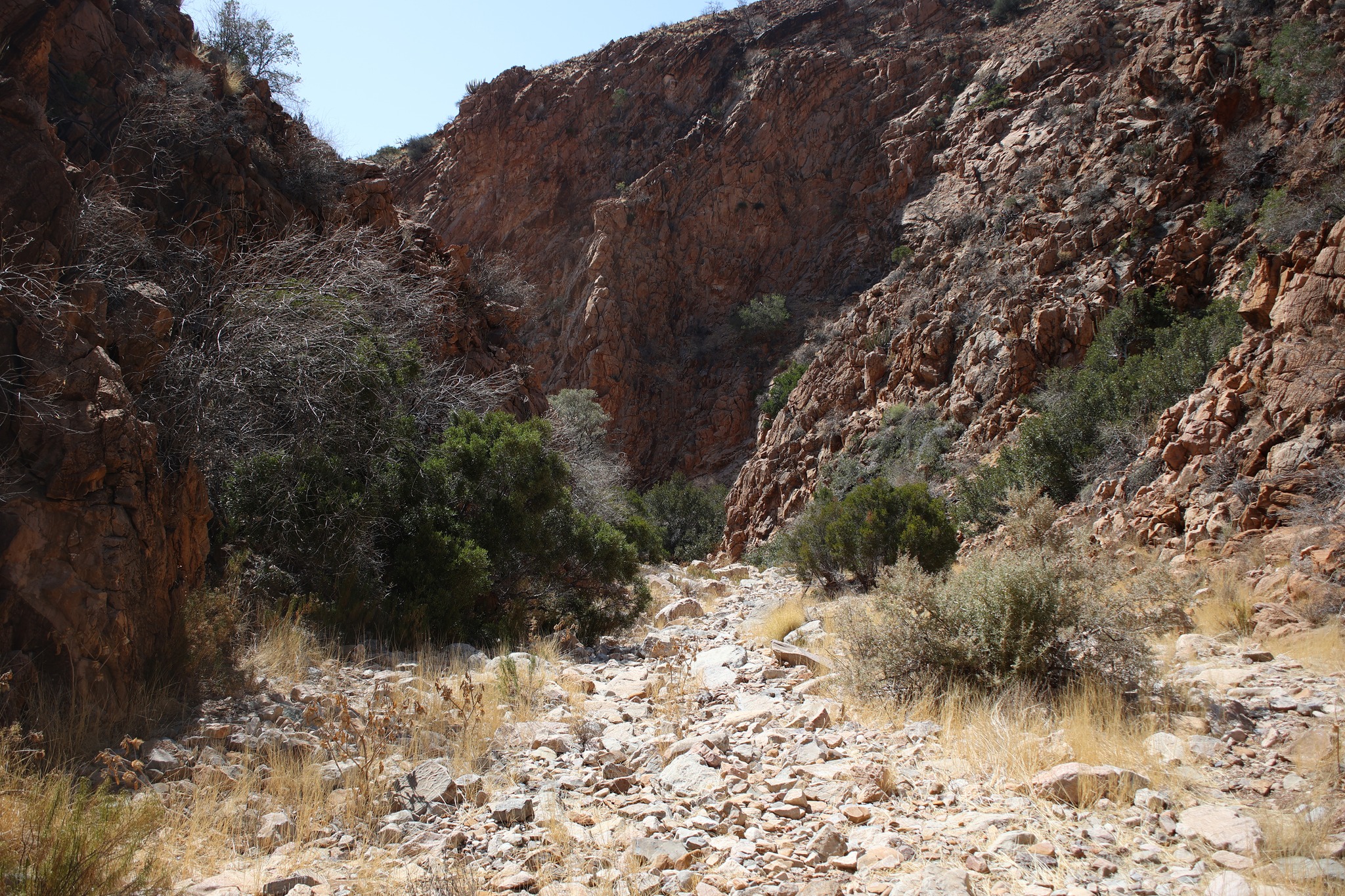
As with any great trip it was over too soon. After Lood hit the long road back to Gauteng (inclusive of ten now- empty 5-litre bottles) we continued onwards to the /Ais/Ais-Richtersveld Park. Tucked into one of the most far-flung corners of the country, it is well worth the trouble getting there. This rugged mountain desert has one of the highest densities of arid plant species in the world and in its dry air, craggy rocks and unique trees we found an unbelievable, deafening silence. We spent a week in this ancient place, listening to fish eagles along the river, exploring the land- and waterscapes and watching fireflies at night.

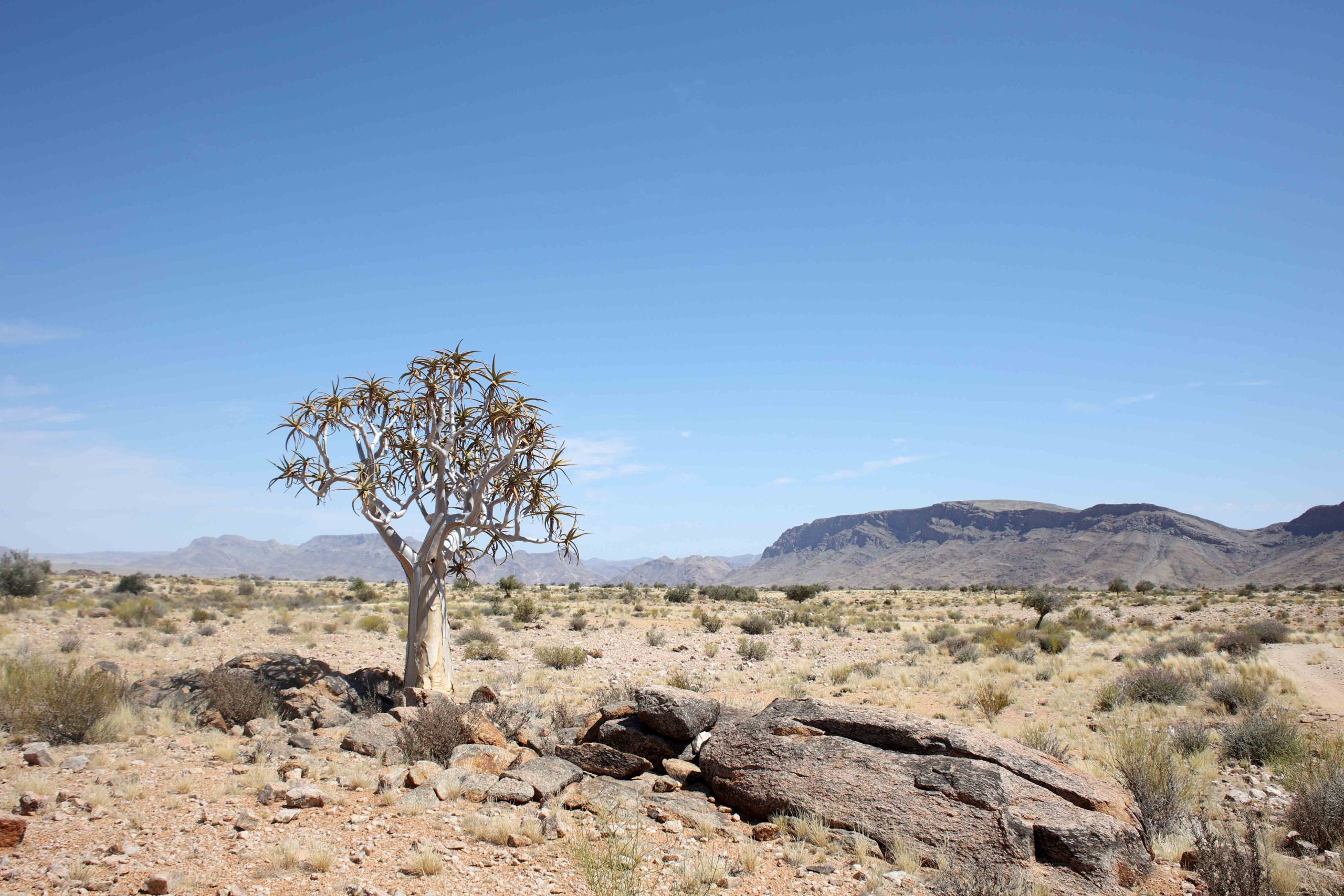
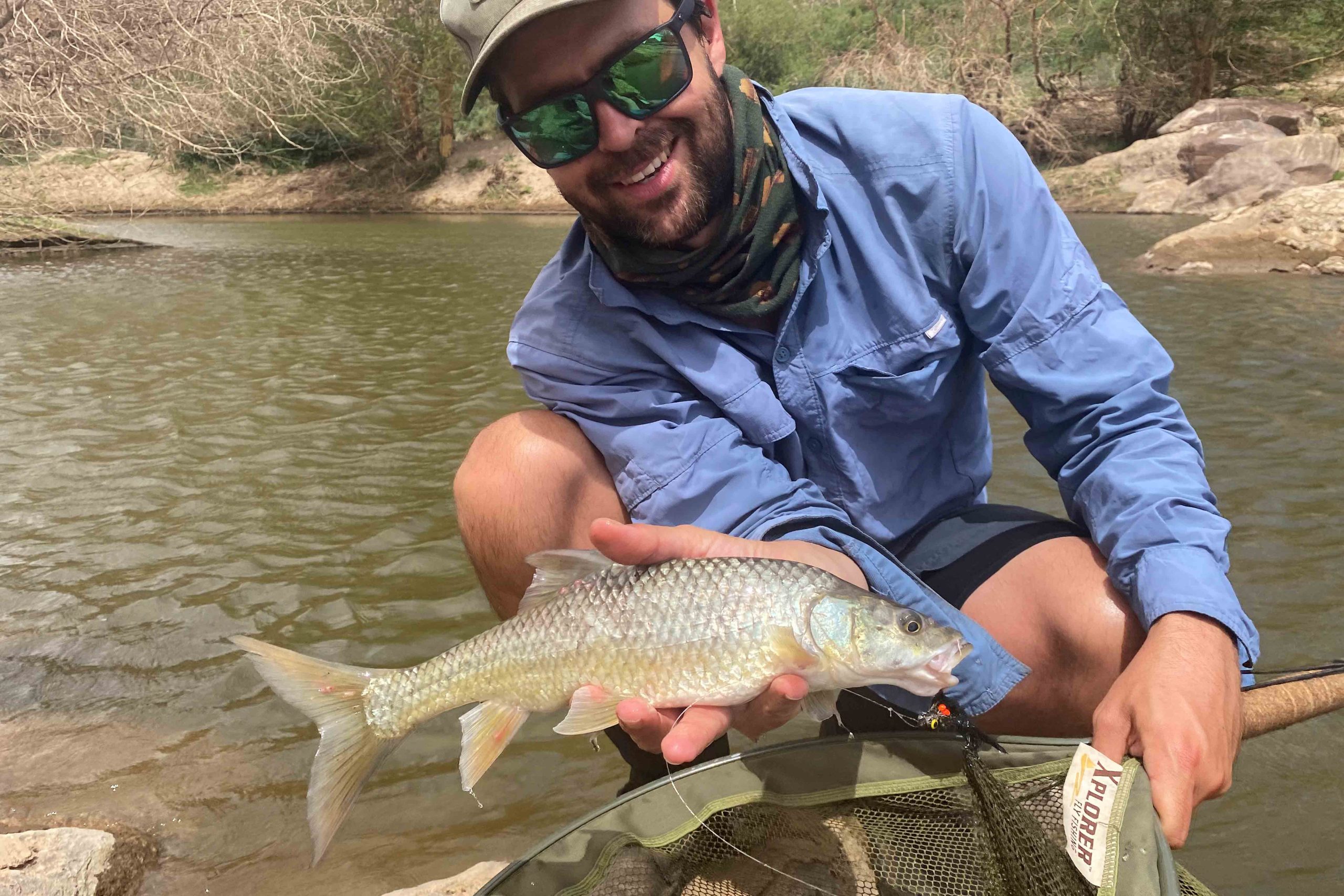
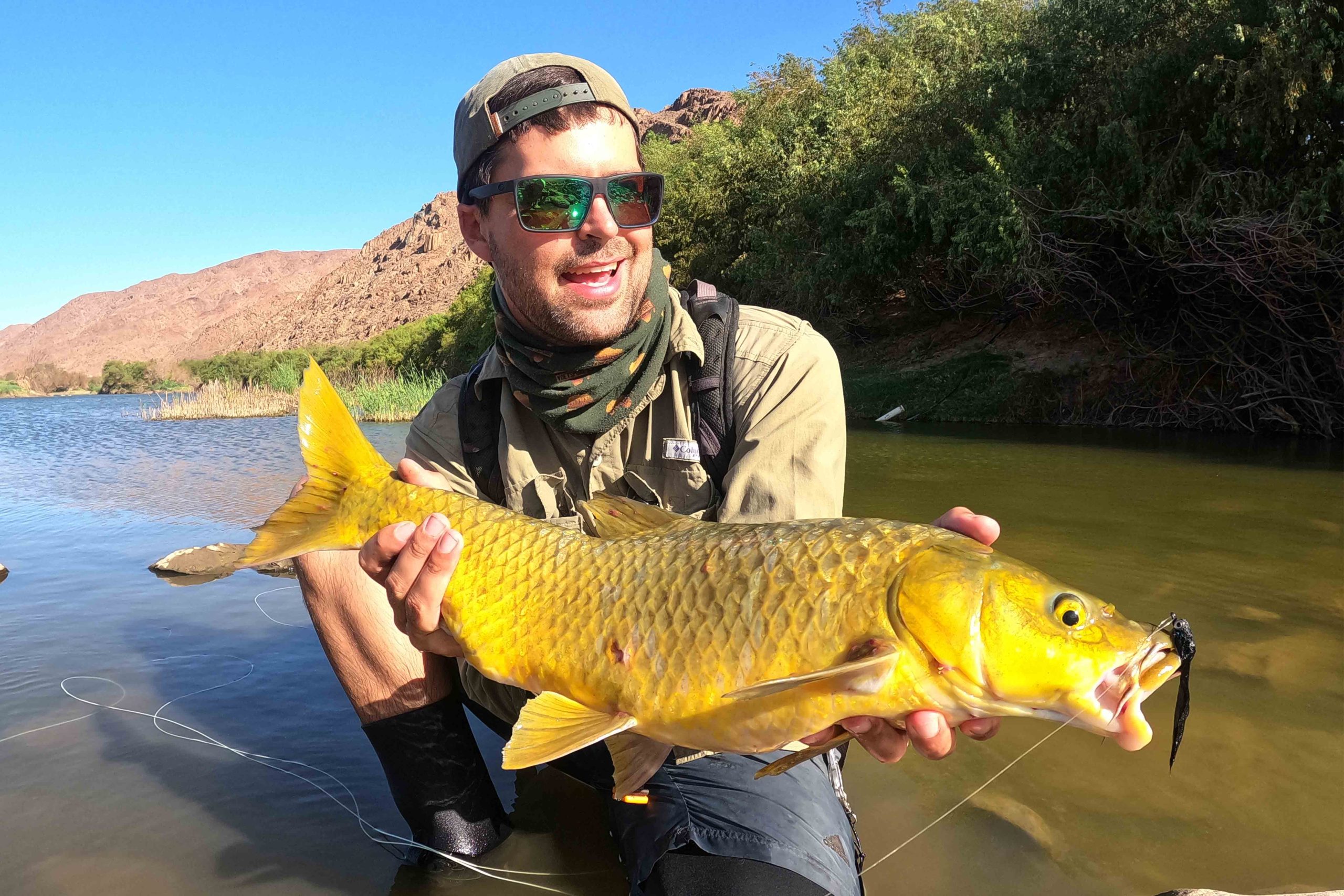
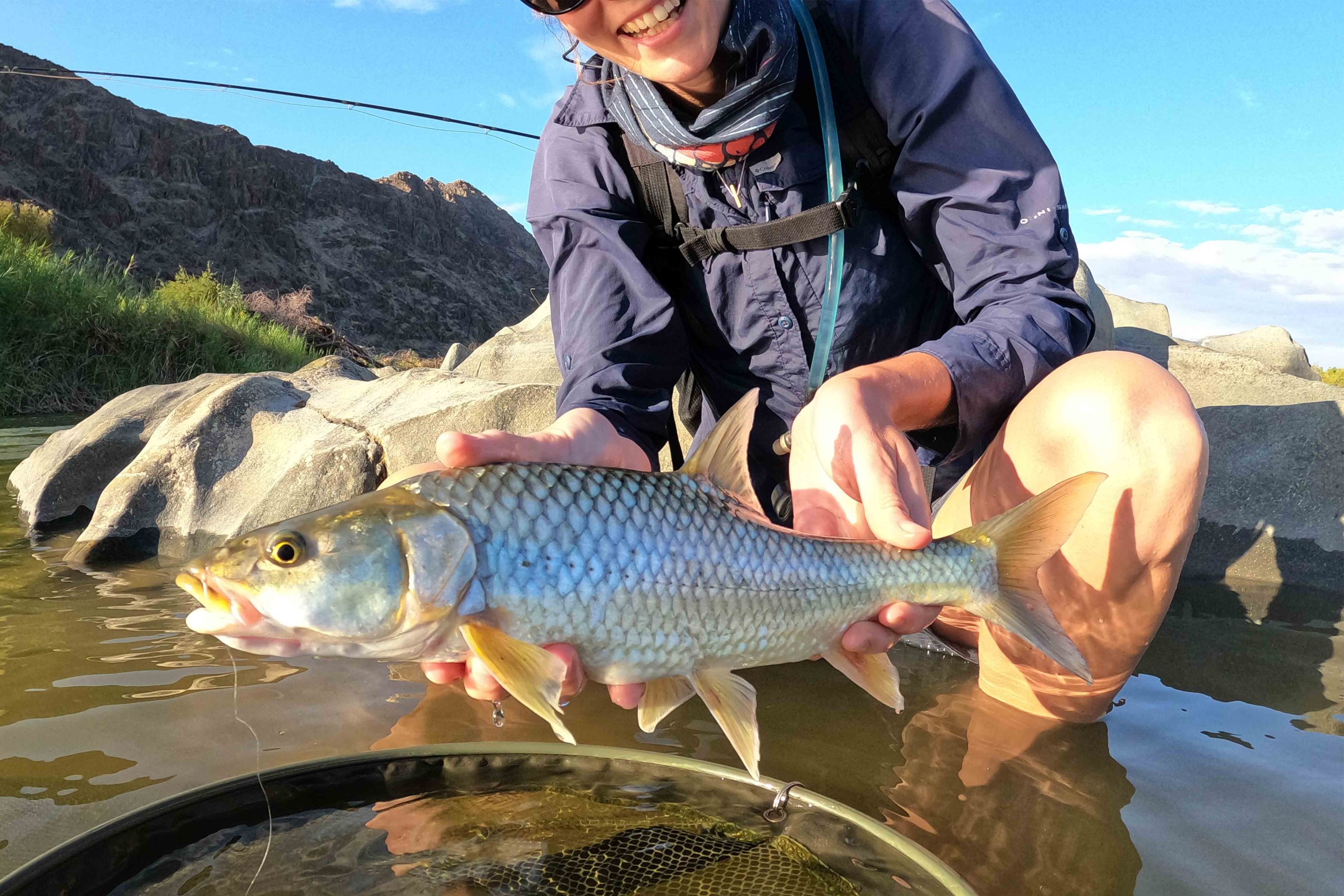
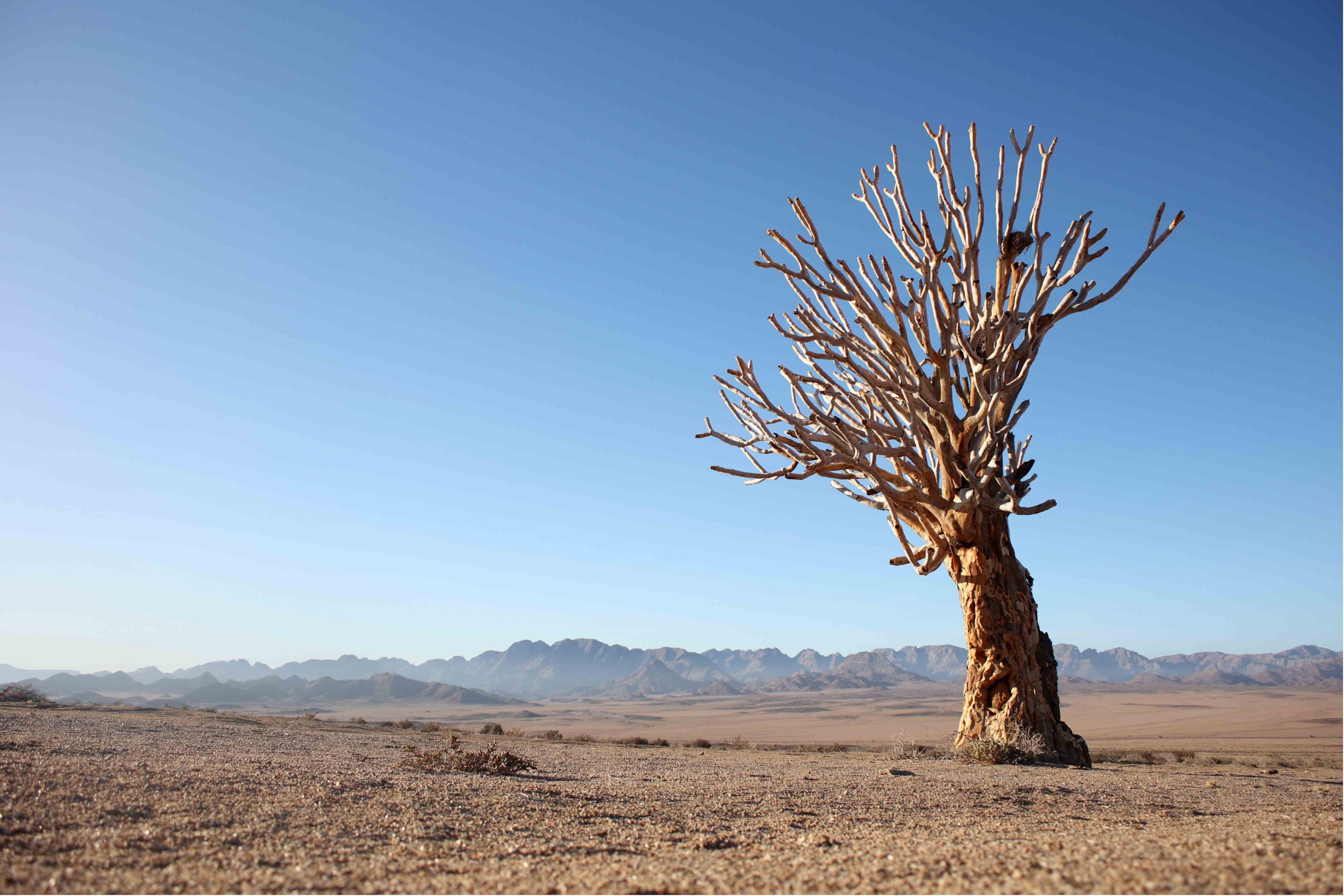
We drove rocky passes like the Helskloof where the endemic Pearson’s aloe grows and slept in the lonely Kokerboomkloof where the enigmatic quiver trees stand guard over you. Camping at Potjiespram, De Hoop and Richtersveld, we hiked and fly-fished our way up and down the remote river. The fishing was fantastic and we landed some beautiful fish, including Simone’s first largie and some beastly streamer-eating smallmouth yellows. Remote wilderness has become rare and it is one of the reasons so many folks return to the Richtersveld. In fact, the only thing remotely bad about it is the horribly corrrrrruggggated road between the park and the silty diamond-smuggler paradise at Alexander Bay. We loved it so much that we are already hatching plans to return. After telling him about it, I already know what Lood’s response will be: ‘Do you mind if I join?’

Some helpful trip information:

Book for the Namakwa 4X4 Eco-Trail here: https://www.namakwa4x4.com/
SOME USEFUL ECO-TRAIL TIPS:

  • The tracks4africa App is great for navigation
  • Have a refuse bag plan – there are none on the trail and burning it/leaving it behind is NOT cool
  • Don’t underestimate daily distances
  • Plan for wind/dust storms – it can get real next to the Orange river
  • Be sure to read and follow the guidelines on the Namakwa 4X4 website on making fires and use of bush ablutions – let’s keep the wilderness pristine!
  • Wear boots/shoes at night – scorpions is a thing here

|Ai-|Ais/Richtersveld Transfrontier Park camps we loved:

  • Potjiespram
  • De Hoop
  • Richtersberg
  • Tatasberg
  • Kokerboomkloof

You can book them here: https://www.sanparks.org/parks/richtersveld/

A desert dessert

A desert dessert

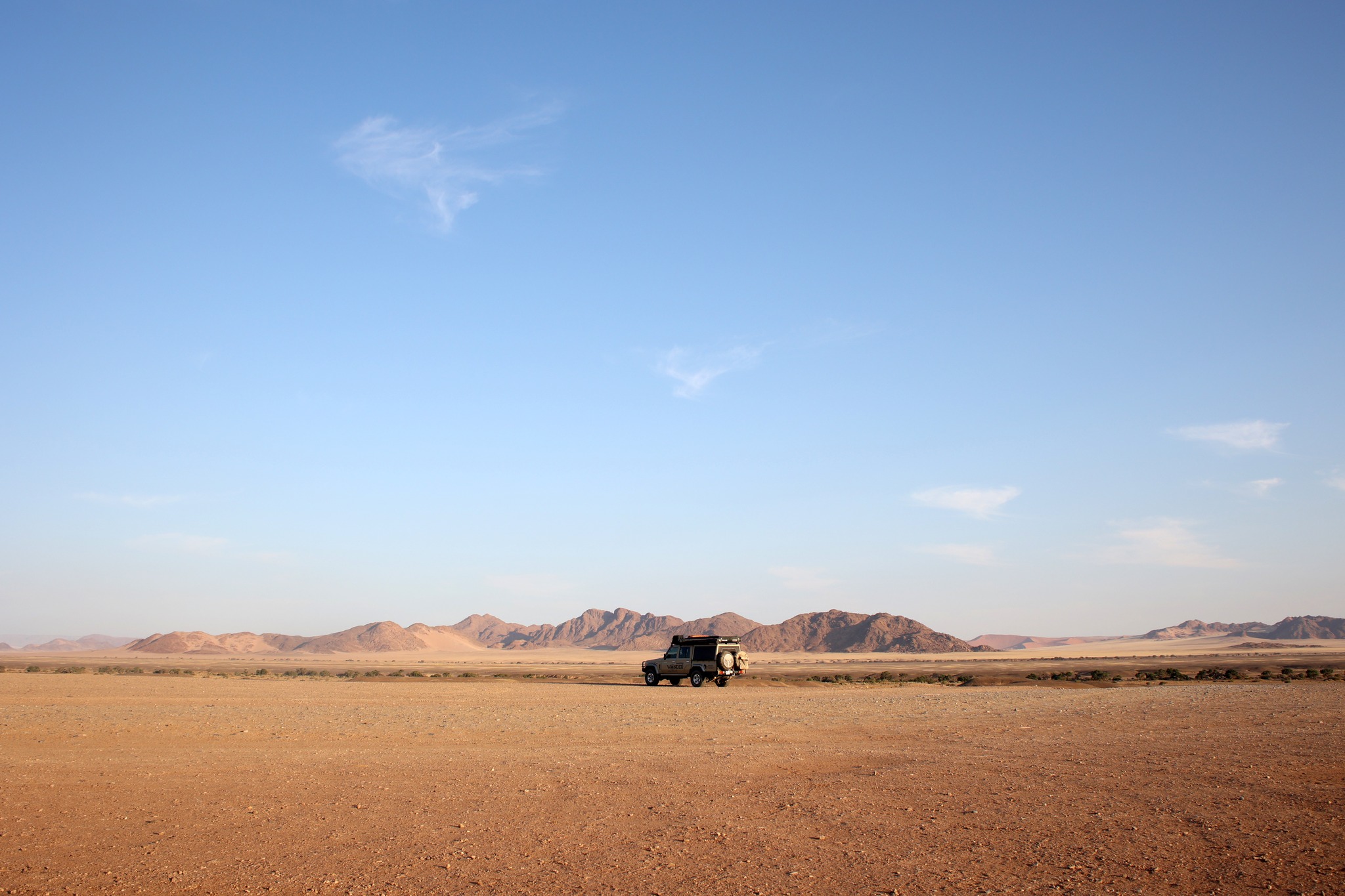
After two whole months, our Namibian overlanding adventure was nearing its end. But just as a glorious five-course meal is not complete without a sweet dessert, our expedition still had a last hurrah to look forward to: the Namib desert and its immediate surrounds! We explored it from north to south and put together our own recipe to make the perfect trip dessert from this wonderful desert.

1. Start with eggs

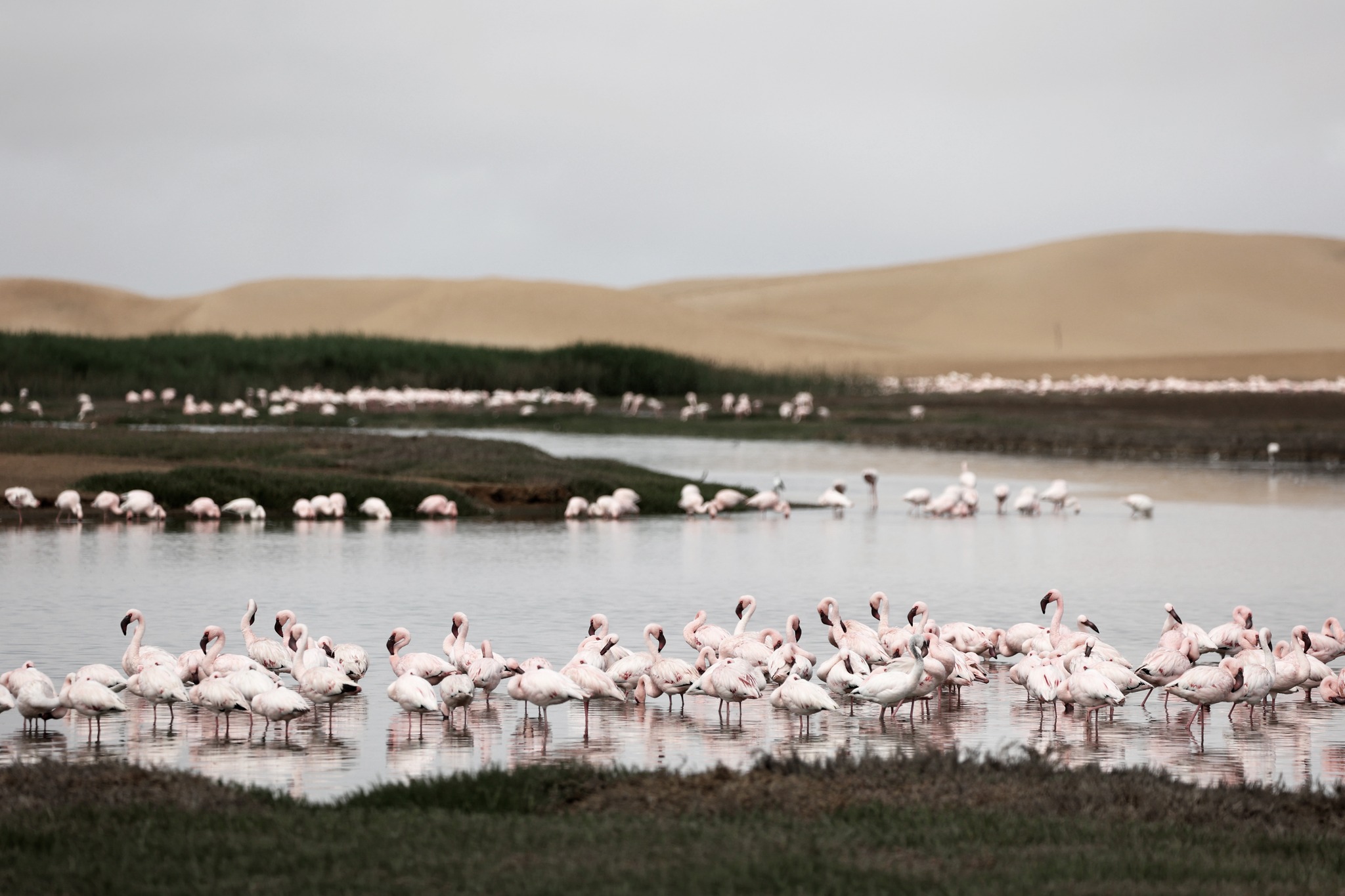
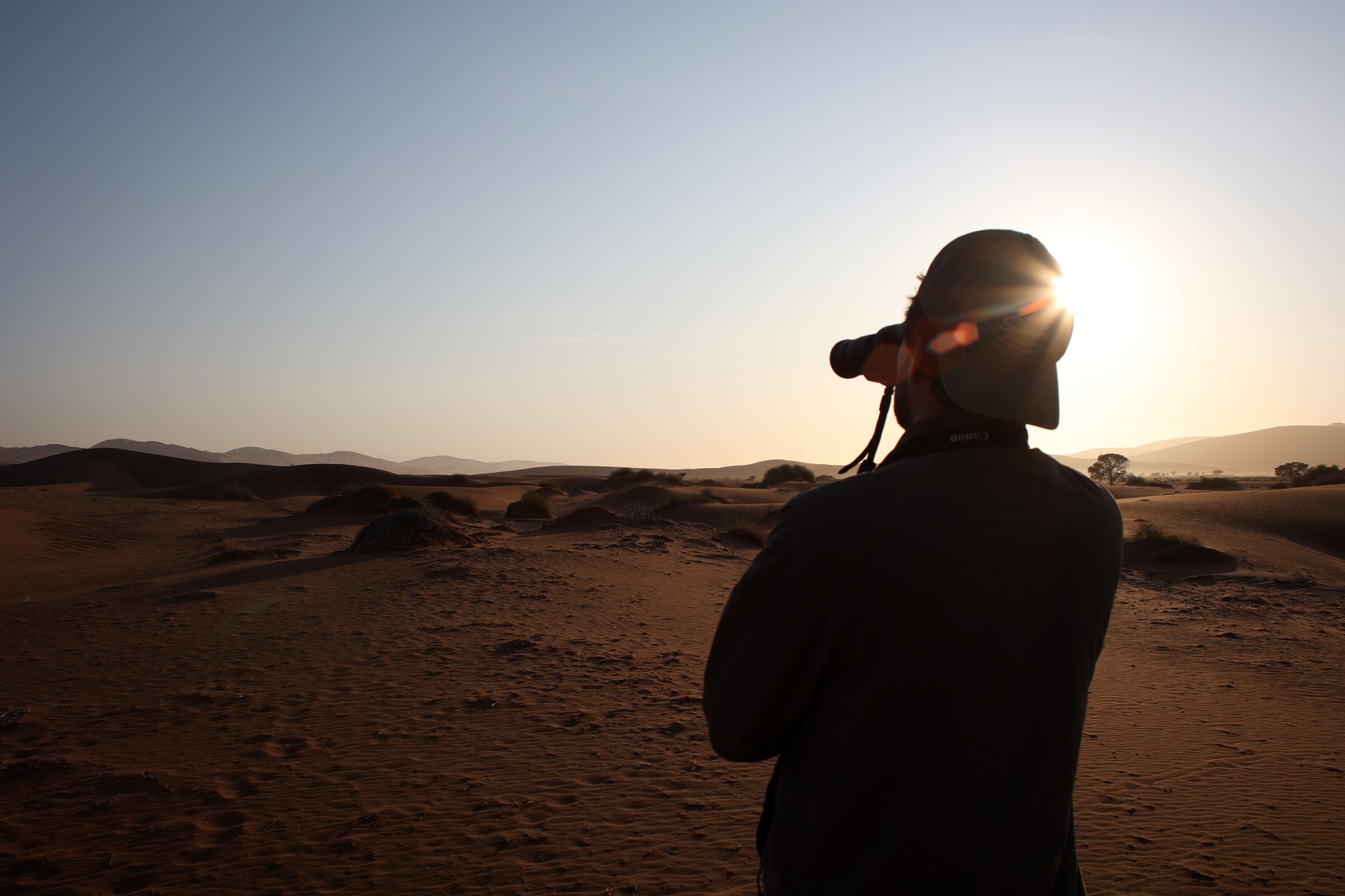
The birdlife of the Namib and its coastline is superb. Greater and lesser flamingos congregate in their thousands in the pans and estuaries near Walvis Bay throughout the year. Along with the Sandwich Harbour lagoon, this area forms the most important coastal wetland in southern Africa. Hundreds of resident, intra-African and Palaearctic migrant species congregate here. Some species depend vitally on it, such as the chestnut-banded plover of which 95% of the world’s population lives here. Moving down through the desert towards Aus is equally rewarding, with many fascinating (and difficult to identify) larks becoming the chief target. We loved exploring the areas with our binos and cameras, and added many wonderful species to our life list. Some of the many highlights included black-necked grebe, Eurasian whimbrel, Gray’s lark, Barlow’s lark, Herero chat, crowned cormorant and various plovers and terns.

2. Add a pinch of salt

Salt works is a major industry on the Namibian desert coastline, the largest of which is near Walvis Bay and Swakopmund. We camped at the very luxurious and manicured Alte Brűcke campsite for a few days to catch up on work (wi-fi is not a thing in the proper desert), restock and explore the wonderful town of Swakopmund. One very rarely hears negative things of Swakop, and we could see why – spotlessly clean streets, friendly people, a seaside promenade where you can walk safely at night (what?) and some of the best food we have ever tasted. Even though we usually try to minimise time in towns in favour of the wilderness, we wished we spent more time here. The butter-soft calamari from Jetty 1905, the top-notch flat white coffees from Slowtown, the beautiful historic streets and the relaxed seaside atmosphere are only some of the reasons why we will be back.

3. Mix the active ingredients

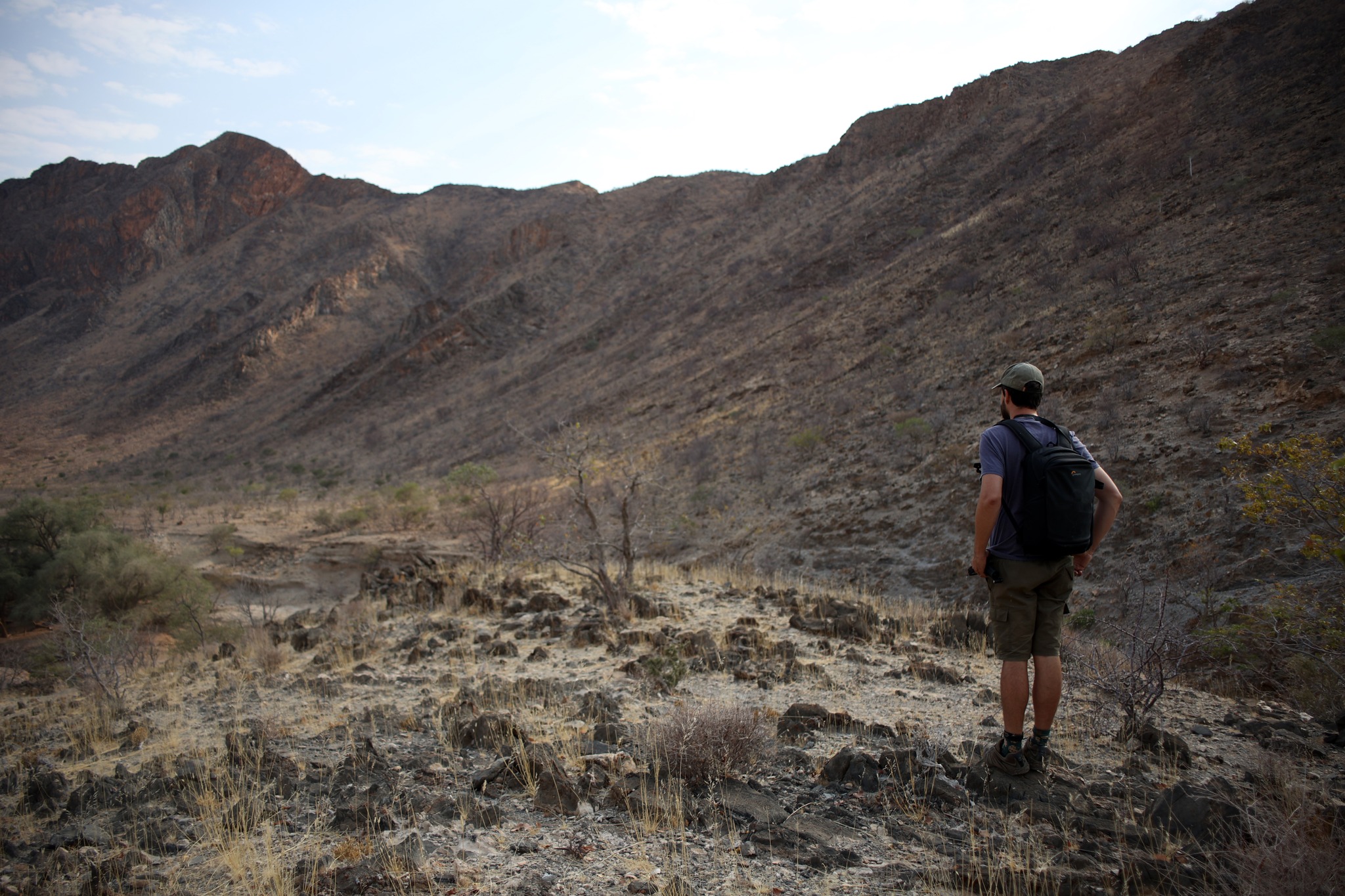
Let’s go for a hike in the desert. Said no one ever. Although the Namib-proper will kill anyone foolish enough to cross it on foot without enough water, there are some fantastic hiking trails in wild areas on the desert edge. One of these is the Namib-Naukluft Mountain Zebra National Park, a less-visited gem. We found camping here to be very peaceful, except in the mornings when raiding baboons created mayhem second to none. Namibia’s longest and toughest multi-day trail (no, it’s not the Fish River) runs through the valleys in this park. Various day-hikes are also on offer, such as the 12 km Olive Trail we opted for. Traversing beautiful mountains and then descending and following a narrow valley flanked by cliff faces, the trail is certainly not an easy one. However, our efforts were rewarded with spectacular views, unique geological features, and a sense of solitude that can only be found in Namibia’s wild places.

4. Bake until golden

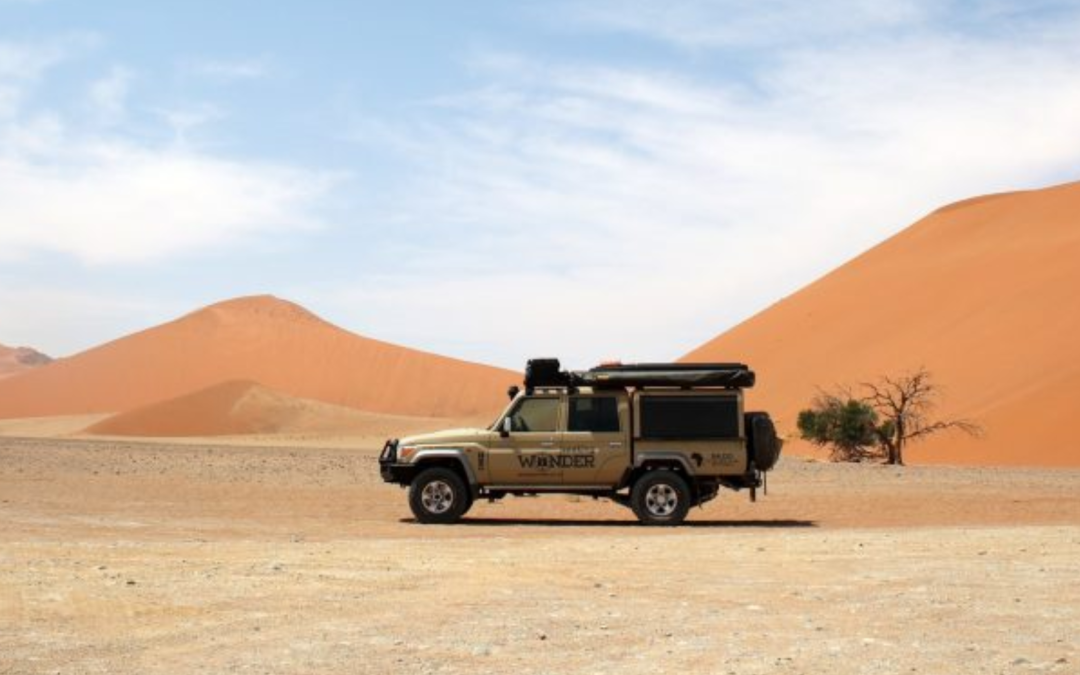
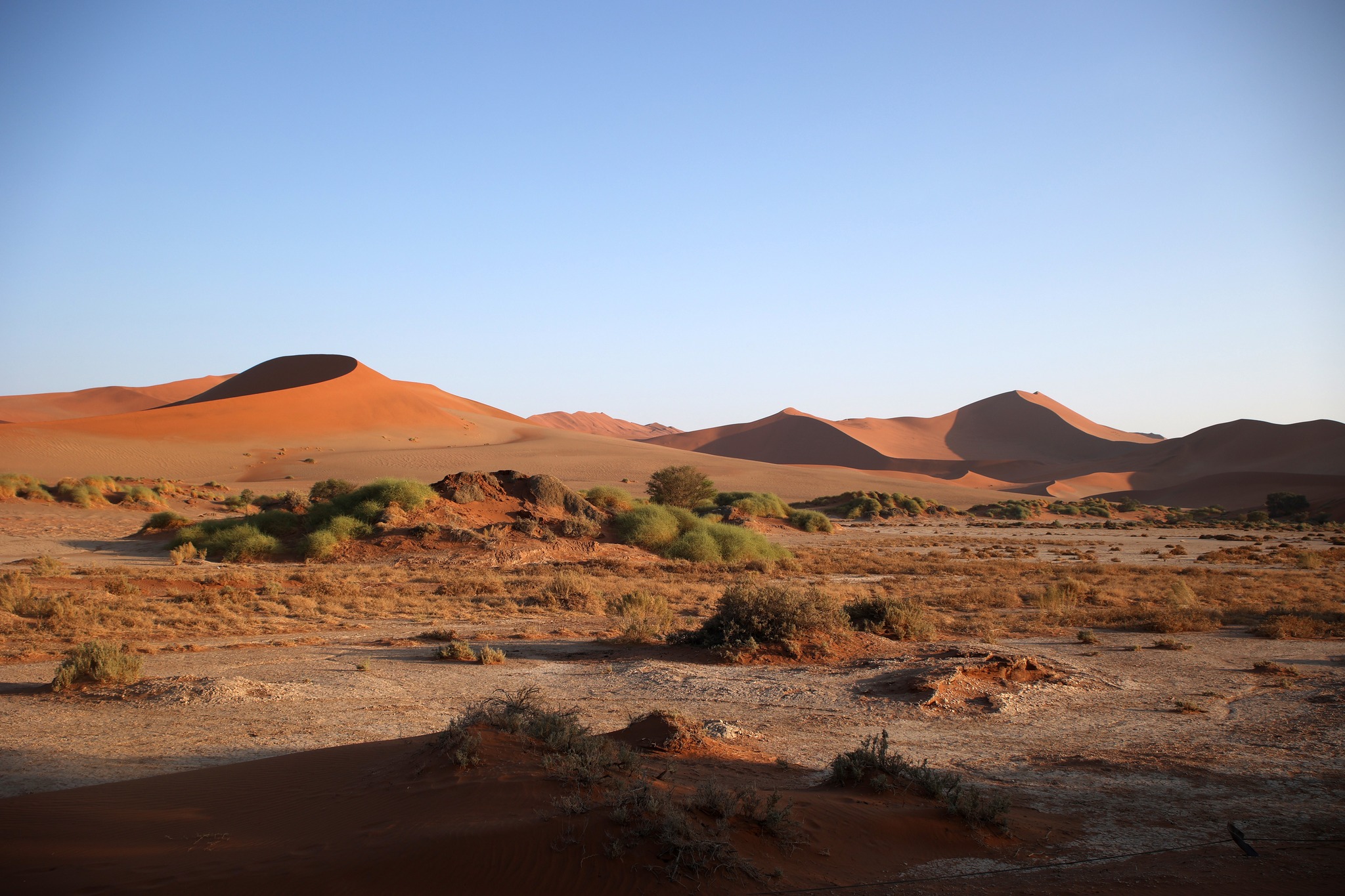
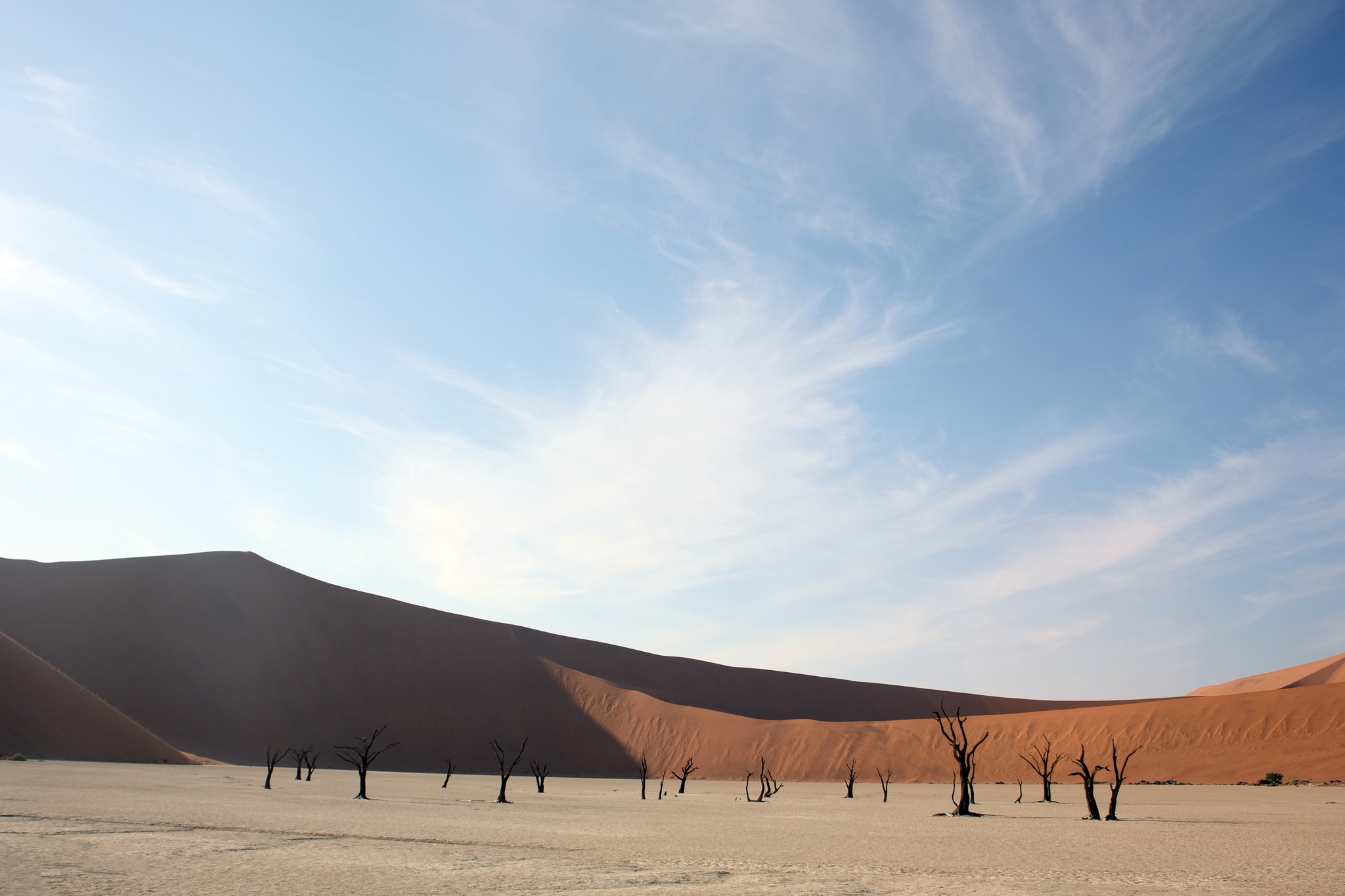
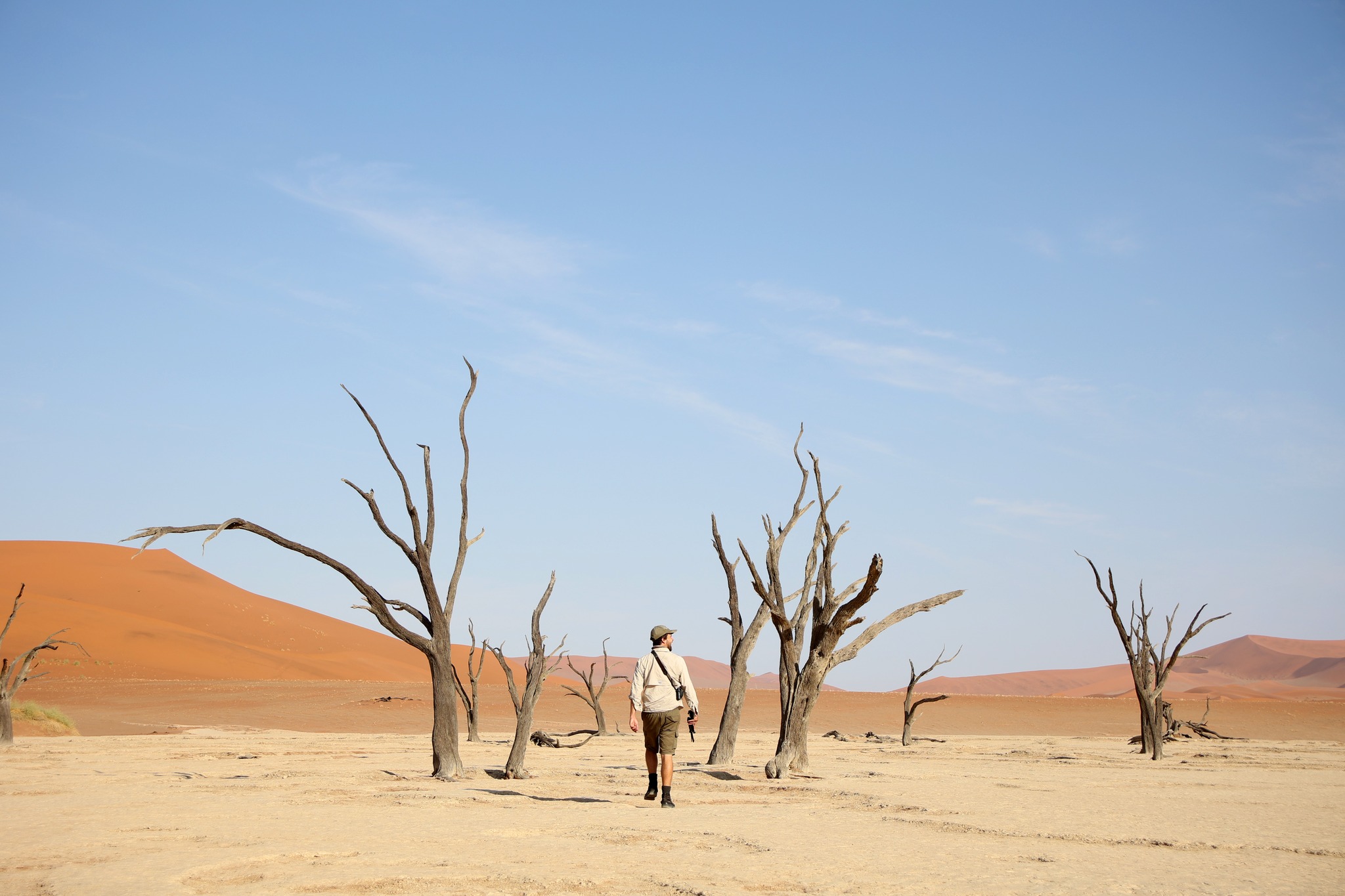
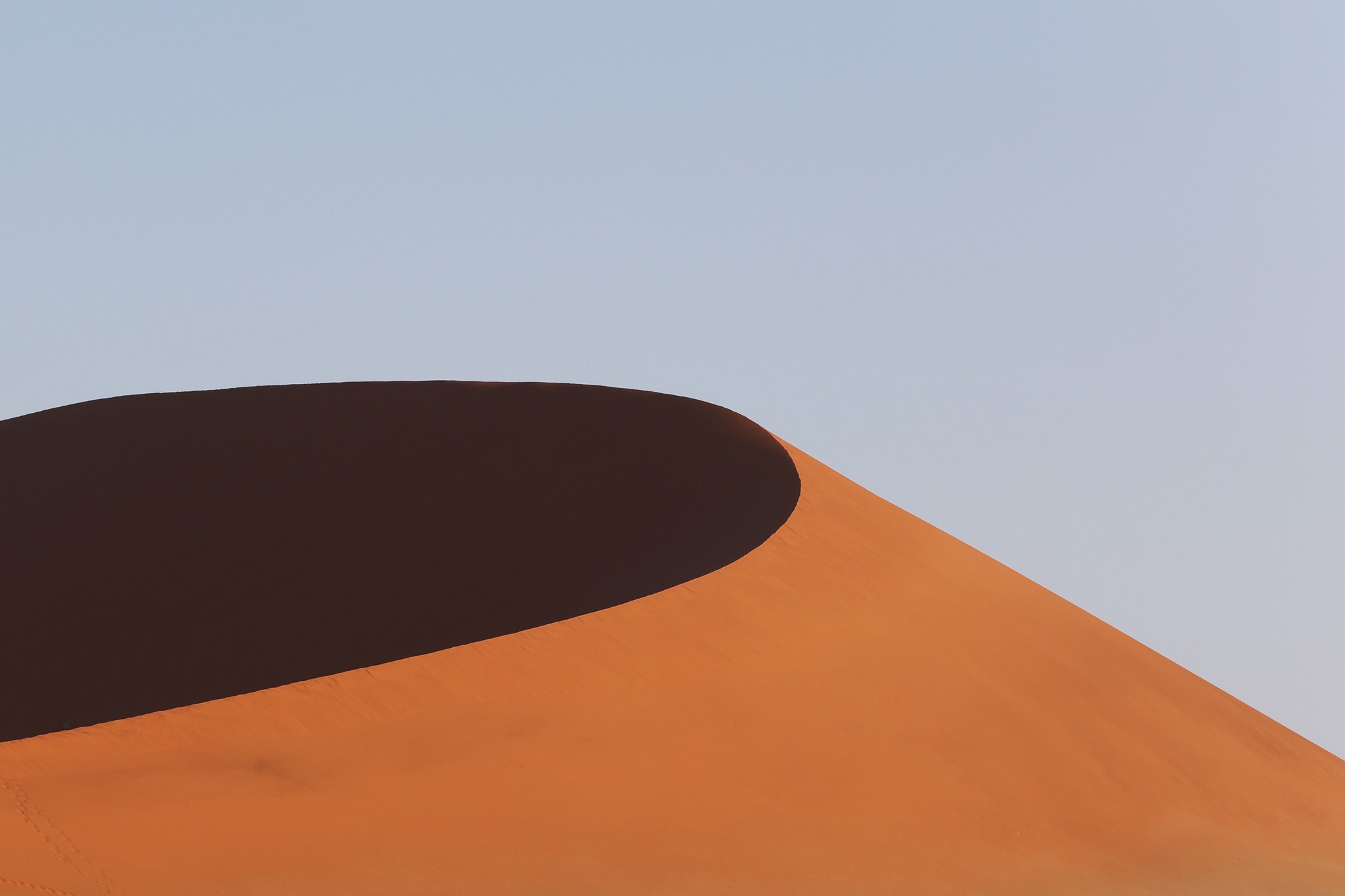
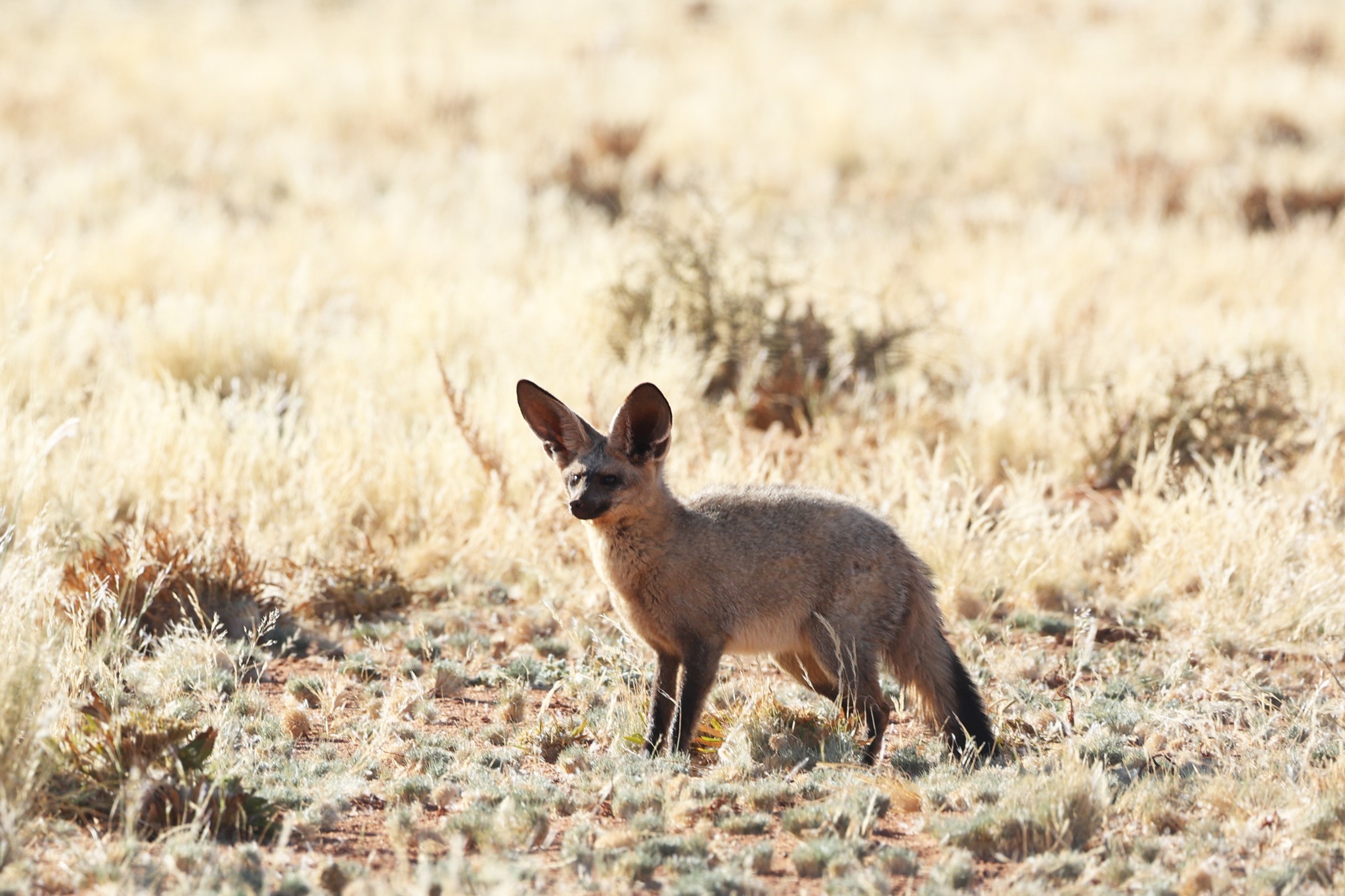
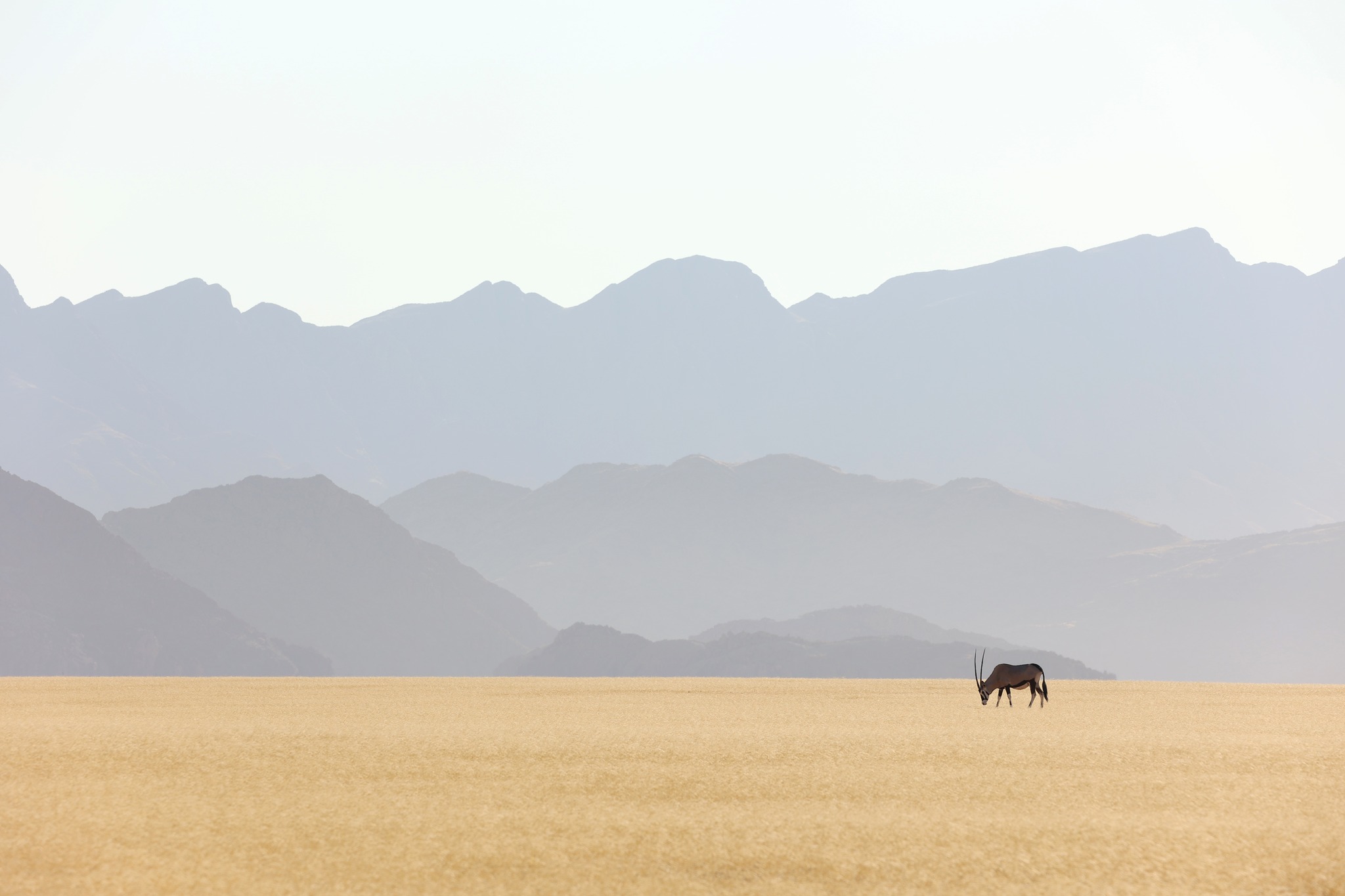
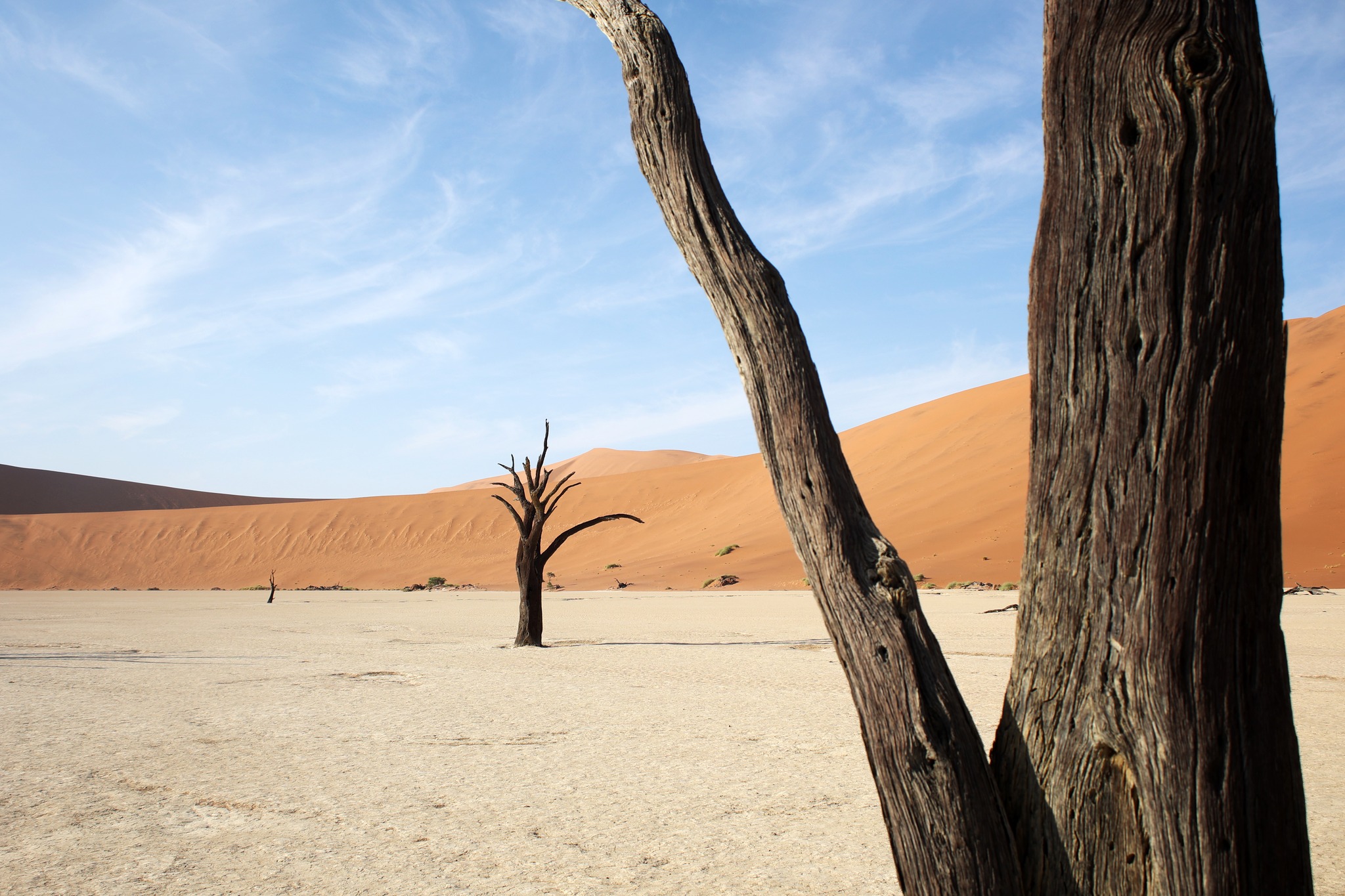
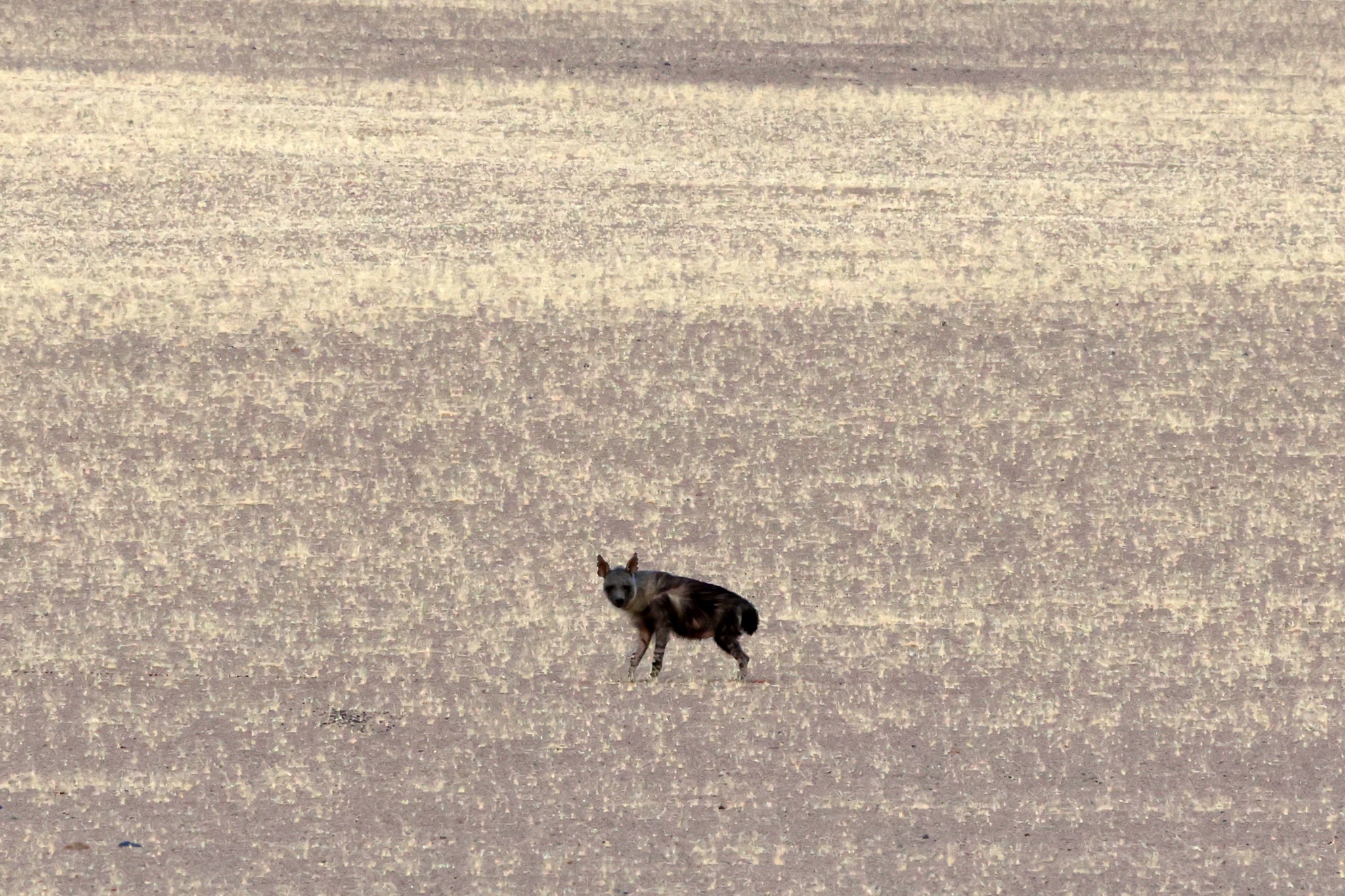
The surrealistic golden landscapes of Sossusvlei attract tourists and photographers from around the globe. It is busy, but for good reason – where else can you walk through a forest that had died during the same time as Europe’s plague in the 1300’s? From Dune 45 and Big Daddy (some of the world’s highest sand dunes) to the dramatic Deadvlei, this is a place where you cannot but wonder. The desert is also alive with creatures of all sizes. We marvelled at a shy brown hyena, pronking springbok and small wonders such as the Namib desert beetle – a small creature that collects water from early morning fog through the bumps on its back. In the NamibRand Nature Reserve we were lucky enough to have many beautiful desert creatures visit our campsite. A hunting Cape fox, curious oryxes, hundreds of drinking Namaqua sandgrouse and shy bat-eared foxes all came to the party.

 5. Serve hot and enjoy!

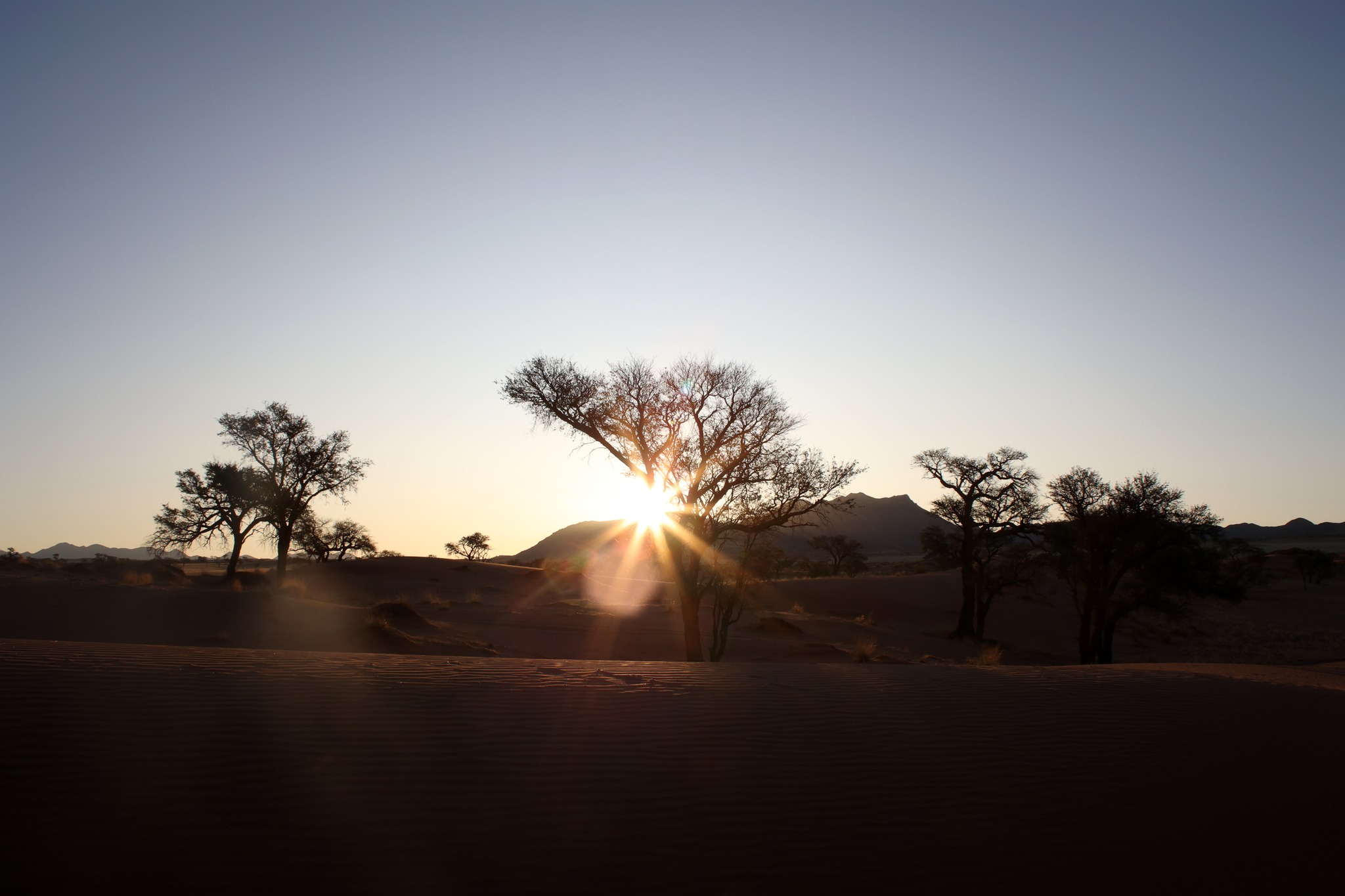
The desert hides many secrets – from the many forgotten tales of those who perished there in search of diamonds to creatures that researchers are yet to discover. During the day heat waves simmer quietly as the red dunes hide many-horned adders and Namib-sand geckos. At night the coldness settles like a blanket while a million stars watch over your campfire. The Namib desert is indeed a place of dramatic contrasts and of intense beauty, and we cannot wait to be back for a second helping.

Some helpful trip information:

Swakopmund camping with wi-fi: https://altebrucke.com/ 

Coffee for the win: http://slowtowncoffee.com/ 

Calamari to die for: https://lighthousegroup.com.na/jetty-1905/ 

Naukluft Zebra Park campsite and hiking trails: -24.2640, 16.2387

A camping gem near Sossusvlei: https://www.littlesossus.net/ 

NamibRand Nature Reserve remote campsites: http://www.nrfhideout.com/

The elephants in our cruiser

The elephants in our cruiser

‘Namibia’s wild, free-roaming desert elephants are shy and less accustomed to humans, so give them at least 500 m of personal space.’ Tracks4Africa’s official advice on how to handle possible encounters made it clear that these desert giants are rare and to be given a wide berth. We simply wanted to see one, but after only finding their tracks and dung for days we conceded that the wilds of Damaraland are simply too vast to guarantee a sighting. That was until we heard branches break very close by while relaxing around our campfire in the dry Ugab riverbed. 

The Erongo region, or Damaraland as it was known before, is a beautifully rugged area in central Namibia. It encompasses dramatic mountain-scapes such as the Brandberg (Namibia’s highest peak) and Erongo mountains, dry riverbeds where wild creatures still roam free, a windswept coast teeming with fish, and rocky desert plains. We explored its variety of landscapes and adventures and found much more than we had bargained for. Here are some of our favourites.

Namib Naukluft: rock arches, wide spaces and wild camping 

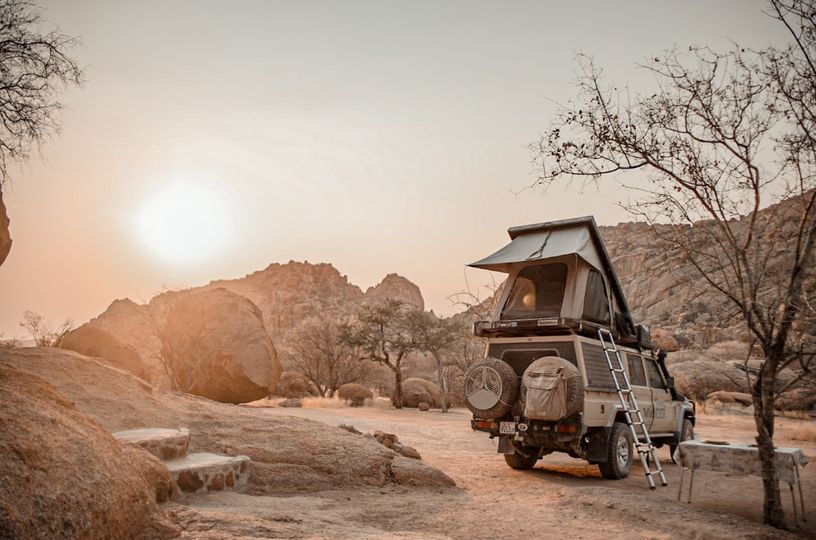
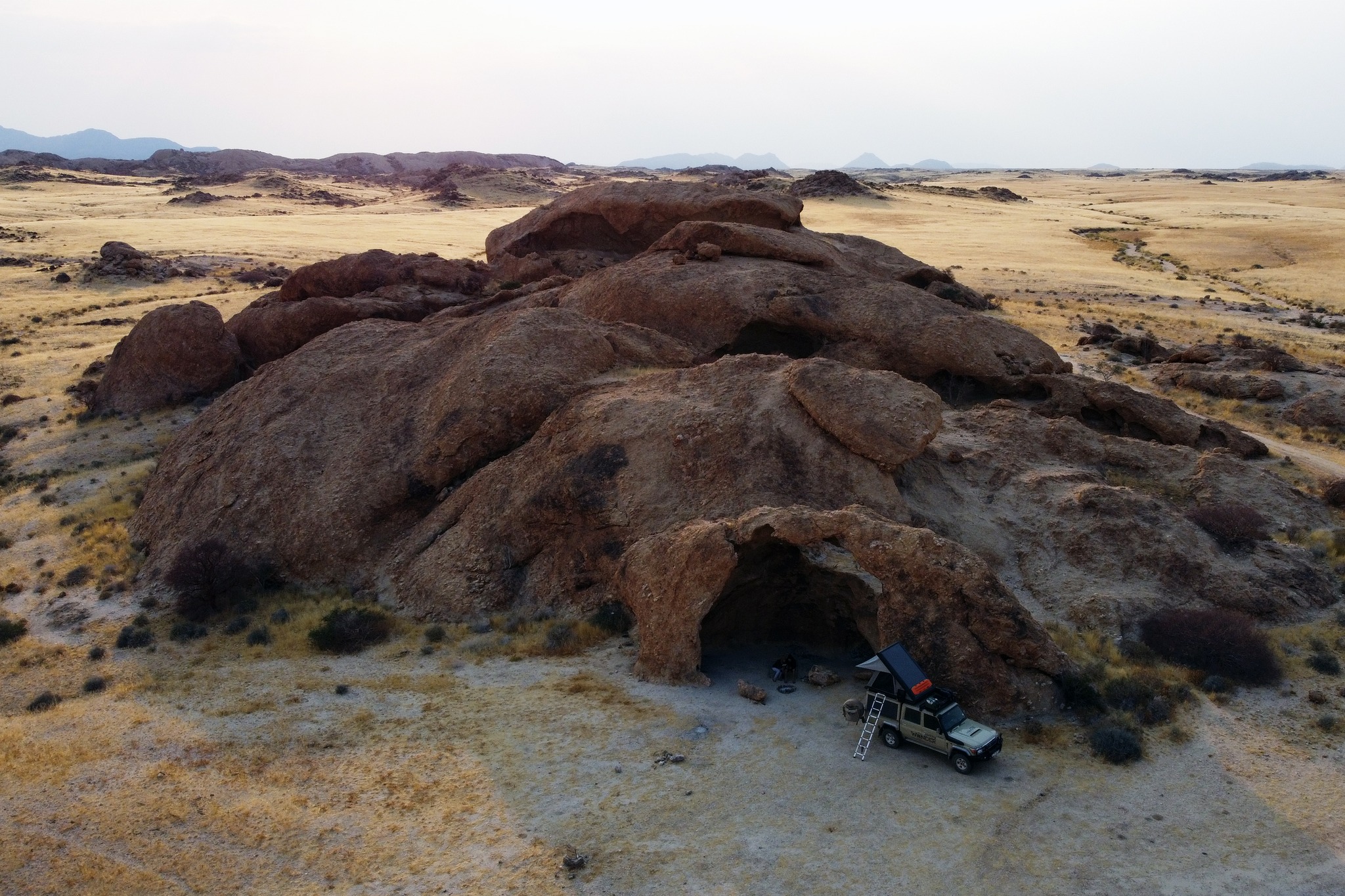
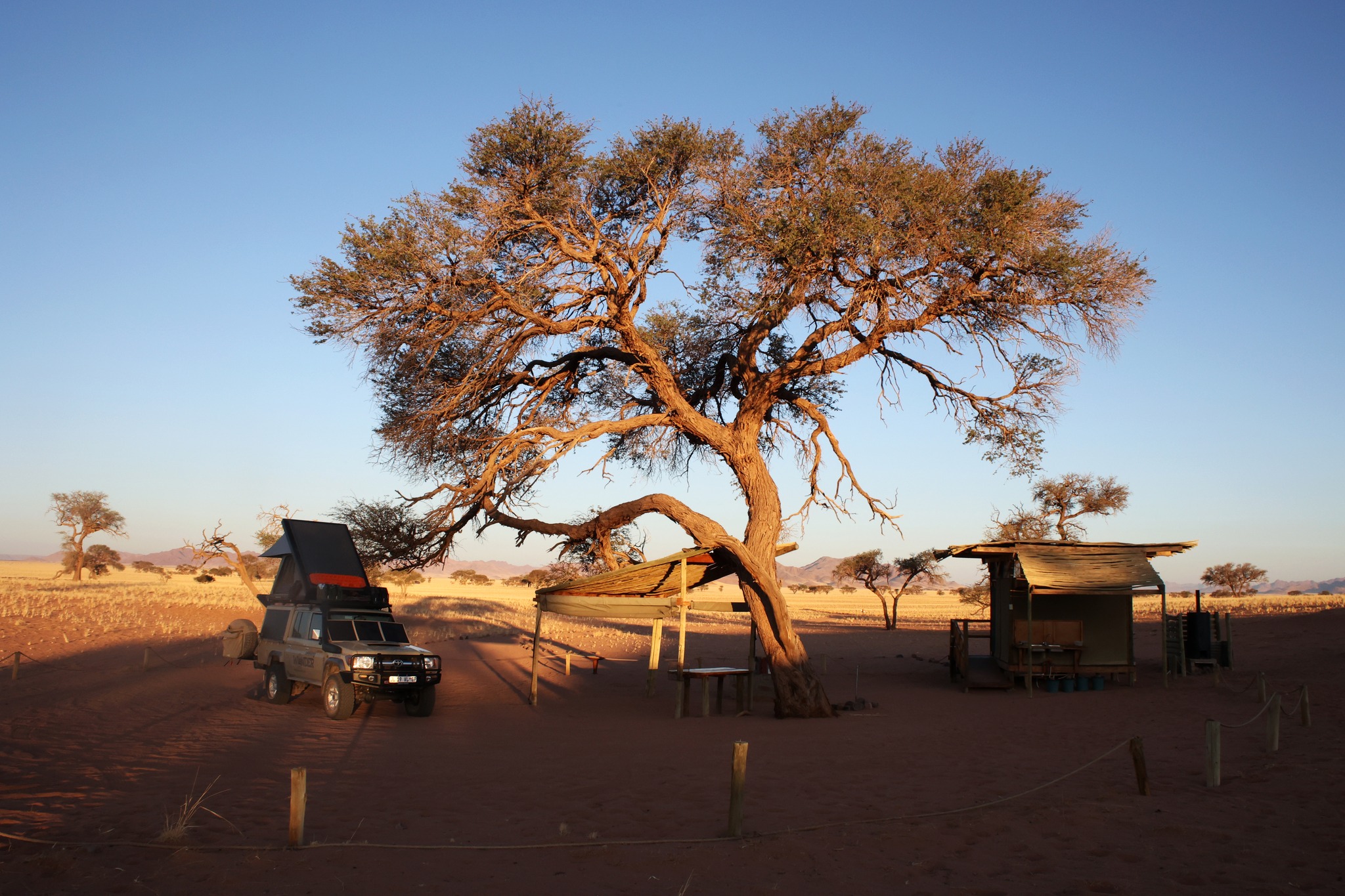
The Namib Naukluft National Park is a vast place, including most of the Namib desert. This is one of the places where you can find the Welwitschia, the fascinating and hard-to-spell endemic plant that is known as a living fossil. The remote wild camping sites in the northern section of the park got our attention, as it is one of the only places you can wild camp (legally) in a Namibian national park, as long as you get a permit beforehand. We drove along the Kuiseb river to look for the dune lark, the country’s only true endemic bird (we missed it, giving us reason to go back). Venturing north, lunar landscapes gave way to dry and rocky plains and eventually turned to swaying grasslands studded with rocky outcrops such as the bloedkoppie, named after the blood red colour it turns at sunset. Our favourite campsite was set under an ancient rock arch. With the nearest people miles away and the milky way stretched across the night canvas, we cooked a chicken stew and watched the flames flicker against the rocks.

Henties bay: beach fishing, seals and terns

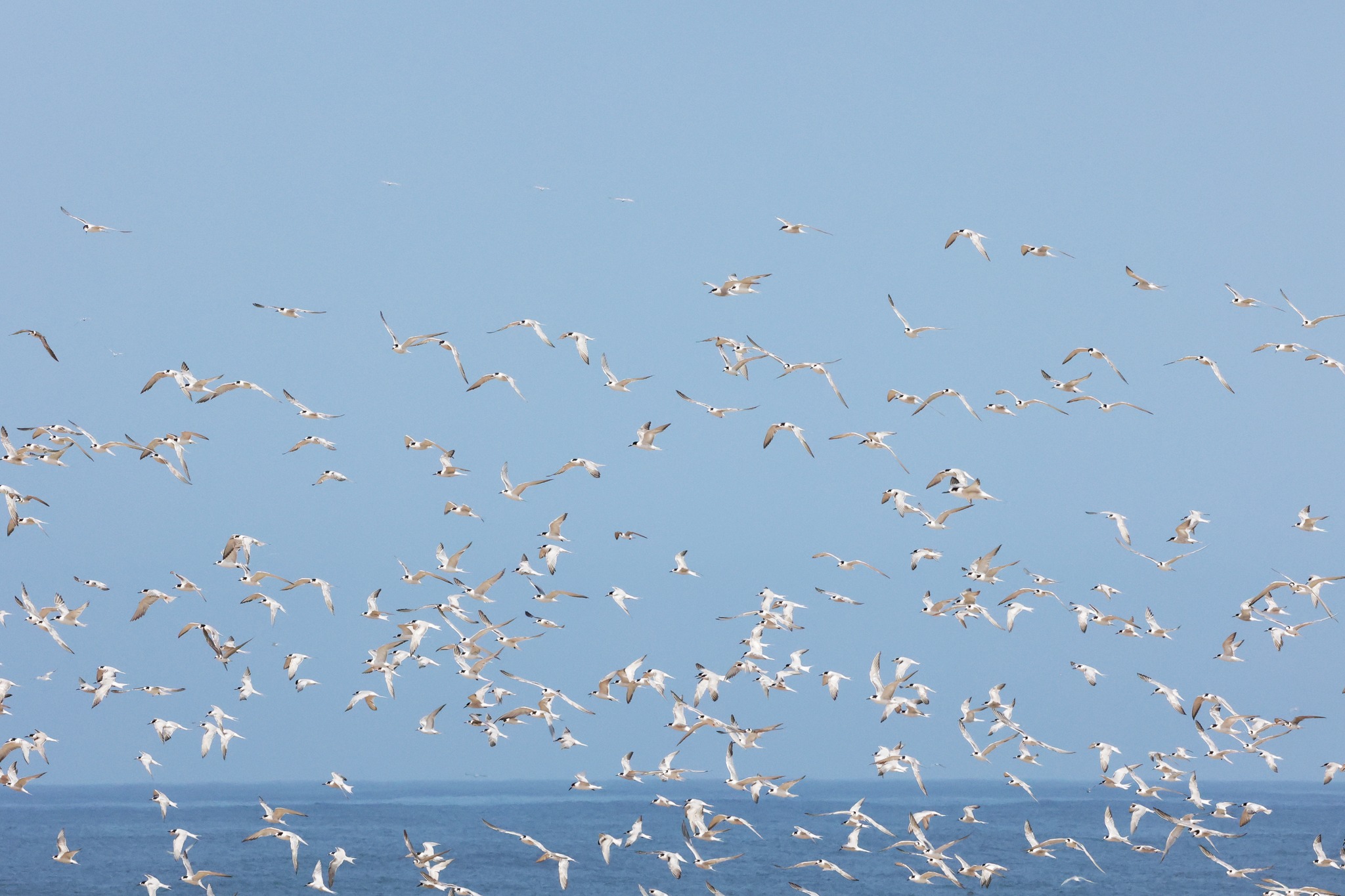
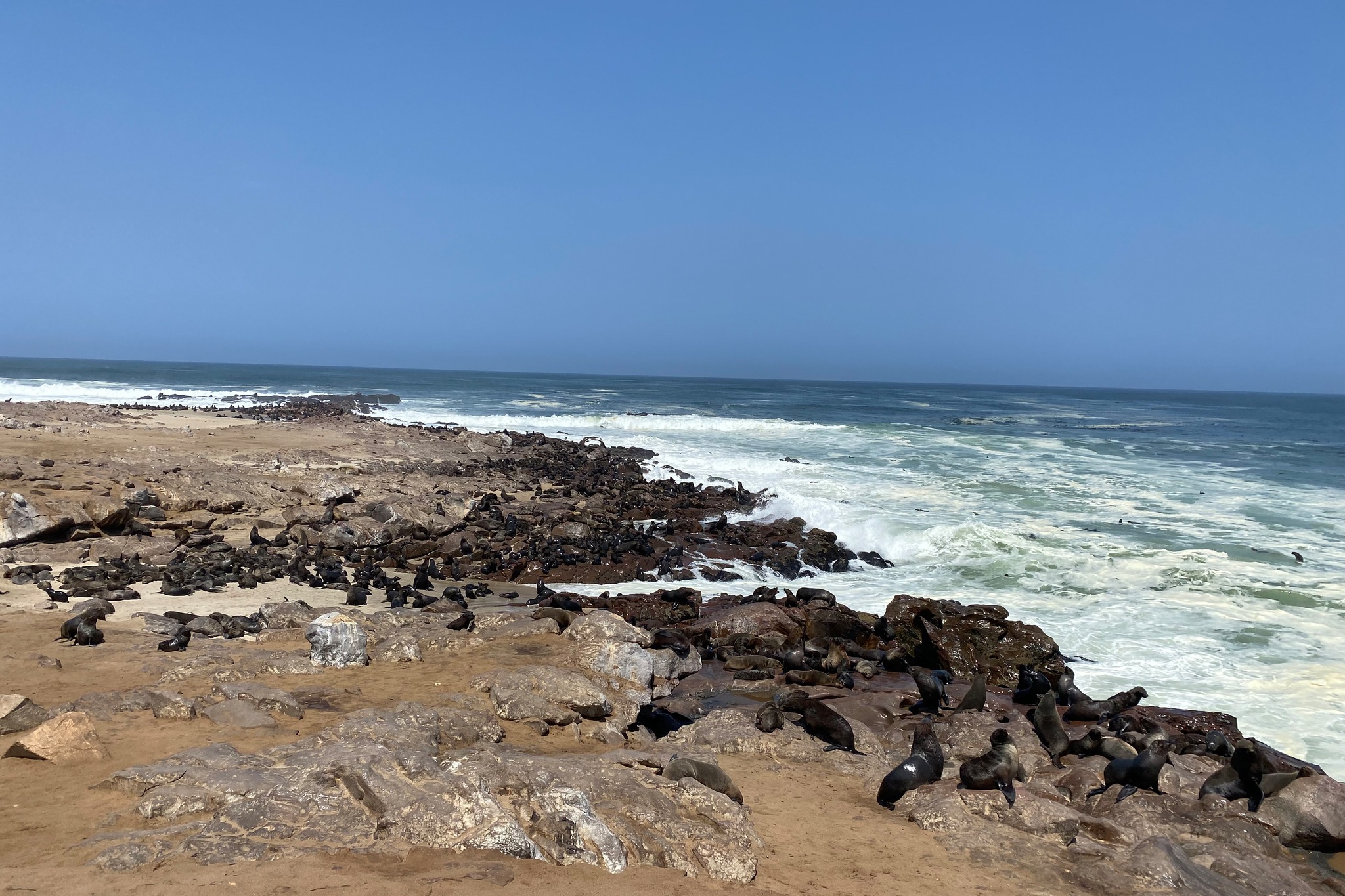
The sleepy seaside town of Henties bay is synonymous with surf angling and therefore had to be included in our itinerary. We thoroughly enjoyed exploring the famous and colourfully-named fishing spots such as Sarah se Gat, Bennie se rooi lorrie, and Predikantsgat. The beaches also proved to be a good place for amateurs like us to get their leaf springs rusted in the blink of an eye (locals spray seal oil onto vehicle underbodies to prevent this – now you know). We visited Cape Cross where the intrepid Portuguese landed way before anyone else, although the only settlers that stuck around there are thousands of beautiful (albeit somewhat smelly) cape fur seals. Here we also found large flocks of the endangered Damara tern that are known to breed along this coastline.

Erongo mountains: boulders, vistas and rockrunners 

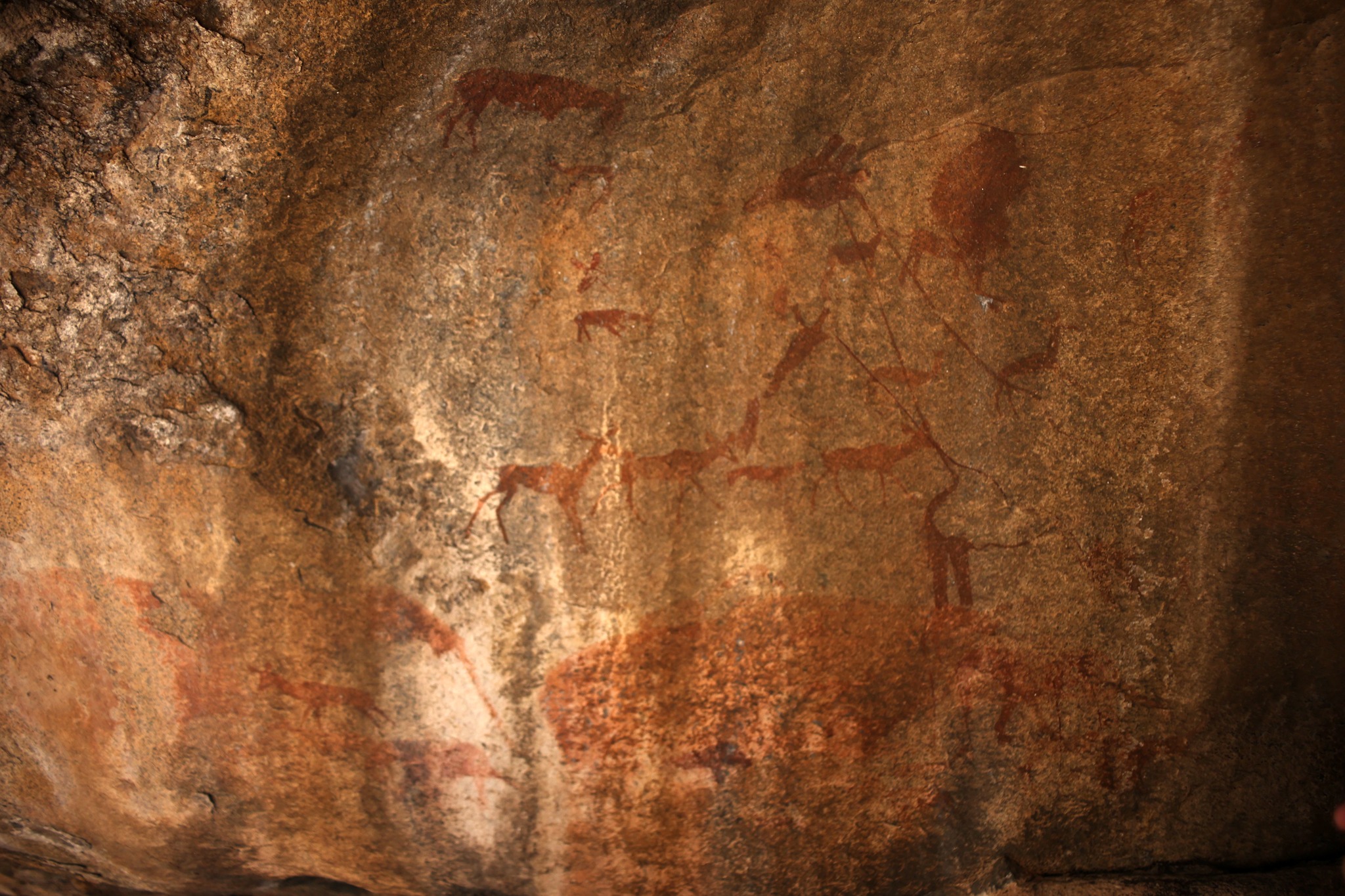
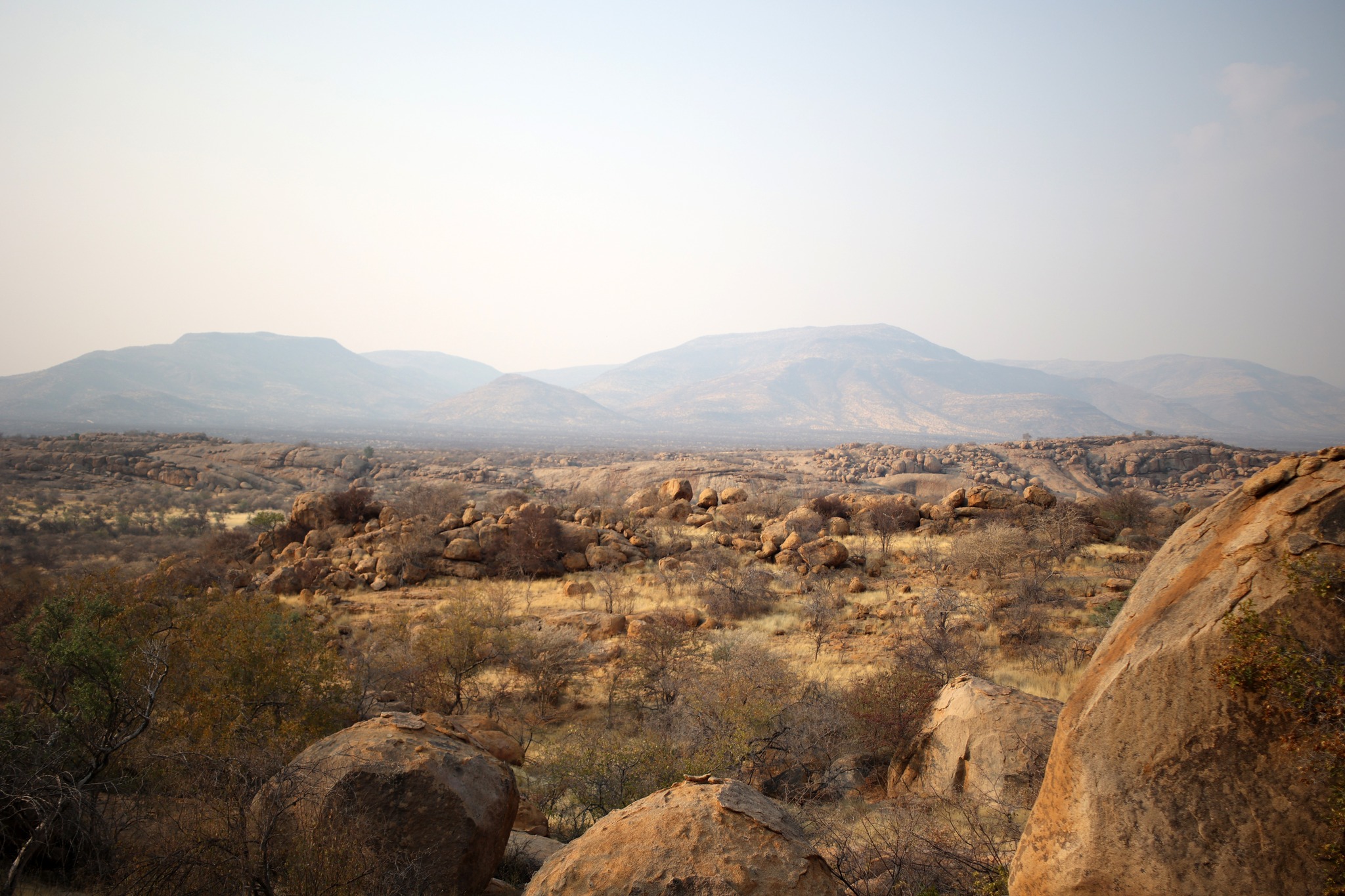
After stocking up in the quaint town of Omaruru, we explored the Erongo mountains and camped at Erongo Rocks, a beautiful farm set in the heart of the region. With boulders, koppies and rocky mountains wherever you look, this is a hiking and nature lover’s haven. We saw special birds such as the nimble rockrunner, the shy Hartlaub’s spurfowl and the vocal barred wren-warbler. We were wowed by the views and vistas from mountain-tops and humbled by age-old bushman paintings. We even found aardvark tracks and saw a Noki (dassie rat). As the sun painted the hills a rich ochre and we lighted the fire in the rocky boma, a pair of freckled nightjars bow-wowed nearby and the world was at peace.

Ugab river: desert elephants, valleys and camelthorns

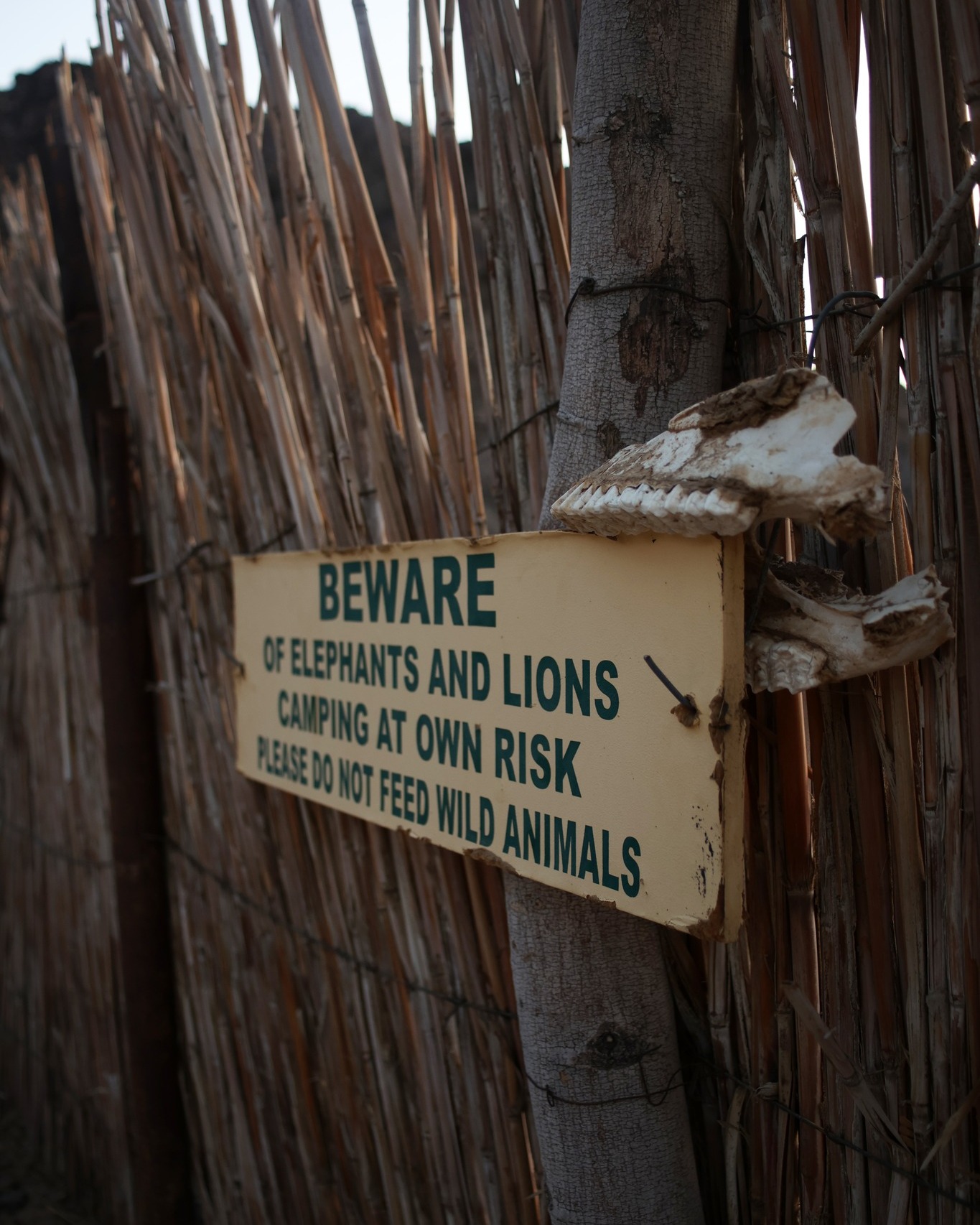
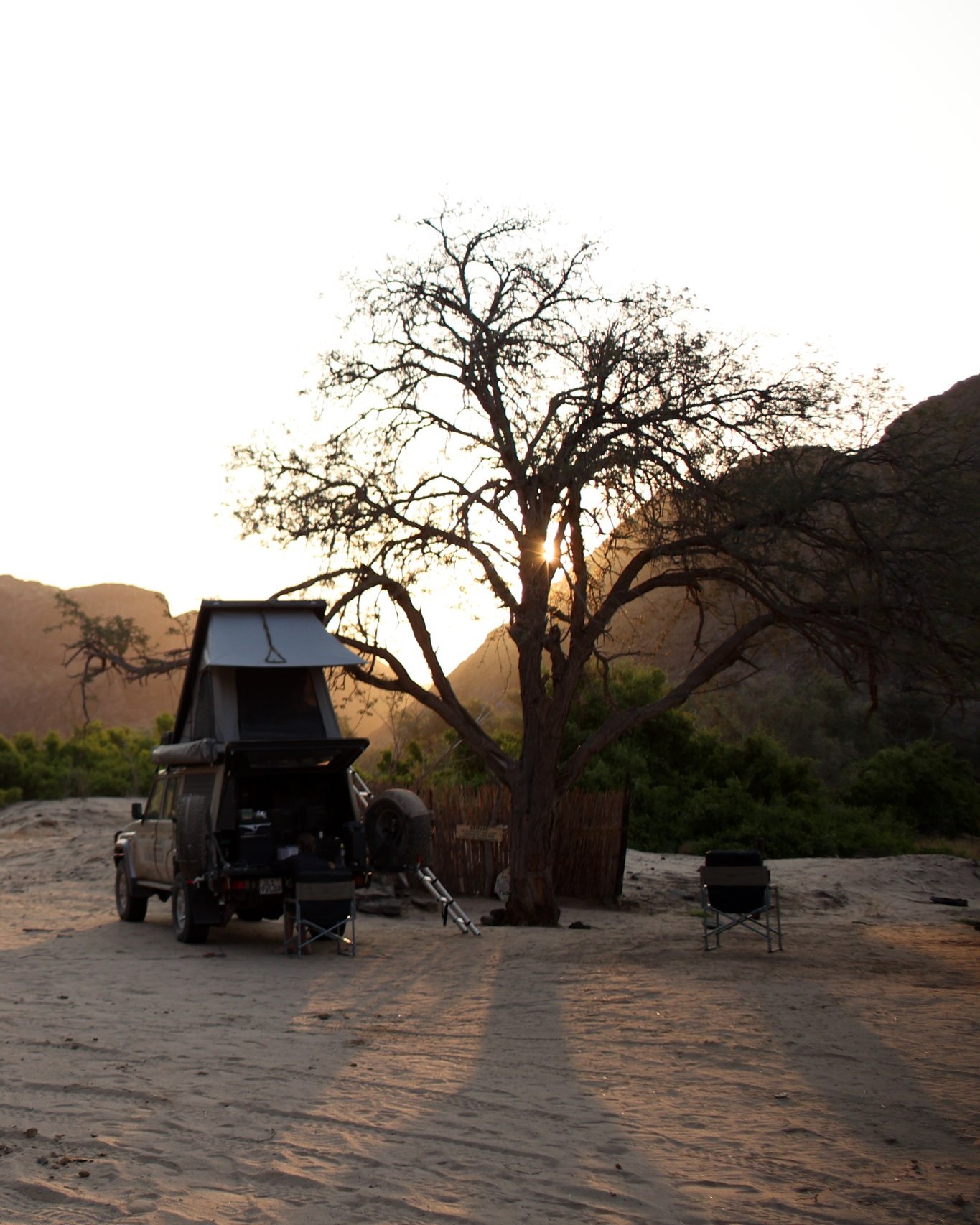
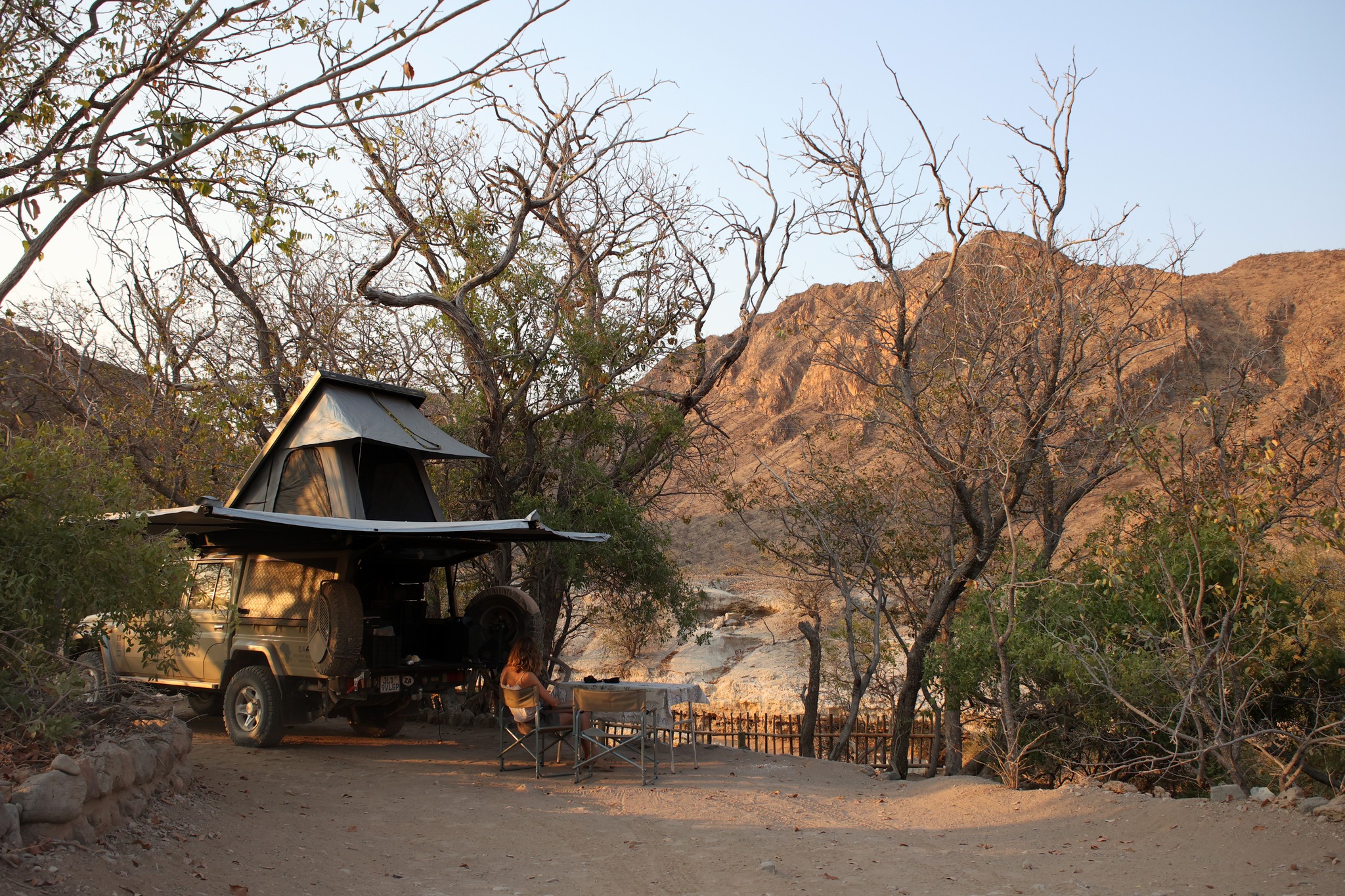
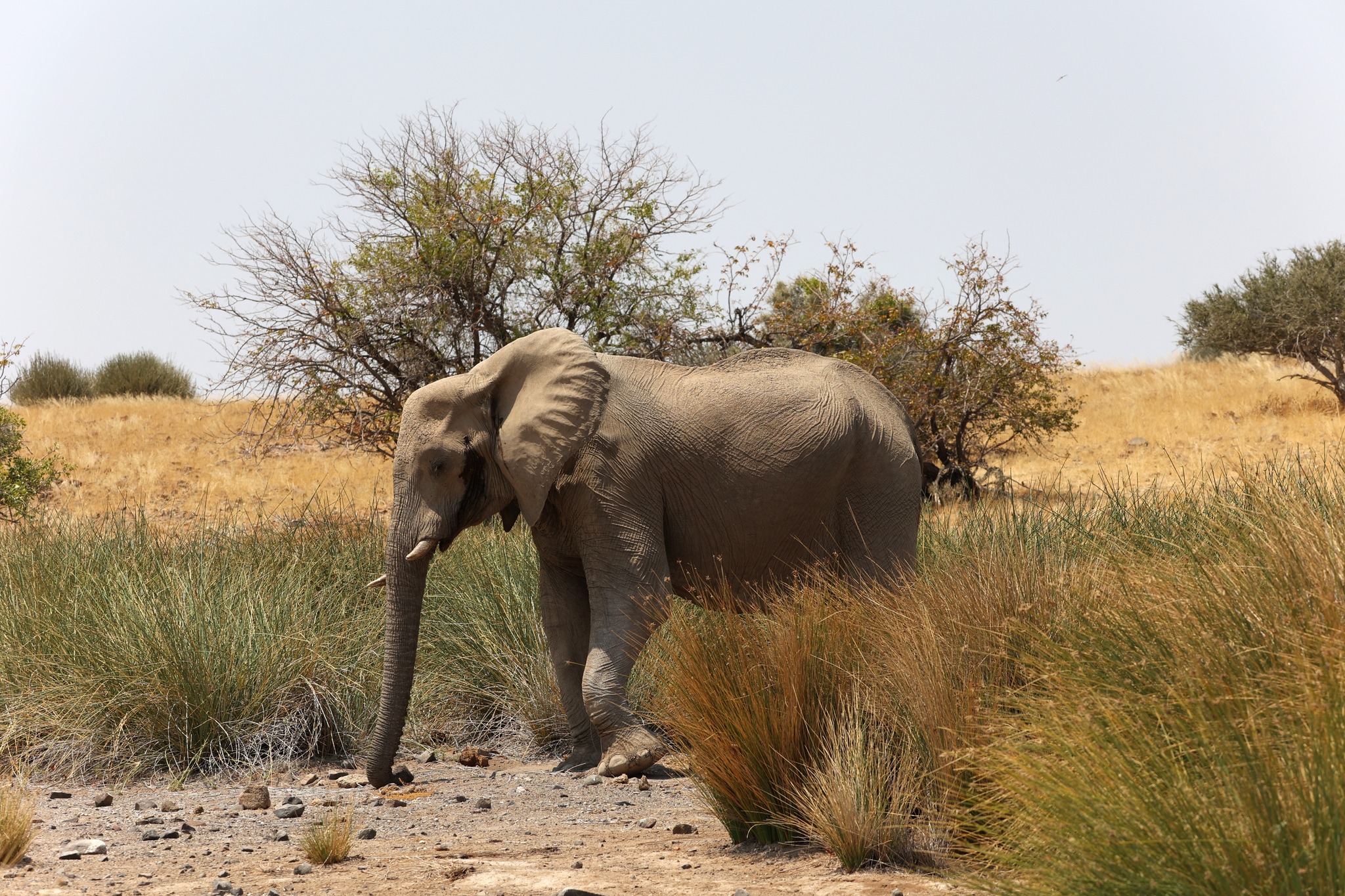
A bumpy drive through rocky mountains leads you to a unique and wild campsite in a hidden valley along the dry Ugab riverbed. The Ugab Rhino Camp is one of Damaraland’s treasures. Namibia’s inspiring Save the Rhino trust uses the camp as research base and runs it on a voluntary donation basis. We camped under a beautiful camelthorn tree at the edge of the campsite. As we prepared dinner while long cool shadows cast over the valley, we heard the unmistakable subsonic rumbles of elephants coming closer. Not just any elephants – desert elephants! A small herd emerged from the nearby trees and peacefully browsed their way past our campfire, some fifteen meters away from where we sat quietly. However, when two bulls suddenly decided it was time for a closer inspection of Baloo the Cruiser, they moved our adrenalin levels from ‘this is cool’ all the way to ‘this got real’ in a very short time.

We evacuated to the safety of the car, with no time to close the open canopy at the back. The big boys padded and sniffed all around Baloo, settling at the open canopy with its enchanting smells of food and water. With us watching on anxiously from the sideview mirrors, they proceeded to inspect and unpack our kitchen one item at a time. Kettle, flasks and containers were taken from the canopy and cast aside until they reached the good stuff, dispatching our bread, a pineapple and a packet of crisps with expert precision. One feels rather self-conscious when an elephant evaluates your provisions and setup, what with their high standards and all. Heeding our kind (read trembling) requests to cease their raiding activities, the ellies casually strolled away before they could wreak real havoc. 

We still cannot believe our good fortune with this unexpected experience – a true once-in-a-lifetime encounter. Come to think of it, our entire time in the Erongo region was filled with unexpectedly rewarding and fulfilling adventures. We found postcard landscapes, beautiful creatures and exciting activities. We found spaces and places to breathe, to dream, to wonder. Damaraland, you will see us again! 

Some helpful trip information:

Namib Naukluft NP camping permits: Swakopmund Ministry, Environment & Tourism office (-22.6786, 14.5238)

Henties bay self-catering accommodation: https://www.firstgroup-sa.co.za/desert-rose 

Cape Cross Nature Reserve: -21.7717, 13.9524 

Erongo Rocks campsites: https://www.erongorocks.com/ 

Ugab Rhino Camp coordinates (no bookings): -20.9622, 14.1355

Palm-thrushes and papermouths

Palm-thrushes and papermouths

A place far, far away. It might sound like a fairy tale beginning, but the Kaokoveld (Kunene region) area in the far northern reaches of Namibia is indeed very far away from most places. Tucked away between the Kunene river on the Angolan border, the windswept skeleton coast and the Damaraland area towards the south, this brutal area is sparsely vegetated, dusty, and famously rocky. Some would even say Kaokoland has a lot of nothing. Why then, would one care to venture all the way to this forgotten corner of the world?

For many, the answer lies simply in the remote adventure to reach it, the dramatic landscapes or the unique and very traditional Himba tribe encountered there. For others, the rough and tough mountainous trails beckon them closer to go an put their (fool)hardy 4x4s through their paces – in particular the infamous Van Zyl’s pass where you can have a great time experimenting with remote tow-ins and spare parts delivery. At least afterwards you get to write your name in stone to commemorate your brave achievement and mourn your shattered radiator, steering rack and tyres. For us, the main drawcard is the lesser-known treasure trove of rare creatures hidden away in Kaokoland’s mysterious attic.

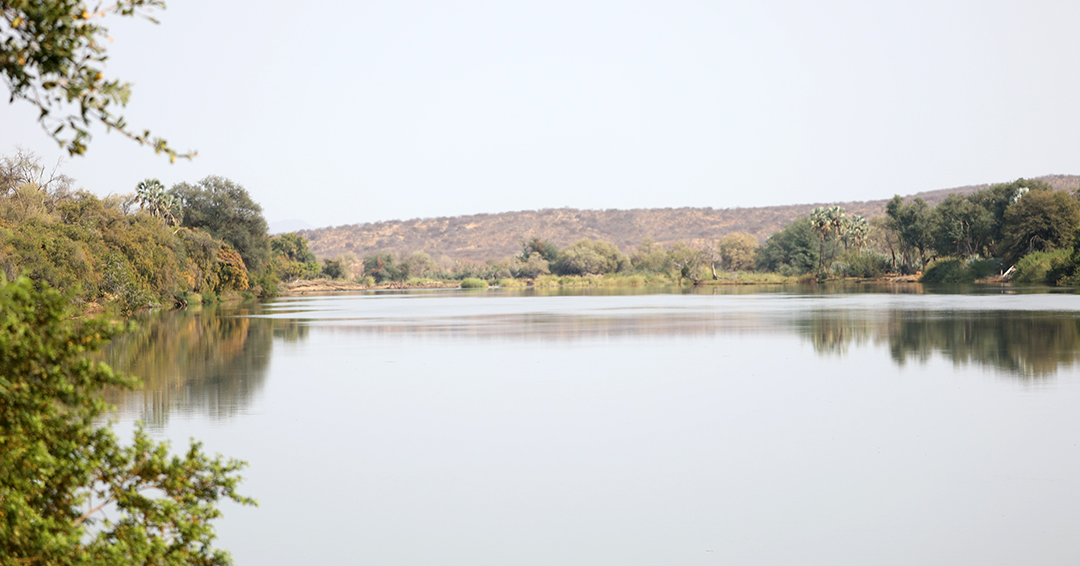
After challenging our sense of personal space while restocking in Opuwo, we travelled north and camped on the banks of a palm-fringed paradise – the Kunene river. In stark contrast with its arid environment and violent border war past, we loved the serenity and peace. Deo spent most of the evening replacing yet more roof-rack brackets thanks to the road corrugations and flimsy bracket design of the anonymous company (it rhymes with Front Gunner). Nevertheless, encamping under lush tree canopies with the hazy river snaking past lazily provided the perfect oasis.

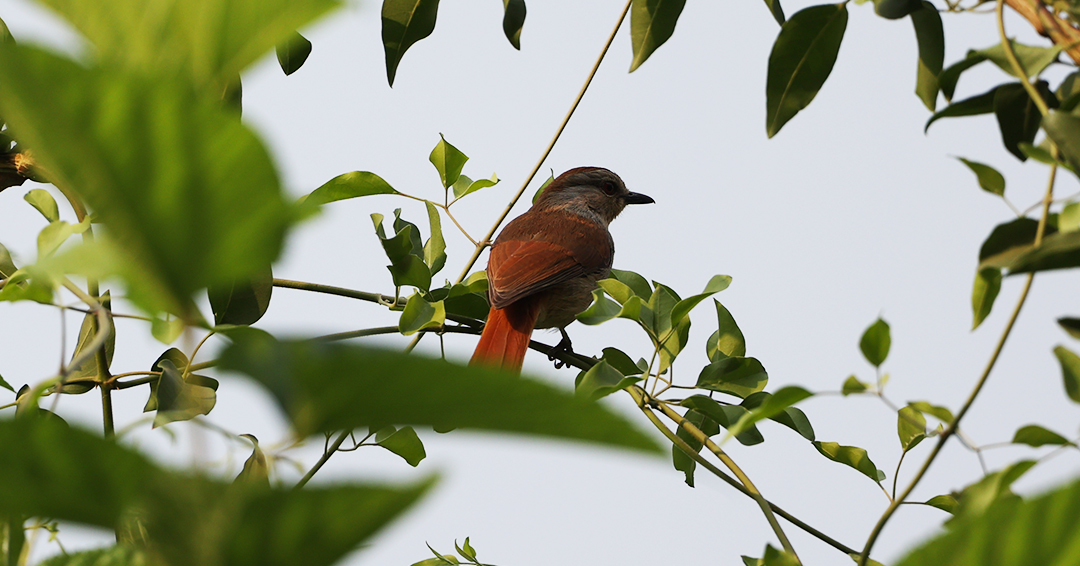
Here we got to know some of its scarce local inhabitants such as the Rűppel’s parrot, Carp’s tit, Damara red-billed hornbill and the Adler’s robber – a tiny fish with a big personality, chasing down and grabbing small flies presented to it. Two of the most sought-after rare bird species on any birdwatcher’s wish list are near-endemic to the area. The rufous-tailed palm thrush lives exclusively in the Northern Lala palm trees found along the river and we were lucky enough to find a few during our stay. The beautiful Cinderella waxbill occurs along the riverine woodland and is threatened by the overgrazing of its habitat. Although we never saw it, we did hear it once (guess we will have to come back for it).

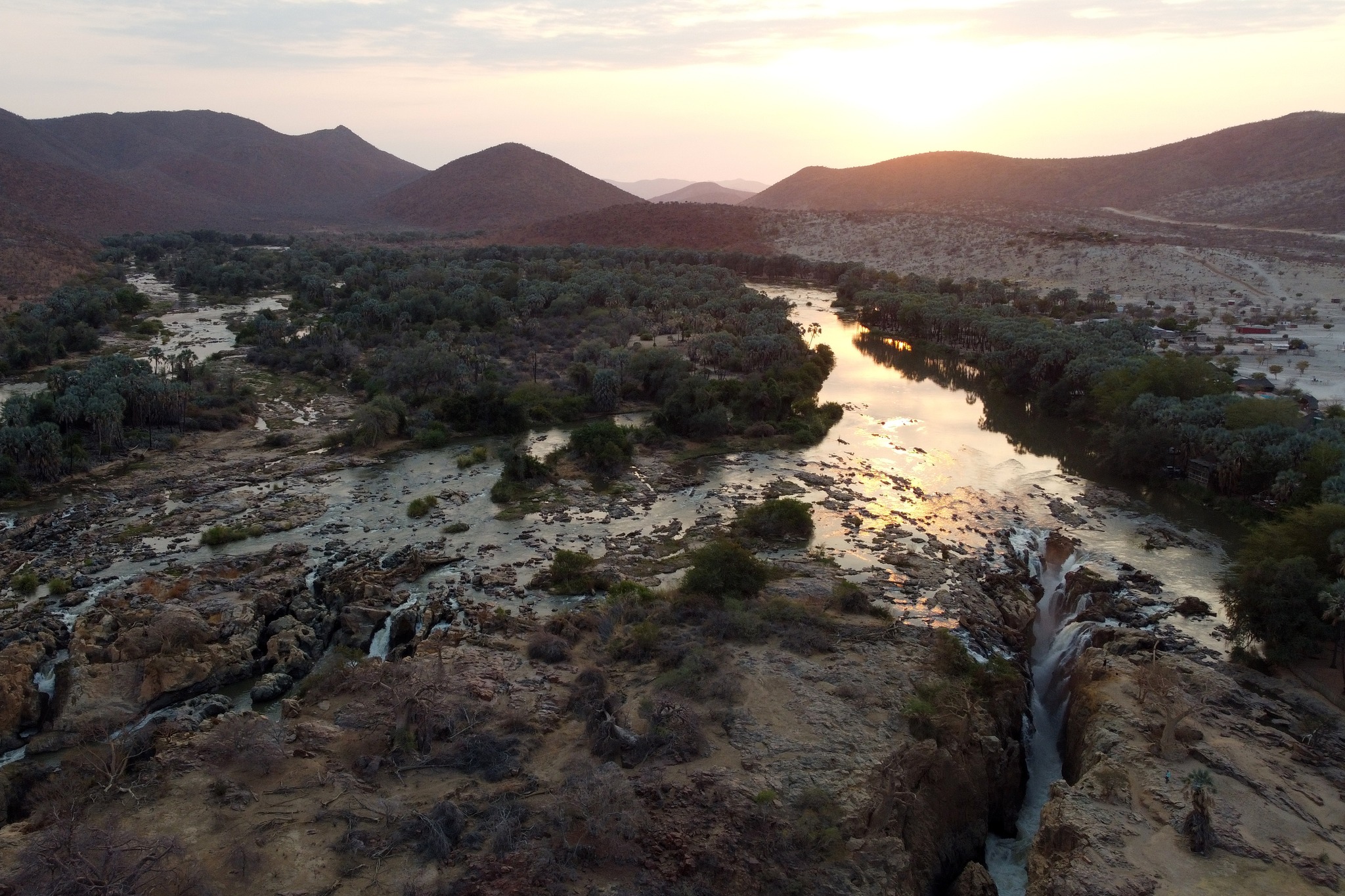
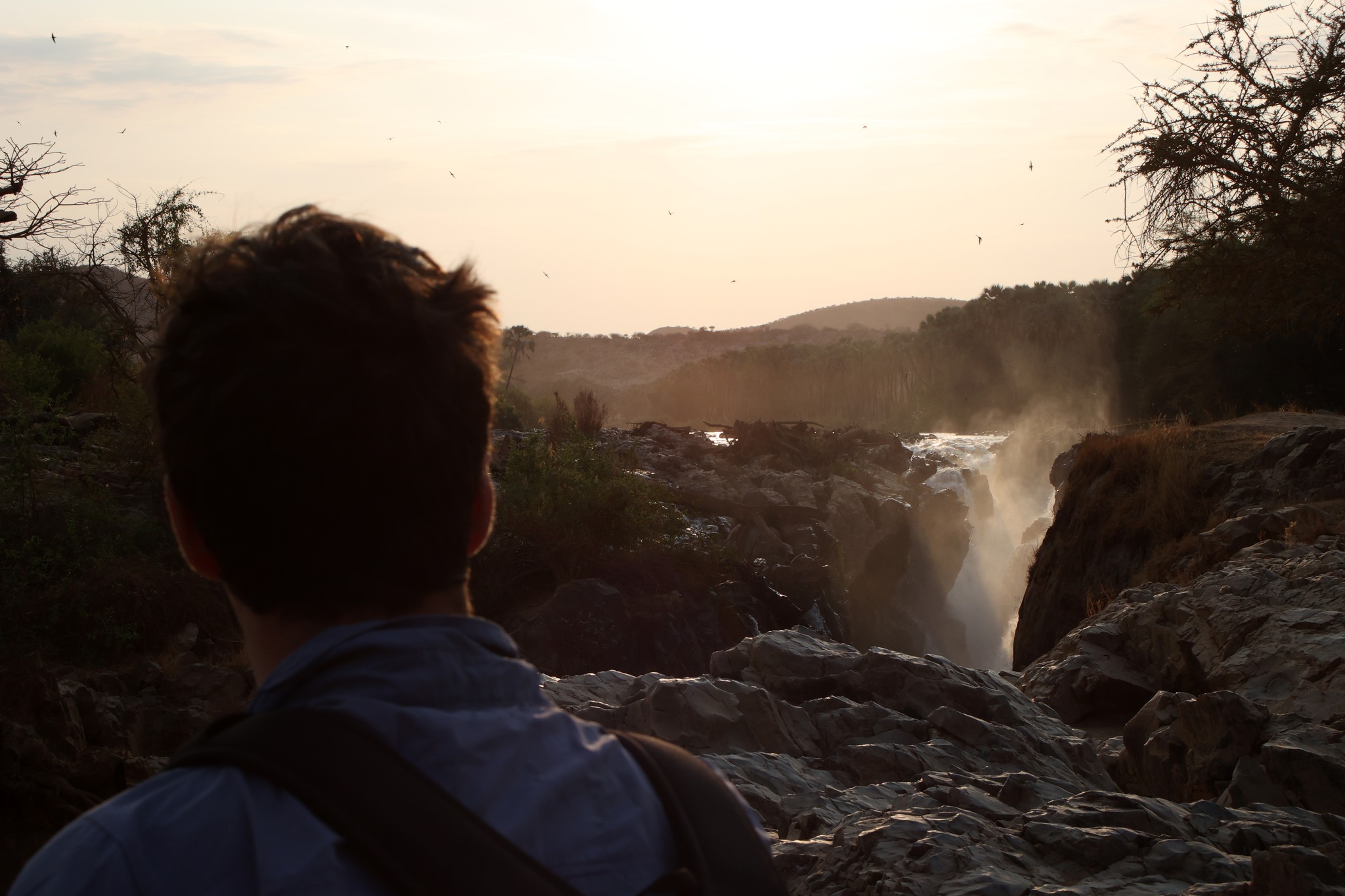
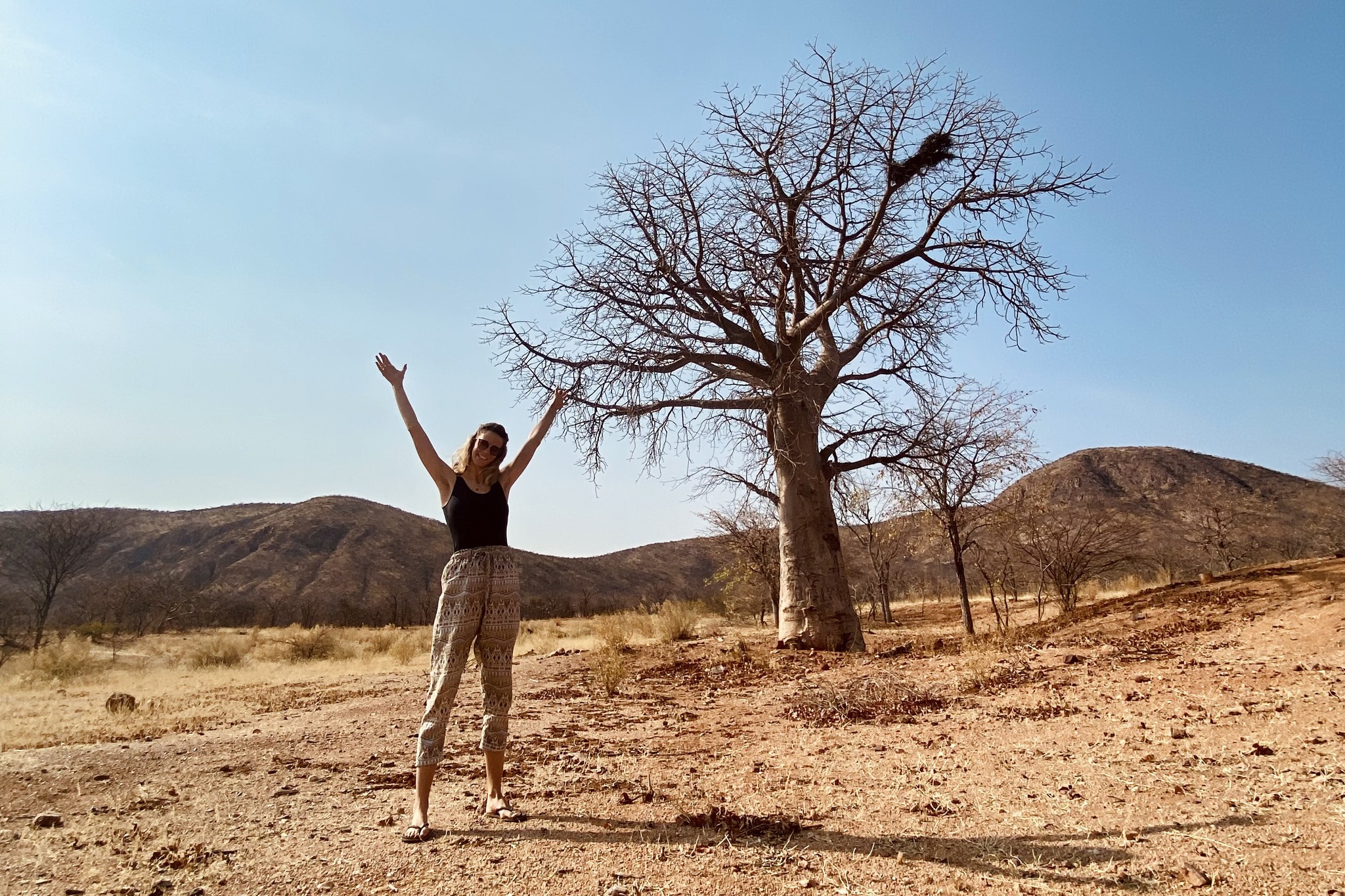
A track less travelled leads west along the river, and taking it made all the difference (as Robert Frost might put it). With dramatic mountains towering all around us, the rocky trail traversed beautiful tributaries, climbed up wow-inducing viewpoints and opened up to majestic vistas. Next to us the river changed its personality from calm pools to excited riffles to angry rapids and back again. The road eventually led us to a place where the serene Kunene widens into braids before tumbling down a deep baobab-studded gorge in a spectacle of spray – the Epupa Falls.

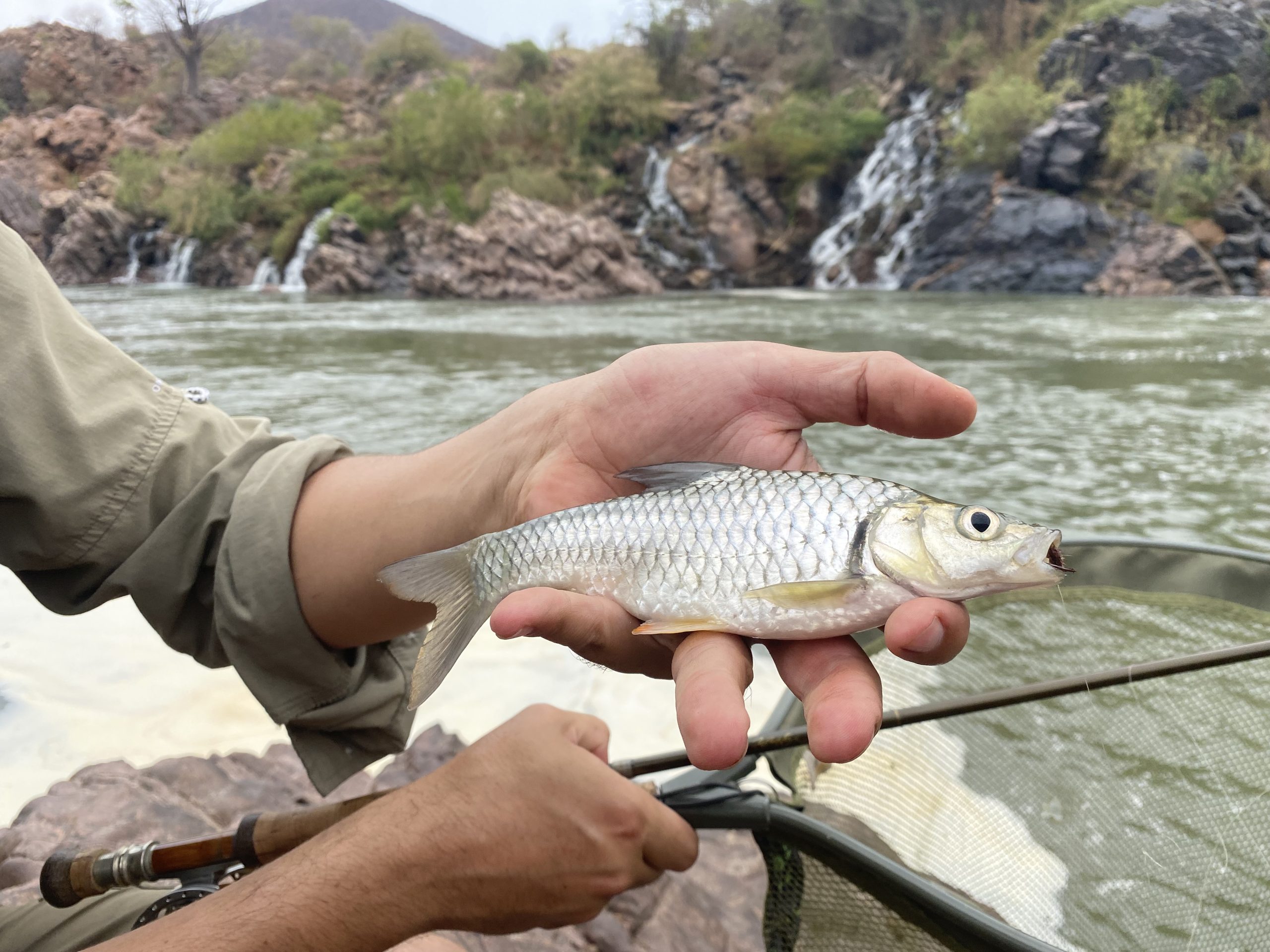
For a few days we explored this magical and wild land, hiking up and down the unforgiving valley. Our quest was to land a Kunene papermouth. The papermouth is a rare, small, and very special fish species that has significantly reduced in numbers where it once occurred. Thought of as part of the yellowfish family, it is one of the more difficult and sought-after species to add to one’s life list of ‘yellows’ on fly. Interestingly, the strain endemic to the Kunene has a characteristic black spot behind its gills. Our search for it took us down deep ravines into valleys studded with river cataracts, through thick ana tree-studded woodlands and onto lonely sandbanks where the Kunene’s infamous crocs secretly sun themselves. Often the journey to the fish is the real reward and this was no different. And yes, in the end we landed and released two beautiful specimens.

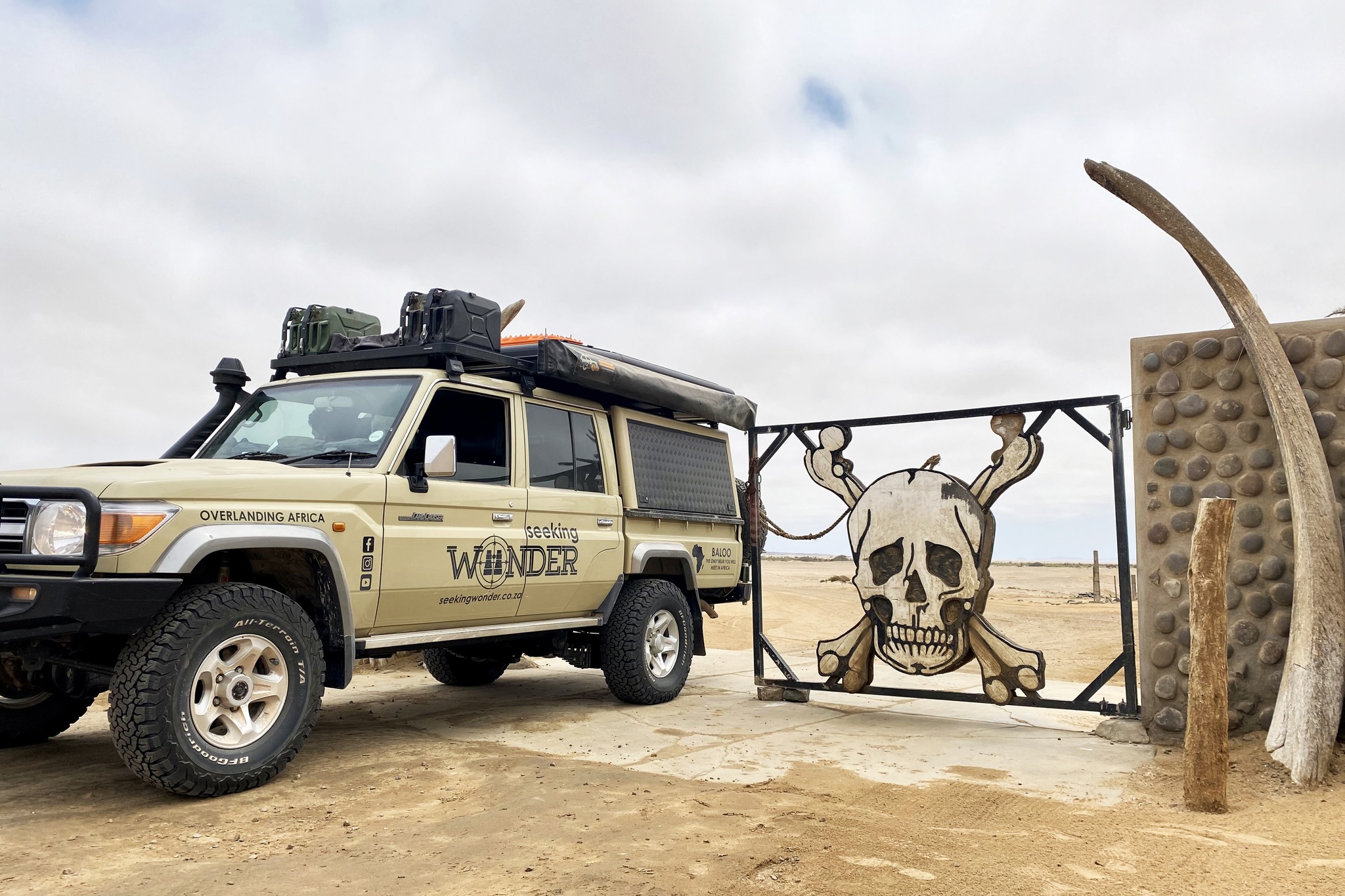
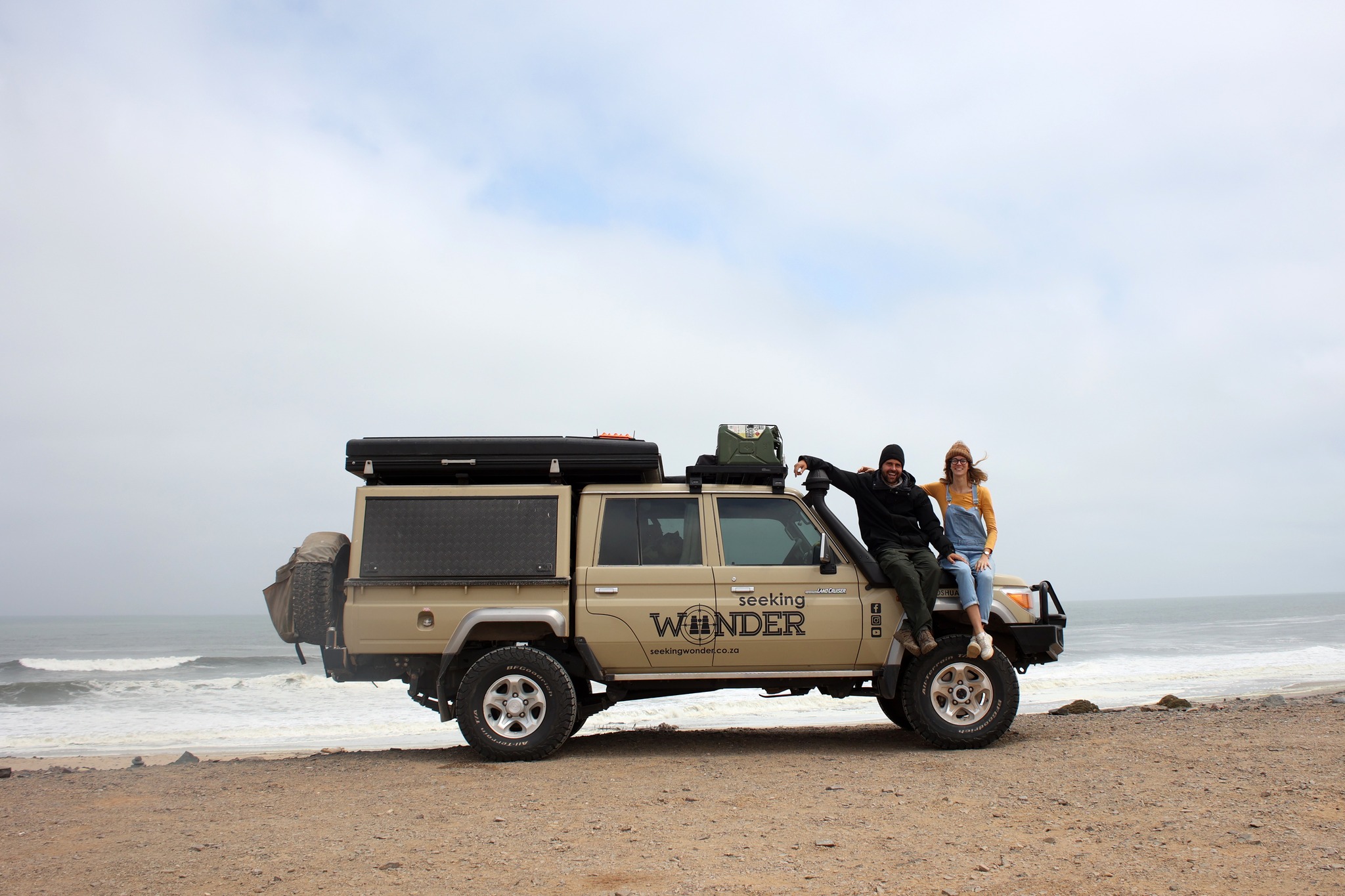
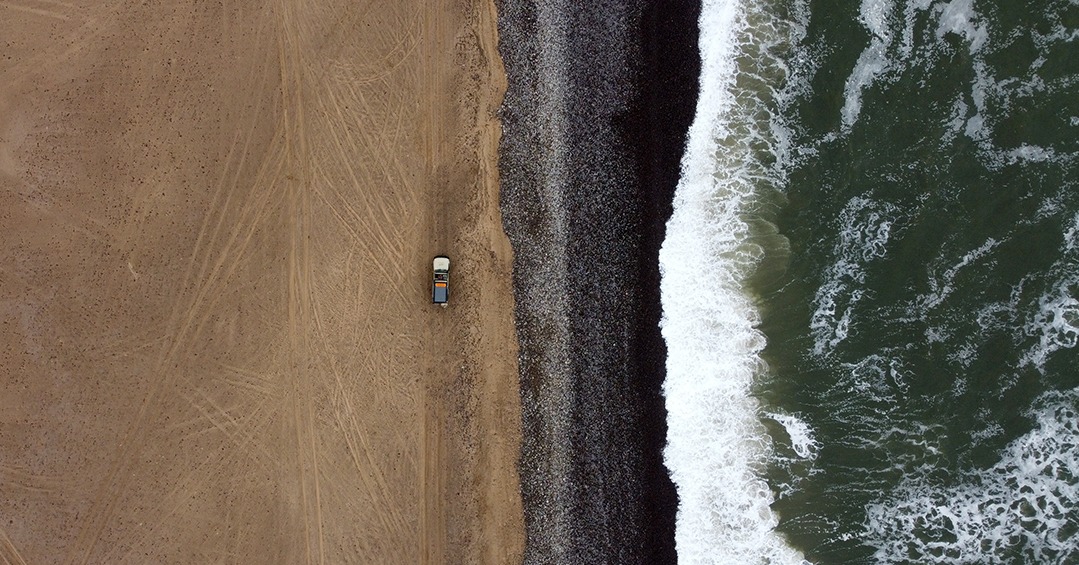
Heading south via the Hoanib river, we made our way to the Skeleton Coast National Park. This is a place where endless dry desert meets the cold Atlantic and its burning shore. Where brown hyenas and black-backed jackals patrol the shoreline. Where the cold mist belt rarely lifts and waves crash on countless smooth pebbles. Where the coastline is dotted with rusty shipwrecks and animal bones. Kaokoland is also the only place in the world where you can find wild-roaming and rare desert-adapted lions. They have even been documented hunting seals on its pebbled beaches! We came close enough by finding their tracks in the Palmwag concession. We explored this vast and wild coastline, added beautiful birds such as the ruddy turnstone to our list, and fished (of course), managing to entice a few fat blacktail and galjoen from the rocky gullies.

So why do we care so much to find these rare creatures in a rare environment? Because they are still there. Because us humans haven’t yet fully managed to wipe out their far-flung and fragile habitat. Because they deserve to be seen, appreciated and protected for their and our sake. And perhaps they can – in this place of fairy tales. A place far, far away. A place named Kaokoland.