Smiles on the Lakeshore

Smiles on the Lakeshore

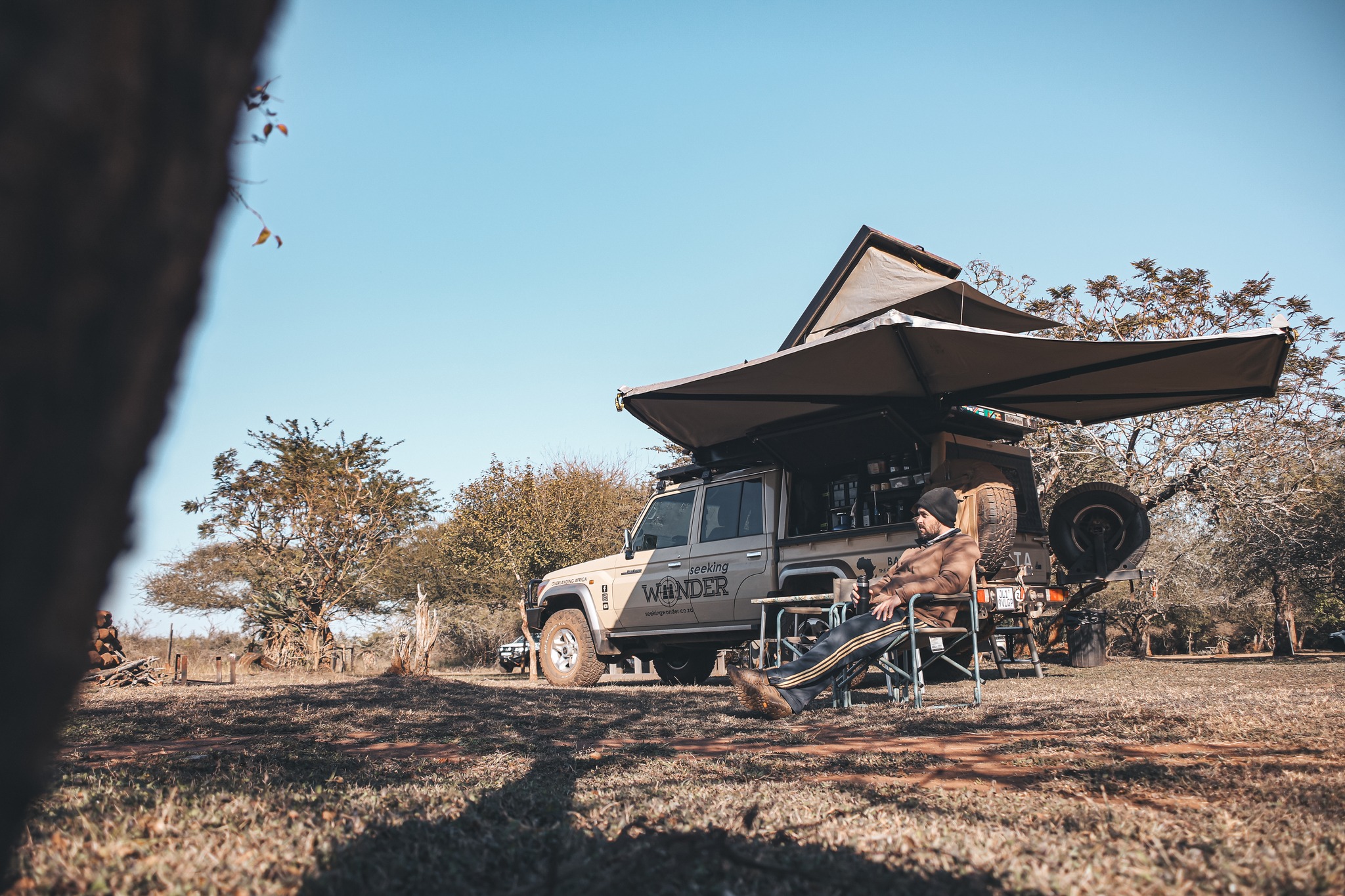
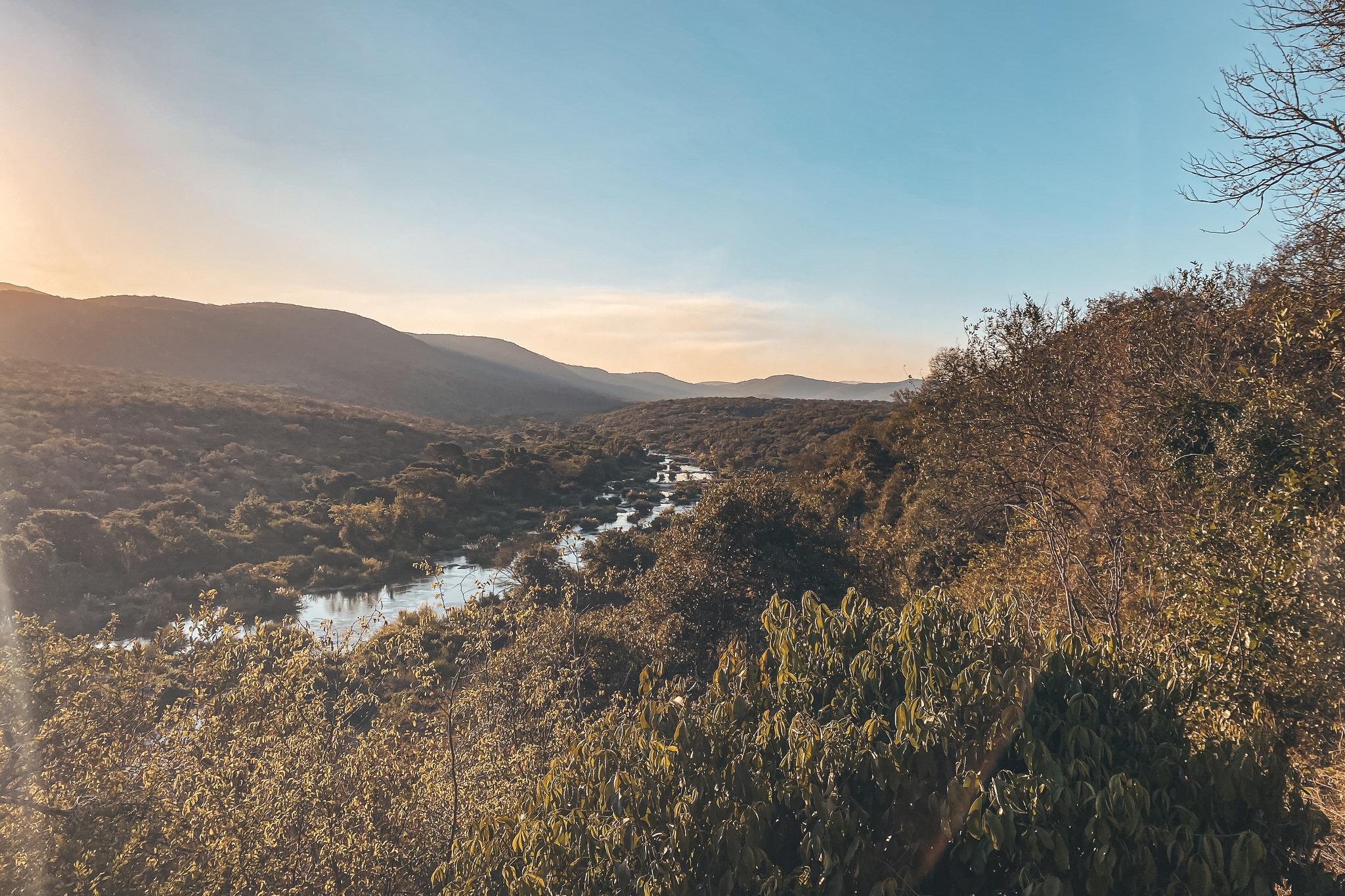
It is 5AM and we wish our morning coffee cold on the beach while watching the rising sun paint the sky purple over the lake of a million stars, as David Livingstone once called it. Nearby the sound of playing children mixes with chickens as bypassing strangers smile hello. One thing that you quickly learn about Malawi is that there is no such thing as lazy late mornings. The stifling humidity and heat sees to that. Everyone is up well before sunrise so that by the time the sun peeks over the lake’s horizon, the day’s chores and tasks are already underway.

We had entered Malawi at its northernmost border where we had an encounter of the Murphian kind when we could not track down a single border-lurking tout to exchange our Tanzanian shillings – something we usually try avoid. Fortunately, a friendly Tanzanian farmer enroute to Malawi helped us out, knowing a desperate couple when he saw one. He also happened to know meat-deprived South Africans when he saw them, and promptly proposed a braai that evening at our campsite with boerewors fresh from the farm. Needless to say, it was a feast to remember!

Our first few nights were spent on the lake’s edge, simply taking in the beautiful landscape around us. Lake Malawi is imposing – it is Africa’s third largest and also known as the calendar lake owing to it being 365 miles long and 52 miles wide. With the waves gently breaking and swaying palm trees often fringing white beaches you would be forgiven imagining you landed on some exotic island. But no, you are right here in the heart of Africa, complete with Fish Eagle calls, fish drying racks on beaches, and more smiles than you could imagine on any island.

We made our way up a winding mountain pass to Livingstonia, the fascinating town founded by missionaries more than a century ago and where an influential university and hospital is located. Camping on the very edge of the escarpment at the nearby Mushroom Farm, we tried and loved their delicious food made from homegrown fresh produce. We also stopped by the Yewo workshop next door, an inspirational small jewellery company employing local artisans who not only help design new pieces, but craft them with the amazing artisan skills which Malawian are famous for.

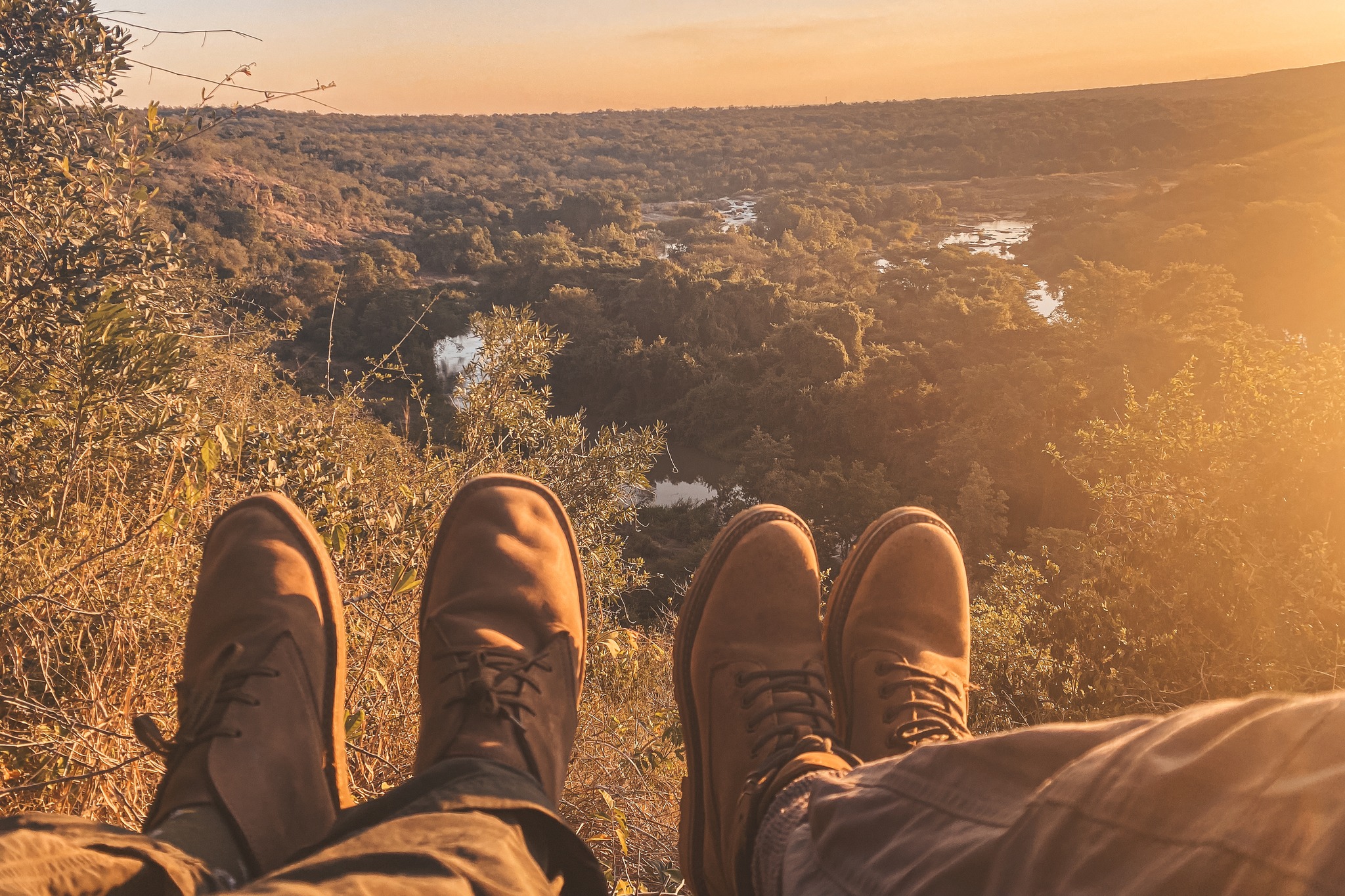
Winding through the mountains of the Nyika Plateau, we headed to the Vwaza Marsh Wildlife Reserve. The reserve protects a wide range of habitats including low-lying wetlands and is located in an isolated region on the Zambian border. It is therefore a place with great potential and high biodiversity, but also with poaching challenges. We camped under a lakeside sausage tree where we discovered practically that grass-loving hippos are also fond of fallen sausage fruits at night. Not a safe place to answer nature’s calls at midnight!

The road took us further down the country, passing countless drought-stricken villages where the locals always waved and smiled at us despite their obviously difficult circumstances. We overnighted on the outskirts of Mzuzu where an Italian expat makes authentically delicious pizza and the nearby army training base’s shooting range gunshots terrifies the yard turkeys – only in Africa. Upon reaching the lakeshore again we slowly worked our way along it, in a sort of beach camp-crawl. We snorkelled in the crystal waters of Makuzi, lazed around the sandy beach of Ngala, and enjoyed the fascinating stories of the owners at Norman Carr Cottages.

We stopped at the Nkhotakota Wildlife Reserve along the way. This was once a very game-rich area, as written by ex-game warden Guy Muldoon in his memoir Leopards in the Night. Sadly, the park suffered great setbacks over the years, until recently when African Parks took over. Nkhotakota saw Africa’s greatest elephant translocation project over the last few years and is getting stronger by the day – a true beacon of hope in conservation.

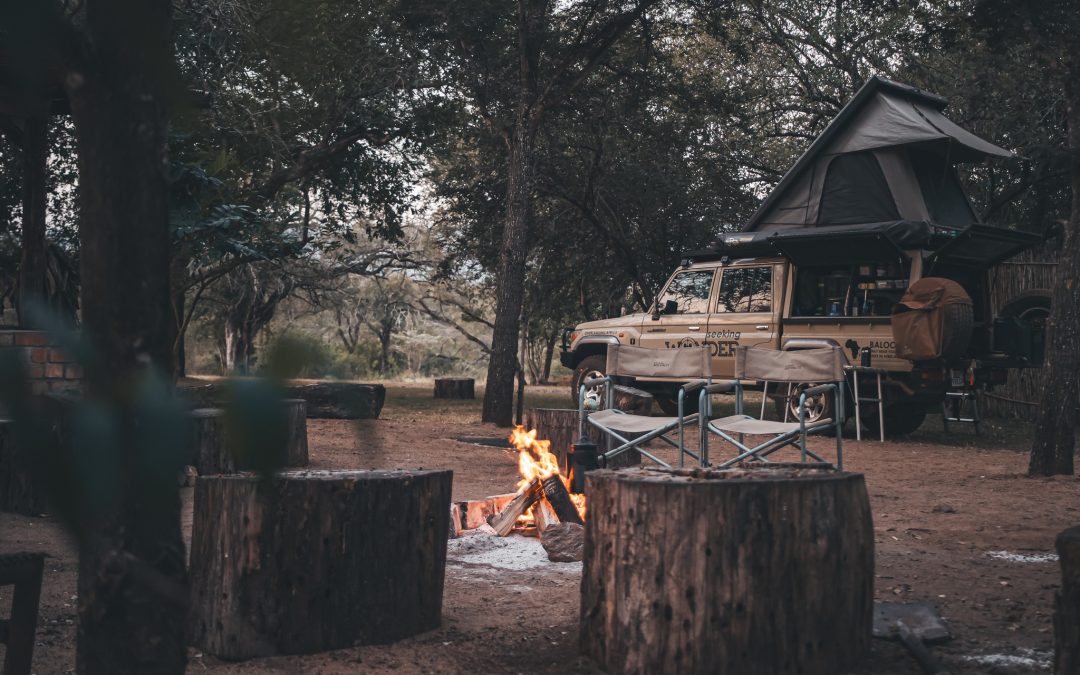
Liwonde National Park was our southernmost destination in Malawi, and we set up camp in the delightful and unfenced Liwonde Safari Camp where elephants strolled through camp every night. One bull even surprised us in the footpath one morning on the way to one of the camp hides – luckily he was equally surprised and headed for the mopanis.

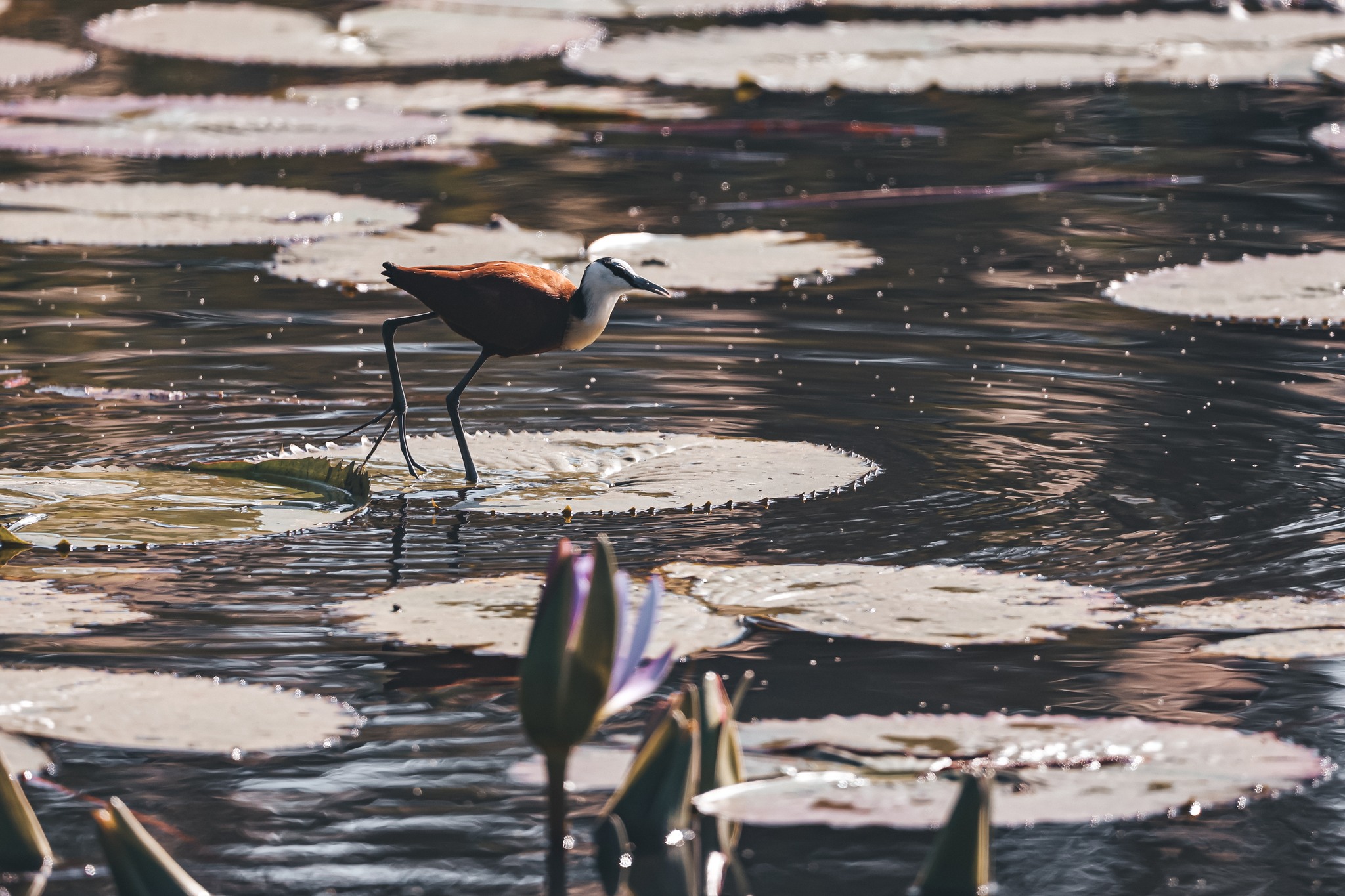
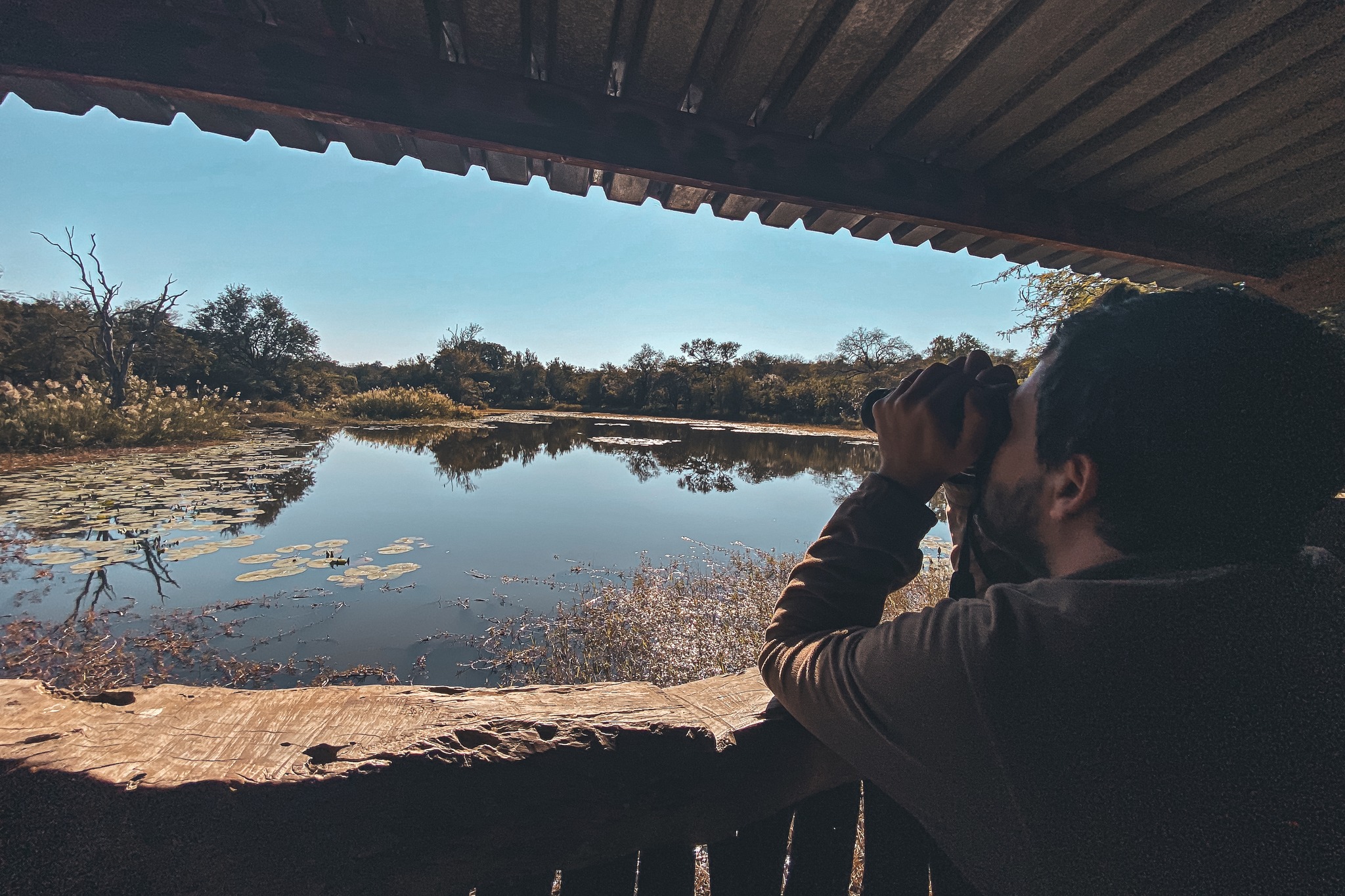
Liwonde is a truly beautiful reserve. Driving through mopani veld we saw majestic sables, herds of buffalo and resting lions. But the floodplains and palm-studded banks of the Shire river is the crown in the landscape jewels of Liwonde. Large herds of elephant browse along the water’s edge, hundreds of waterbuck dot the floodplains, hippos work the waterways and countless birds forage in the branches overhead. We even chanced upon another pride of lions close by and spent an afternoon with the great cats having an ice-cold Carlsberg (incidentally, Malawi is the only country outside Denmark with a Carlsberg brewery). The lions of Liwonde seem to specialise in the abundant waterbuck judging by the various carcasses we saw – all hollowed out to cleverly avoid their bitter-tasting skin glands. This unique and inspirational reserve will hopefully see us again one day!

Back on the beach we take a last sip of coffee before getting up. Rising early makes the road short – so says the Malawians and today we will try it. Malawi has shown us many wonders during our time here. It has shown us lakeshores, landscapes and sunrises to cherish. It has shown us that friendliness and the human spirit can transcend poverty. It has shown us how conservation is not a lost cause. The warm heart of Africa beats steadily as we point Baloo westwards and smile, just as everyone around us do.

Trip tips:

  • Make sure your fuel tanks and jerry cans are full before entering Malawi. There are often shortages and fuel is generally much more expensive than the surrounding countries.
  • Stock up on food before entering Malawi – local produce is often limited, and supermarkets expensive.
  • You will get a better exchange rate for your dollars at border-post money changers than at ATMs – that is, if you can track one down. Just make sure to count your money carefully to make sure you are not done in!
  • Liwonde National Park: you cannot camp inside the park anymore, but the Liwonde Safari Camp is unfenced just inside the park’s borders, even though it is access from outside so park fees don’t apply – a great camping hack if you ask us!
  • Some campsites we really enjoyed in Malawi:

Makuzi Beach: https://www.makuzibeachlodge.com/

King’s Highway: https://www.kingshighwaymalawi.co.za/

Mushroom Farm: http://www.themushroomfarmmalawi.com/

Rafiki Safari Camp: https://rafikicamp.com/

    Forest hogs, ferns and trout

    Forest hogs, ferns and trout

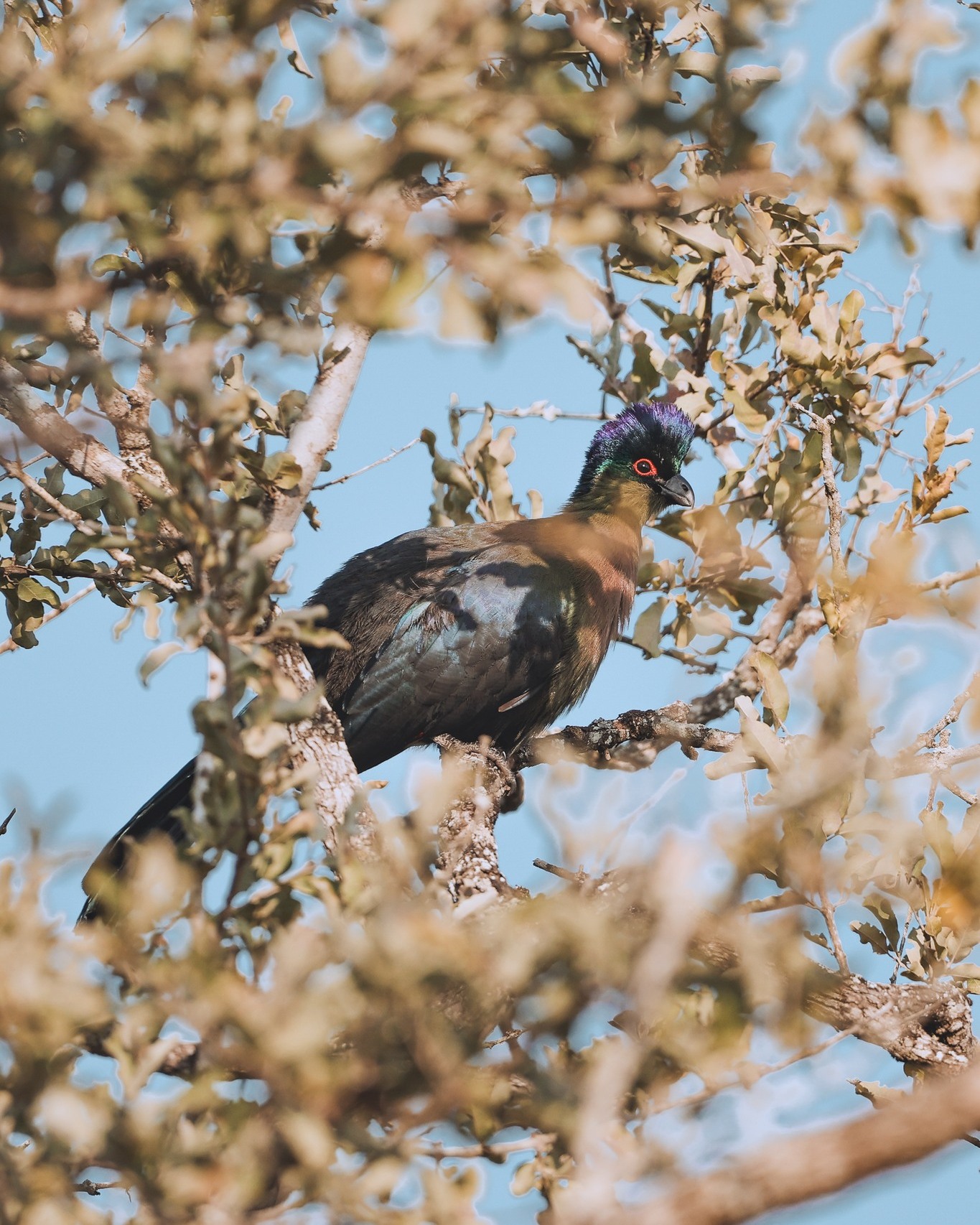
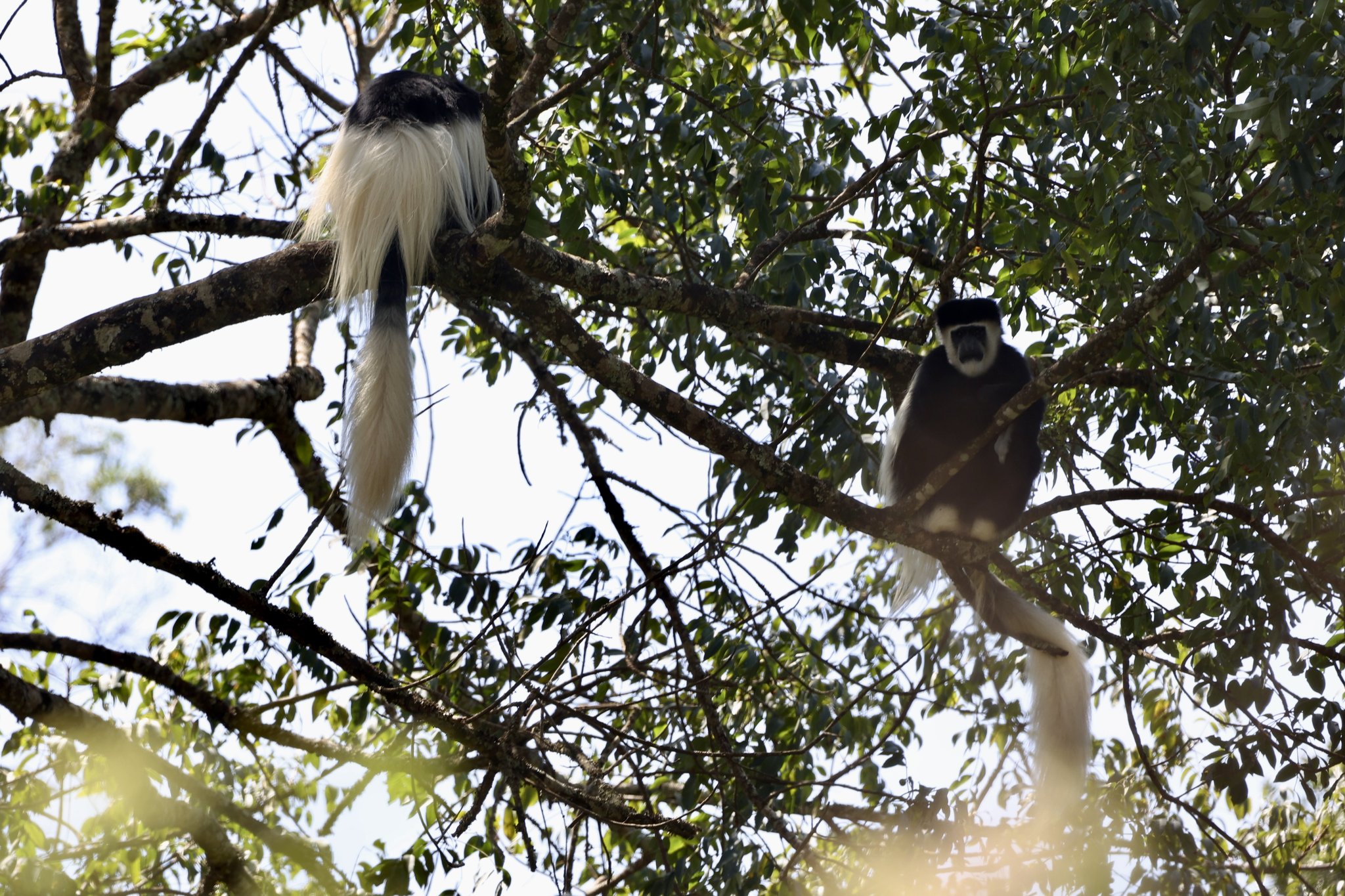
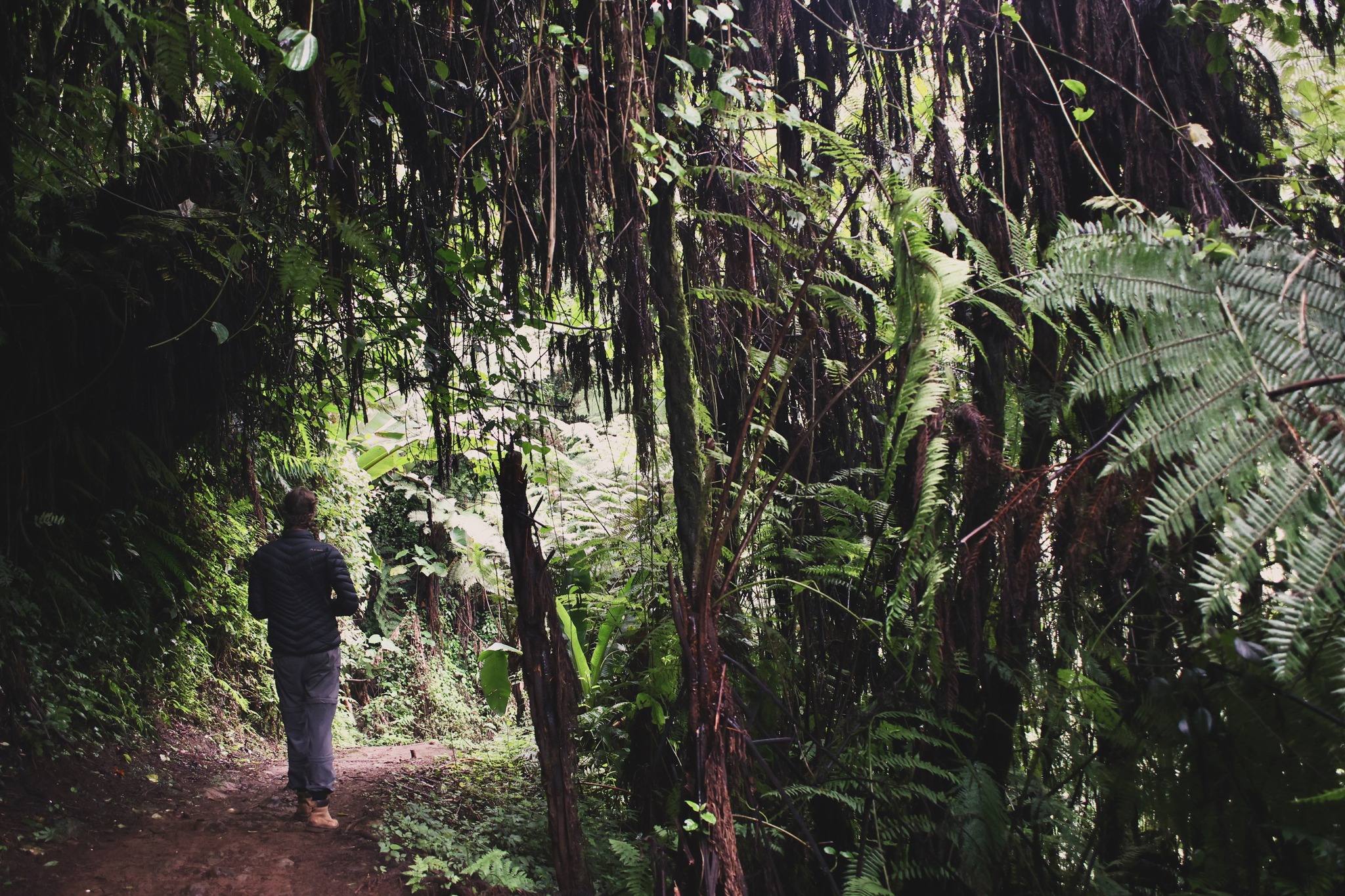
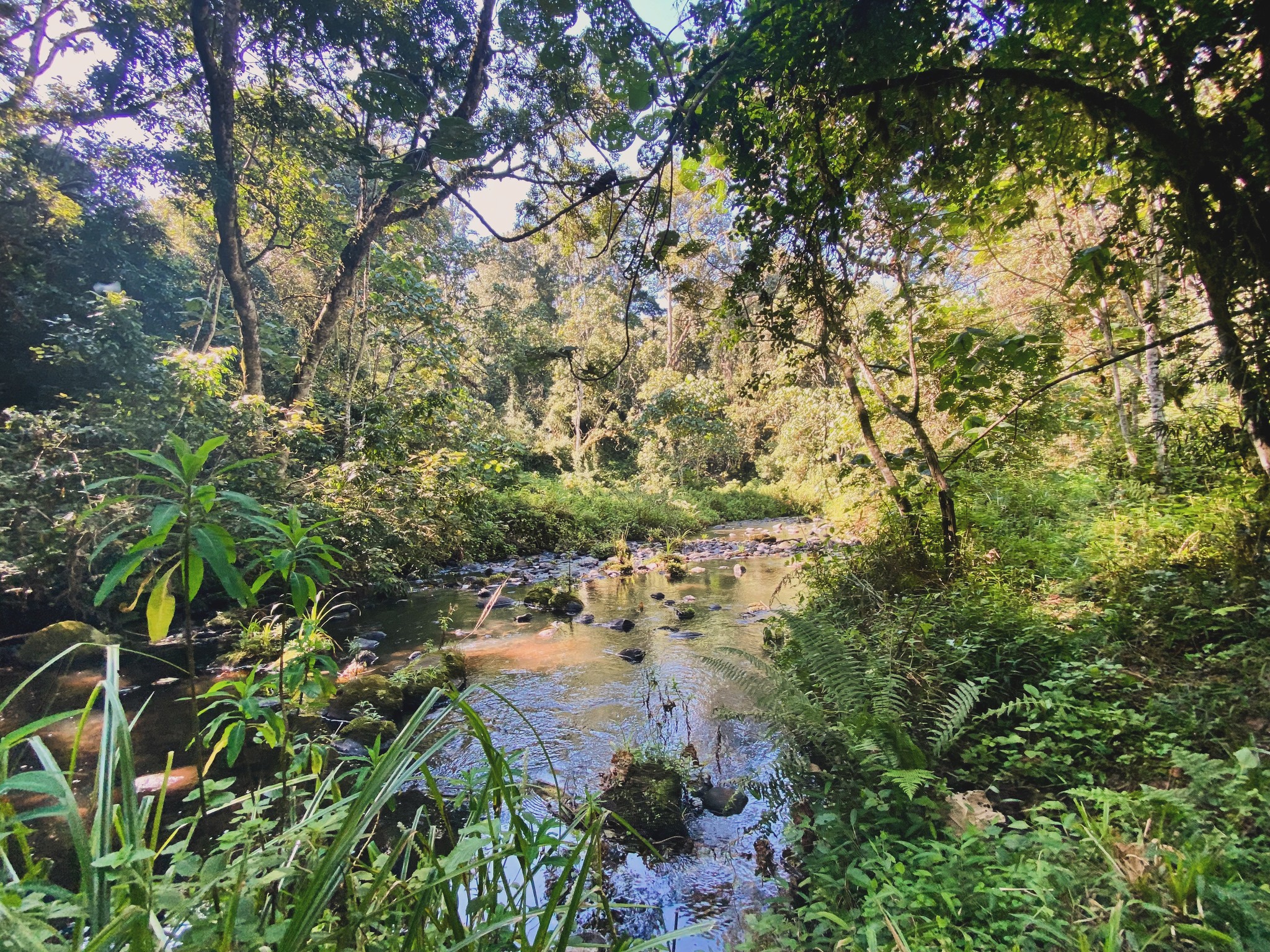
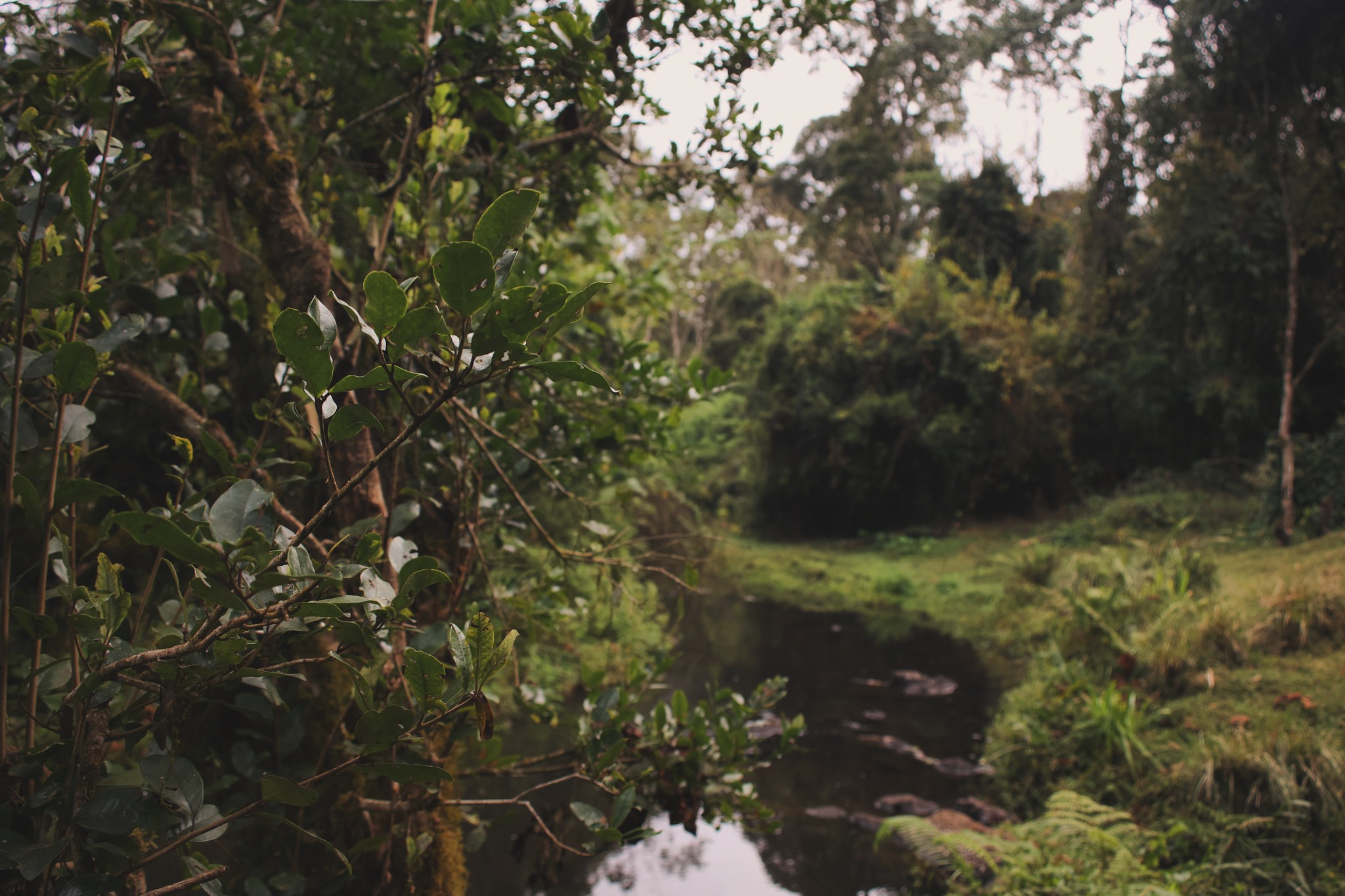
    I flick the fly rod and watch with osprey-like intent as my small dry fly settles on the water surface and drifts along the bubbling stream. This could be any small stream in the world, until you look up and glimpse the beautiful crimson underwings of a Hartlaub’s turaco in the forest canopy above. Ferns droop along the stream edge, the raucous calls of Colobus monkeys echo through the valley, and the smell of fresh elephant dung fills the air. Fishing for trout in the forest streams of Kenya is quite unlike anywhere else indeed. We had come to this mountainous region looking for its fabled forest creatures, its famed beauty and the invariable adventure that accompanies such a jaunt, and were not disappointed to say the least.

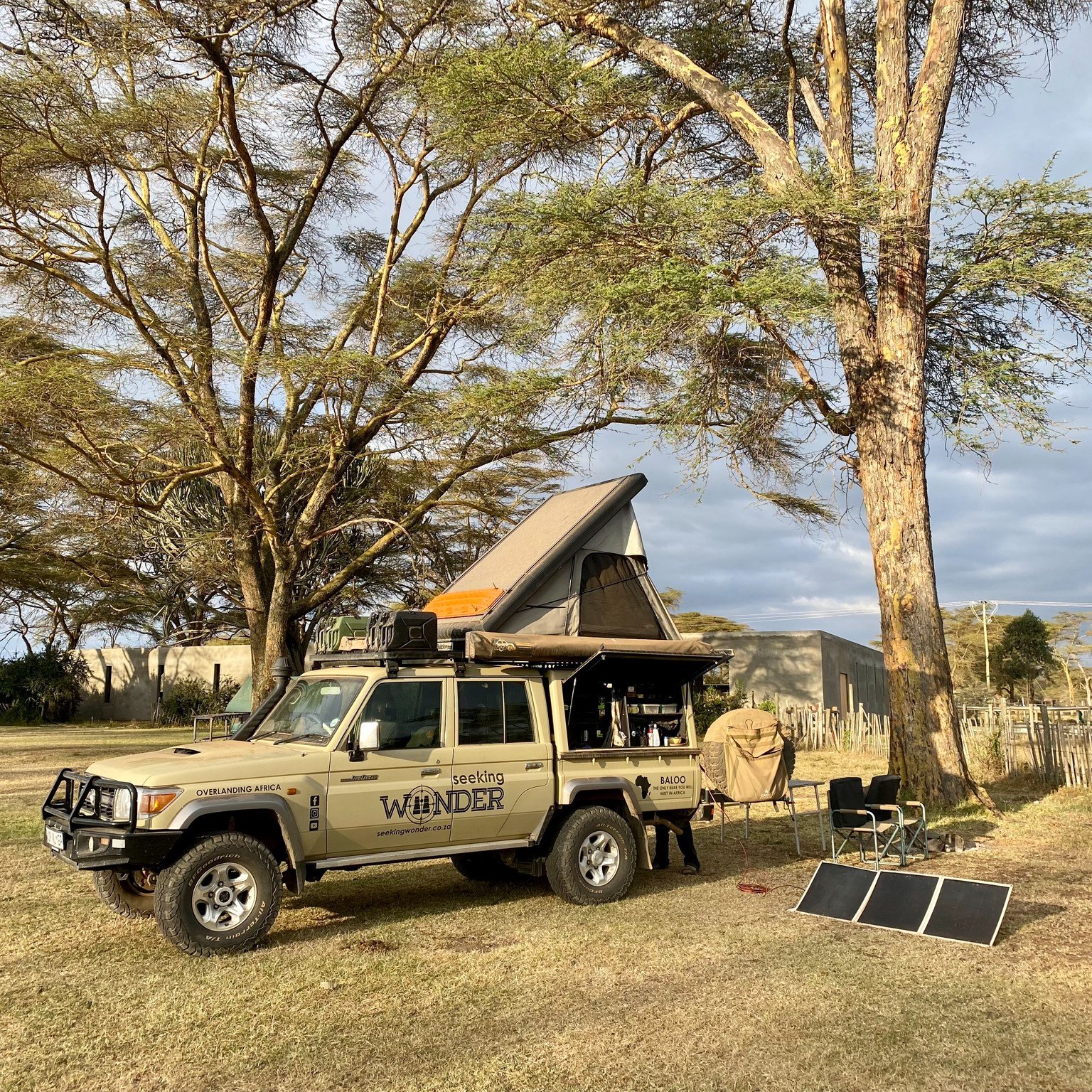
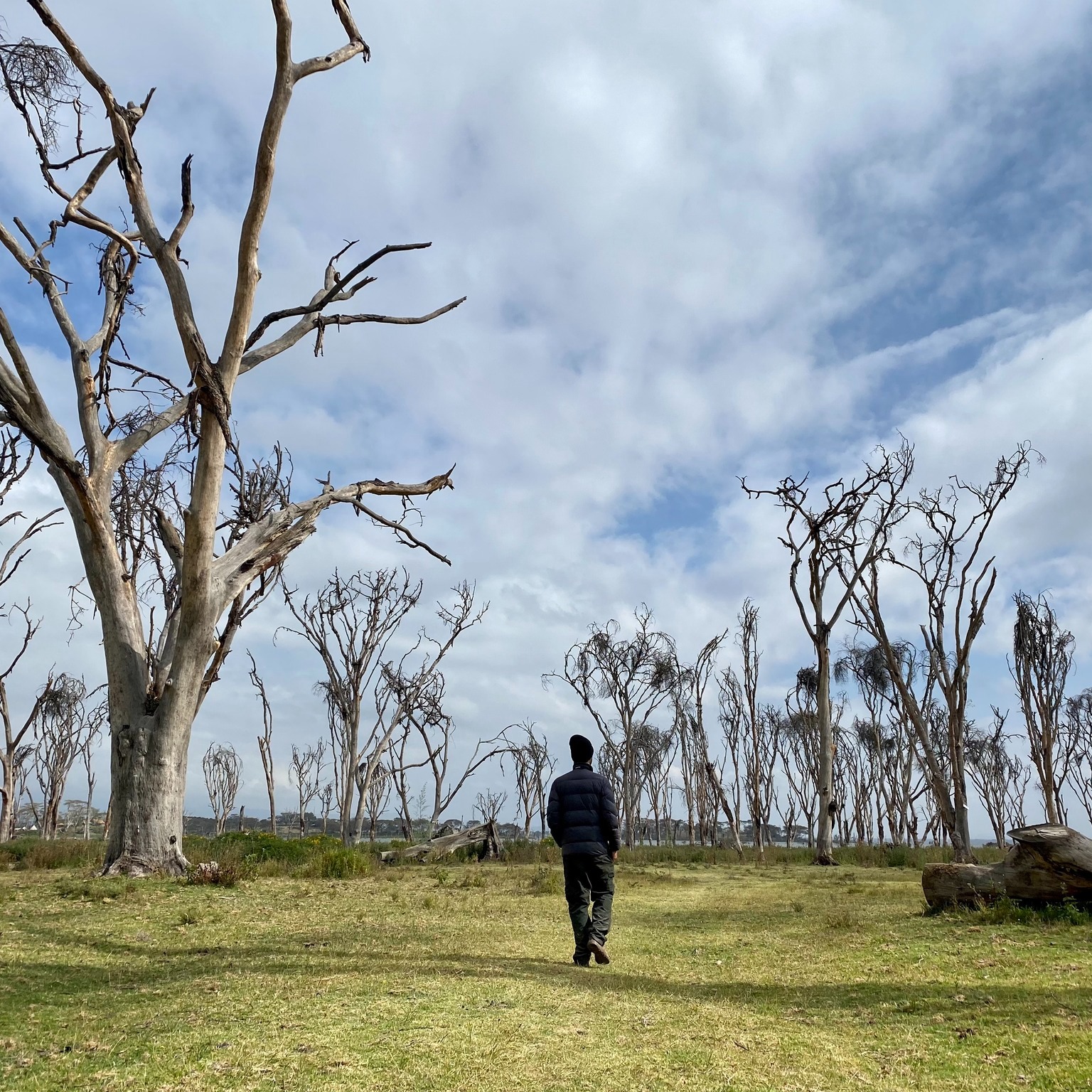
    A few days before, we had travelled up the Great Rift Valley from the Masai Mara, outspanning for a few days next to the beautiful Lake Naivasha. Set in a lush valley, the area offers fantastic wetland birding, unexpected culinary delights (like a real Italian pizzeria), and a fascinating history. The lake itself was used to land seaplanes enroute to South Africa from Britain in the 1940s and Joy Adamson (author of Born Free) called it home during the 60s. Today it houses a 45 MW geothermal power plant and Europe’s largest supply of roses is grown right here on its shores. After sharing camp with a couple of dusty overland bikers, we stopped for supplies at the Buffalo Mall, an establishment that could have been in South Africa (complete with a local Spur nogal!). Suitably replenished, we headed for the Aberdare Mountains.

    Driving up the mountain pass along the western edge of the Aberdare National Park we traversed a variety of vegetation zones, including evergreen rainforest, dense bamboo belts and sub-alpine moorlands. Entering the park effectively though its back door, we were informed that the KWS had changed park entries to a new online pre-booking system, just the day before. Of course. Following a classic dog and pony show involving a helpful but confused gate guard, half a bar of 3G reception (under that tree over theeere), much rain and even more mud we finally managed to buy online permits and off we went, losing a mere 2 hours.

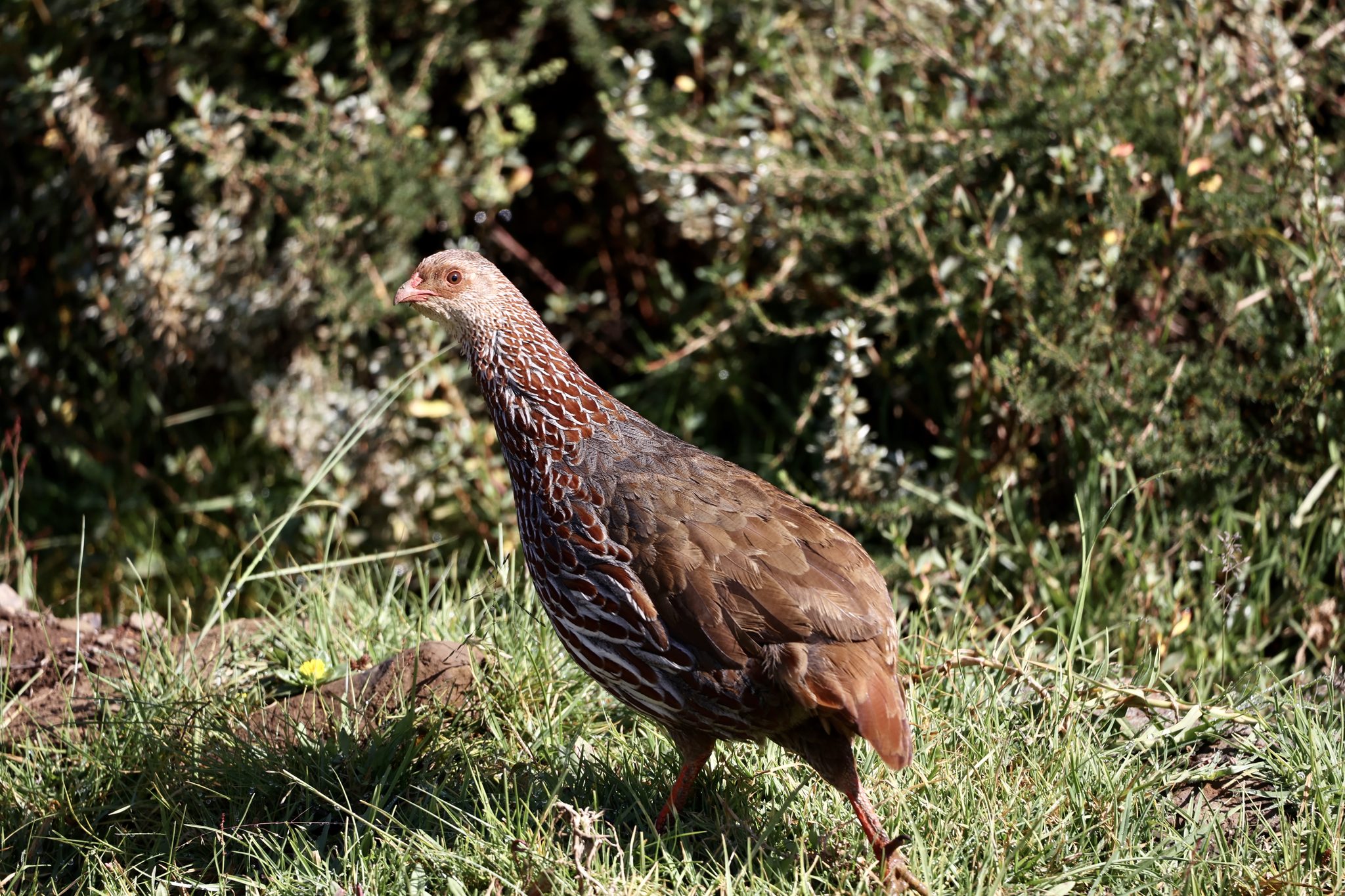
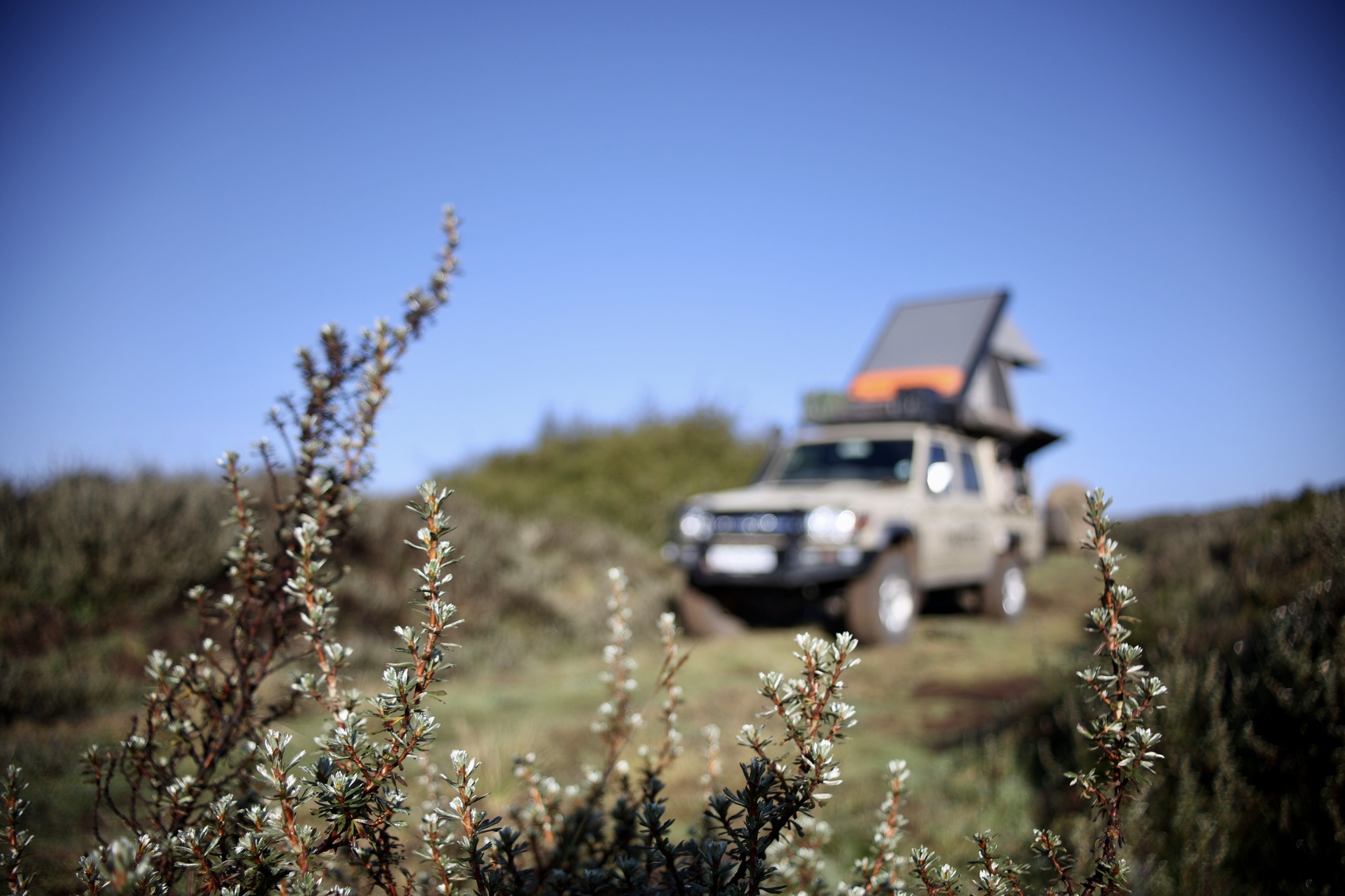
    The Aberdares must surely rank as one of the most unique places in Kenya, if not the whole of Africa. Sometimes fondly referred to as Scotland with Lions, it has landscapes as diverse as its creatures, and offers a lot more than just being the site where Queen Elizabeth II became the British monarch when her father died. The high-altitude moorlands above 3 300 m has rolling hills of alpine grass, shrubs and heath. Camping here is a shivering business (‘could we be wearing any more clothes!?’), but well worth it. Waking up to the beautiful rolling calls of the locally endemic Jackson’s spurfowls and moorland chats is something we will always remember.

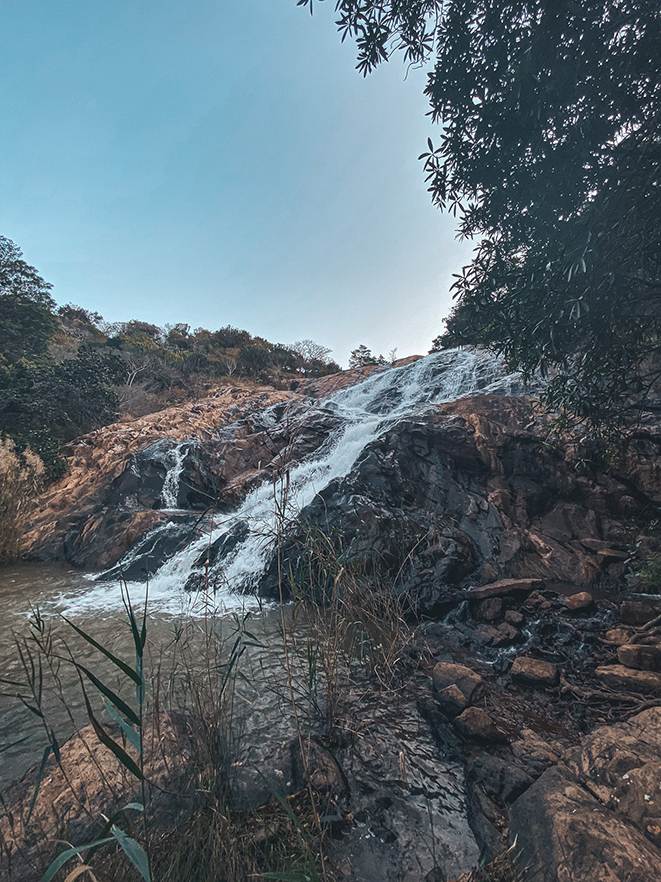
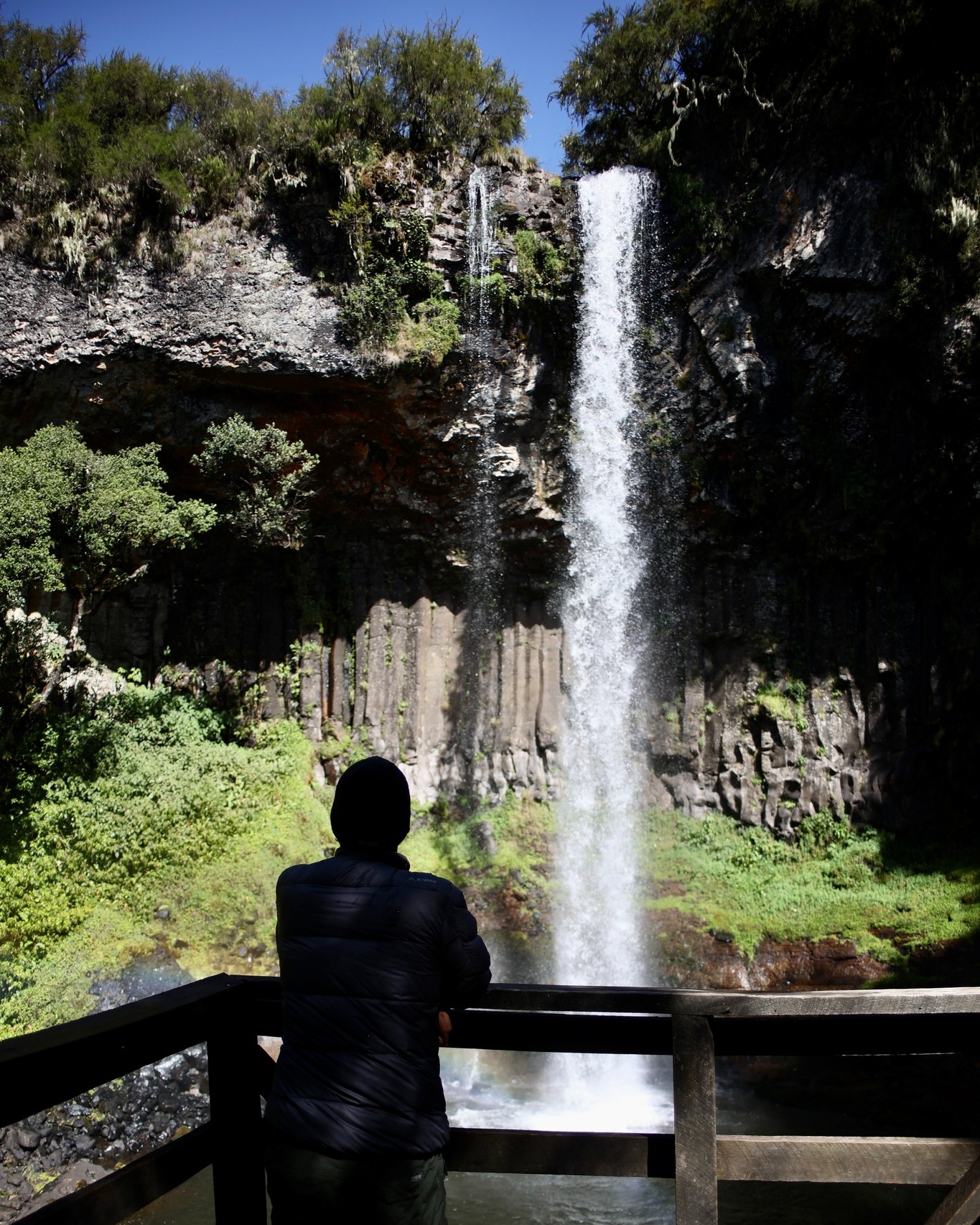
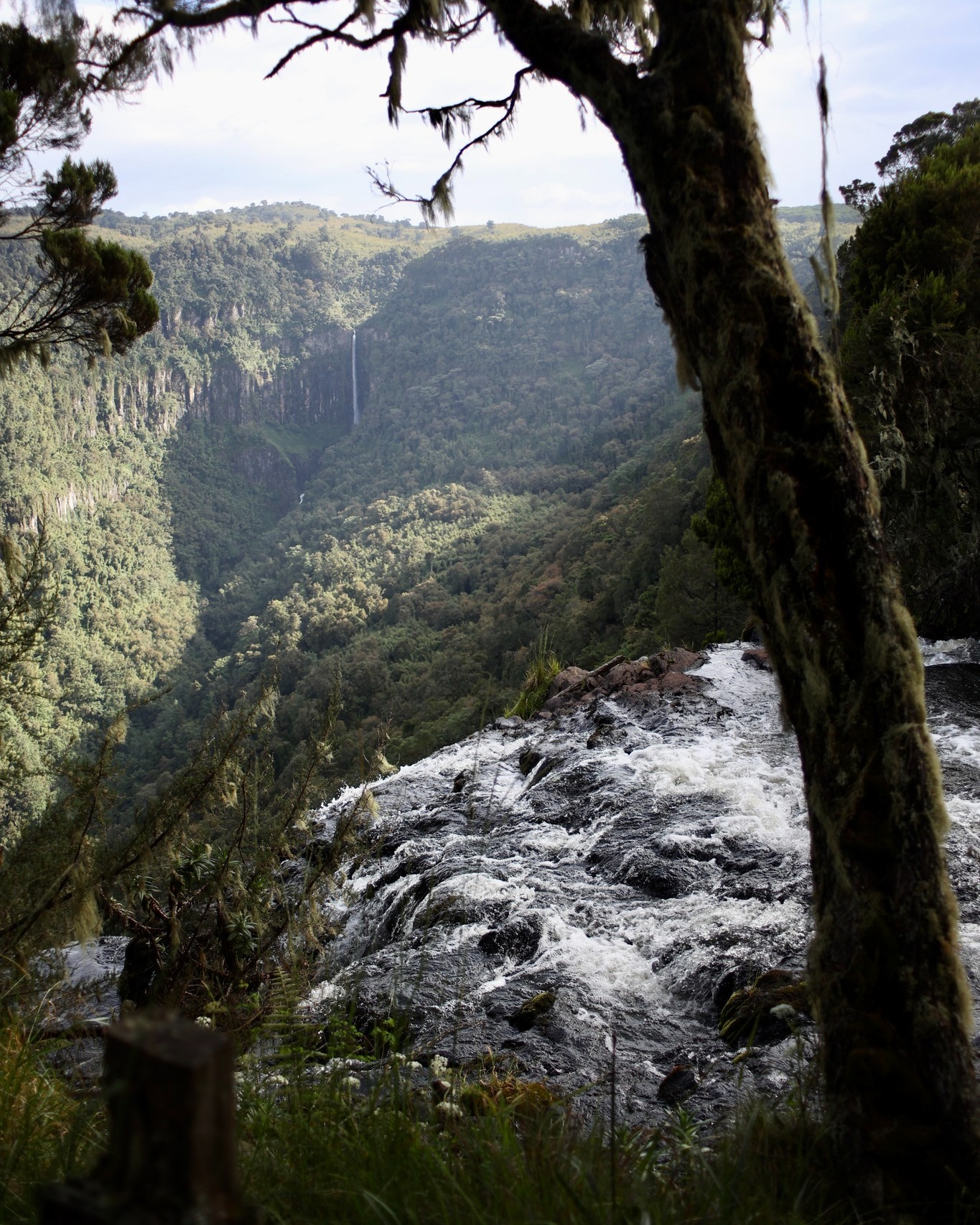
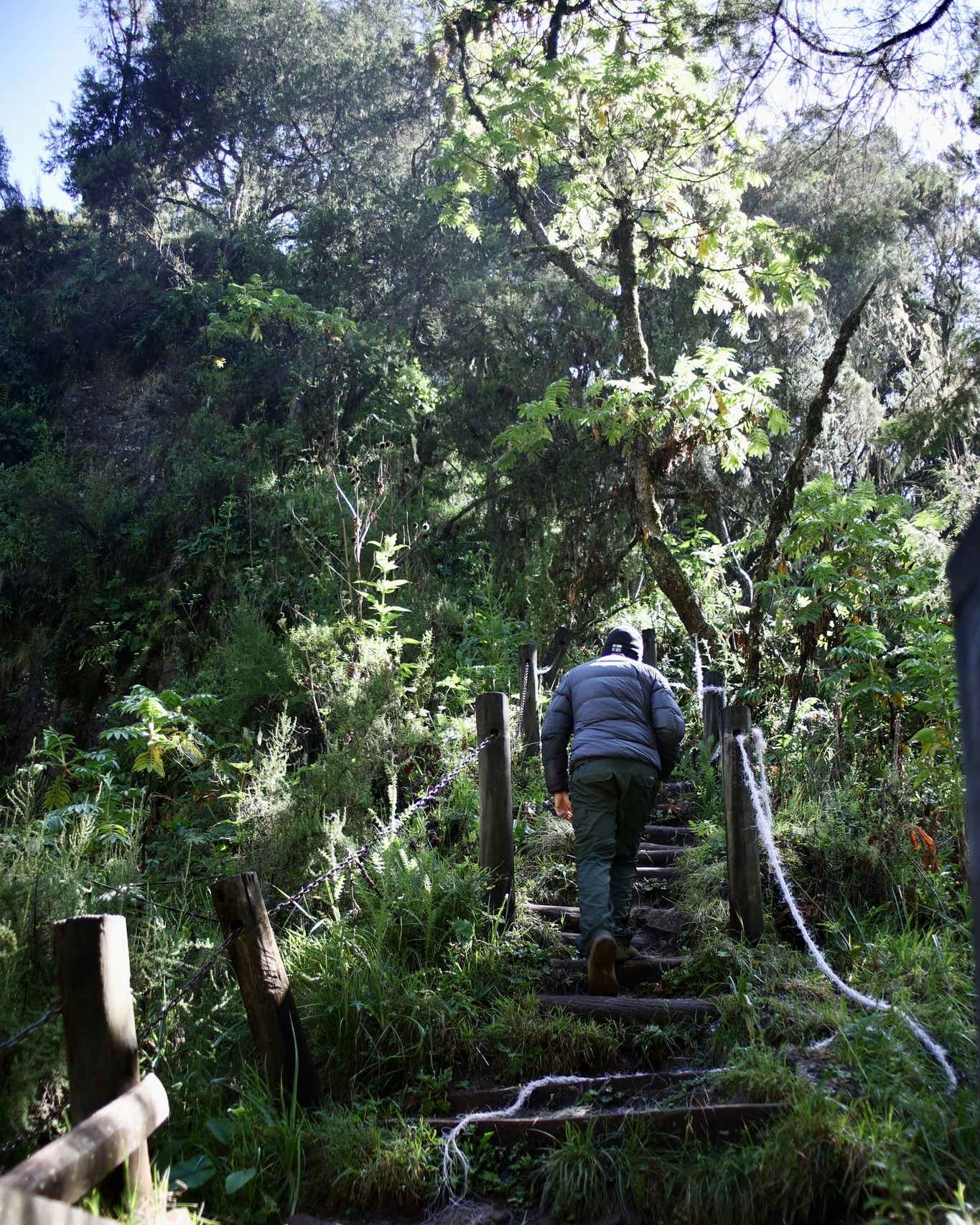
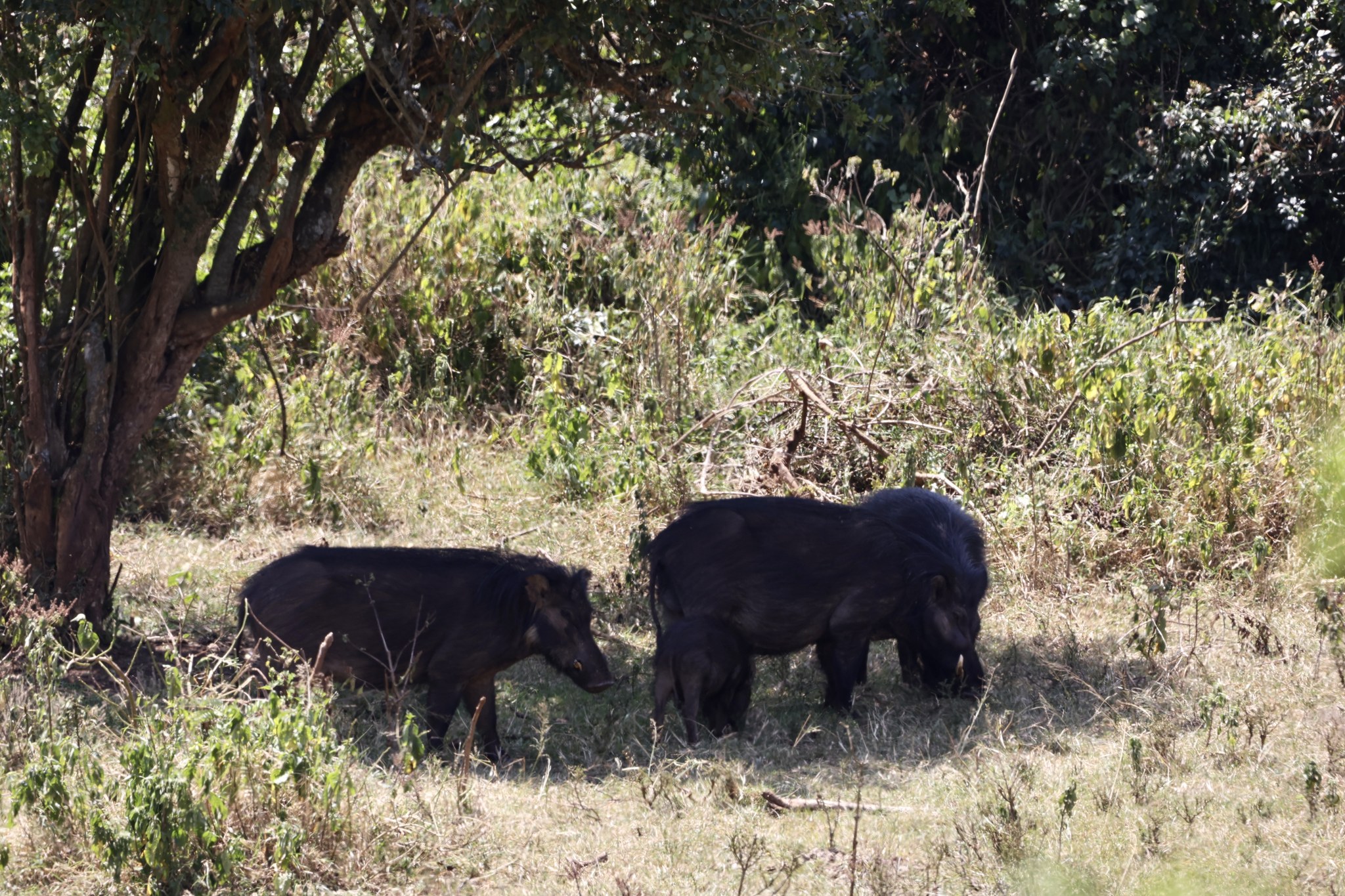
    We hiked to remote and spectacular waterfalls, tucked away between the mountain folds. Driving through the forest areas, we were on constant lookout for the rare bongo antelope that still lives here, and a few similarly-coloured bushbuck got us really excited. We missed out on the bongo, but instead used up all our luck with a rare sighting of an entire family of giant forest hogs. These utterly beautiful creatures do not often reveal themselves and seeing them in their forest home was a rare privilege. Exiting the park near Nyeri, we invariably felt that we could spend much more time there. But we were heading further southeast towards the equator, and the most famous mountain in Kenya.

    At 5 199 m, Mount Kenya has the second highest peak in Africa and, interestingly, the country takes its name from the mountain instead of other way around. A jagged extinct volcano with various snow-capped peaks and 11 ice glaciers, this mountain is not only a national icon and year-round water source, but also an adventurer’s playground. Serious hikers and climbers prefer the challenging aspects of Mt. Kenya to the gentler slopes of Mt. Kilimanjaro. Much of Kenya’s tea and coffee is grown around the fertile base, and the slightly higher mountain slopes are covered by lush evergreen forests. These forests are home to a very large variety of creatures, from endemic bird species to mammals like bongo, buffalo, elephant and leopard.

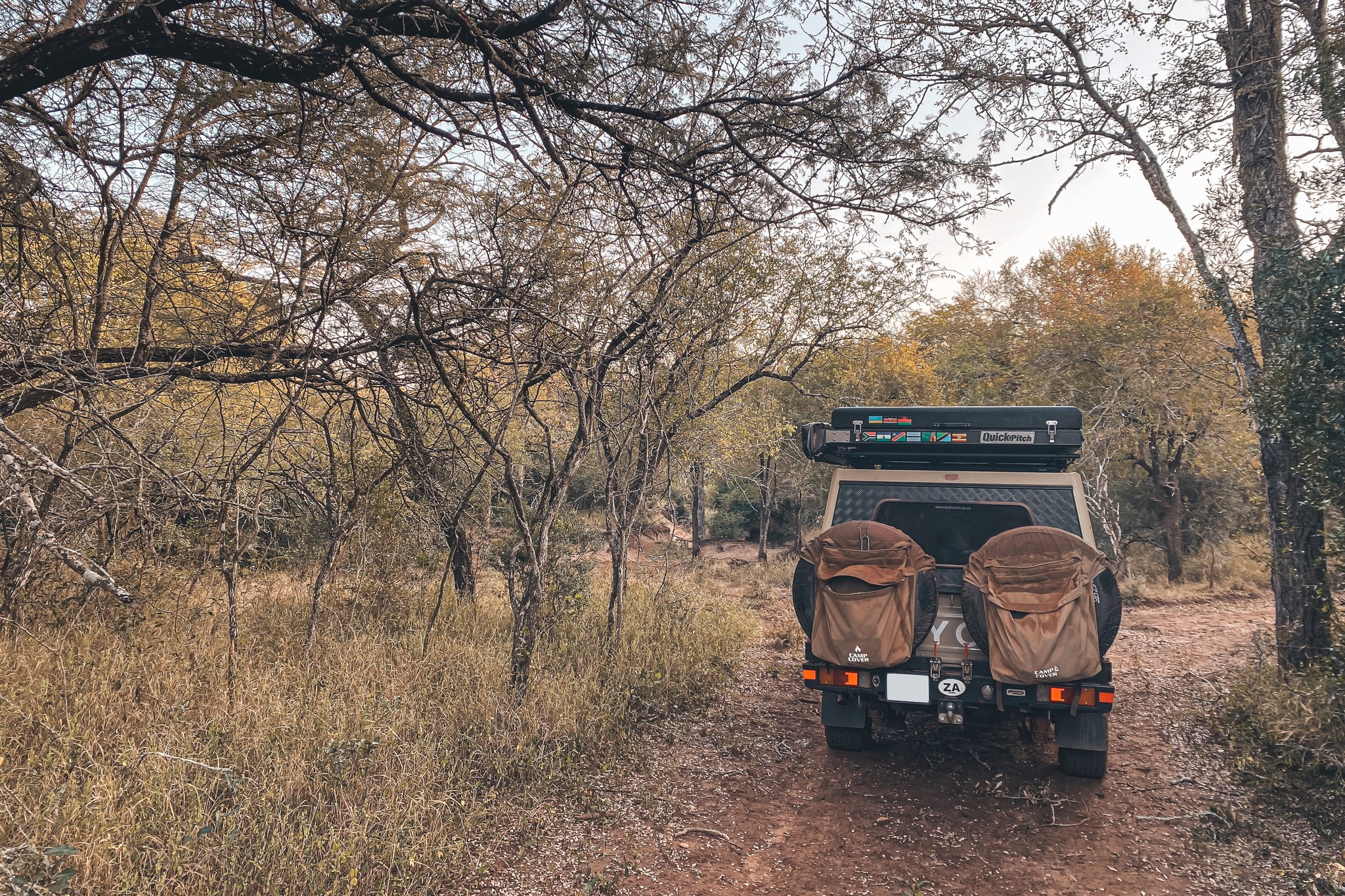
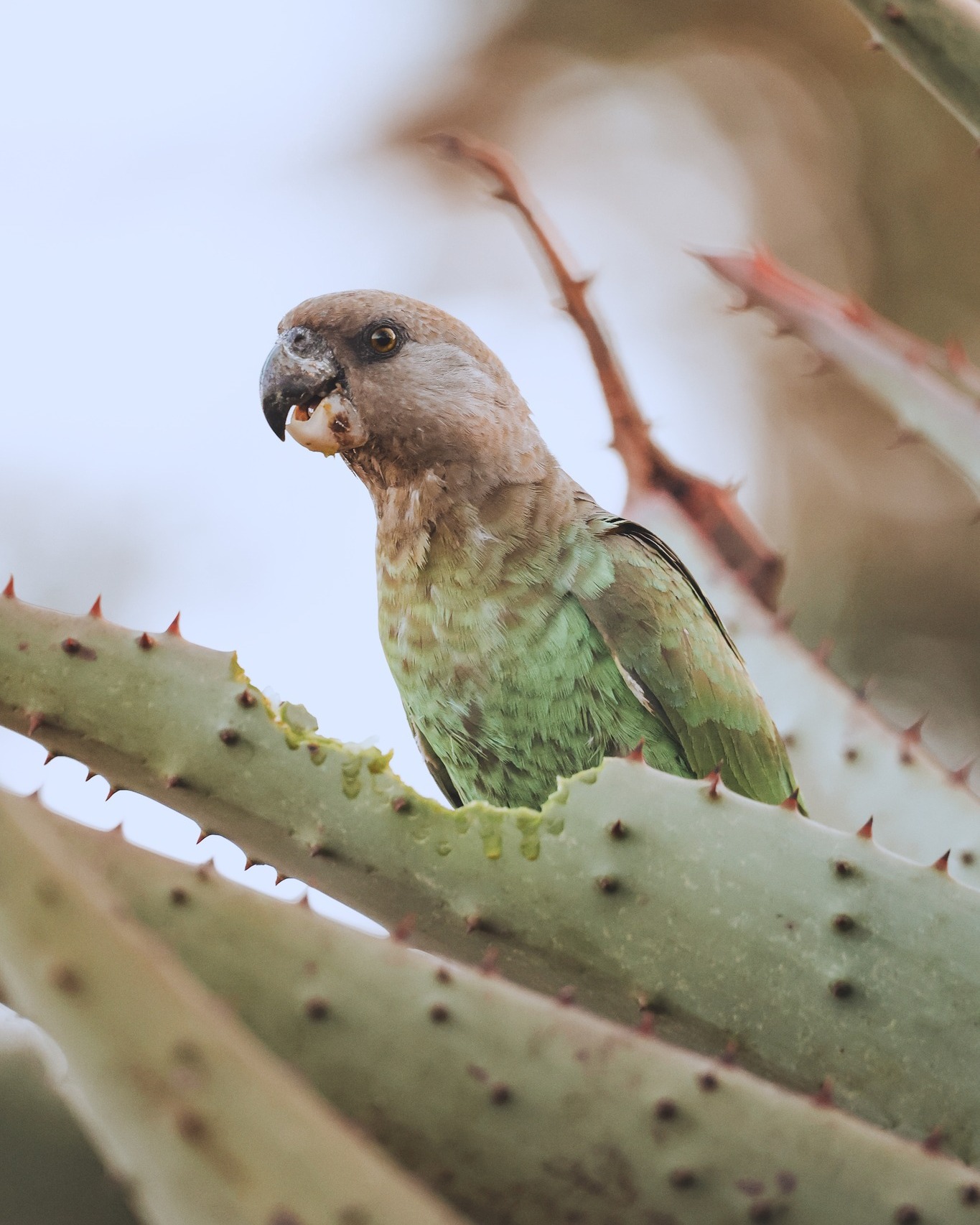
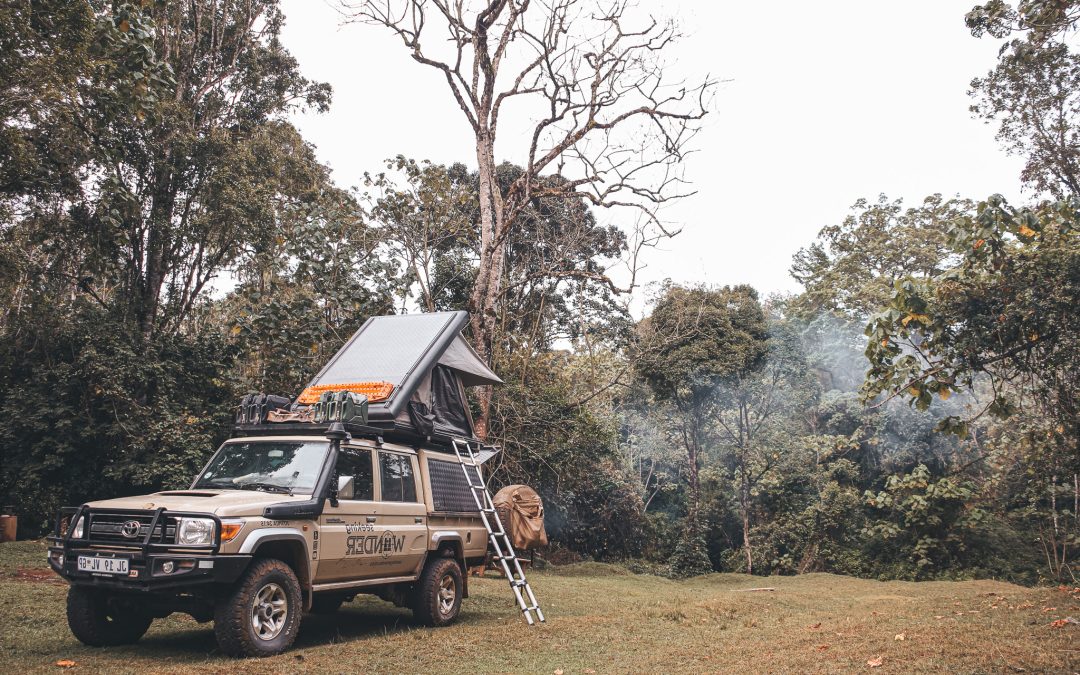
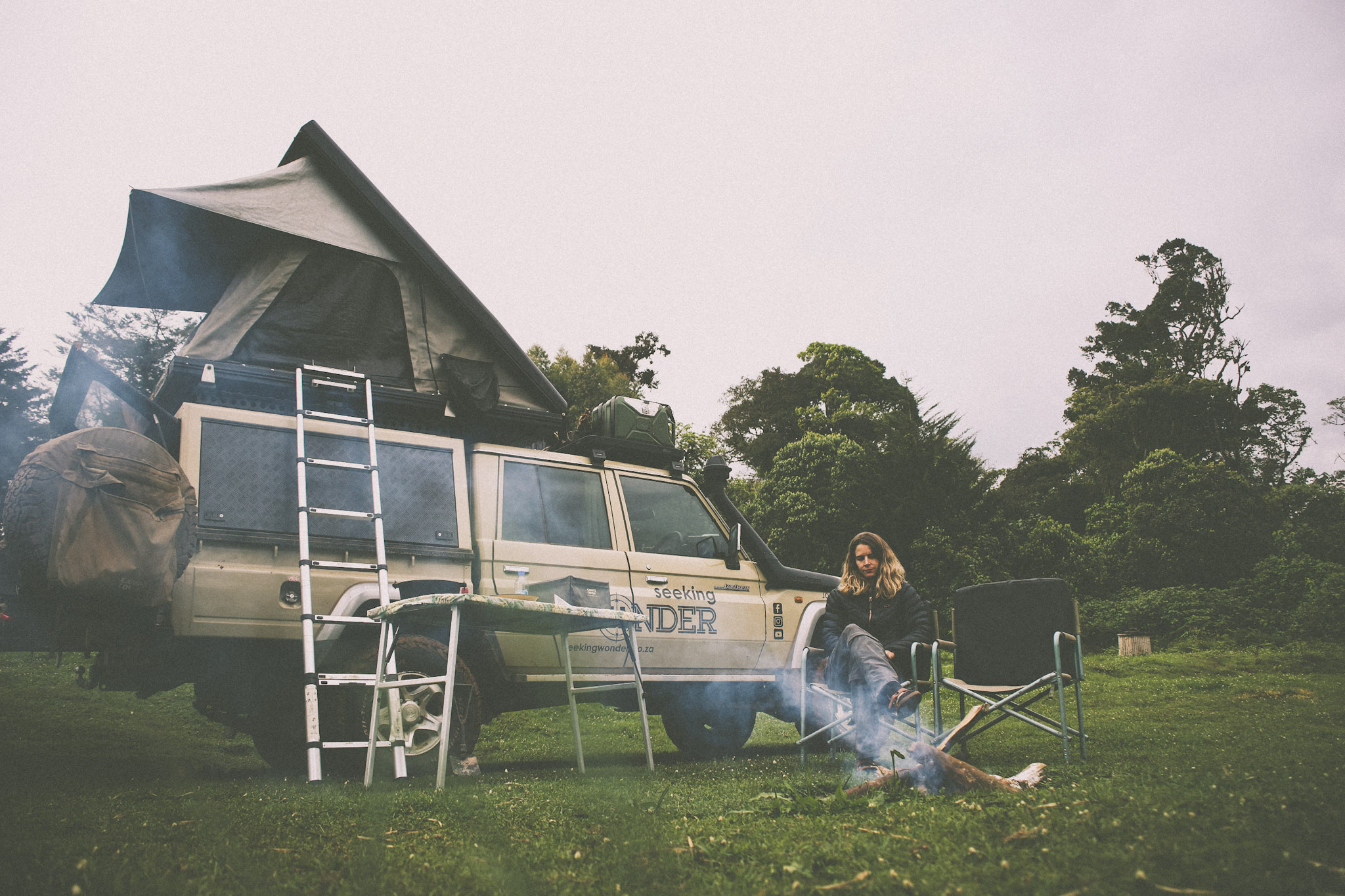
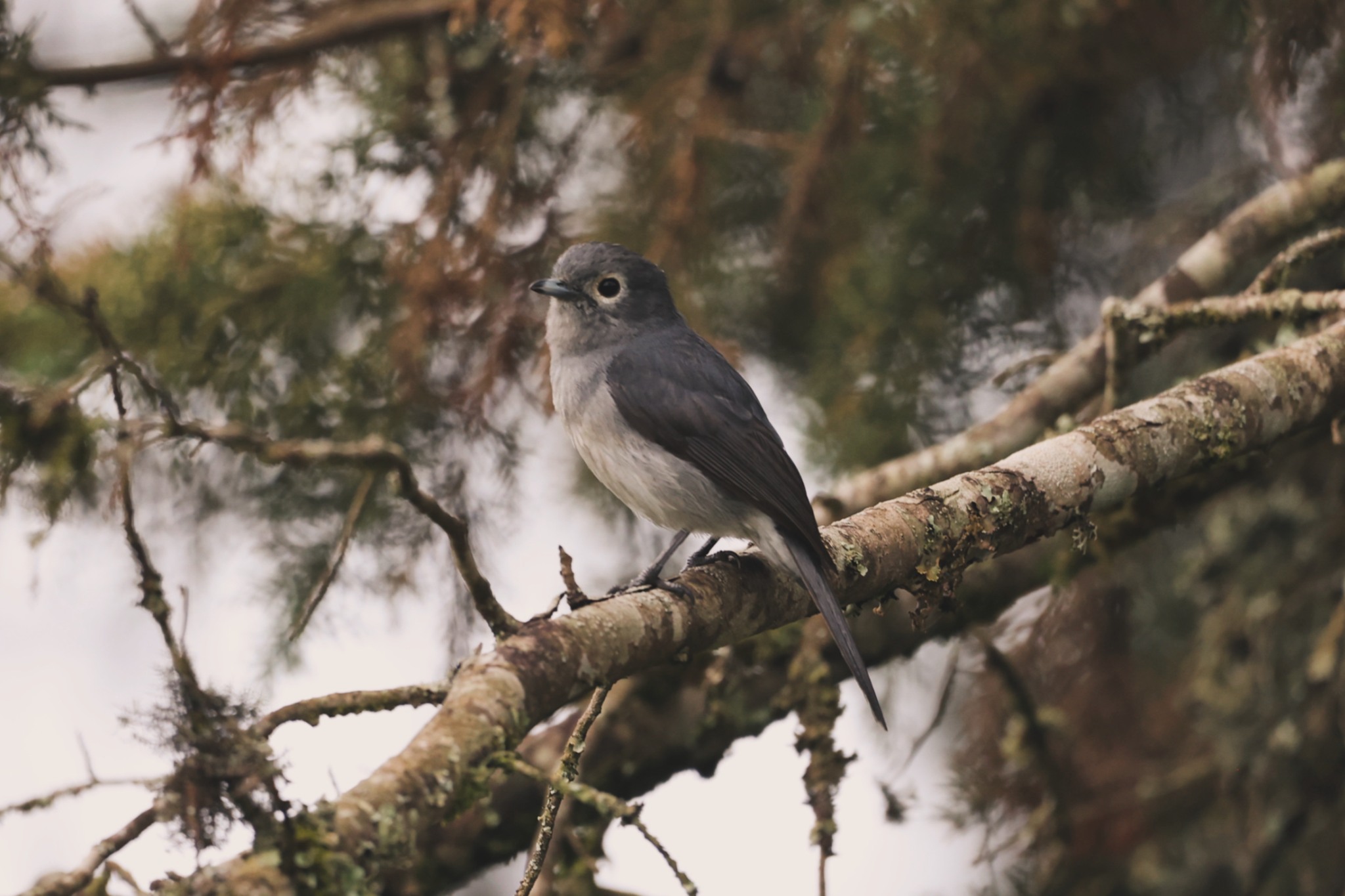
    Our first stop was Castle Forest Lodge, situated at the end of a steep forestry road that gets very slippery when wet, i.e. most of the time. With a muddy Baloo looking like he just finished a warrior-race, we slid into camp and wished the wet wood into a cheerful little fire. The moist green surrounds are home to a plethora of birds, and we were lucky enough to see many specials like the thick-billed and streaky seedeater, Hunter’s cisticola, mountain thrush, white-starred robin and red-fronted parrot. We also explored the forest paths and found beautiful fern-clad waterfalls, returning to warm our hands around hot chocolate at the cosy little lodge restaurant.

    A bit further on is the Ragati Conservancy, a veritable paradise of indigenous forest and bubbling streams. The conservancy preserves the sensitive afro-montane forest and supports environmental research, but also offers fly-fishing in this unique habitat on a variety of well-managed river beats. We camped on the lush banks of the Ragati river and explored some of the tributaries with two river guides to sure we don’t get lost in the thick jungle.

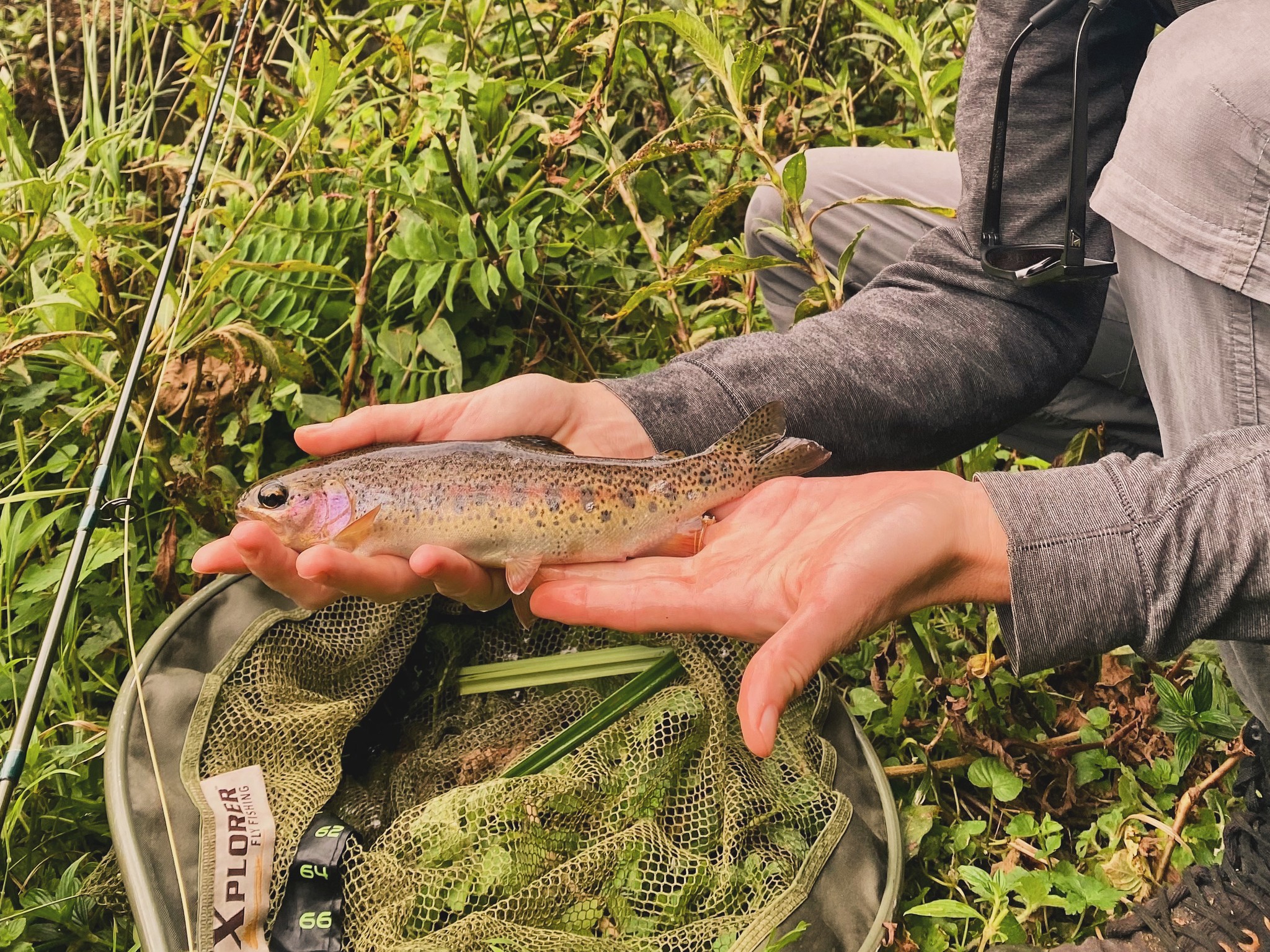
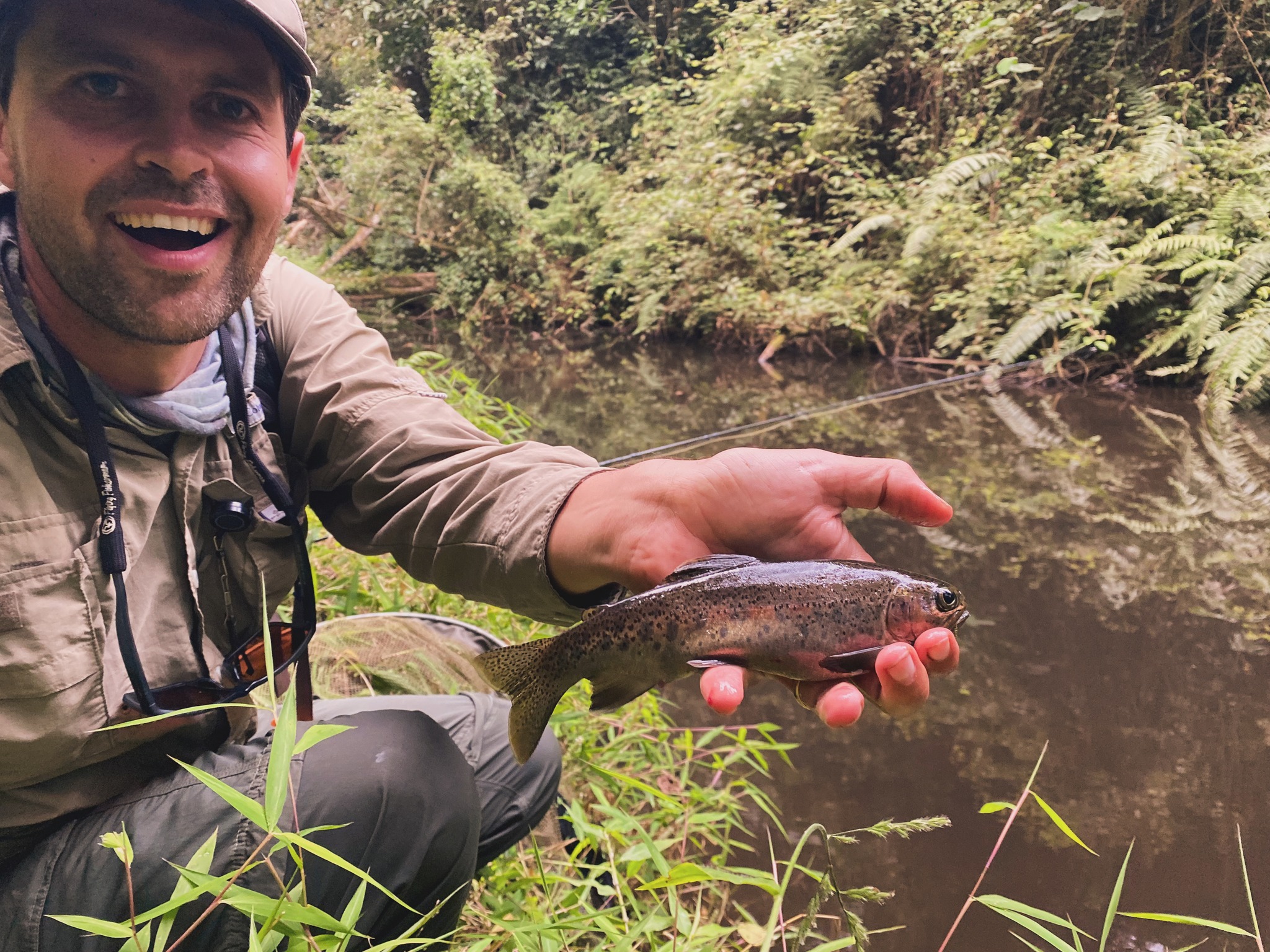
    The trout here were stocked in the 1920s and have since developed a unique colouration, earning them the local name of Ragati Reds. The fishing was beautiful, varying from tiny nettle-clad channels, to fast-flowing riffles and bubbling pockets. We both got hooked in the overhead foliage multiple times, but eventually also landed a few eager forest trout. At night we were serenaded by forest creatures of all sizes, including the whooping of hyenas, the truly bizarre call of tree hyraxes, and the rumbling of nearby elephants.

    A hungry little trout darts from an undercut to grab the bobbing fly and wake me up from my reflective trance. A short tussle and I slip it into the net before removing the fly. As I turn it over the sun catches its coloured spots, rendered even more dappled by the overhead forest canopy. We take a second to pause and admire its unique markings before releasing it back into the cold stream. Much like the past few days, time always seems suspended in the midst of remarkable beauty. The mountains of Kenya will hopefully see us again one day – for more forest hogs, ferns and trout. 

    Trip tips:

    Mount Kenya

    1. Castle Forest Lodge has a beautiful campsite and is located in the mountainous forests of Mt Kenya, although not within the park boundaries, so park fees don’t apply. We really enjoyed the unique atmosphere and birding, as well as the short walks in the forest. Watch out for the muddy access road when it rains though!

    https://www.castleforestlodge.com/

    1. The Ragati Conservancy must be on the top of our list for an amazing combination of forest camping, hiking, birding and fly-fishing all combined! A spectacular and well-managed conservancy within the forests of the mountain, directly adjacent to Mt. Kenya National Park. https://ragati.com/

    Aberdare National Park

    1. Some park gates don’t have 4G network so pre-booking and paying online is a good idea: https://kws.ecitizen.go.ke/
    2. It is possible to drive in at one gate and out the other – we entered at the Western gate close to Nanyuki, and exited at the main Eastern gate close to Nyeri.
    3. We camped at the Reedbuck Campsite in the higher moorlands section and enjoyed it thoroughly! It gets very cold at night so bare that in mind.
    4. Take enough time to walk to the viewpoints and beautiful waterfalls – each one unique and beautiful!

    Fly Fishing

    1. Kenya has a well-documented fly-fishing history and culture, and there are many high-altitude streams and rivers with thriving wild populations of brown and rainbow trout.
    2. Two general hotspots are the areas in and around the Aberdares mountains and Mt. Kenya.
    3. You can fly-fish on the streams within both national parks, but an angling permit (and in some cases also a guide as it is within big game areas) is needed, obtainable online at the KWS: https://kws.ecitizen.go.ke/
    4. We fished within the Ragati Conservancy, where river guides accompany you due to the elephants around. The Ragati river and its tributaries is fished in well-managed but rugged beats.
    5. The streams are typical 2-3 weight territory, with bow-and-arrow casting and 6-7X tippet being the order of the day. The typical array of small nymphs and dry flies such as PTNs, RABs, and Klinkhammers worked well for us.
    Mara Milestone Moments

    Mara Milestone Moments

    We follow the tall and stately shape of an old Masai scout leading the way through fading light. As we reach a small clearing in the bush, a glowing camp fire welcomes us. The toothless but friendly scout drapes a red Shuka over each of our shoulders and offers us chilled sundowners. We are here tonight to relish a fancy bush dinner in celebration of Simoné’s 30th birthday, right on the escarpment overlooking the magnificent Masai Mara. As we gaze at the dying sun setting alight the endless valley below, we agree that this is decidedly touristy. But it is sometimes necessary to do said touristy things – you only live once after all. We also agree that this is indeed a mighty milestone. Not only is it a special birthday, but we have also reached a goal in visiting a destination we only ever dreamt of. Over dinner we reminisce over the momentous experiences of the past week or two in some of Kenya’s premier wildlife destinations, the Masai Mara and Amboseli.

    Amboseli National Park is one of those places that most people have seen photos of, even though the park name might sound unfamiliar. Being on the border with Tanzania, the park likely offers the most classical views of Kilimanjaro – complete with elephants in the foreground. In fact, the ellies of Amboseli are legendary. Not only are some of the last remaining large tuskers in Africa found here, it is also where famous researcher Joyce Poole did her groundbreaking studies on the savannah elephant. Much of what science now commonly accepts about elephant behaviour and social structures, was first noted here – a true milestone for conservation.

    We camped at Amboseli Eco Camp outside the park and got to meet the dusty steppe winds for which the Kenyan side of Kili is known for. Entering the park was a smooth process, with the kind folks from the Kenyan Wildlife Services (KWS) efficiently relieving you of your hard-saved dollars. The upside is that Kenya’s parks are much more rational about vehicle fees than their neighbours, so it is a less painful experience to the pocket. As with most East African parks, the main road turned out to be a washboard highway. However, the fun started once we got off it at the first available opportunity.

    An incredibly scenic and compact wildlife sanctuary awaited us. Open plains where pot-belly lions bask in the morning sun and Masai giraffe journey in the background. Marshes where countless elephants wade waist-deep all day long to relish the juicy greens. Vast soda lakes where Flamingo flocks forage photogenically. We even saw a few rare critters such as an African civet and a serval, both systematically searching the fringes of the wetlands for some unlucky rodent.

    Towards the end of the day, the ever-present clouds around the mountain lifted to briefly reveal the grand dame in all her splendour. This must surely be one of the places in the world where tourists seem more interested in selfies with a mountain than with the animals. But we must admit, it was difficult not to cue Toto’s factually-questionable-yet-immortal lyrics of Africa while driving around this spectacular part of the world. One for the books indeed!

    Magical Mara

    The overland traveller should just accept that all roads do indeed go through Nairobi (sort of) and that there is no elegant circle route to visit all the famed wilderness areas of Kenya. Hence, after making our way via crazy Nairobi and Narok, we meandered all along the rift valley to find ourselves in one of the most celebrated conservancy areas in the world – the Masai (or Maasai) Mara. We entered early through the Sekenani gate and headed to the Mara river bridge to enter the so-called Mara Triangle. Slowly meandering along the river, we stopped to watch early-morning hippos, something that pairs well with sunrises and hot coffee.  

    Sharing a border with the Serengeti, comparisons are unavoidable yet unfair for each is spectacular in its own way. The landscapes in the south are similar to the Tanzanian side of the ecosystem, with vast grasslands dominating the surrounds. As we moved further along the river, volcanic outcrops and undulated hills started to appear, eventually terminating in a towering escarpment forming the natural northern boundary.

    Wildlife encounters proved to be truly spectacular. Being late August, many of the famed blue wildebeest mega-herds were now concentrated here. Seeing the horizon and hills entirely filled with these animals, hearing their snorts and grunts from afar, and feeling the dusty earth vibrate as they move in their thousands is something no camera can capture faithfully. We missed out on seeing them cross the river, but judging by their content and knowing smiles, the local crocodiles did not.

    Carnivores obviously have a good time here, simply picking off young or injured animals from the daily drive-thru menu. Half-eaten carcasses dotted the plains, indicating a saturated ecosystem where even the local Rüppel’s Vultures have that post-Christmas-dinner look. Just before sunset, we drove into a postcard when we met with two cheetah brothers scanning the horizon from a termite mound. After grooming and stretching, these healthy animals literally walked off into the sunset, possibly in search of moonlit prey, something Mara cheetahs specialise in.

    Camping at Eluai on a beautifully situated koppie, we watched a thunderstorm roll over the plains with ominous beauty and were serenaded by lions tormenting the herds in the valley below. Dawn was met by colourful hot air balloons serenely floating multitudes of tourists across the misty savannah. Parked under a lone sausage tree, surrounded by nothing but thousands of wildebeest and zebra, we later enjoyed what must surely rank as one of our all-time favourite lunch spots. After another blissful day in paradise, we exited at Olooloo gate to celebrate our milestones at Mara West camp with a dinner on the rift’s precipice.

    As we talk about the wonders we seeked and found here, we decide that it is true that what you get by achieving your milestones is not as important as what you become by achieving your milestones (with apologies to Goethe). Both the Masai Mara and Amboseli will indeed provide ample photo opportunities and enable you to tick items off your bucket list. But perhaps it is rather the moments in between and a deepened appreciation and care for the creation, that give true magic to the miles.

    Some helpful trip tips:

      • Masai Mara Basics
      1. You can either visit the Masai Mara National Reserve (East of the Mara river) or the Mara Triangle (West of the Mara river). Generally, the Mara Triangle has less safari vehicle traffic and enforces strict game viewing rules (a very good thing). They have a good website with latest tariffs payable at the gates: https://www.maratriangle.org/
      2. In the Triangle, your permit is only valid for a calendar day (irrespective of what time you enter). If you sleep over inside the park, it is valid until 10h00 the next morning.
      3. August – October is peak season and generally the time that you will most likely encounter migrating blue wildebeest herds.
      4. Potential Mara river crossings are big drawcards and many vehicles sit at common crossing points all day waiting for one. Unless you have many days in the park, rather explore the many other beautiful areas also.


      • Amboseli National Park
      1. Book your park permits online the day before: https://kws.ecitizen.go.ke/
      2. KWS recently increased their park fees for international visitors, but the good news for South Africans is they reduced it for all African citizens.
      3. Amboseli sees many day visitors and safari vehicles, all wanting photos of elephants in front of Kilimanjaro. Avoid the main (corrugated) road and take a packed car lunch to avoid the (only) picnic spot.
      4. One day is enough to cover the entire park’s road network. However, Kilimanjaro is behind clouds more often than not. If this is important to you, allow a few days to give yourself a good chance of seeing her in her full glory!


      • Campsites
      1. Mara Triangle:
      • Oseki Maasai Mara Camp just outside the Sekenani gate is well worth a stop before entering the park.
      • Eluai public campsite inside the triangle is spectacular and usually quiet – no need to pre-book it.
      • Mara West lodge just outside the Olooloo gate is not cheap, but the view is worth it.
      1. Amboseli NP:
      • We enjoyed the rustic Amboseli Eco Camp about 30 km outside the park.

      Fantastic Beasts (and where to find them)

      Fantastic Beasts (and where to find them)

      Guineafowls with vulture-like heads. Gazelles with 4-foot-long necks. Ostriches with blue legs. You would be forgiven for assuming such creatures are taken from the pages of a Dr. Seuss book. But in the dry Kenyan bush, fact is indeed sometimes stranger than fiction. Ever since reading about the existence of the otherworldly animals that call these parts home, we simply had to journey to Kenya to see them for ourselves.

      Despite all the naysayers predicting otherwise, we finally made it through the border post without a vehicle Carnet. It seems fortune does favour the brave (or the ignorant). In fact, we were so surprised that the officials let us through that we didn’t know where to begin in this beautifully diverse country. So, we did what came naturally and crammed in as many national parks as our allotted time (and limping credit card) would allow. First on our hit list to explore were the Tsavo area and Samburu reserve, known for their interesting African creatures and so much more. Here is what we found.

      Tsavo East National Park

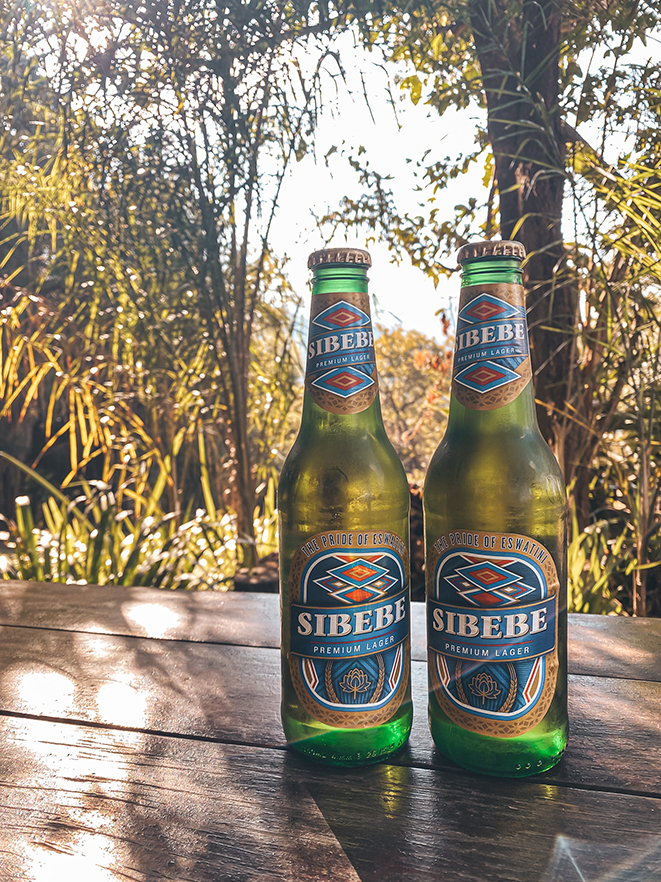
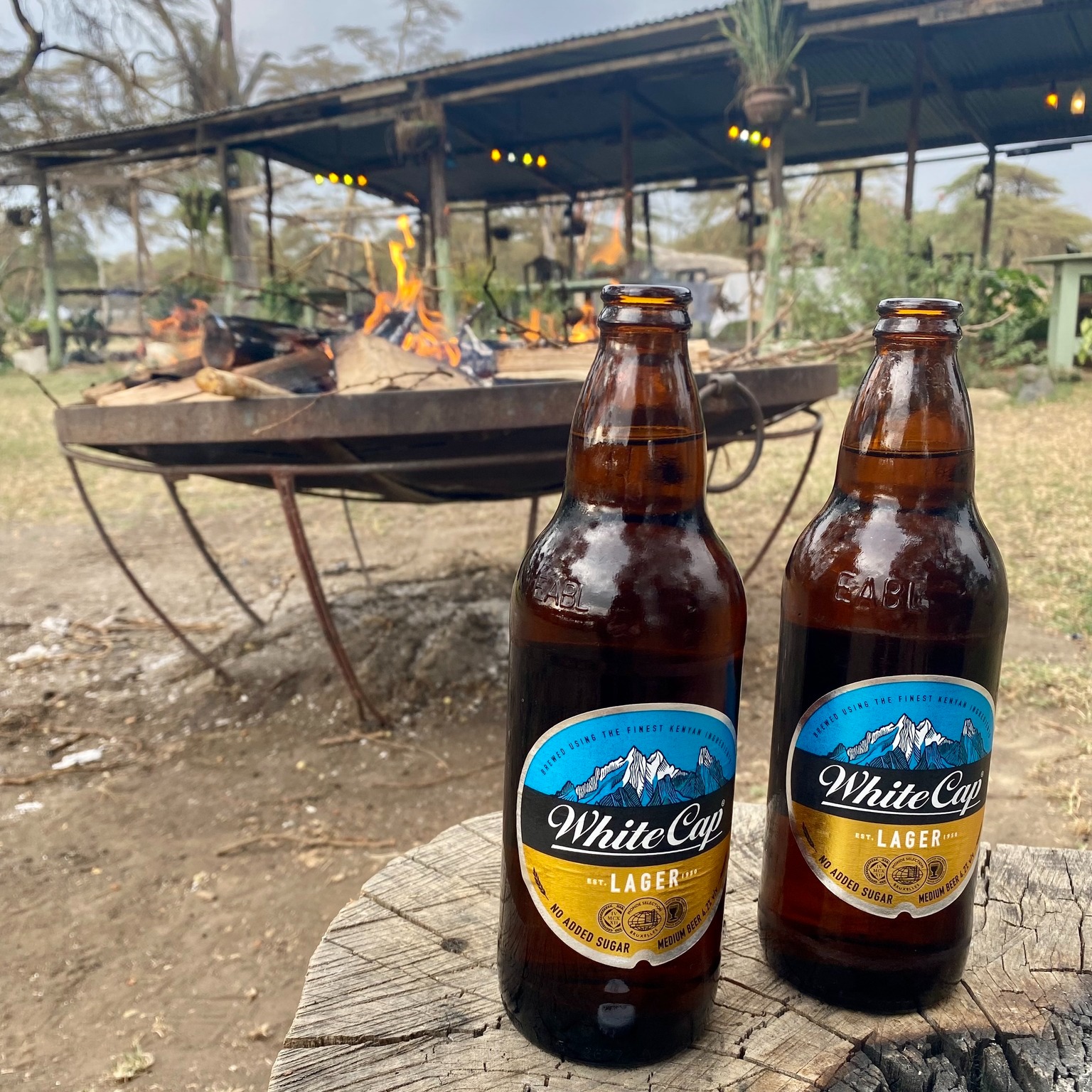
      To avoid the death-defying cement trucks of the Mombasa highway, we drove along interesting back-roads via the Taita hills. Some quintessential scenes painted the roadside picture, including local villagers with teeth filed to points waving at us and Kilimanjaro peeking shyly through her cloudy scarf. We set up camp close to Voi, just outside the Tsavo East National Park, and cracked open our first dew-cold Tusker beers. Exploring the park exceeded our expectations of a dry and dusty wilderness sparsely populated with game. Dry it surely was, but life abounded, including creatures we did not expect.

      Not long after entering, we were treated to a pride of twelve lions along a dry tributary. The red elephants of the area also put in plenty of appearances – beautiful tuskers dusted in the brown-red earth commonly found around the Tsavo plains. Lesser kudu browsed the fringes of waterholes – smaller than their more common cousins and with almost hairless necks. Golden-breasted Starlings and Rosy-patched Bush-shrikes showed off their fantastic colours. On the dusty plains we found the endangered fringe-eared oryx, an almost comical version of the gemsbok with their large flappy ears. Speaking of comedy, nothing quite prepares you for your first real-life sighting of a gerenuk. These rare gazelles with their seemingly-photoshopped long necks and habit of standing on their hind legs to browse had us chuckling every time we were lucky enough to see them.

      The park combines with the Tsavo West National Park to form the largest protected reserve in Kenya and it is a gem for lovers of wild places. The dry and windswept landscape is vast and covered with thorny shrubs. Although seasonal river courses and waterholes provide some respite and greenery in some areas, the lushness of the perennial Galana River seems almost out of place. Lined with palm trees, filled with hippos and banked by red hot rocky surrounds, it is reminiscent of the Kunene landscape in Namibia. You will not find the tourist hordes that frequent the more famous East African parks here. Instead, you will find a wilderness that is as unique as the creatures that frequent it.  

      Phantoms of the station

      Most folks with a keen interest in East Africa would have read The man-eaters of Tsavo, or at least seen the film based on it. In 1898 two male lions developed both a taste for human flesh and a few bold tactics to source it, and subsequently terrorised the Indian labour force building the railway to Uganda. For some, this true story inspired a lifelong fear of big cats (because all lions will claw through a roof to get at you, right?). For others, it gave a glimpse into a very different time to have been in wild, untamed Africa. The old Tsavo railway station area is where most of the action went down, and it still exists.

      We found the old station and railway in the bush among the thorny shrubs not far from the modern equivalent. Abandoned and derelict, the station has seen better days. But if you know the story, you will appreciate that it has also had its share of wild adventure in days gone by. When Col. J.H. Patterson waited up for the man-eaters here using himself as bait he almost became part of the ghastly statistics: “The deadly silence became very monotonous, when suddenly, to our right, a dry twig snapped. My eyes were strained by prolonged staring through the darkness. It was quiet again when, with a sudden bound, a huge body sprang at us. ‘The lion!’ I shouted, and we both fired.”

      Walking along the same platform and through the dilapidated ticket office, we invariably felt a cold shiver or two pass down our spines. Perhaps this is not a place to visit at night. At least not if you are afraid of ghosts, or of darkness.

      Samburu National Reserve

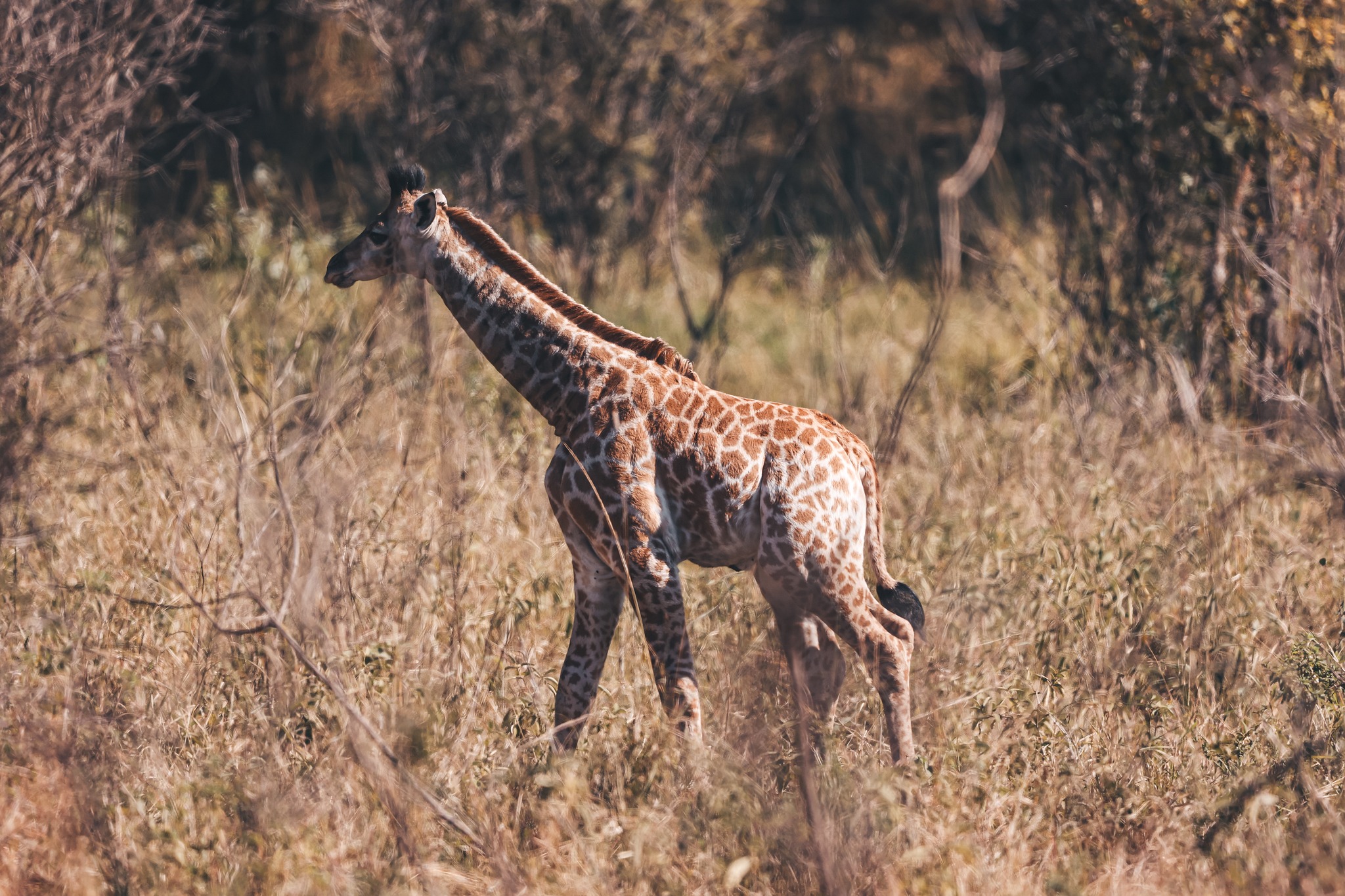
      After navigating the crazy Nairobi traffic, catching up on chores and stocking up in the upmarket (and expensive) shops of the appropriately-named Karen suburb, we headed further North to the Samburu National Reserve. This fascinating reserve is known for hosting the so-called strange five, some of which we also saw in Tsavo. A beautiful Grevy’s zebra welcomed us close to the gate with its fine barcode-like stripes and large ears. Here we also encountered the Somali Ostrich, with its light blue legs and white neck ring. Reticulated giraffes ambled toward the river. Synonymous with the reserve, they sport beautiful coats of near-square block patterns. A cheetah mother sat under a tree with her three cubs, as always on the look-out for potential lunch. A birding highlight of our journey was seeing flocks of Vulturine Guineafowl with their electric blue feathers.

      Samburu is perhaps a little out of the way of the more popular Kenyan destinations, but we found the trek more than worthwhile. It is located in a semi-desert on the dry side of Mount Kenya and hence its landscapes are dominated by arid and dusty woodland. The Ewaso Ng’iro river flows through it, with the Buffalo Springs natural spring extending a year-round lifeline to its animals. The majority of roads follow the river course, providing great game viewing in this piece of paradise.

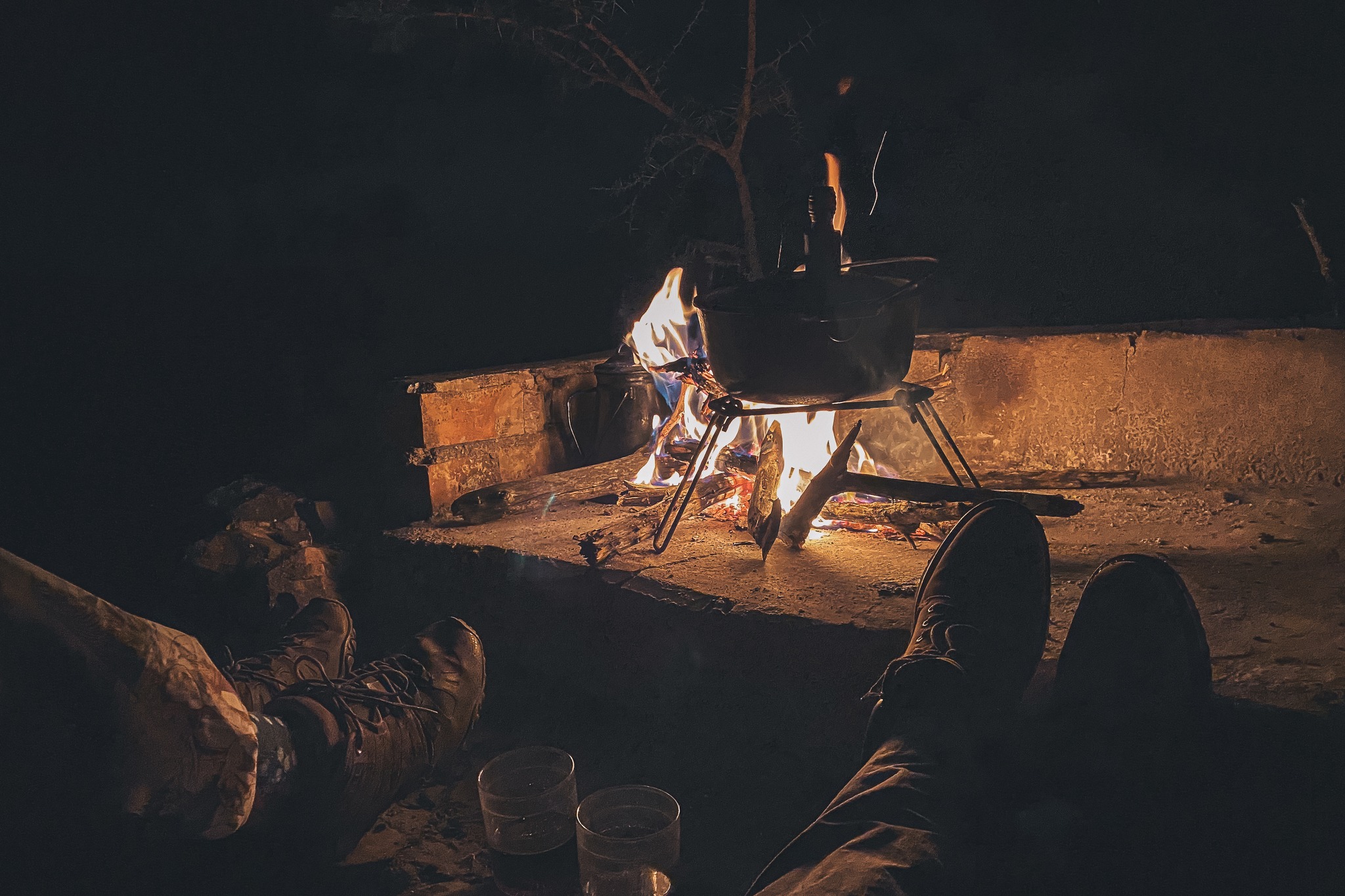
      Fantasy is a necessary ingredient in living, it’s a way of looking at life through the wrong end of a telescope, and that enables you to laugh at life’s realities. Sitting around a crackling campfire on the banks of the dry riverbed that night we listened to lions and wind. We decided that perhaps if Dr. Seuss had been to Kenya and experienced its fantastic beasts, he would agree that sometimes fantasy is not even needed to enjoy life to the fullest.

      Some helpful trip tips:

      • Kenyan logistics
      1. To enter from Tanzania, try the small Tarakea border post. It is quiet, efficient and we got a 30-day TIP for the vehicle without hassle – no Carnet de Passage was even needed.
      2. Apply online for a Kenyan e-visa (it takes a day or two) and print it out beforehand. South Africans don’t pay anything, but must still register and print out the pass to speed things up at the border. https://evisa.go.ke/
      3. We found Safaricom to be the network with widest coverage.
      • Kenyan National Parks (KWS)
      1. All Kenyan national parks run by the KWS now require visitors to book and pay their visits (even day trips) only via the national e-citizen platform which you used to obtain your visa.
      2. It takes a while, but the good news is you can book and pay online before your trip, theoretically speeding things up at the gate. https://kws.ecitizen.go.ke/
      3. National parks are more cost effective for foreign vehicles in Kenya than Tanzania due to more reasonable vehicle permit costs. Find the latest tariffs here: https://www.kws.go.ke/content/park-fees-and-accommodation
      • Tsavo East National Park
      1. Use the gate close to the town of Voi where you can find fuel and supplies.
      2. In the dry season, most game seem to congregate in the Southern region, but exploring further afield is well worth it if you enjoy wild places with few tourists.
      3. To visit the original Tsavo station which the famous man-eater lions frequented, use the access road to the Maneaters Lodge just off the Mombasa highway. No entrance fee.
      • Samburu National Reserve
      1. Samburu’s fees are similar to those of the KWS parks, but only took cash when we visited.
      2. The public campsite inside the park is well worth it – beautifully wild and located on the river bank.
      3. Meru National Park is relatively close by and would be a sensible park to combine on a trip to Samburu if you enjoy remote wilderness spaces.
      • Campsites
      1. Tsavo East: We enjoyed Boma Simba Campsite bordering the park fence close to Voi. https://bomasimbalodge.com/
      2. Samburu: The public campsite inside the park, or Kisimani Eco Lodge about 30 km away. https://kisimaniresort.com/
      3. Nairobi: Jungle Junction is one of those crossroads where every overlander will likely end up. https://m.facebook.com/profile.php?id=165591606834286

      The search for Simba

      The search for Simba

      ‘We are driving through The Lion King!’ It was hardly surprising for super-Disney-fan Simoné to make this on-point observation as we slowly meandered through the grassy savannah studded by flat-topped acacias. The mighty Serengeti National Park surely ranks high on the bucket list of many people, particularly nature fanatics like us. We had always thought this king among national parks to only be reserved for those that enjoy high tea and heated towels. However, since finding out that one can indeed self-drive and DIY camp inside, we started hatching plans to make an overland pilgrimage to Simba’s kingdom. We visited the Serengeti during the dry season and opted to also visit the lesser-known but spectacular Tarangire National Park shortly thereafter. Here is what we found.

      Everything you see exists together in a delicate balance. Mufasa

      Coming from Rwanda, we headed up Lake Victoria’s shoreline and stopped by the beautiful campsite of Rocky Bay lodge where we were welcomed warmly by its SA-expat owners. Taking the Mwanza Bay ferry, we eventually made our way to one of the north-west entrance gates of the park. We visited early in August, which meant that the bulk of the famous blue wildebeest herds were concentrated in the north of the park, starting to cross the Mara river on their eternal clockwise trip toward greener pastures.

      Shortly after entering, we were quite simply awed by the sheer number of animals. Thousands upon thousands of wildebeest staged in herds of various sizes, some milling anxiously while contemplating the dreaded river crossing. Travelling south, herds of zebra, topi, and Coke’s hartebeest dotted the landscape. Driving through the central plains, the ubiquitous Thompson’s gazelle abounded and Grant’s gazelles showed off their impressive horns while iconic Maasai giraffes ambled across the horizon.

      Birdlife was equally impressive. Aptly-named Superb Starlings proved as common locally as its Cape Glossy cousins in South Africa and eye-catching Yellow-necked Spurfowls called from open savannas. White-headed Buffalo-weavers chatted in trees, and African Orange-bellied Parrots foraged among palm trees.

      Everything the light touches is our kingdom. – Mufasa

      All things considered, it is the awe-inspiring landscapes that we will remember most of the Serengeti. We tried to cover as much as possible of the park, and the landscapes are more varied than you might imagine. Expansive rolling hills dominate the north, as it would keep doing into the Maasai Mara across the river. Recent controlled burns looked very much like Scar’s shadowlands with its smouldering ashes and embers still glowing. Around the central area, classic and enduring images of old Africa abound with the park’s signature flat-topped Acacias dominating the open grasslands (and yes, the giraffes do journey across the horizon). Further south, the plains stretch as far the eye can see. These are peppered with isolated rocky koppies around which we found many lion tracks. It was therefore not a giant leap to imagine Mufasa and Simba sitting on one of these real-life Pride Rocks to survey their magnificent kingdom at dusk.

      I’m surrounded by idiots. – Scar

      We have always harboured a certain uneasiness with tourist game viewing vehicles. Although certainly not always the case, the unfortunate stereotypical jeep jockey often chases big sightings in exchange for even bigger tips. In the flagship East African parks, this Ferrari safari industry is taken to a whole next level, particularly in the high season. Loaded cruisers speed and swerve dangerously on the badly corrugated entrance road, hogged sightings make lion congestions in central Kruger look like driving school, and public bush campsites more closely resemble rock music festivals. We therefore quickly learnt that these parks should be visited with the right frame of mind – focusing on their unique beauty and many strong-points while managing your expectations of other aspects described so faithfully here by Scar.

      Carnivores, oy! – Timon

      The incredibly high density of herbivores in the Serengeti means that the number of carnivores follows suit. We saw an amazing 31 lions in just 24 hours, including having an early morning coffee with a real Mufasa sunning himself majestically on a rock. We found three cheetahs, many hyenas and even got a glimpse of a beautiful Serengeti leopard. Great was our excitement when we came across a lone African golden wolf patrolling his koppie territory. We did not even know that these interesting creatures are found in these parts, so this was a real treat indeed. In Tarangire we were serenaded all night long by multiple lion prides, and found a treed leopard in the morning. If great cat sightings is your cat nip, you must simply put these parks on your to-do list!

      Life’s not fair, is it? – Scar

      There is a looming dollar-shaped shadow over Tanzania’s beautiful national parks, particularly to overlanders and budget travellers. Much has been written about it, particularly regarding the rather unjustified and exorbitant fees for private vehicles that are making it increasingly unfeasible for self-drive visitors. It will perhaps suffice to simply state that the fees are not going to go down any time soon, so hurry up and plan the trip if it is at all within your reach. We still felt that this trip of a lifetime was absolutely worth it, although we will never complain about SANPark fees ever again!

      Hakuna Matata! – Timon and Pumbaa

      There are very few places left in Africa, indeed in the world, where it likely still looks exactly what it must have looked like a few hundred years ago. It was therefore an immense privilege to visit these grand parks of Tanzania, let alone drive ourselves around them in Baloo. These are places where animals of all shapes and sizes still thrive in their hundreds of thousands, migrating unperturbed along ancient paths as they have done for millennia. These are places where the golden sun rises every morning (cue Elton John), and where there is hope for conservation efforts. These are places where, at least for a moment or two in time, animals can have no worries.

      Some helpful trip tips:

      Serengeti NP

      1. The park can roughly be divided into Northern, Western, Central and Southern areas. The classic flat-topped acacia scenery and busiest area is mostly central (around Seronera).
      2. The blue wildebeest migration moves in a clock-wise direction throughout the year. If you want to see them, plan your focus area ahead (https://www.discoverafrica.com/herdtracker/).
      3. Public (aka not exclusive) campsites are very busy with tour operators in the dry season, so arrive late, leave early and don’t expect facilities or atmosphere that match the cost.
      4. The Ngorongoro Conservation Area borders the Serengeti on the East and is just as expensive as the Serengeti, even if just transiting (more if you want to go down the crater). Therefore, plan your trip to enter on one side of the park and exit on another to avoid doubling costs.
      5. The road from Seronera to the NCA is notoriously badly corrugated. Avoid at least part of it by detouring towards the beautiful Gol Kopjes.

       Tarangire NP

      1. Seeing mostly day-tripping tourists from Arusha, there are less overnight campers in Tarangire than in the Serengeti.
      2. Tarangire is less about ferrari safaris, and more about beautiful baobab landscapes, a wonderful river and denser bushveld like southern African wilderness areas.

       Arusha

      1. Stock up and treat yourself at The Village.
      2. Those empty South African Cadacs can be filled at Manji’s Gas.
      3. Book your rattled cruiser in for a well-deserved service at the well-oiled Arusha Toyota (expat SA manager included).
      4. Foodies, coffee and wi-fi snobs should try Coffee Culture.

       Campsites

      1. Lake Victoria / Mwanza: Rocky Bay Lodge
      2. Outside Serengeti (West): Ikoma Safari Lodge
      3. Outside Ngorongoro (East): Foresight Safari Lodge
      4. Arusha area: Twiga Lodge
      5. Moshi area: Simba Farm Lodge