
Having only visited Victoria Falls before, we couldn’t wait to explore Zimbabwe more thoroughly and finally got a chance to do so this year. An untimely bout of flu delayed us for a few days in Pandamatenga. But, high on Corenza and Andolex, we finally rolled into Zimbabwe via the sleepy border post (literally, the customs officer was snoozing in his hut), leaving behind the tourist bustle and slipping into a quieter, wild zone.
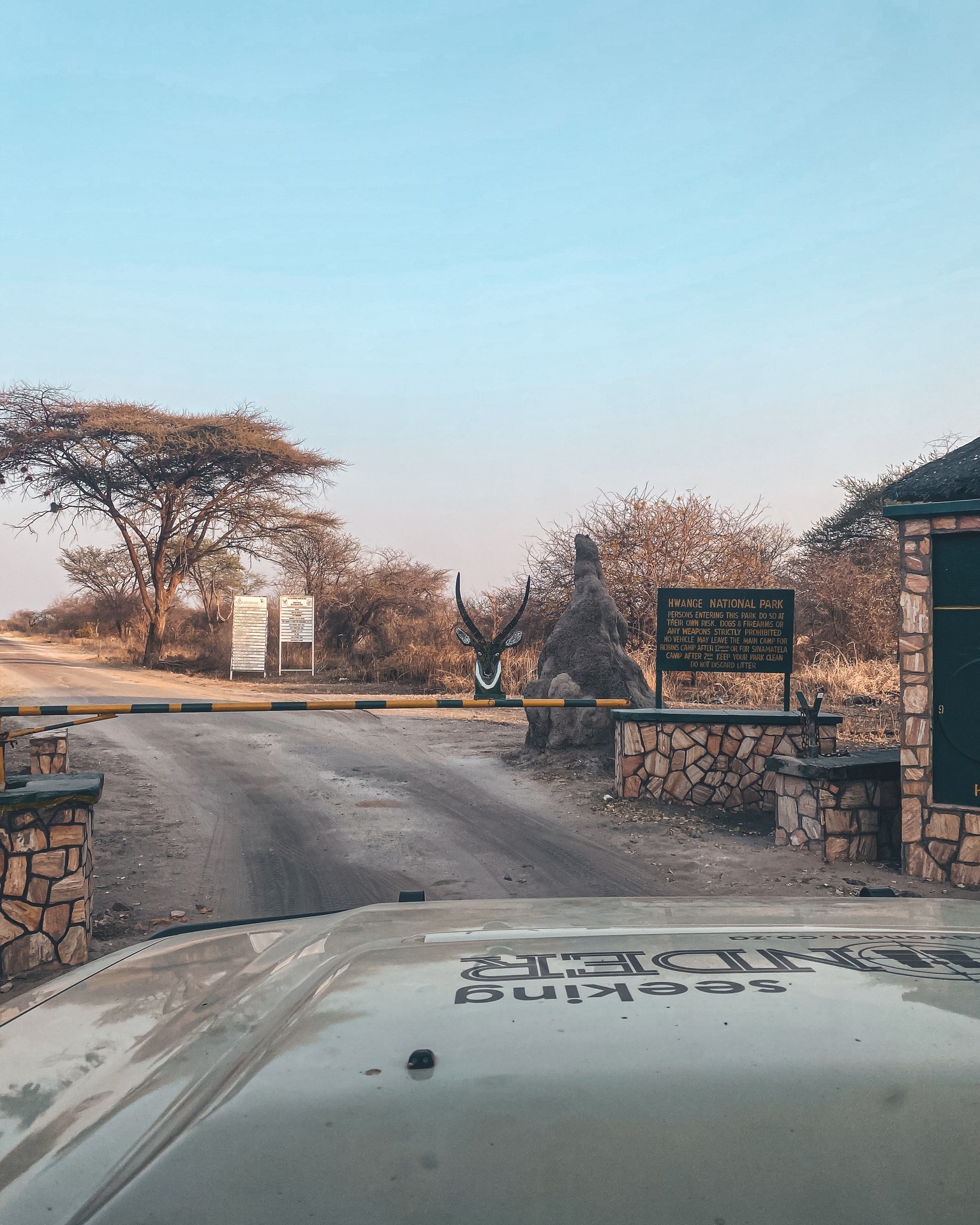
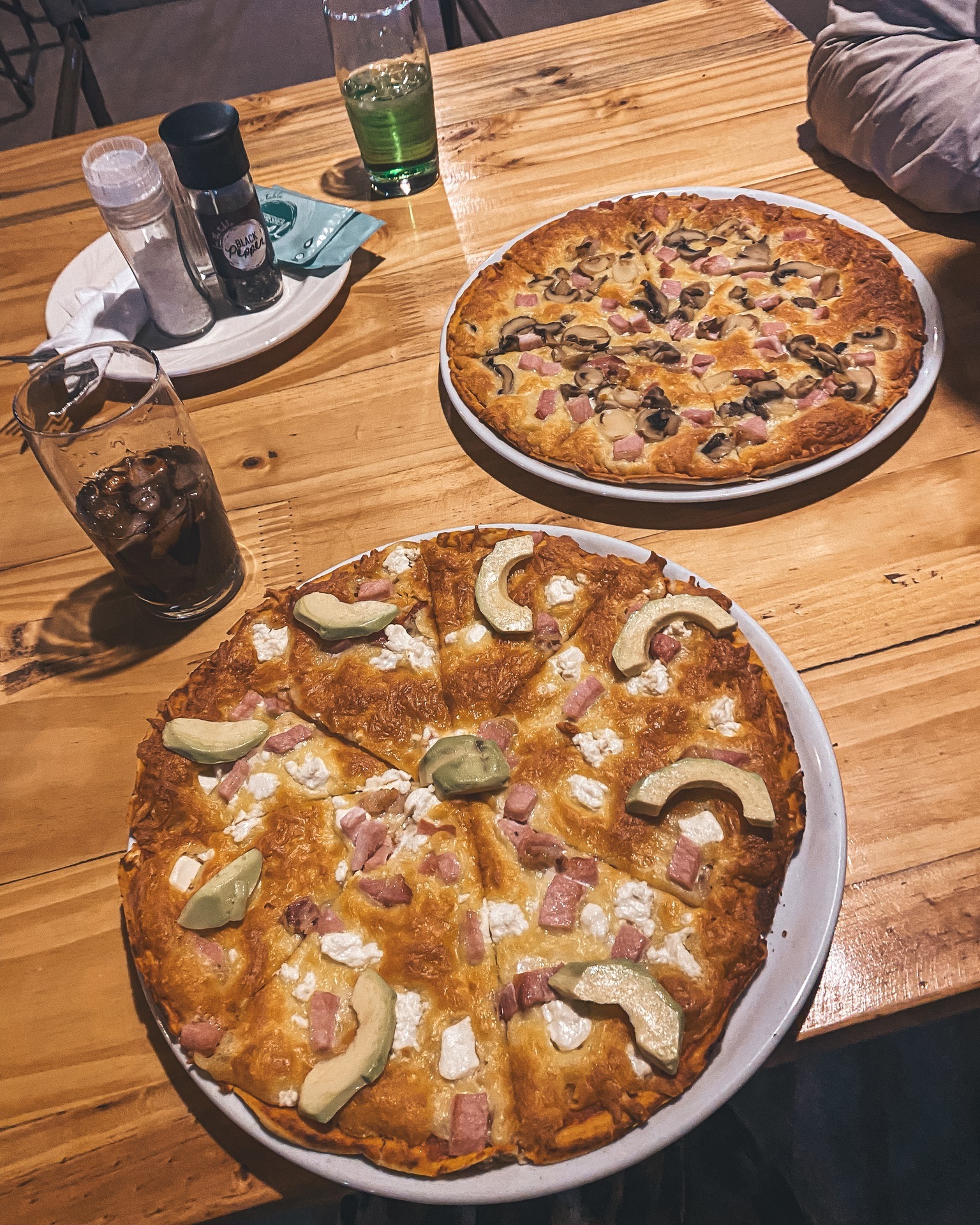
Our first target was Hwange National Park. The road into Hwange threaded through the Matetsi Safari Area, a former hunting concession that gave an early hint of what was to come. Mid-afternoon, without any fanfare or warning, a leopard bolted across the public road in front of us. One moment we were chatting about pizza (yes—we had sampled the “Sugarbird” at Panda Lodge), the next we froze as the spotted cat melted into the bushes. That instantaneous shift from “holiday chatter” to “we’re in wild country now” was thrilling.
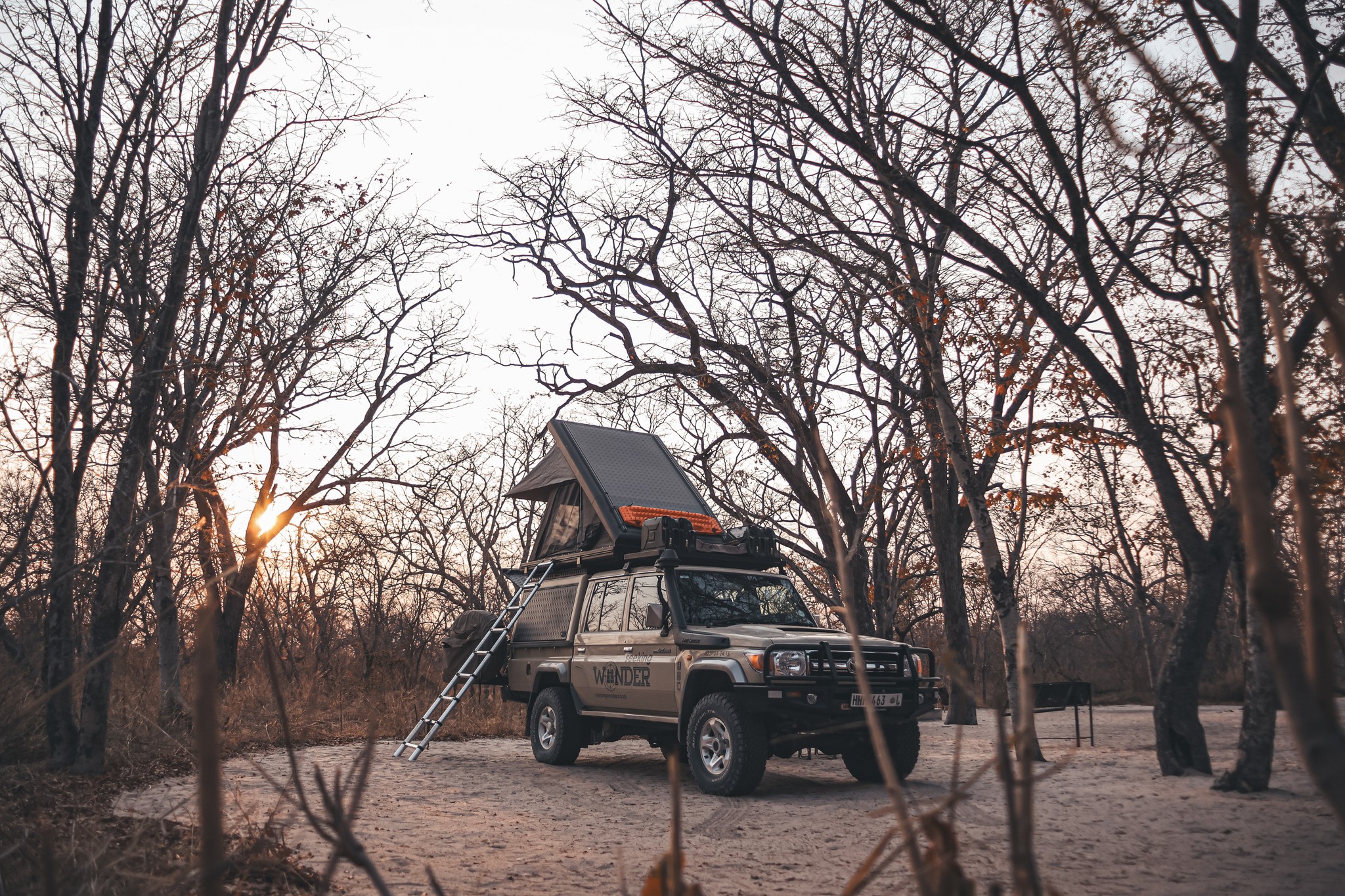
Our first campsite was at Mandavu Dam, and it felt like we’d discovered a secret: we had the site to ourselves. A friendly attendant greeted us with a wheelbarrow full of mopane wood—perfect for the campfire. As the sun dipped and shadows longed into the bush, the ambient soundtrack launched: hippos grunting in the water and elephants lumbering nearby. The fire crackled and our shoes were dusty. It was bush-camping at its purest.
In the Sinamatella area, dry and recently burnt, the burnt patches of bush added a dramatic stroke to the landscape. The blackened earth contrasted vividly with green shoots, grazing animals, and the ash-grey trunks of trees. There, at almost every waterhole we visited, elephants gathered. Sometimes 20, sometimes 50 or more. Indeed, Hwange has one of the highest ellie populations in Africa.
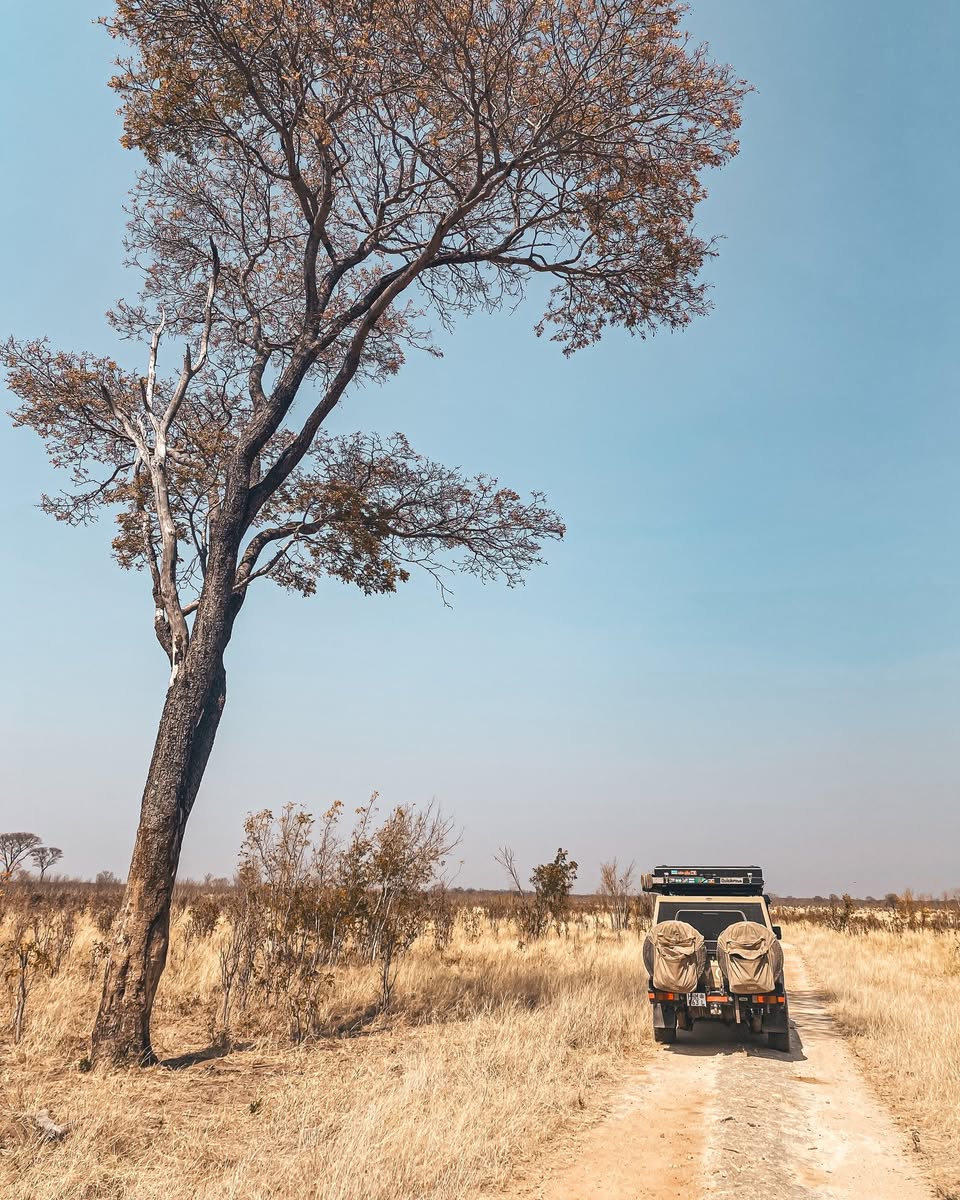
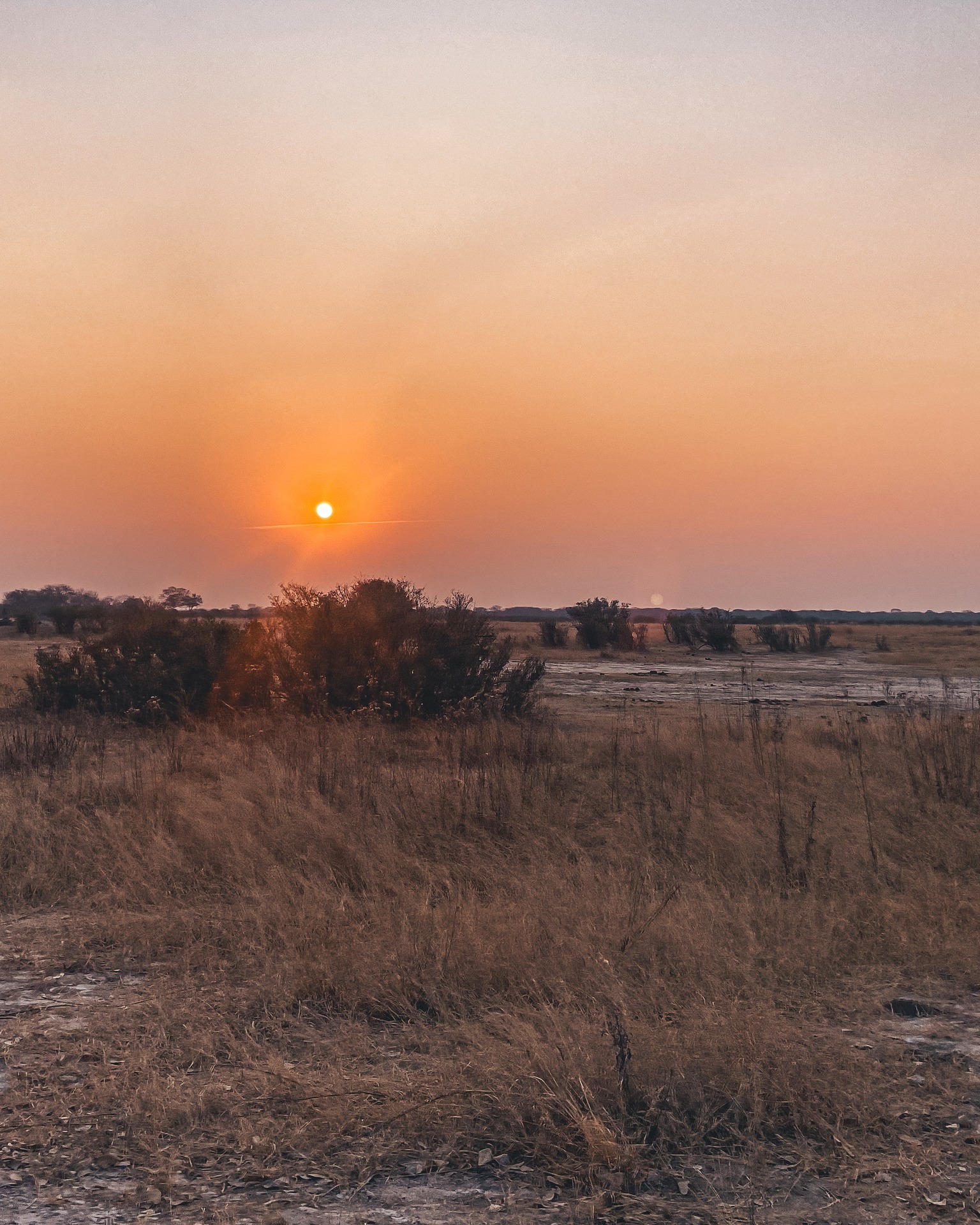
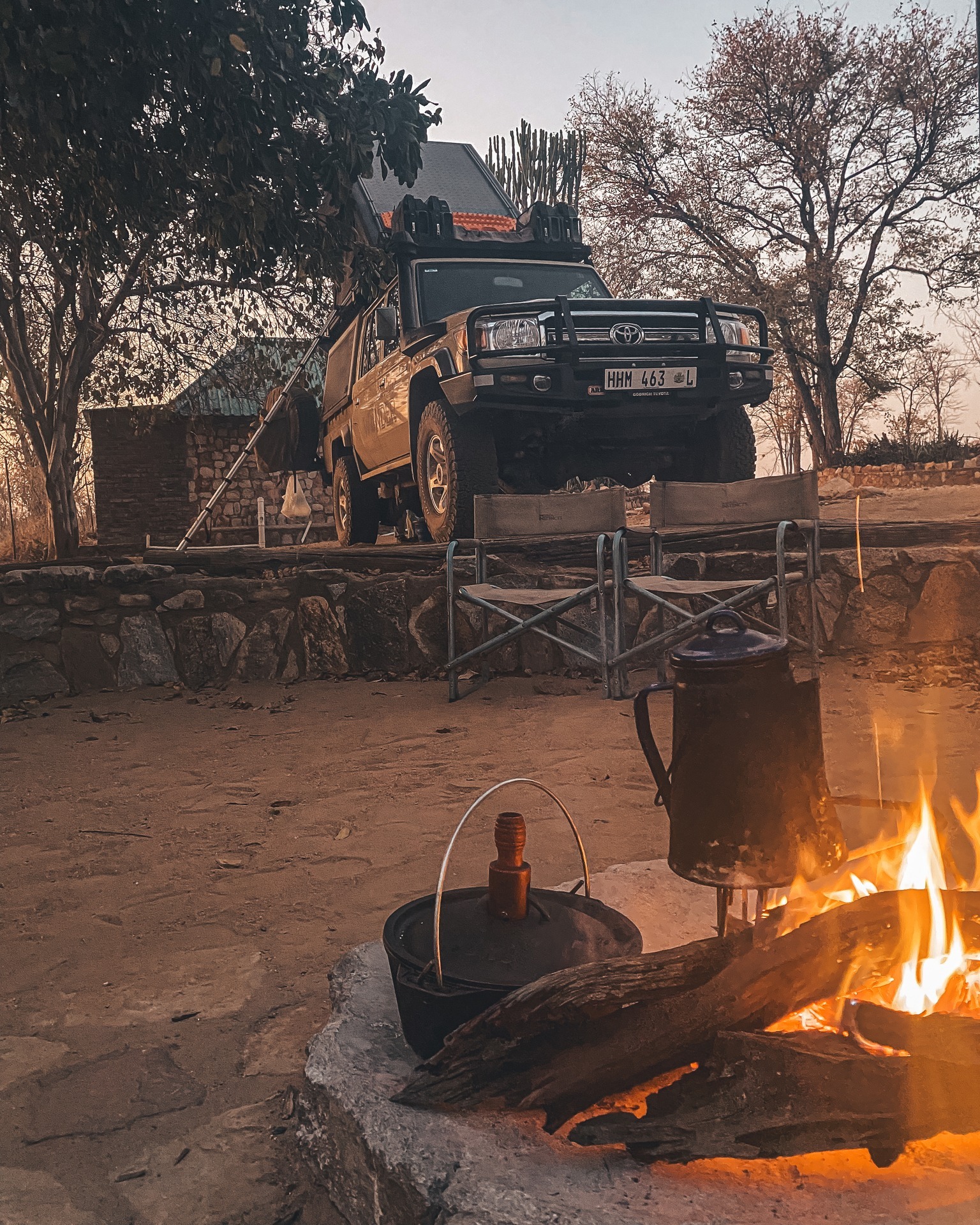
Dry, open mopane woodland, dusty roads, grassy glades dotted with camelthorn trees—Hwange’s terrain is deceptively simple but layered with mood. According to conservation sources, Hwange spans around 14,651 km². What that means is that there is plenty of space for animals to roam, and for you to feel small in a grand natural theatre. There is also generally less tourists than in more popular parks, making it our favourite type of reserve.
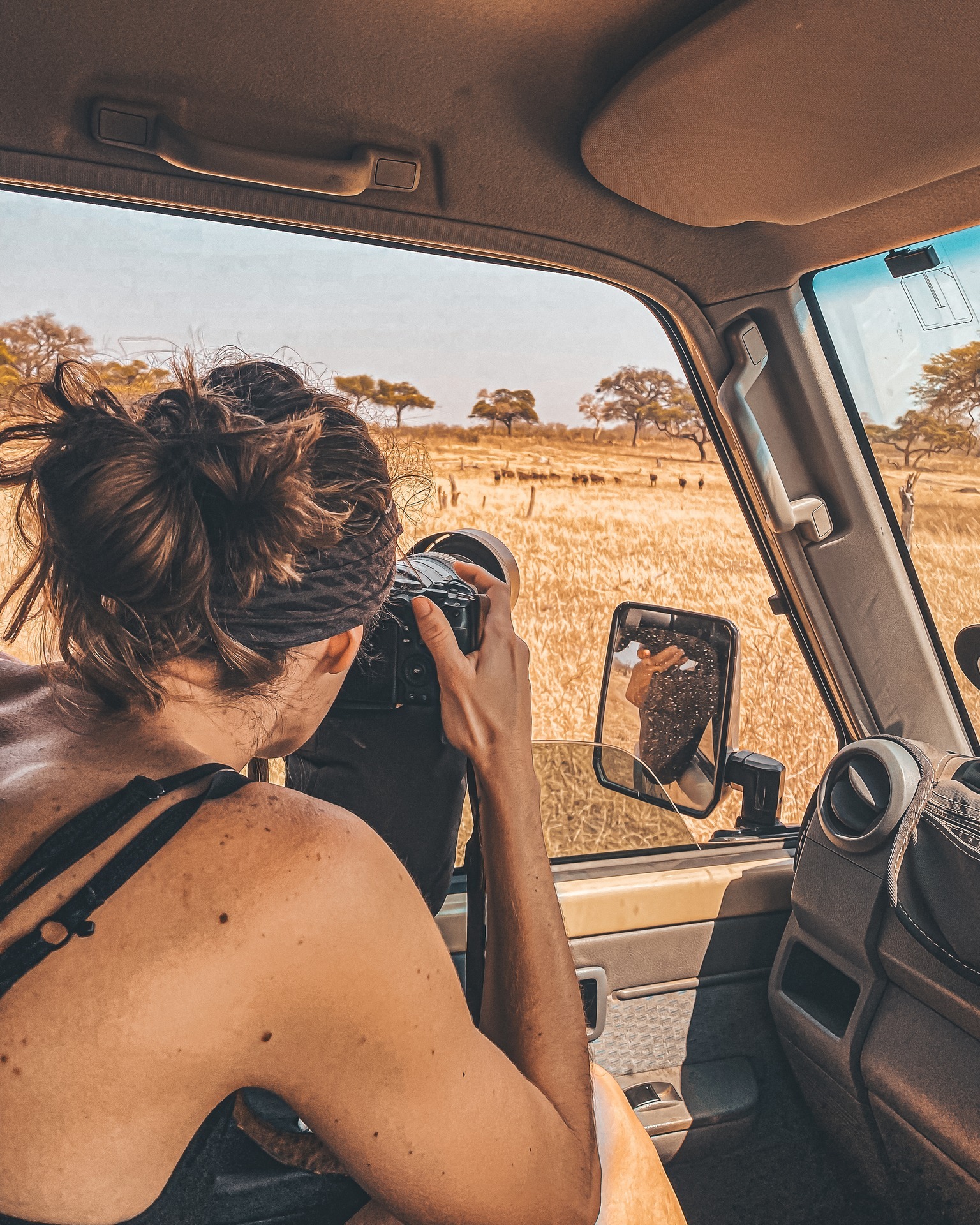
The dry season (which we were in) has its own magic—water is scarce, so when a dam or pan becomes active, it’s like a wildlife magnet. We spotted roan and sable antelope that felt like rare cameo appearances, roaming in the grasslands with a casual elegance. Knowing that Hwange is one of the few places in southern Africa where sable and roan are still seen regularly made the moments feel even more special.
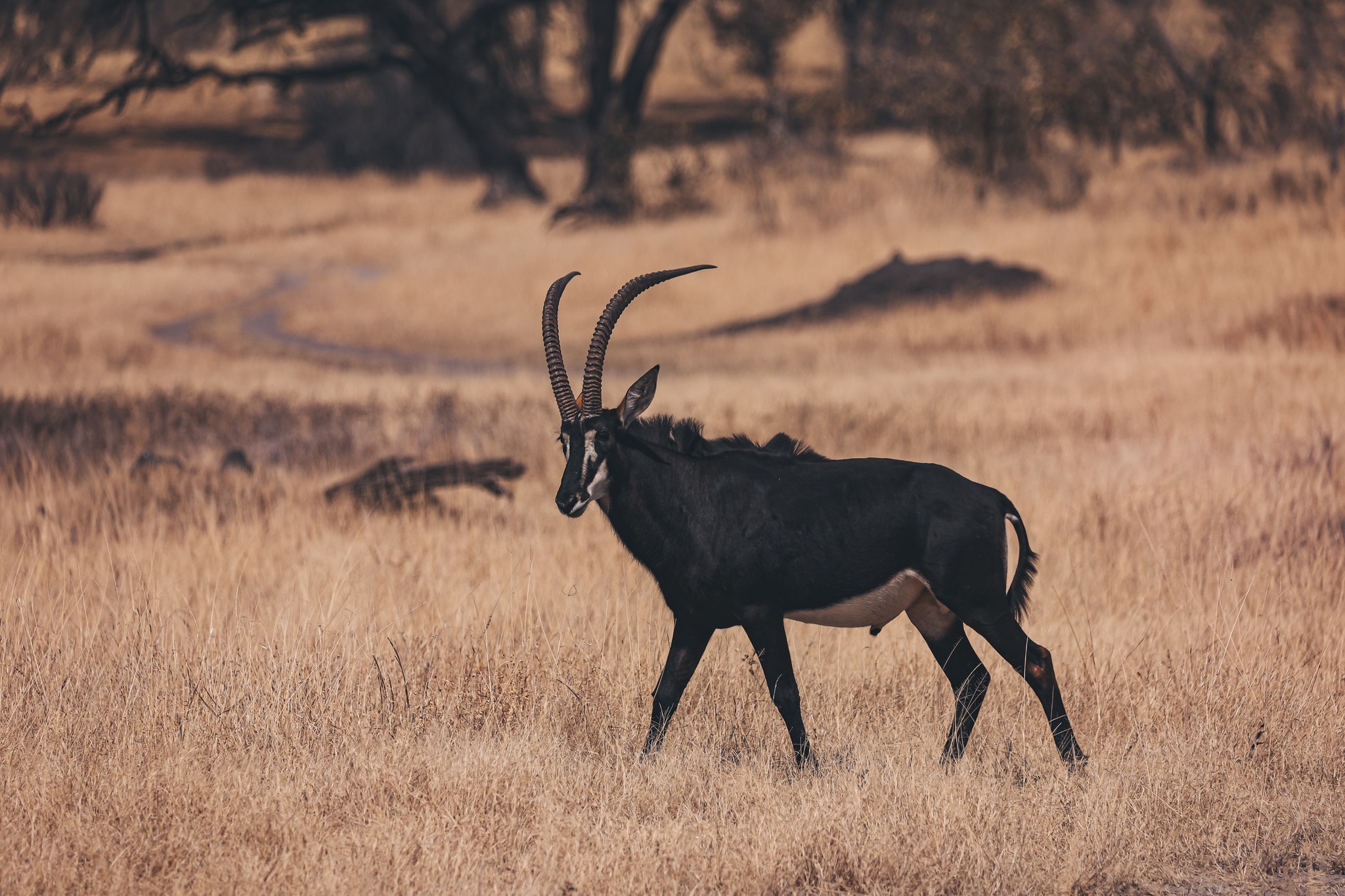
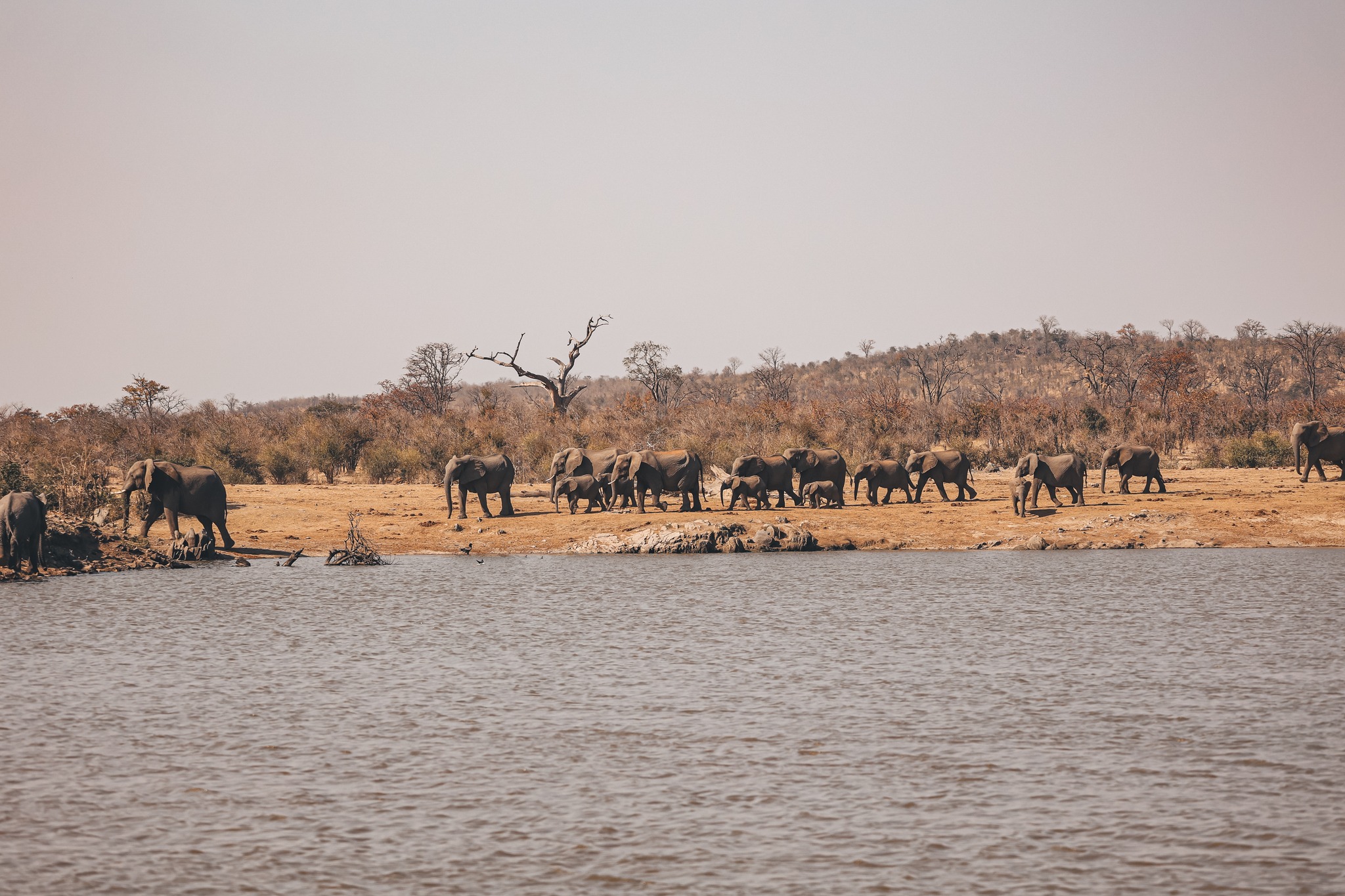
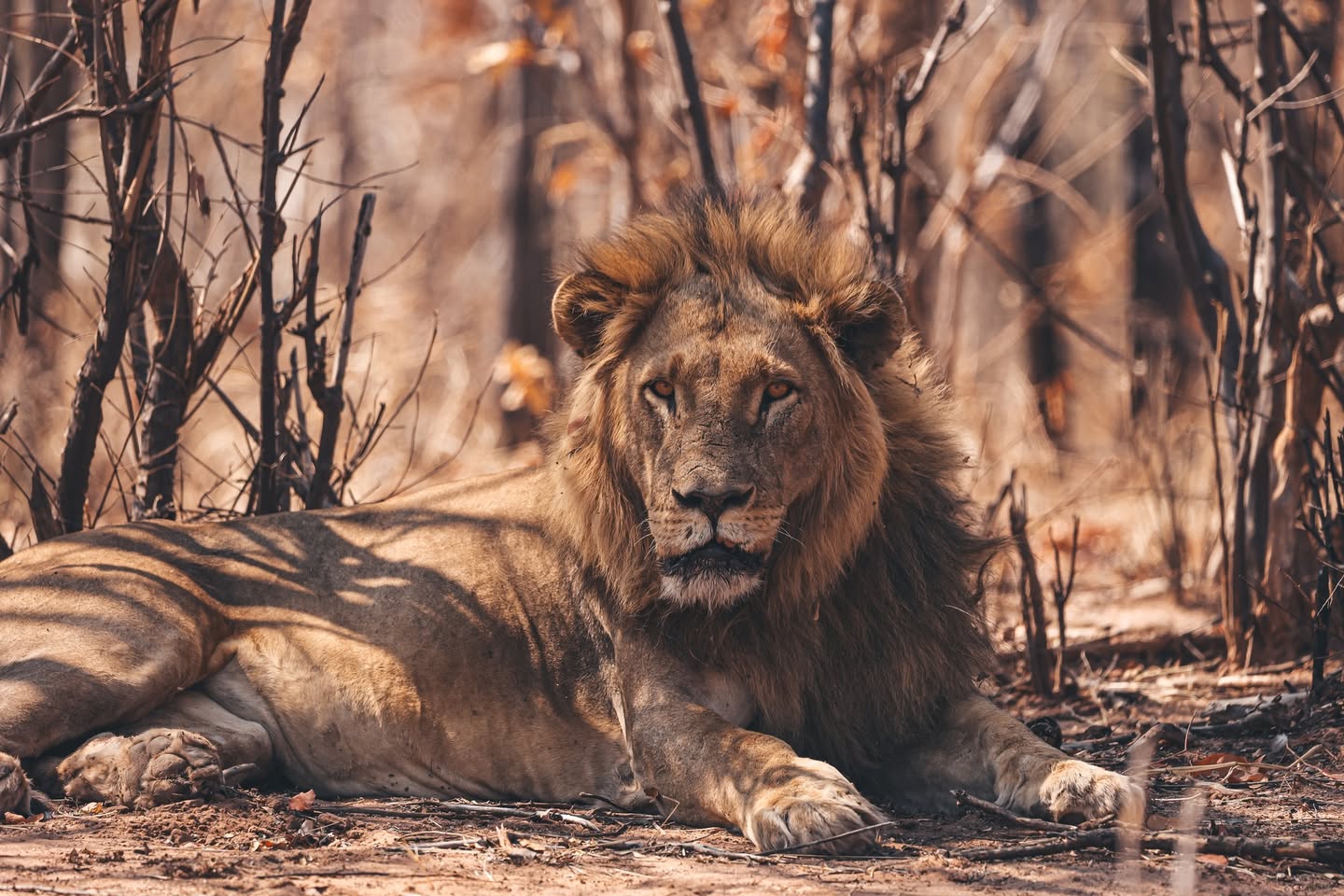
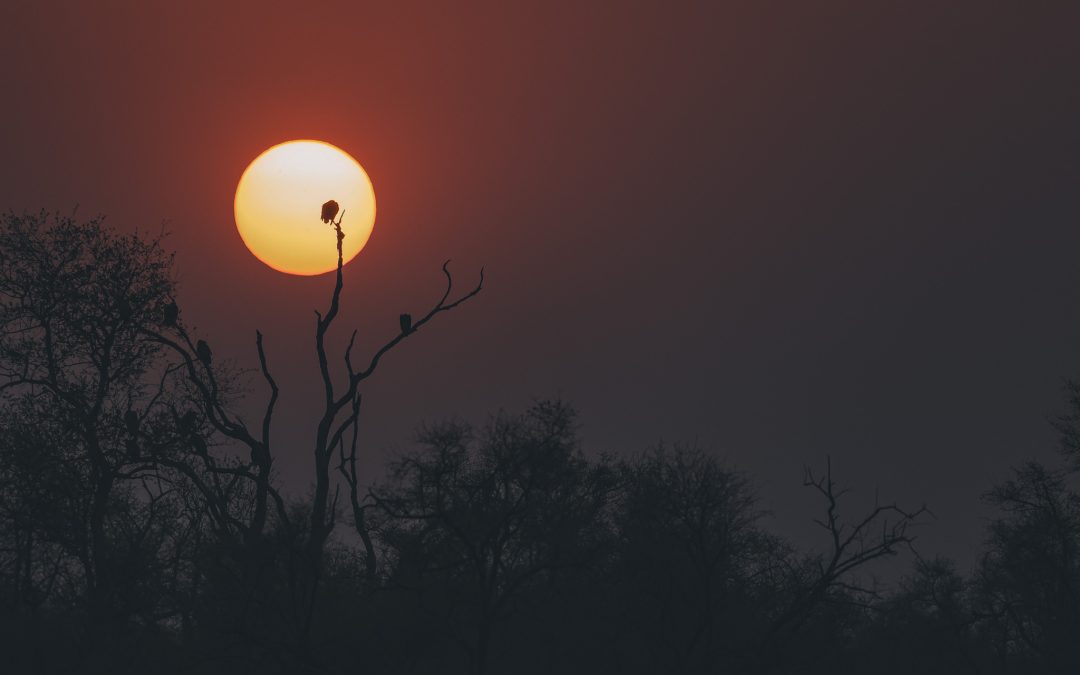
Some parts of Hwange aren’t groomed for luxury smoothness. The road from Robin’s to Main Camp was ex-tarred, bumpy, and made Baloo bounce like popcorn. But those bumps came with rewards: game-rich areas around Ngweshla, glades dotted with giant camelthorn trees, and the feeling of being deeper in the wild. You grit your teeth over potholes and then you gasp at the scene—a sable antelope framed by the rising sun, elephants silhouetted in a misty waterhole.
Before moving on we camped at Gwango Heritage Resort just outside Main Camp. A smarter site, cold beer in hand, sunrise picture-perfect with Ground Hornbills booming in the morning air. It felt like the bush cleared its throat, stretched, and invited us to stay longer.
As we packed up and left towards Kariba, we realised we were leaving more than a park, we were leaving a mood, a wild chapter. In the vehicle, I turned to Simoné and said, “We’ll be back.” Because you don’t just visit Hwonderful Hwange. You wander inside it, you get gently wild-smitten, and you promise yourself one more night of mopane wood fires under the African sky.

Trip tips:
- For a quick and quiet entry to Zimbabwe from Botswana, use the Pandamatenga border post.
- Cash is king in Zimbabwe! US Dollars can be withdrawn from ATMs in major cities, but we suggest taking at least a few fuel tanks’ worth before you go!
- Fuel is readily available in Zimbabwe although expensive. Most Total and Puma stations accept VISA cards, but don’t bargain on it too much.
- We did not book for Hwange, but it can be done if you have a bit of patience and a sense of humour via reservations@zimparks.org.zw.
- Two great campsites just outside the park’s borders that we can recommend are Gwango (https://gwango.com/) and The Siding (https://www.thebayetecollection.com/the-siding/).
- The picnic site and platform campsites in Hwange are expensive but unique. They are worth it if you are keen for an amazing wilderness experience. Our favourites are Ngweshla, Makwa, Deteema, and Mandavu Dam.