
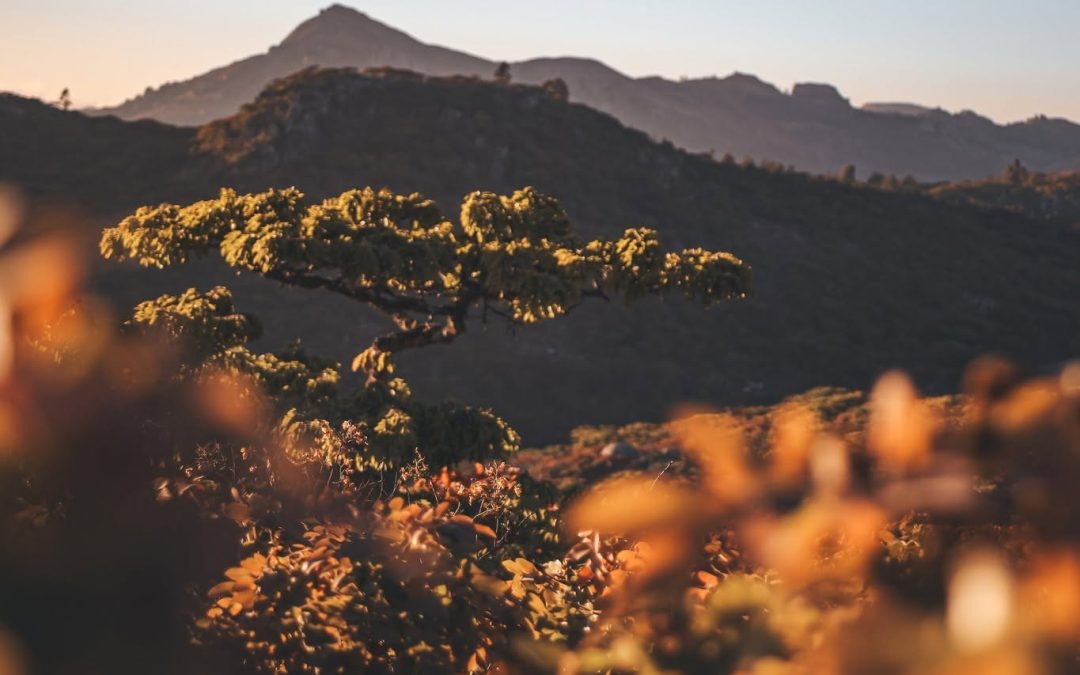
After a great time in the Zambezi valley, we made our way down the ever-present North Road to Harare, stopping at The Farmer’s Wife for an unexpected and refreshing cappuccino, and at Saucy Sue’s for their compulsory steak rolls (yes, it’s that good).
Harare’s traffic can be daunting, not because of the amount but because of the drivers. Within a few days, we heard about no less than three hit-and-run accidents. Traffic lights seem to be only an opinion, and we longed for East Africa’s chaotic but efficient circles when we encountered the crazy four-or-more-way stops of Harare. Nevertheless, we arrived intact – albeit a bit white-knuckled and sweaty.
Harare has an odd reputation. The kind of place people tell you to “pass through quickly” on your way to “the good stuff.” But we decided to linger, and thank goodness for that. The city has a charm that sneaks up on you. Wide, Jacaranda-lined avenues, markets brimming with colour and banter, and cafés that serve cappuccinos good enough to make an Italian nod approvingly.
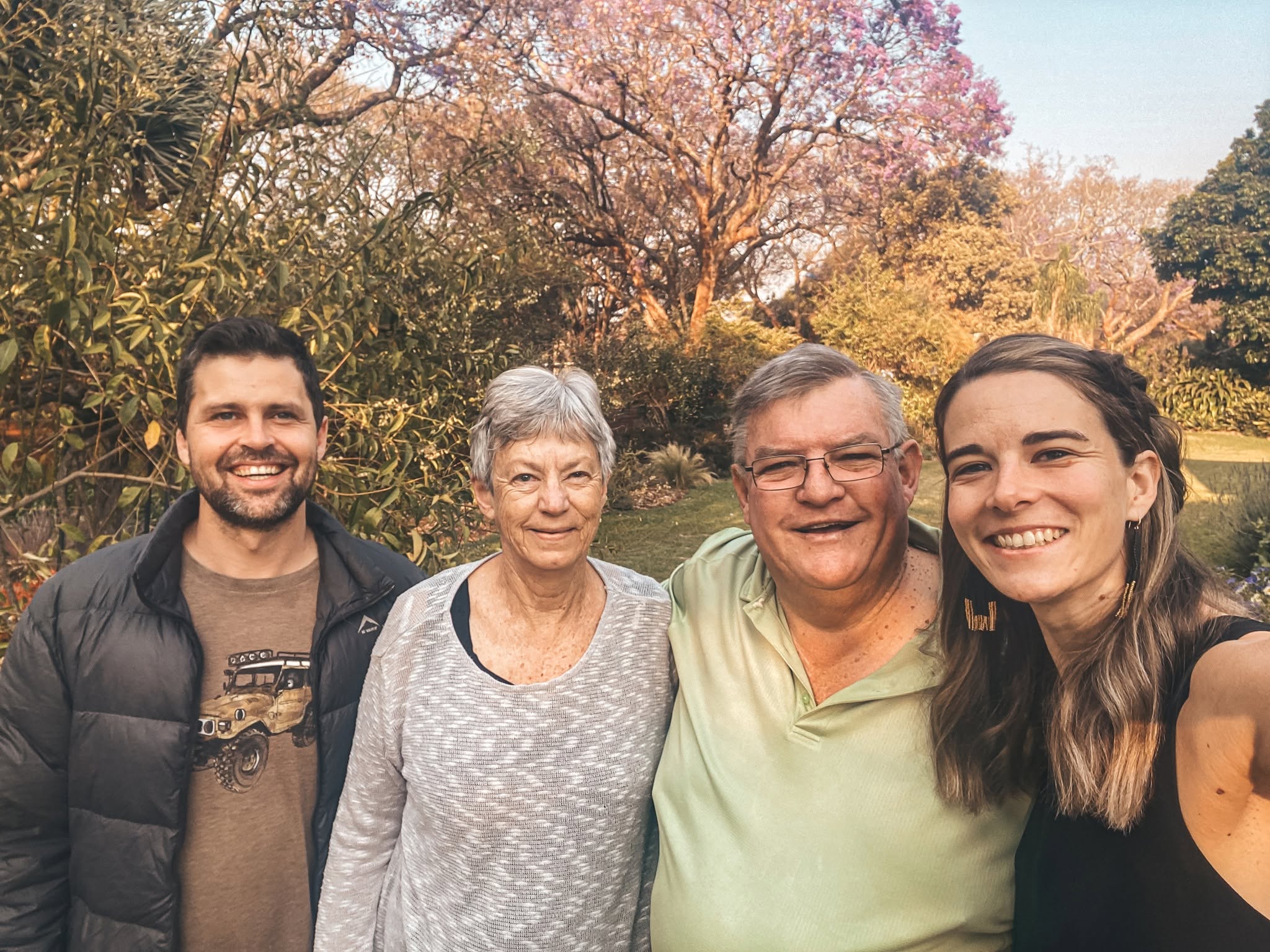
We spent a few delightful days with friends and locals Alison and Olly who made us feel right at home with their generous hospitality, showing us some highlights of Harare (without the stress of driving around!). We dined at the amazing Mara Mara restaurant (complete with live jazz band), and stocked up at the local Food Lover’s Market (likely the most amazing one we’ve ever been to).
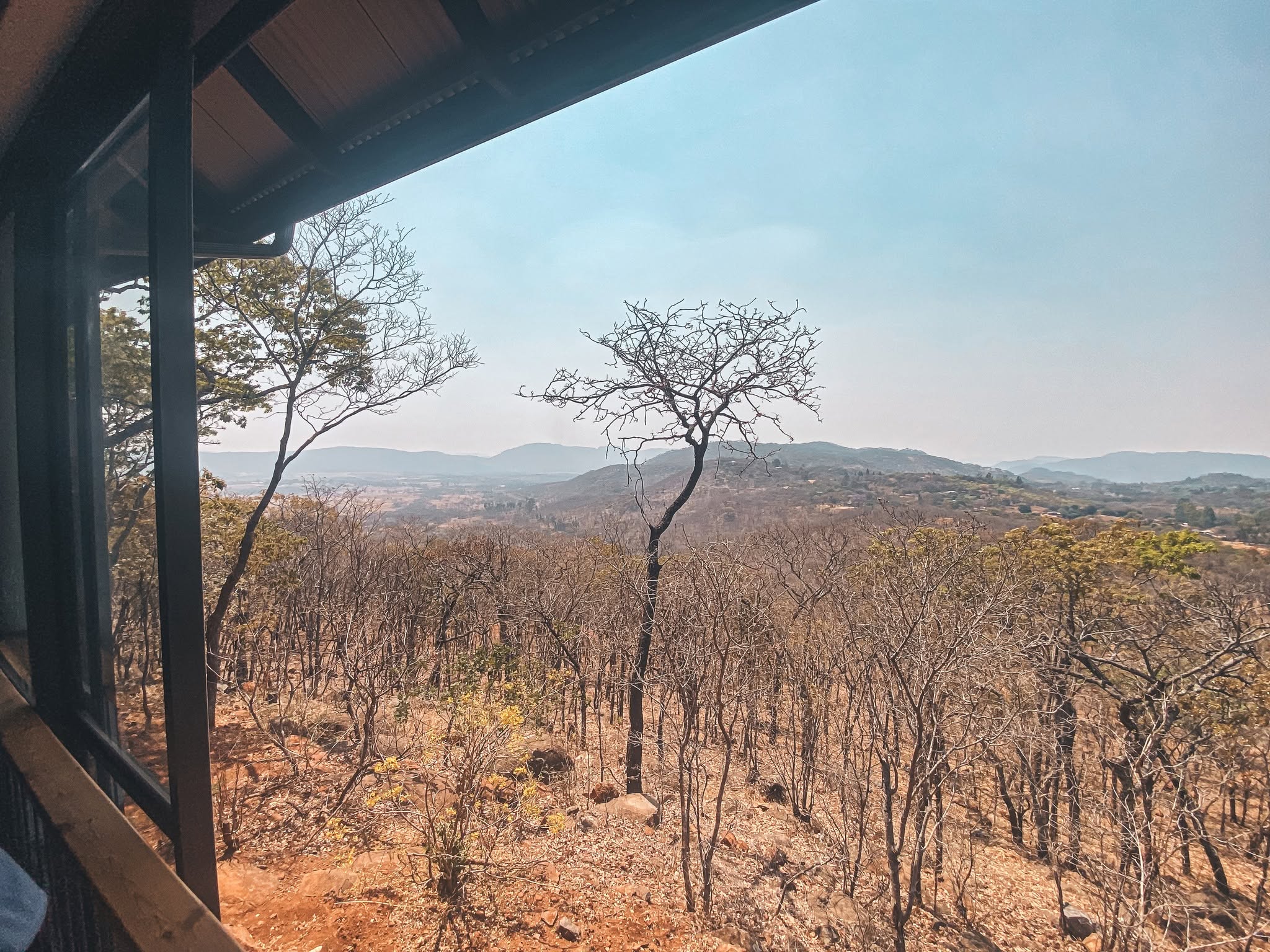
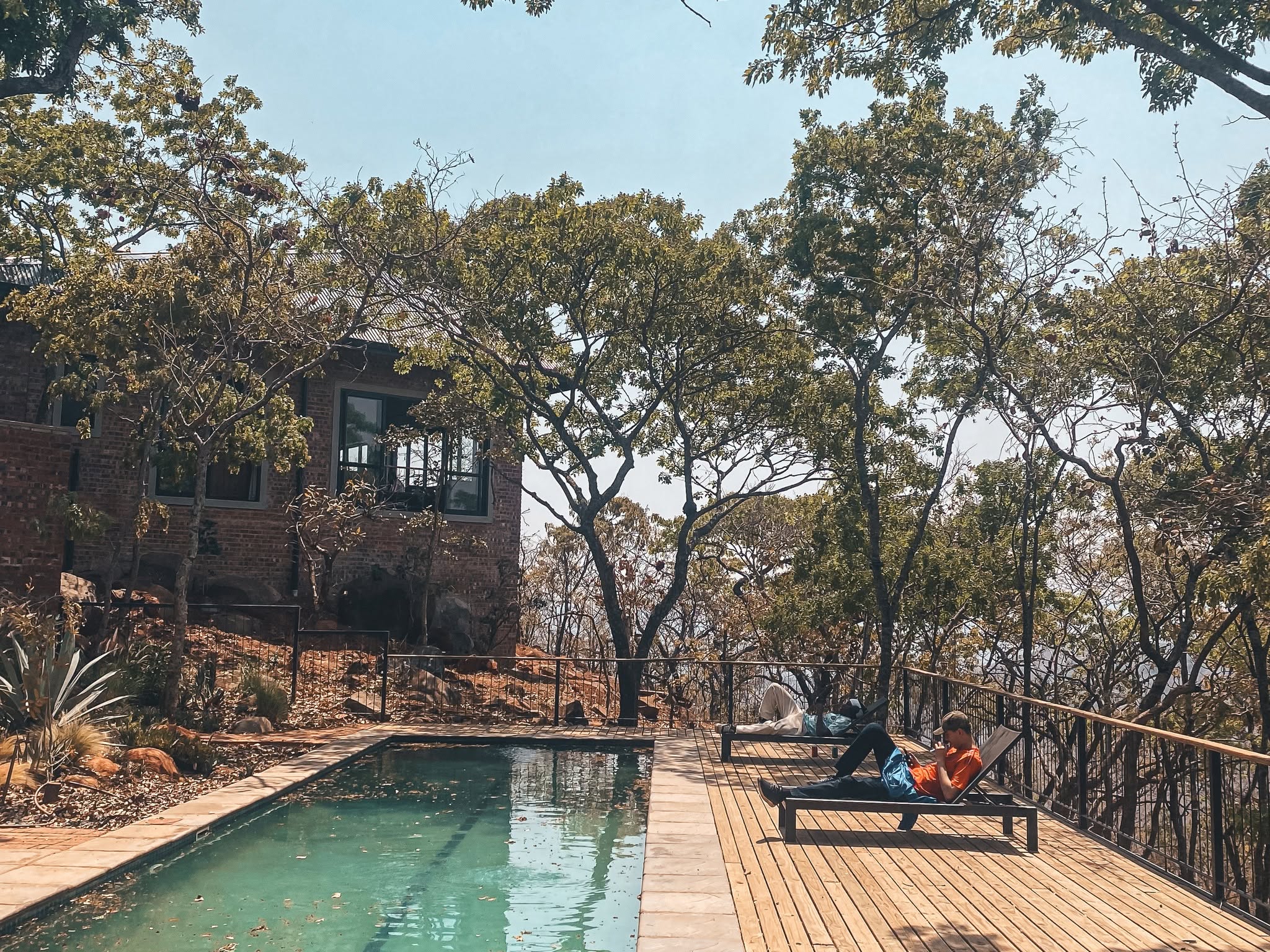
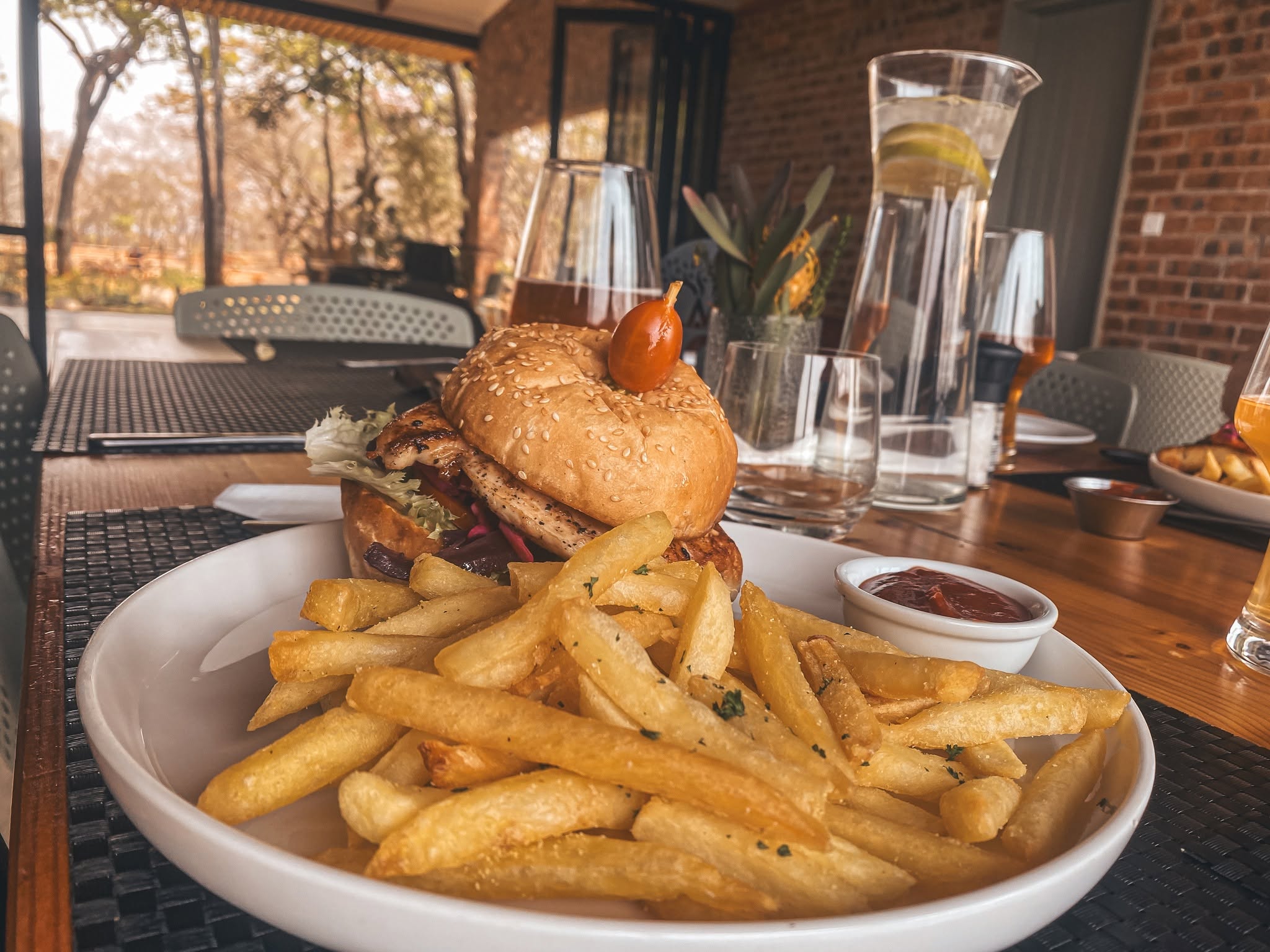
We stopped for lunch at the amazing Miombo Mountain Lodge & Spa just outside of town. We loved their amazing gourmet burgers and local craft beer paired with a spectacular view from its hilltop location. It is set, as the name suggests, amidst pristine Miombo woodland just outside of Harare. Miombo are dominated by species in the Brachystegia genus such as the Msasa tree. The most striking feature is its spring “flush” of new leaves, which are an array of colours including amber, red, pink, and copper, before turning green. These colours come from anthocyanin, a pigment that also protects the leaves from sun or deter herbivores. So, it’s like the tree is putting on sunscreen before heading out into the summer sun.
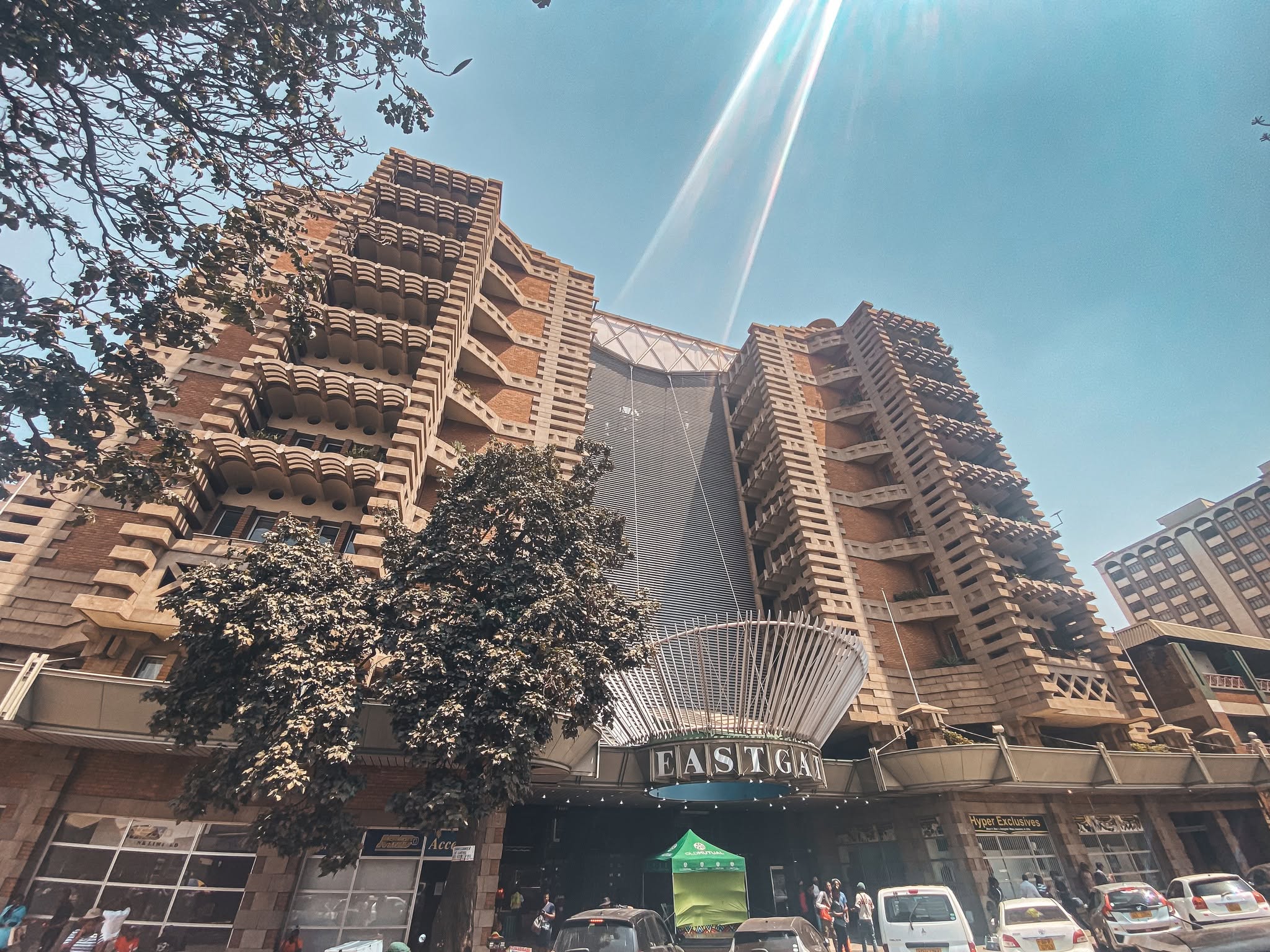
Next up was the Eastgate Centre, a landmark building in the bustling central Harare which was of great interest to both of us. Designed by Mick Pearce and built in the 90’s, Eastgate is a shopping centre and office that famously bio-mimics a termite mound. Ventilated and cooled by entirely natural and passive means, it was probably the first building in the world to use natural cooling to this level of sophistication. Perhaps not the most common tourist destination, but an amazing experience for us!
After our few glorious days in Harare came to an end, we tracked southeast past the farming community of Marondera, climbing higher and higher towards the Eastern Highlands, a region that feels like someone took a slice of Scotland, drizzled it in African sunshine, and sprinkled it with mystery. The road wound past tobacco farms and granite outcrops, the scenery growing greener with every kilometre.
Our first stop was Nyanga, land of waterfalls, rolling hills, and suspiciously crisp air that made us wonder if we’d accidentally driven into another country. The highlands here sit over 2,000 metres above sea level, which explains both the misty mornings and our slightly wheezy attempts at hiking.
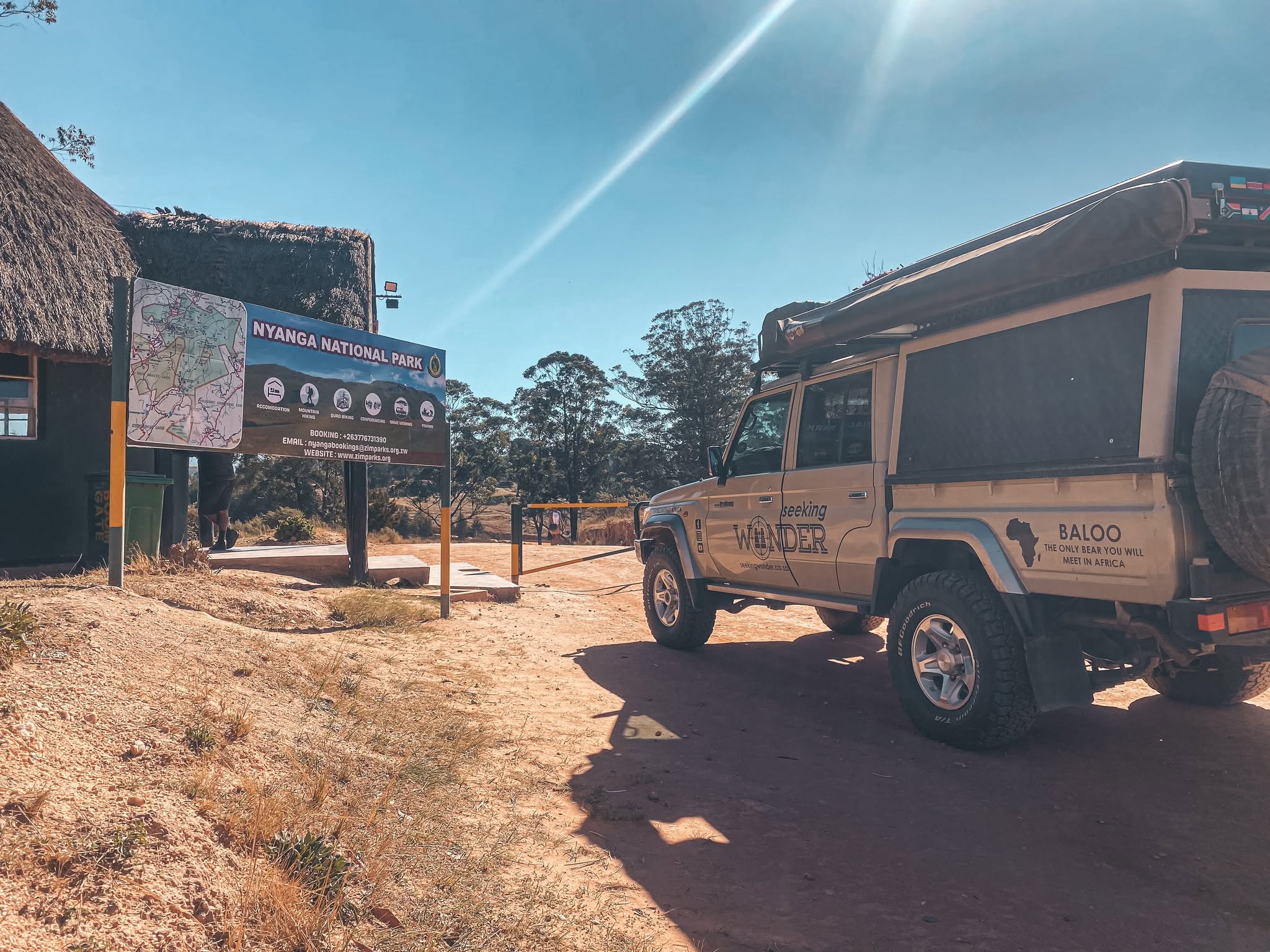
We explored the Nyanga National Park, driving along the high-altitude grasslands and admiring Mount Nyangani, Zimbabwe’s highest peak. The place feels like it was designed for storybooks – pine forests, trout streams, and mountains that disappear into cloud. It was also here that we finally got our first glimpse of the critically endangered blue swallow that breed in this area!
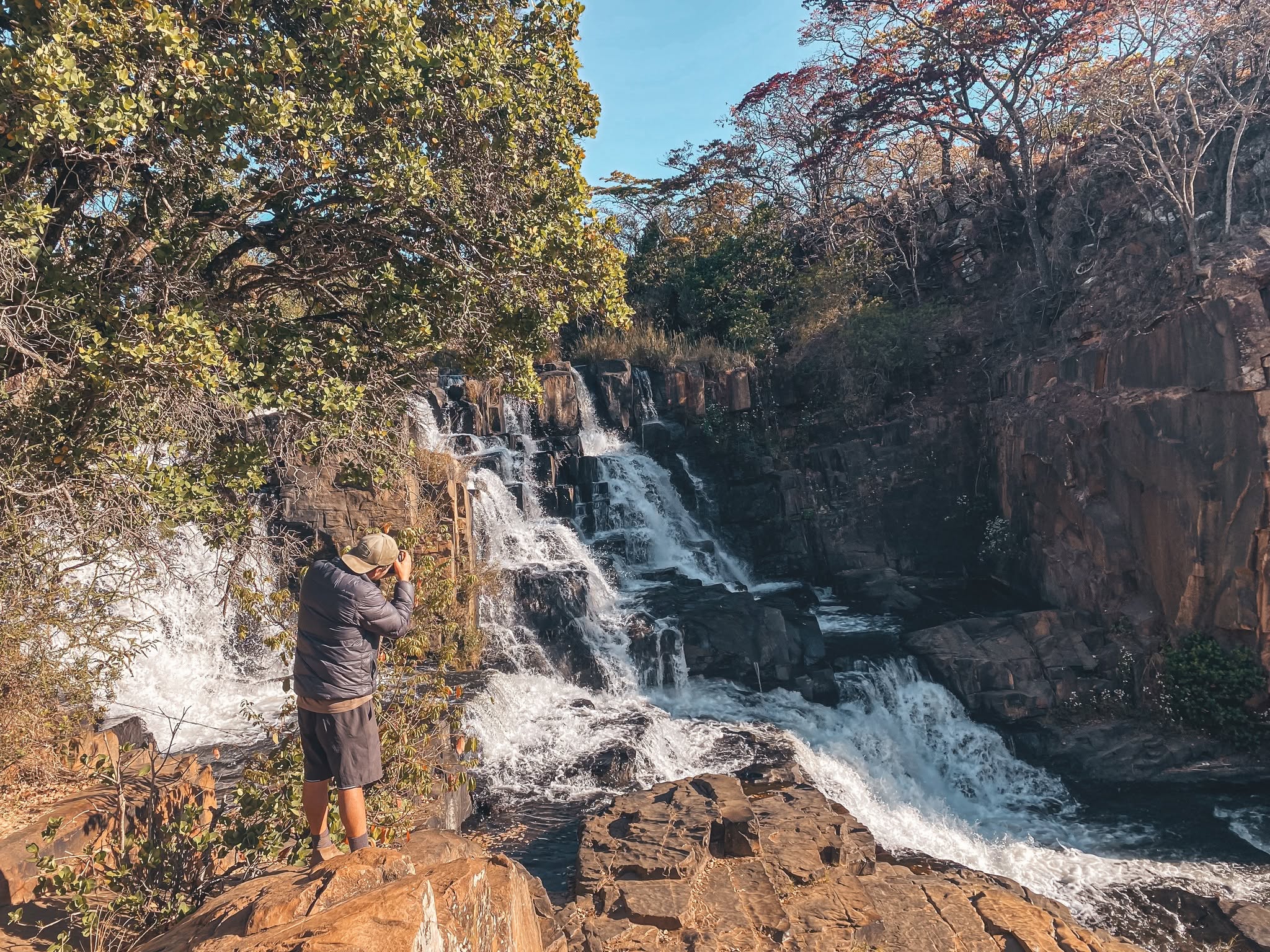
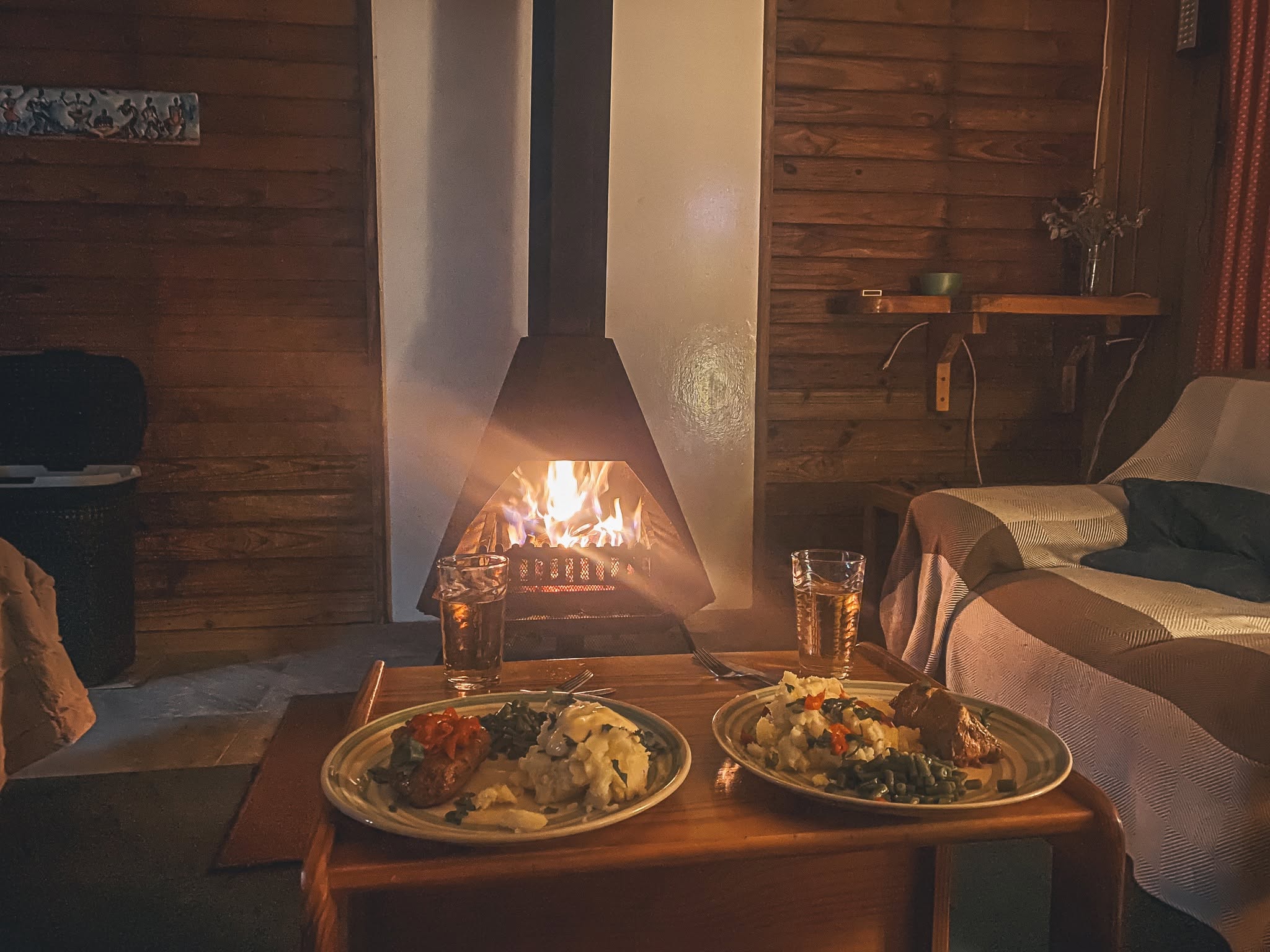
The Nyanga area is also filled with beautiful highland rivers and waterfalls, and we hiked to a few of them. We had lunch at The Packshed where we tried their famous chicken and homemade cider (both delicious), enjoying the view from where the world unfolded in endless greens and greys, valleys stitched with rivers, and the distant shimmer of Mozambique. Evenings in Nyanga are made for fireplaces, mugs of Milo, and the kind of conversation that can only happen when phones have no signal. Our cottage creaked comfortably in the wind, and the night sky glittered like a spilled bag of diamonds.
We coaxed Baloo further to the Vumba Mountains through rolling hills and tea plantations, past quaint villages and cows with opinions about right of way. Vumba is one of the gems of Zimbabwe’s Eastern Highlands, right on the border with Mozambique. Meaning ‘mist’ in Shona, it describes these misty forested mountains perfectly! The area is a botanical and biodiverse paradise and home to some of the rarest animals and butterflies in the region. And of course, the birding here is excellent – almost everything you see is a local rarity due to the high level of semi-endemism of this area.
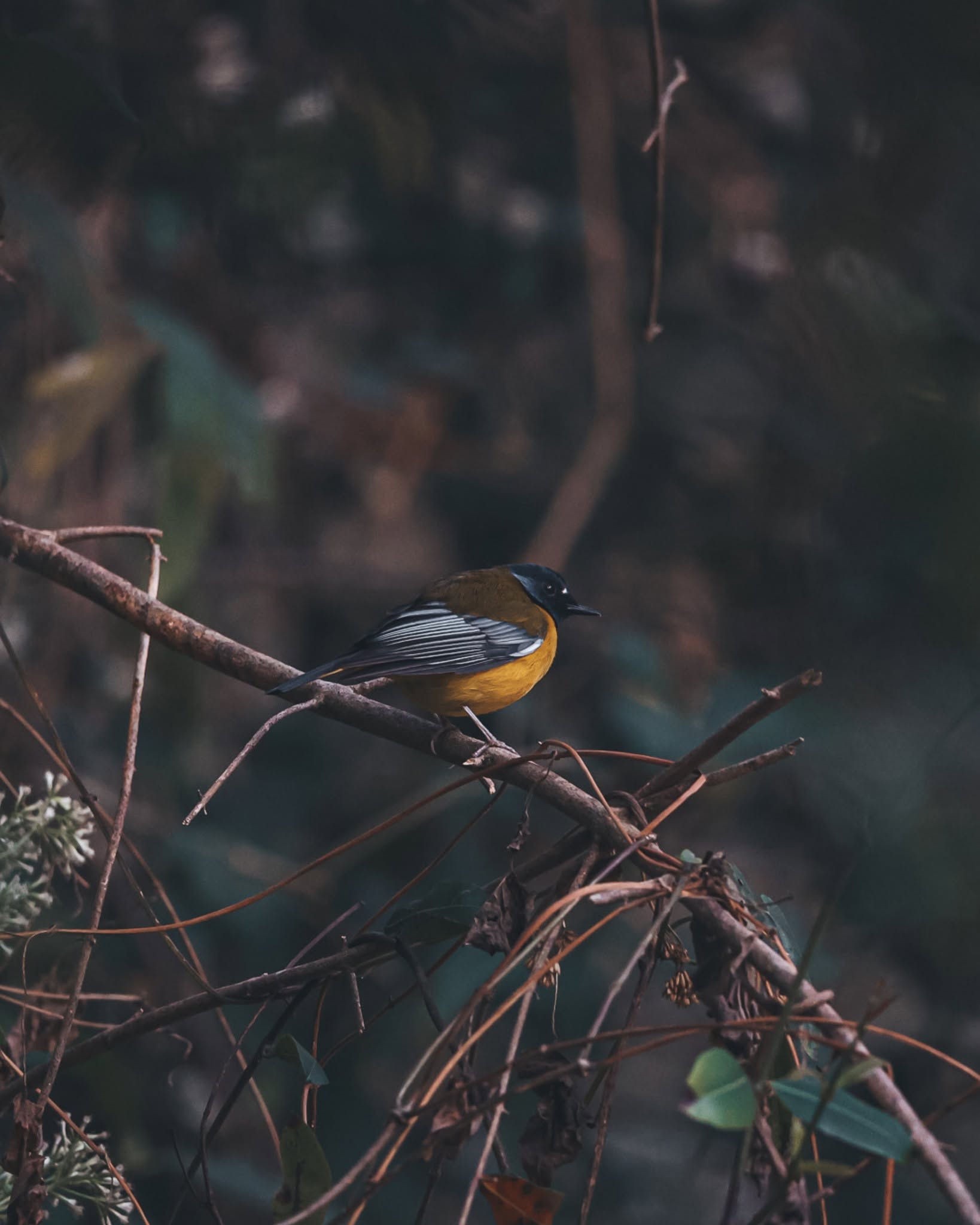
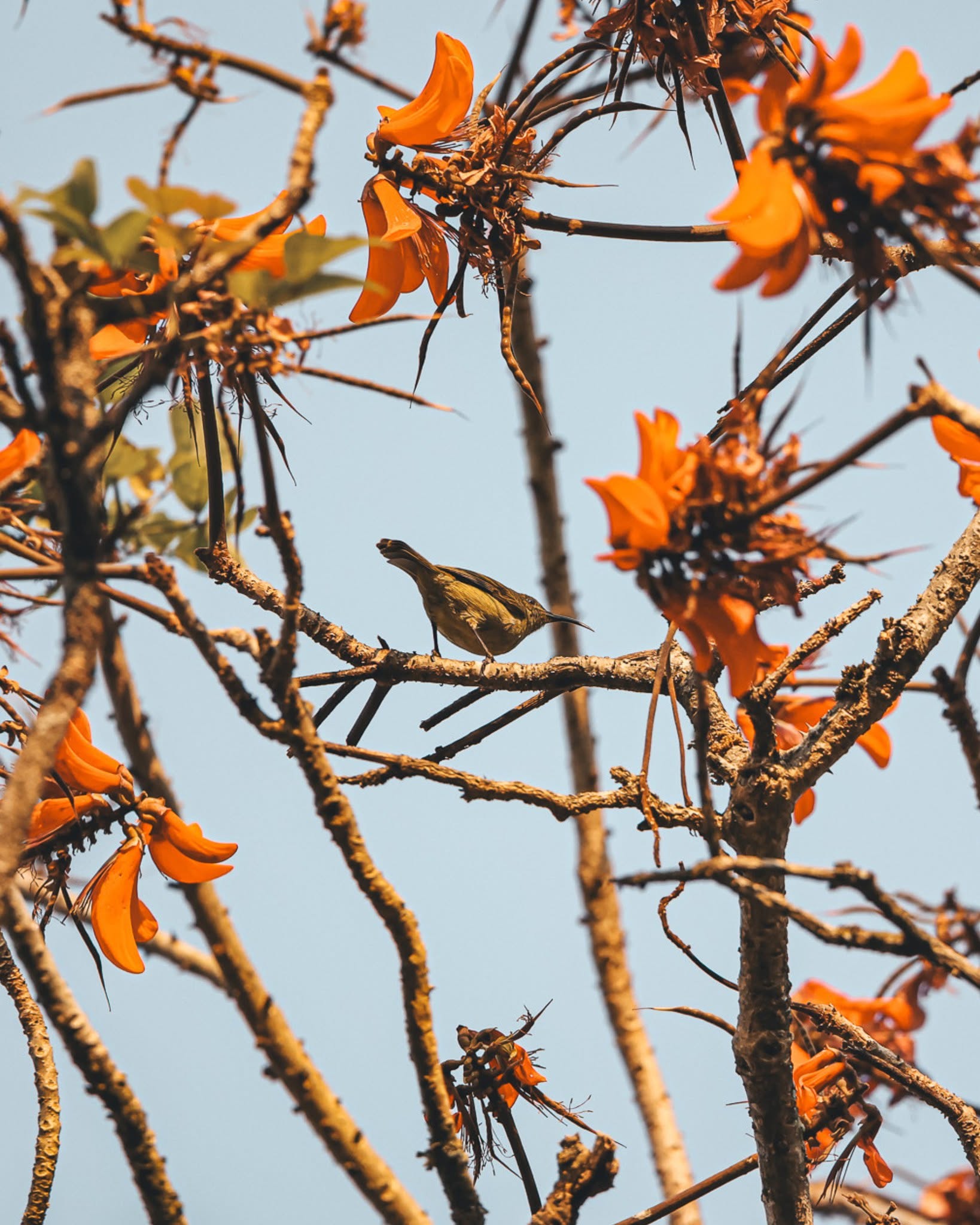
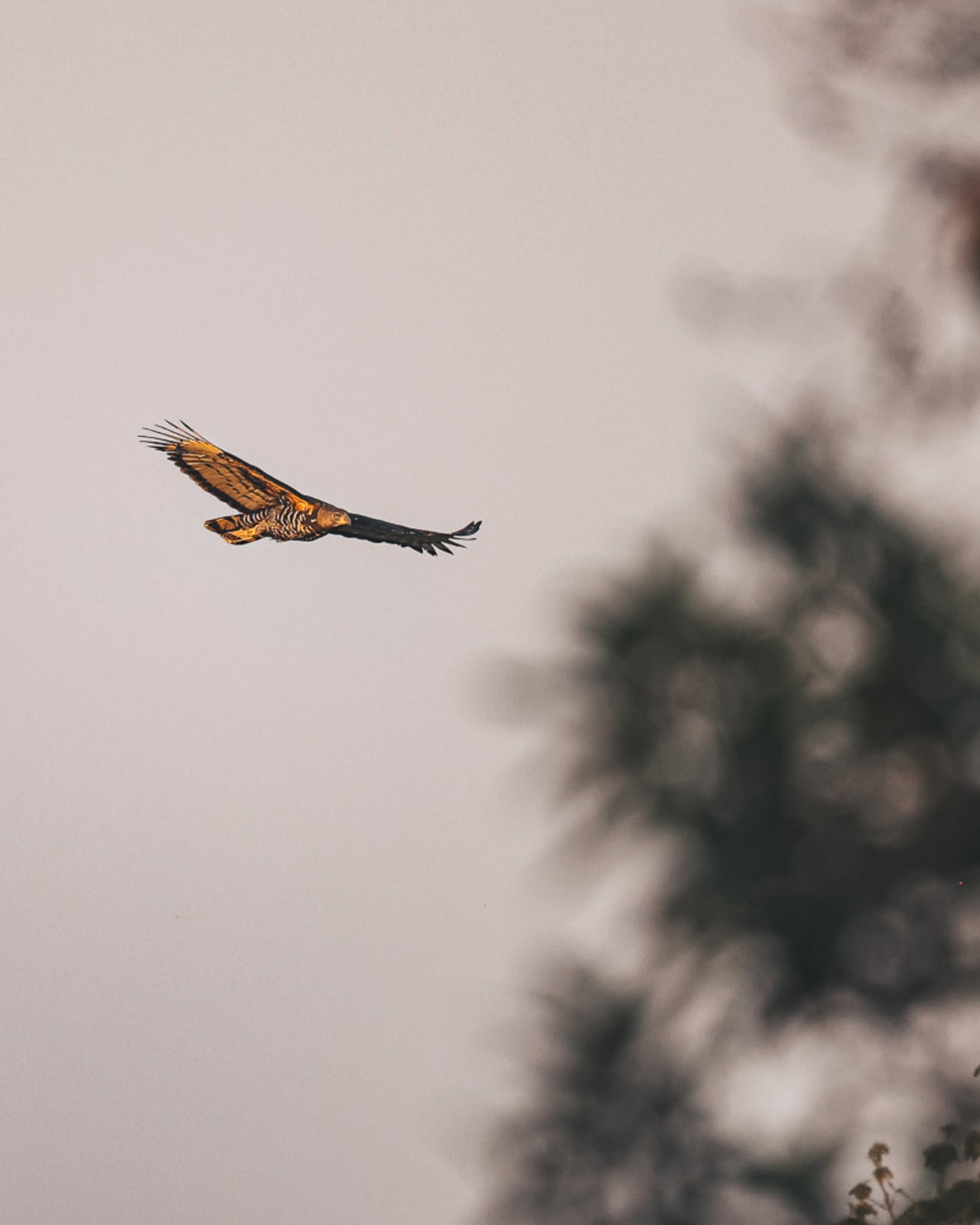
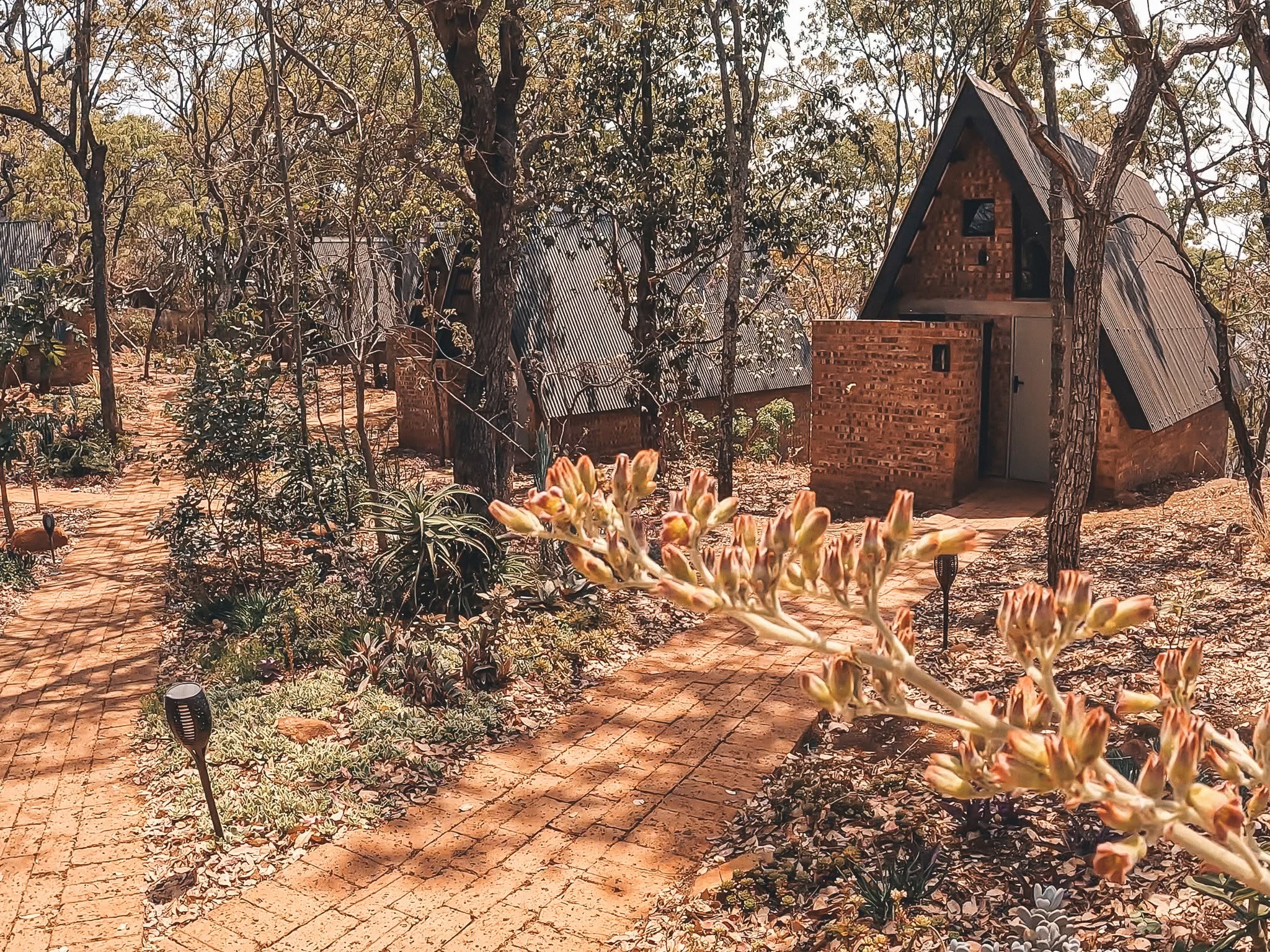
We explored the beautiful Leopard Rock and enjoyed its historic feel, the forested views and its Samango monkeys. We then stayed a few nights at the charming Seldomseen Cottages to look for the rare birds the forests are known for. Amongst others, we found specials like the Swynnerton’s robin, red-faced crimsonwing, Livingstone’s turaco, range ground thrush, white-starred robin and more. It was a true privilege to be joined by local birding expert, Bulowezi, for a while in the forest. His knowledge and imitative bird calls are superb – indeed, it felt as if the rare forest birds queued up to be spotted by him.
The weather in these mountains changes faster than our moods after missing lunch. One minute sunshine, the next a rolling fog thick enough to make you question whether the rest of the world still exists. We took to calling it Vumba Time – where plans dissolve, and the only sensible response is another cup of coffee.
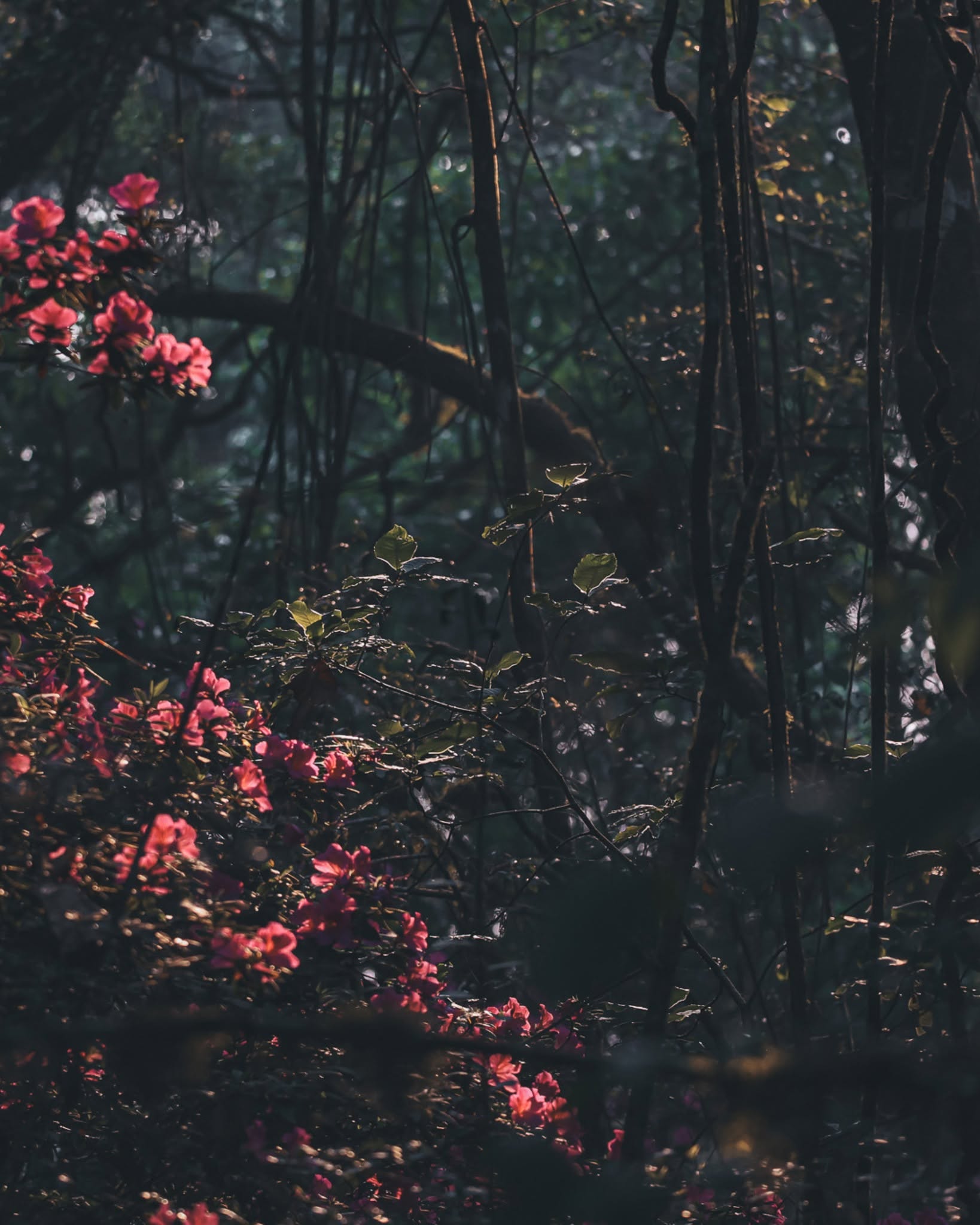
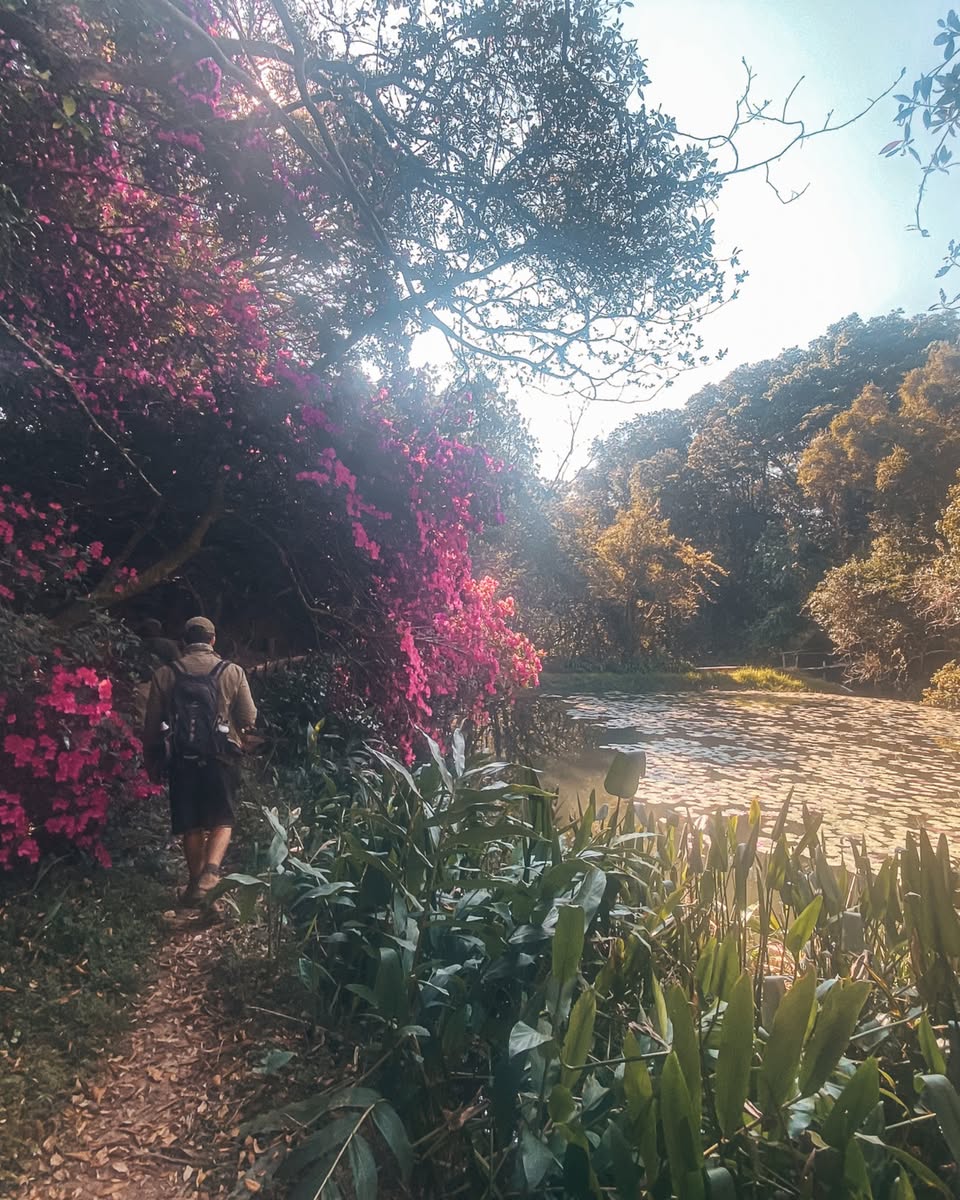
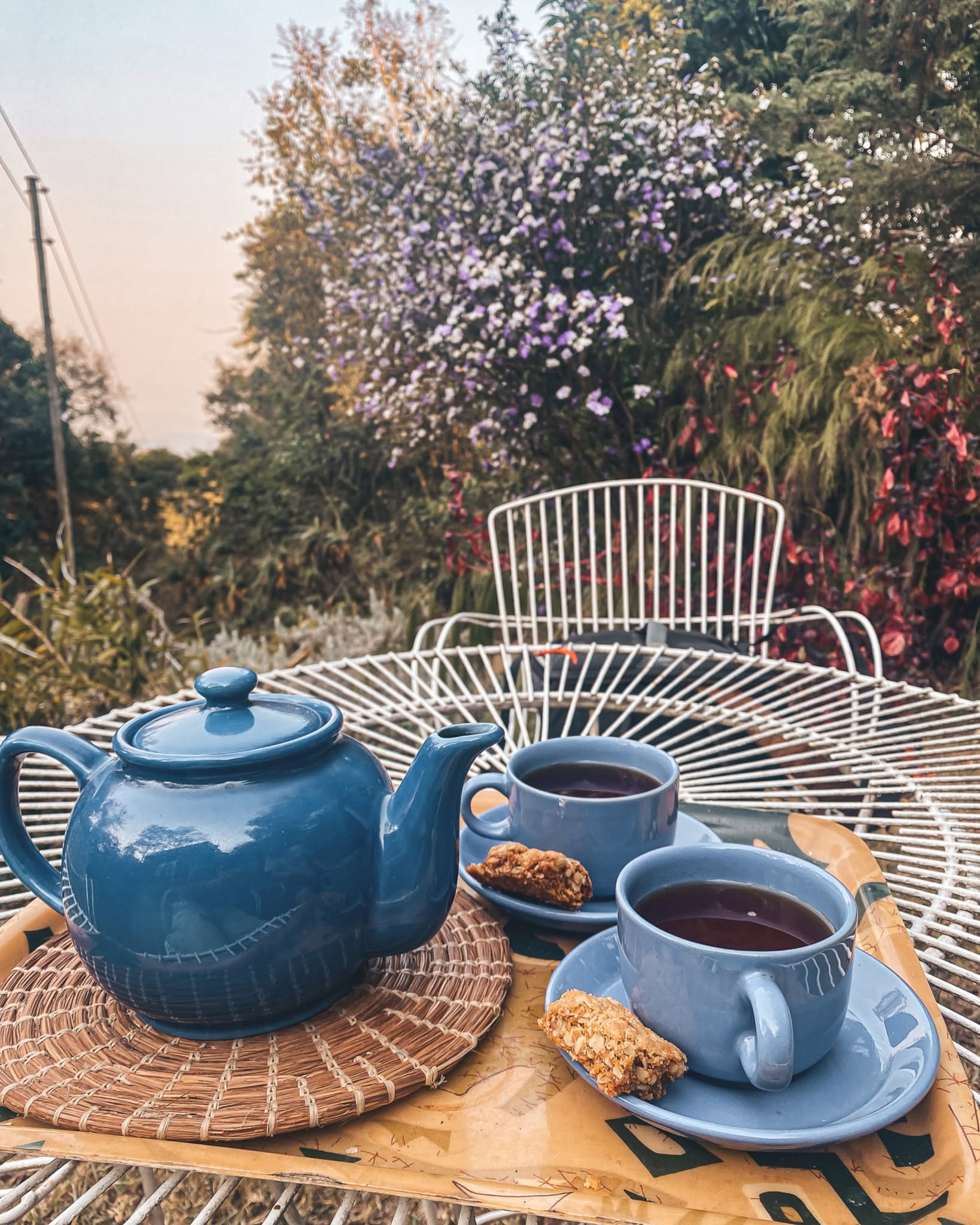
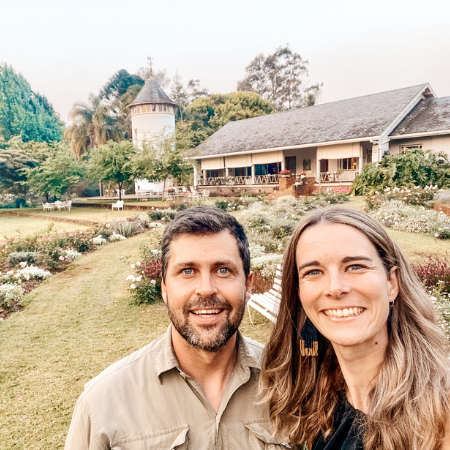
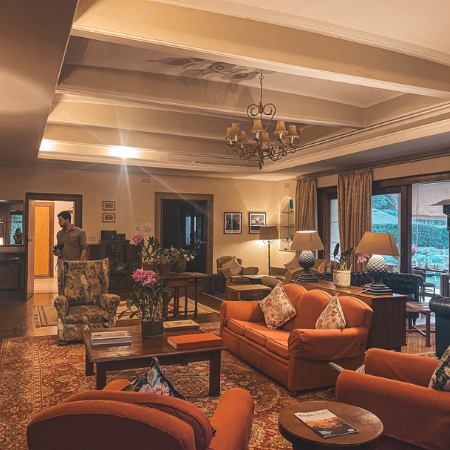
From Vumba we made our way made our way to a nearby and peculiarly delightful place: La Rochelle Country House. Once the private estate of Sir Stephen and Lady Virginia Courtauld, La Rochelle is now a boutique hotel set in sprawling gardens that look as if they were painted by Monet and were then carefully manicured by someone with infinite patience.
What made La Rochelle so fascinating to us is the combination of its rich and interesting history, fine art collection, tasteful interior decoration, amazing cuisine, and spectacular gardens. When the Courtalds set up the estate as their final home in the 50’s, they moved here from Europe after travelling the globe. They brought with them their fine collection of furniture and art, making it the finest private collection in sub-Saharan Africa, many of which is still on display in the house. The manor house is a curious mix of Art Deco elegance and eccentric charm – sweeping staircases, murals, and furniture that creaks with dignity.
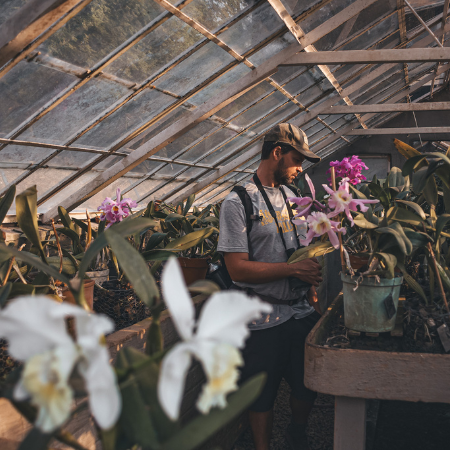
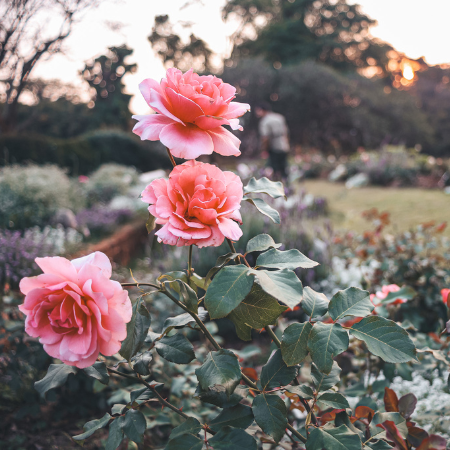
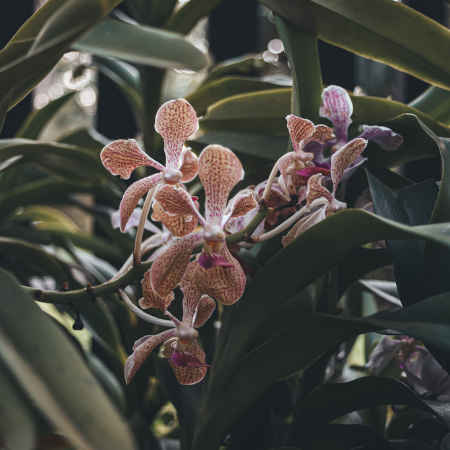
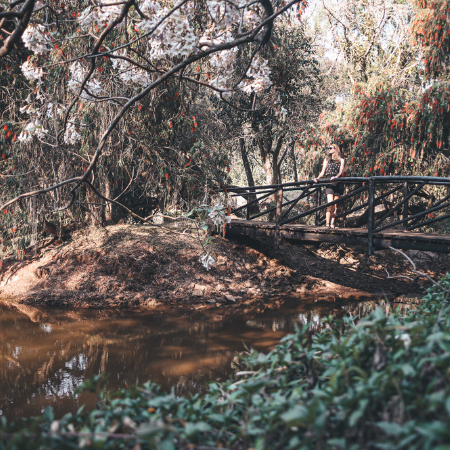
And then there were the gardens. La Rochelle’s garden is a paradise for birders, botanists, or anyone who just enjoys pretending they’re in a period drama. The Courtalds collected orchids from around the globe, loved gardens and implemented both at a very grand scale at La Rochelle. The 20-ha private garden includes trees and plants from all over the world, as well as the greatest private orchid collection in Africa! We wandered through the orchid house, where blooms in impossible colours drooped lazily from their stems.
Our visit to La Rochelle not only provided a most welcome break from our usual ‘roughing-it’ style, it also filled our time there with wonder. From the beautiful orchids to the old window signed by famous visitors of the past, from the pet lemur’s garden monument to the beautiful valley along the hiking trails and the lamb chops grilled to perfection.
As night fell, the air filled with the scent of jasmine and damp earth. We sat on the veranda, reflecting on the last week’s adventures. If Harare is the heart of Zimbabwe, then surely the Eastern Highlands are its lungs – breathing life, calm, and wonder into everyone who visits. We had barely scratched the surface, and can’t wait to be back. After all, in Zimbabwe, every road – no matter how winding – promises another adventure.
Note of thanks: A huge thank you and shoutout to Olly & Alison for hosting us in Harare, the Leareds for hosting us at Miombo Mountain Lodge & Spa, and Reggie & Fiona for hosting us at La Rochelle!
Trip Tips:
- Most main roads in Zimbabwe are tolled at $2-4 per toll gate. Have dollars ready in cash!
- Stop for a steak roll at Saucy Sue’s and a coffee at The Farmer’s Wife when driving the busy Great North Road north of Harare – you will not regret it.
- Harare is a good place to fix overlanding vehicles, stock up and spoil yourself. Try Miombo Mountain Lodge & Spa for a special stay with a fantastic view, or just a memorable lunch! (https://miombomountainlodge.com/)
- The Eastern Highlands is a good place to consider a break from camping. We loved staying at Seldomseen Cottages. (https://www.seldomseen.co.zw/)
- Birding is excellent all over the Eastern Highlands. Hotspots we particularly enjoyed are the grasslands and waterfalls of Nyanga National Park, the Miombo-clad hills around Juliasdale, and the forests of the Vumba Mountains.
- La Rochelle Country House makes a trip to the Mutare area more than worth it. The rich history, beautiful gardens and orchids, comfortable rooms and delicious dining all combine to make for a truly memorable detour! (https://larochellecountryhouse.net/)