
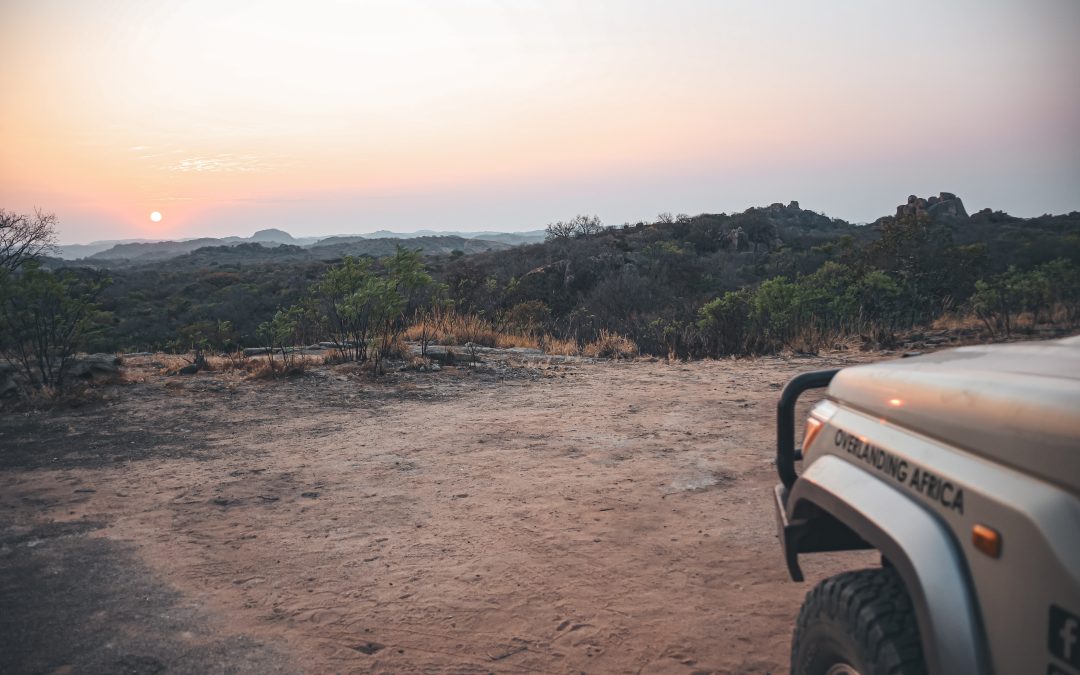
We lay awake in the rooftop tent, listening to the thunder rolling across the granite kopjes. The wind bellowed and tugged forcefully on Baloo’s sides as the raindrops started to fall. The summer rains had come early and the storm meant there would be little sleep tonight. Our last few days overlanding through Zimbabwe had been a fascinating blend of mystery and beauty.
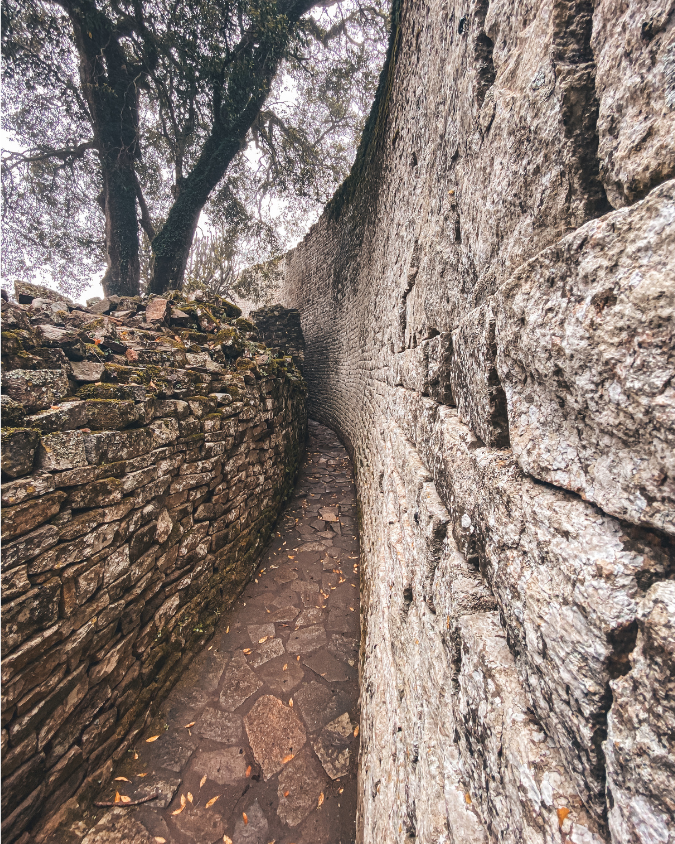
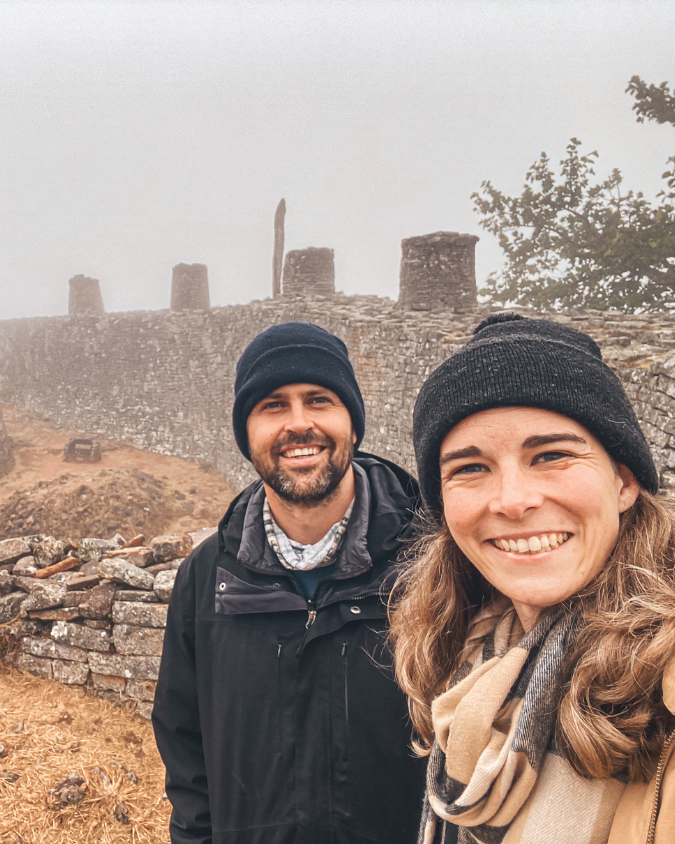
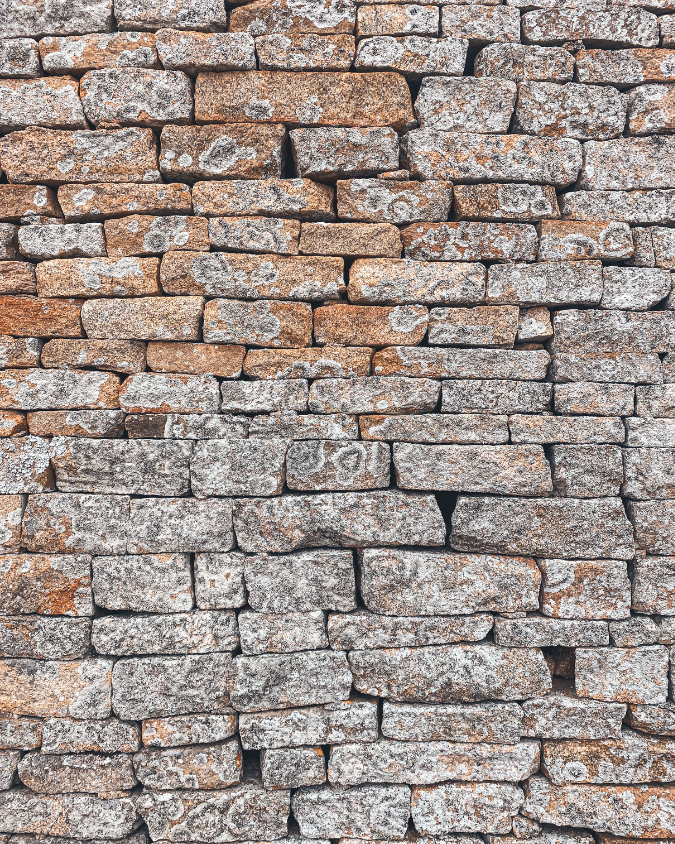
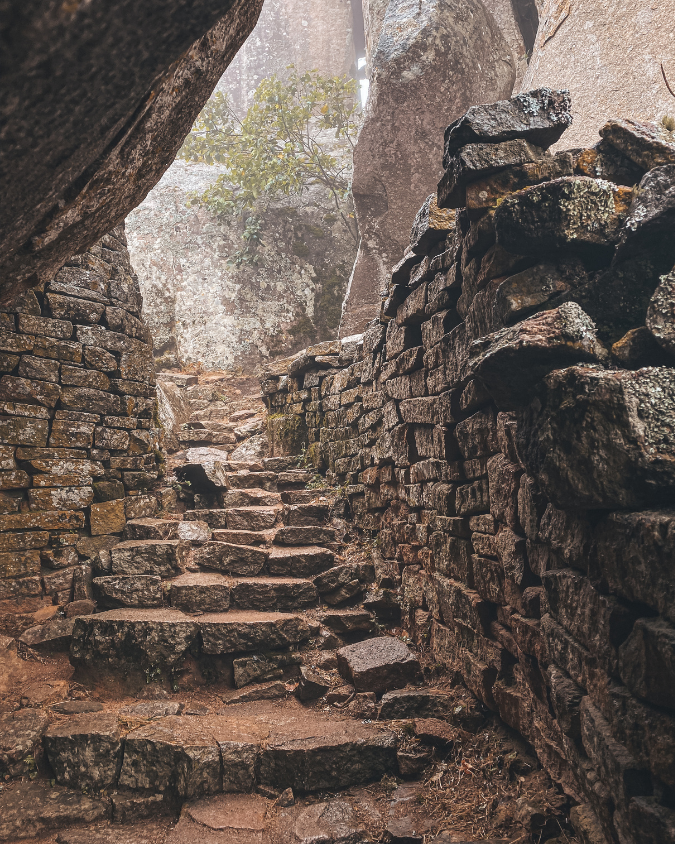
We had set off early from our previous campsite, mist still clinging lazily to the valley. The Great Zimbabwe ruins lie near the modern town of Masvingo. A jumble of towering stone walls rising from the hills, built entirely without mortar, yet standing proud for more than 700 years.
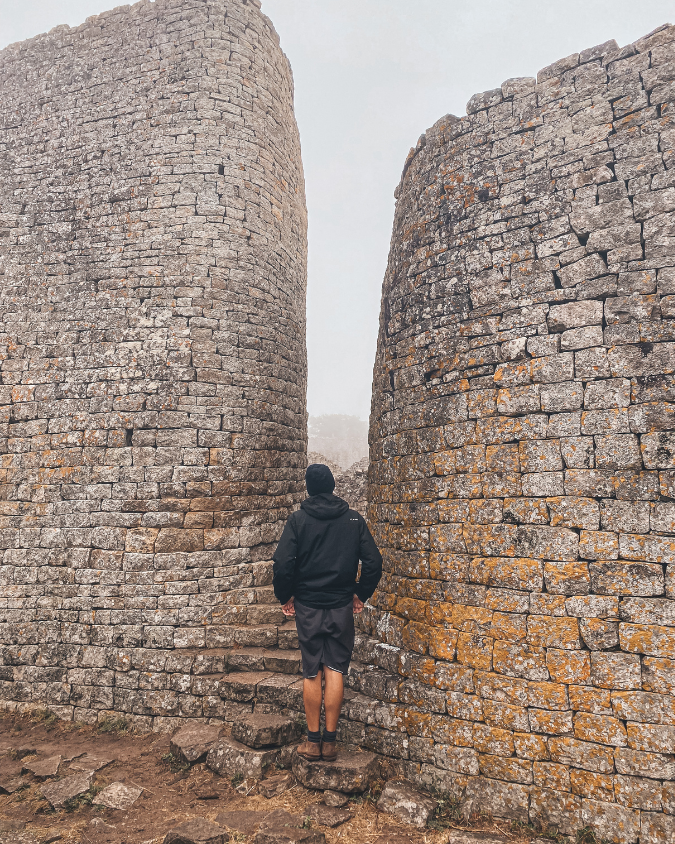
Great Zimbabwe was once the capital of a powerful kingdom that ruled vast parts of Southern Africa from the 13th to the 15th centuries. It’s the largest ancient stone structure in sub-Saharan Africa and, as we soon learned, one of the most mysterious. Who built it, and why? The debates rage on, but standing there among the massive walls of the Great Enclosure, the Hill Complex, and the Valley Ruins, we simply enjoyed and appreciated the beautiful construction for its own sake. To us they seemed to capture the essence of wonder – greatly admirable yet not completely explainable.
We spent hours wandering through the site, ducking through narrow stone passageways, and climbing to high vantage points where the breeze carried echoes of ancient life: market chatter, the clang of metalworkers, maybe even royal laughter. The Great Enclosure’s curved walls rise more than ten meters high and seem to ripple like stone waves. Inside it stands the famous Conical Tower – no doors, no windows, no clear purpose – like a riddle carved in granite. And then there are the soapstone birds (Zimbabwe’s national emblem) found in the small museum onsite. Smooth and serene, they gaze out as if remembering an age of kings and traders.
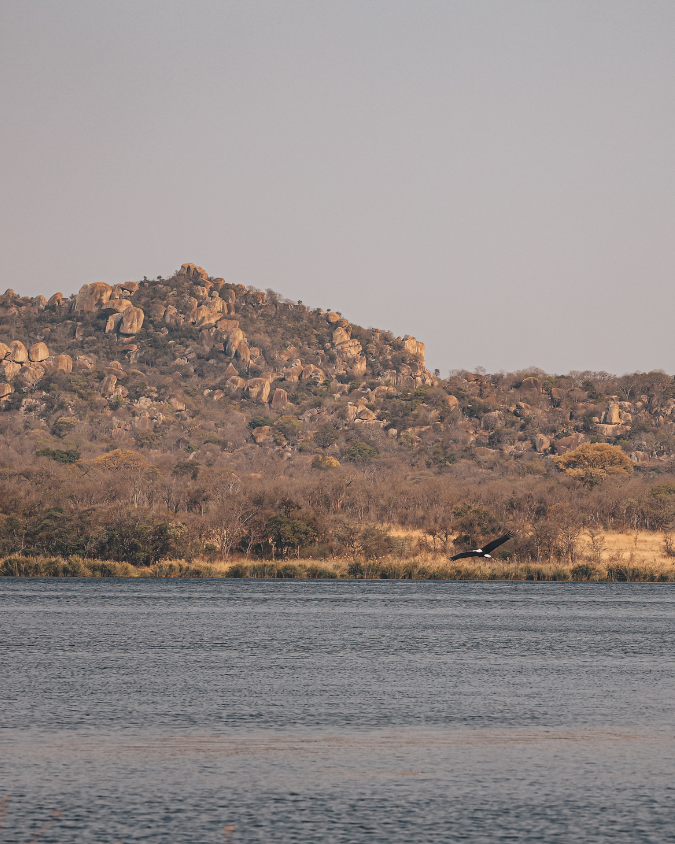
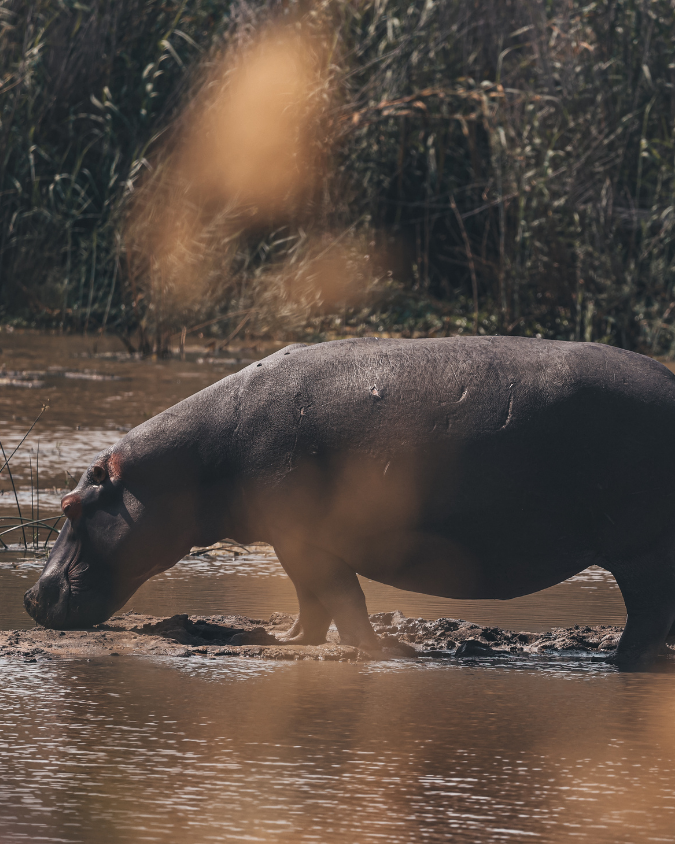
After a morning lost in the past, we returned to the present with a lakeside drive back to our campsite at Romelda on the shores of Lake Mutirikwi (previously Lake Kyle). Created by damming the Mutirikwi River in the 1960s, Lake Mutirikwi stretches serenely beneath the nearby hills, fringed by mopane and miombo woodland. It’s hard to imagine a more serene spot for a picnic or a peaceful afternoon nap. At least it was, until a pack of SA-bound Bush Lapas pulled a laager next to us and lit what looked like a signal fire.
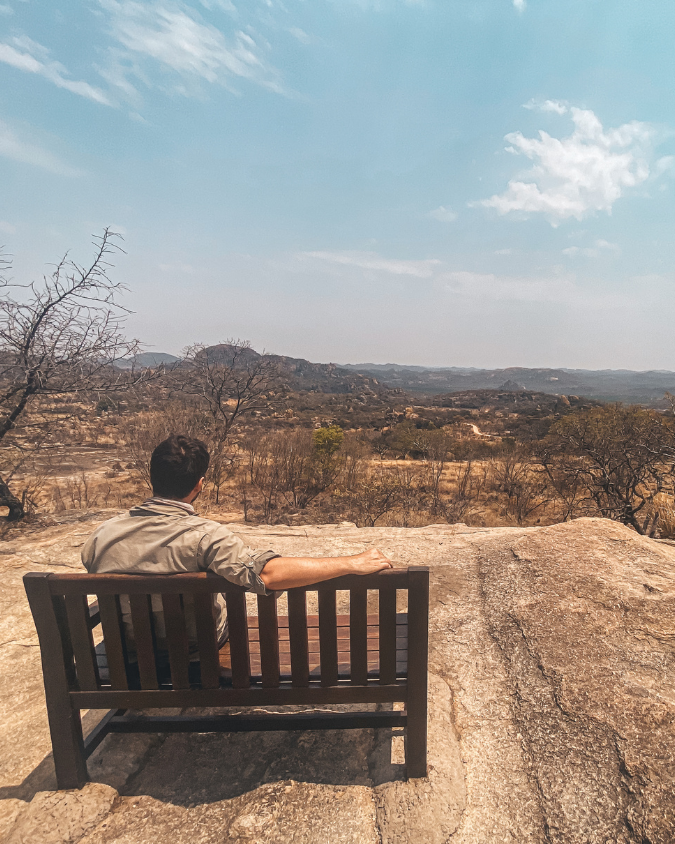
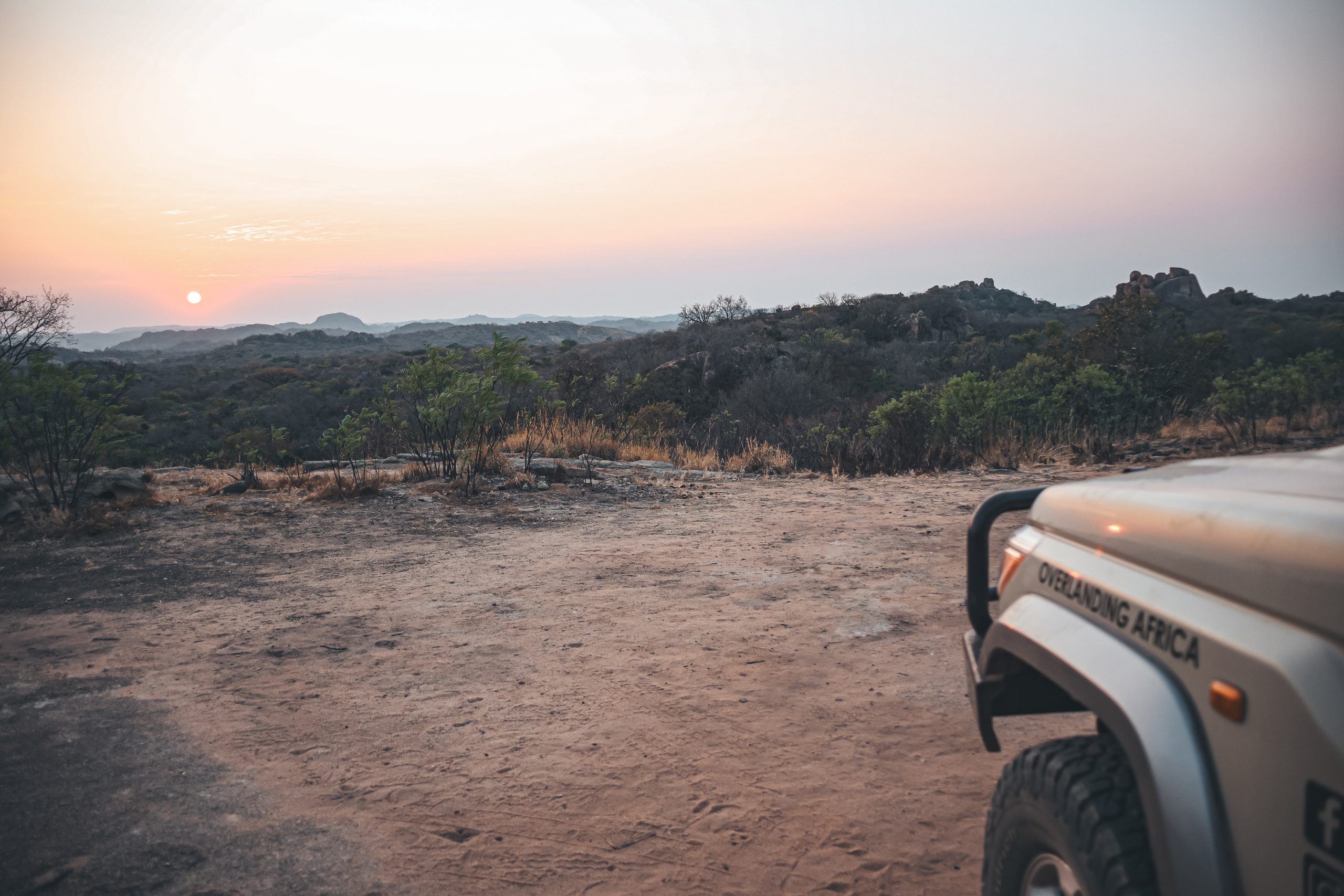
From the calm of Lake Kyle, we turned westward toward Matobo National Park, a UNESCO World Heritage Site and one of Zimbabwe’s crown jewels. This small national park packs a great punch, being in a scenically spectacular area of countless granite kopjes and wooded valleys. We camped at the beautiful Farmhouse’s campsite, with its amazing world’s view vistas.
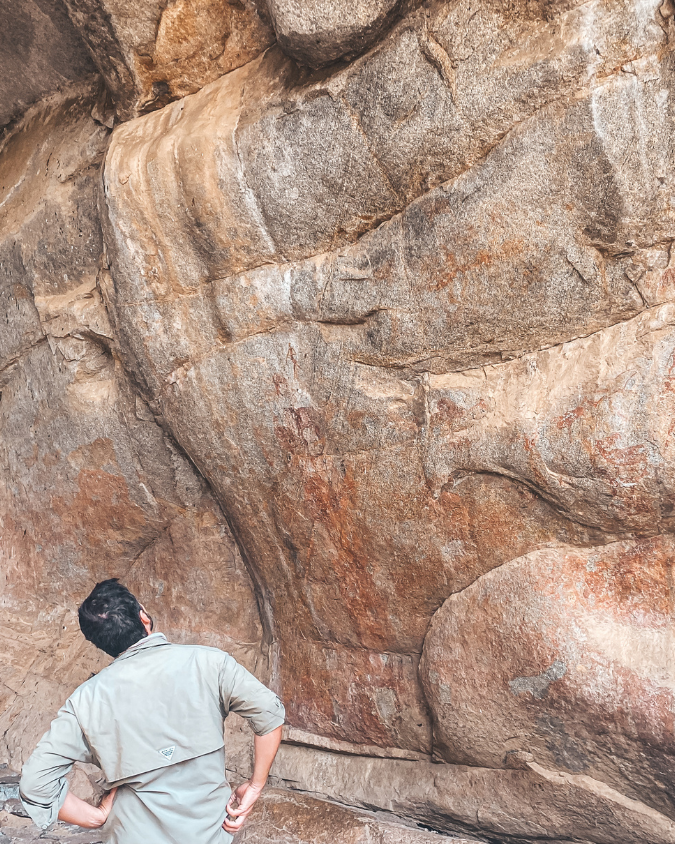
We explored the park and enjoyed not only its great fauna such as the many Verreaux’s eagles and renowned rhino population, but also the many bushmen cave painting sites dotted throughout the park. We never cease to be amazed by these beautiful legacies from the earliest inhabitants, thinking about the wild world they must have lived in. Here in the Matobos’ landscapes, it is not difficult to imagine how the world must have looked.
We climbed up to World’s View to pay a visit to Mr. Cecil Rhodes at his final resting place. Whatever your thoughts about colonial history, the man certainly picked an excellent view. The landscape spread before us like a stone ocean, rippling to the horizon. It was Rhodes’s wishes that the people of nearby Bulawayo will visit and enjoy the Matobos on weekends (a railway even connected it prior to WWII), and we can understand why. The Matobos is indeed a special place filled with wonders both natural and cultural, and it is our hope that it will continue to inspire the people of Zimbabwe and visitors alike for a long time to come.
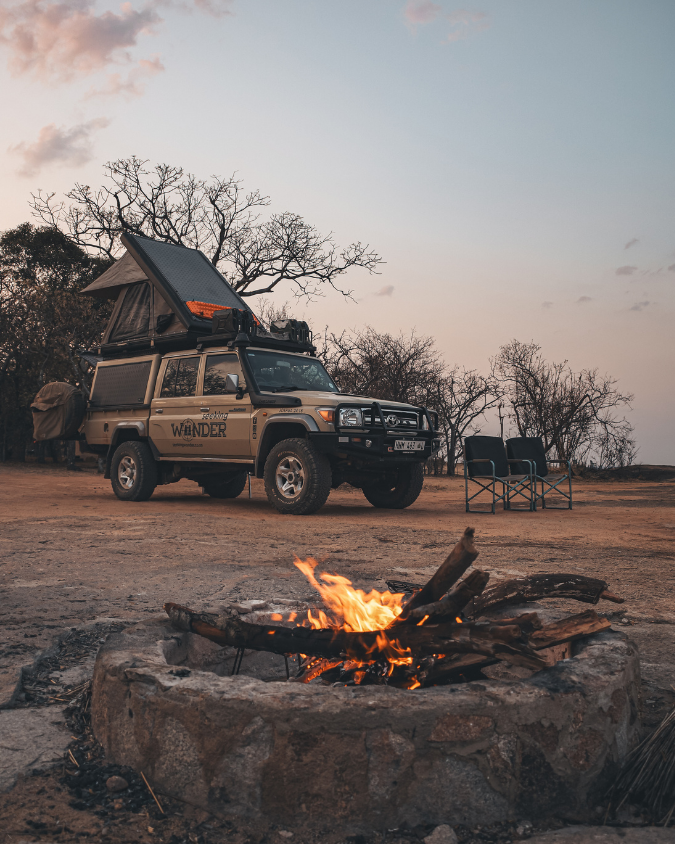
The storm had passed. As the last raindrops rolled from overhead branches, the East started to hint at a glowing dawn. Much like our experiences travelling through this country, we could sense optimism in the air. In the distance, a secretive Matobo leopard rasped. We lay in silence for a while before starting the morning pack-up rituals, feeling both awed and humbled.
After a month in Zimbabwe, we realise that we need much more time in this wonderful country. It is a place of contrasts: grandeur and humility, mystery and laughter, history and wild beauty all rolled into one. The people are warm, friendly and incredibly hospitable. The wilderness areas are diverse and spectacular. And the stories carved into its stones, painted on its cave walls, and whispered by its winds will stay with us forever. Because some adventures don’t just show you new places, they change the way you see the world.
Trip tips:
- We enjoyed staying at the following campsites:
- Lake Mutirikwi: Romelda Campsites (https://www.romeldaretreat.com/)
- Matobo National Park: Farmhouse Campsite (https://www.farmhousematopos.com/)
- Take cash for the entrance fees at Great Zimbabwe – their card machine is not always online.
- We recommend the gravel road along the southern shore of Lake Mutirikwi – it is one of the most scenic drives in Zim!
- Beitbridge has a great new border post on the Zimbabwean side – fully automated and functional. The South African side requires a bit more patience and humour, but nothing to worry about.