
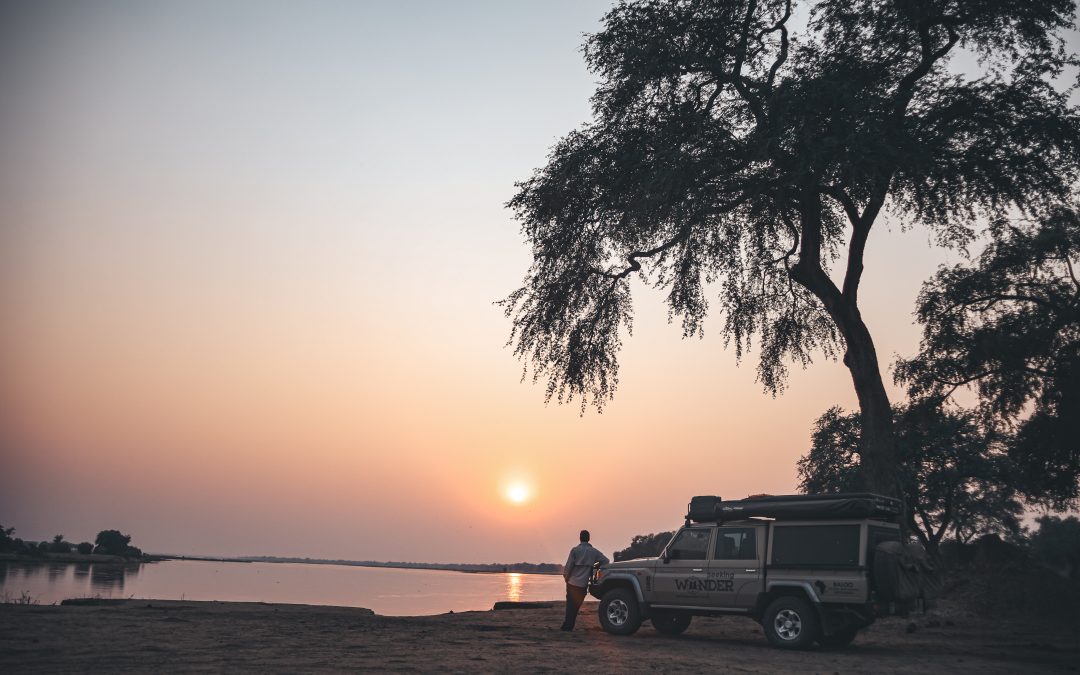
As we slowly headed downhill, the landscape opened out. With the escarpment wall rising behind us, we dropped into the vastness of the Zambezi Valley. The road was officially the Great North Road, but inside the car it felt like the Great North Obstacle Course. After dodging potholes galore, we reached Chirundu – right on the border with Zambia. Heading to the Zambezi river, we found lion spoor within a few hundred meters from the main road. It is easy to believe the rumours of truck drivers getting nabbed by the local lion population while sleeping underneath their trucks.
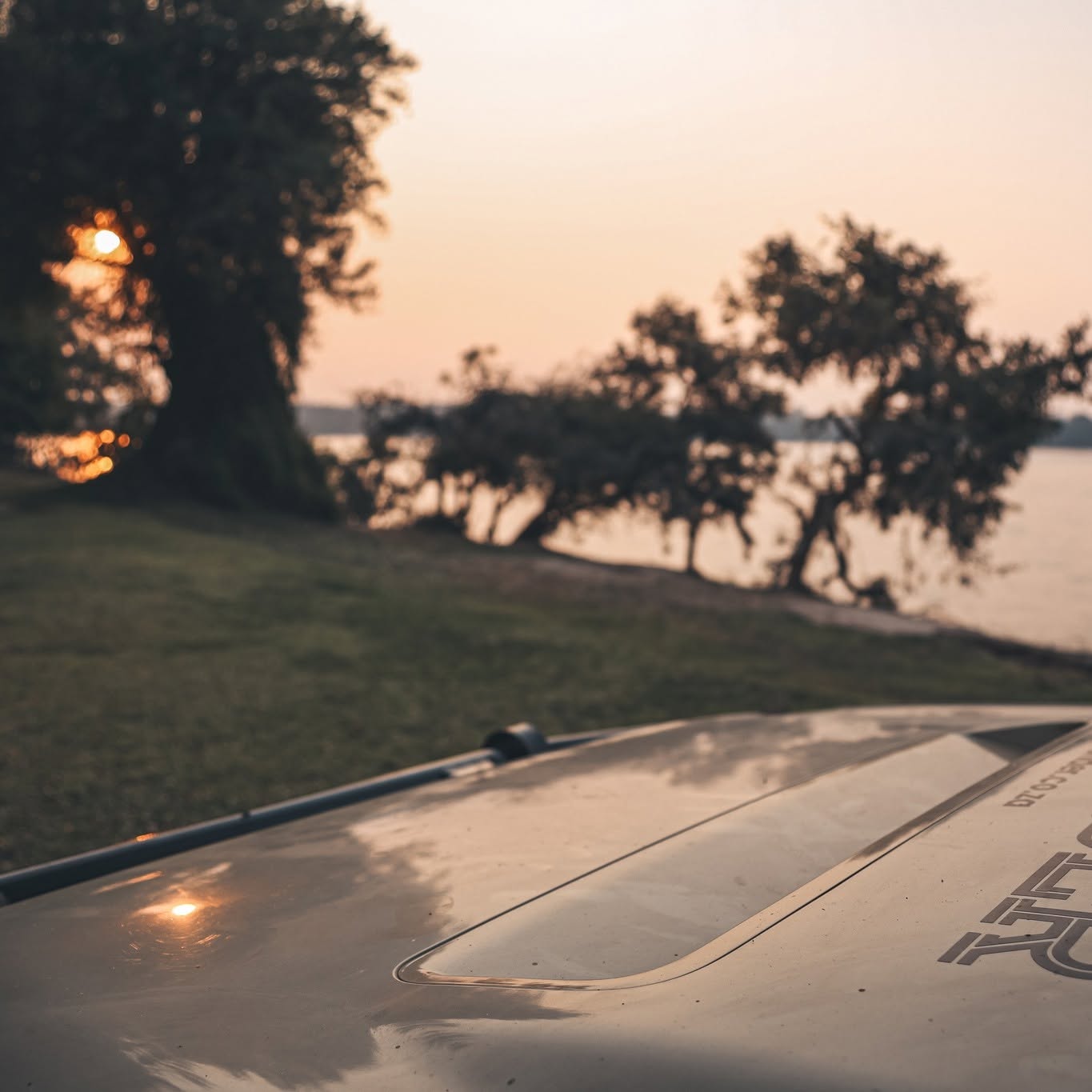
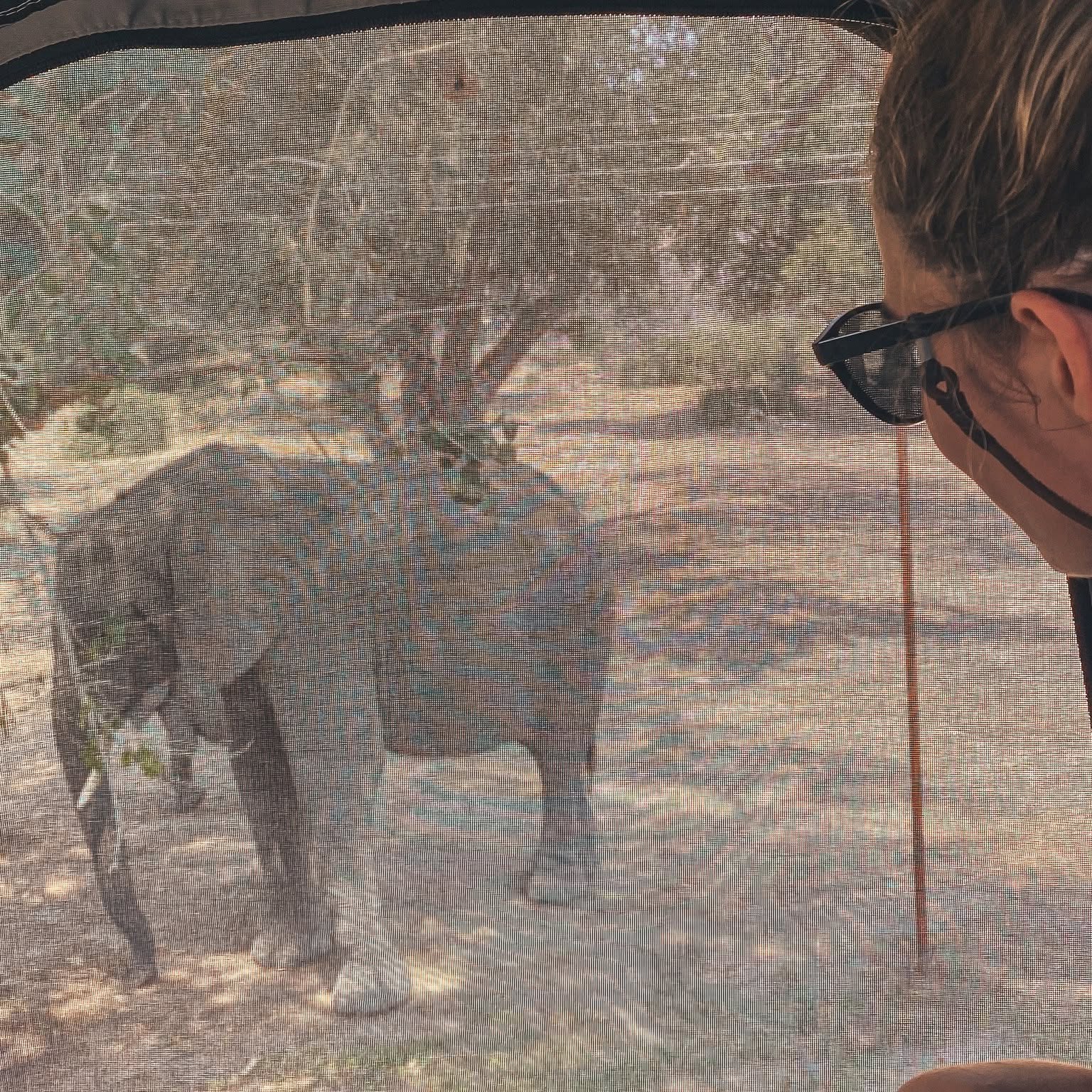
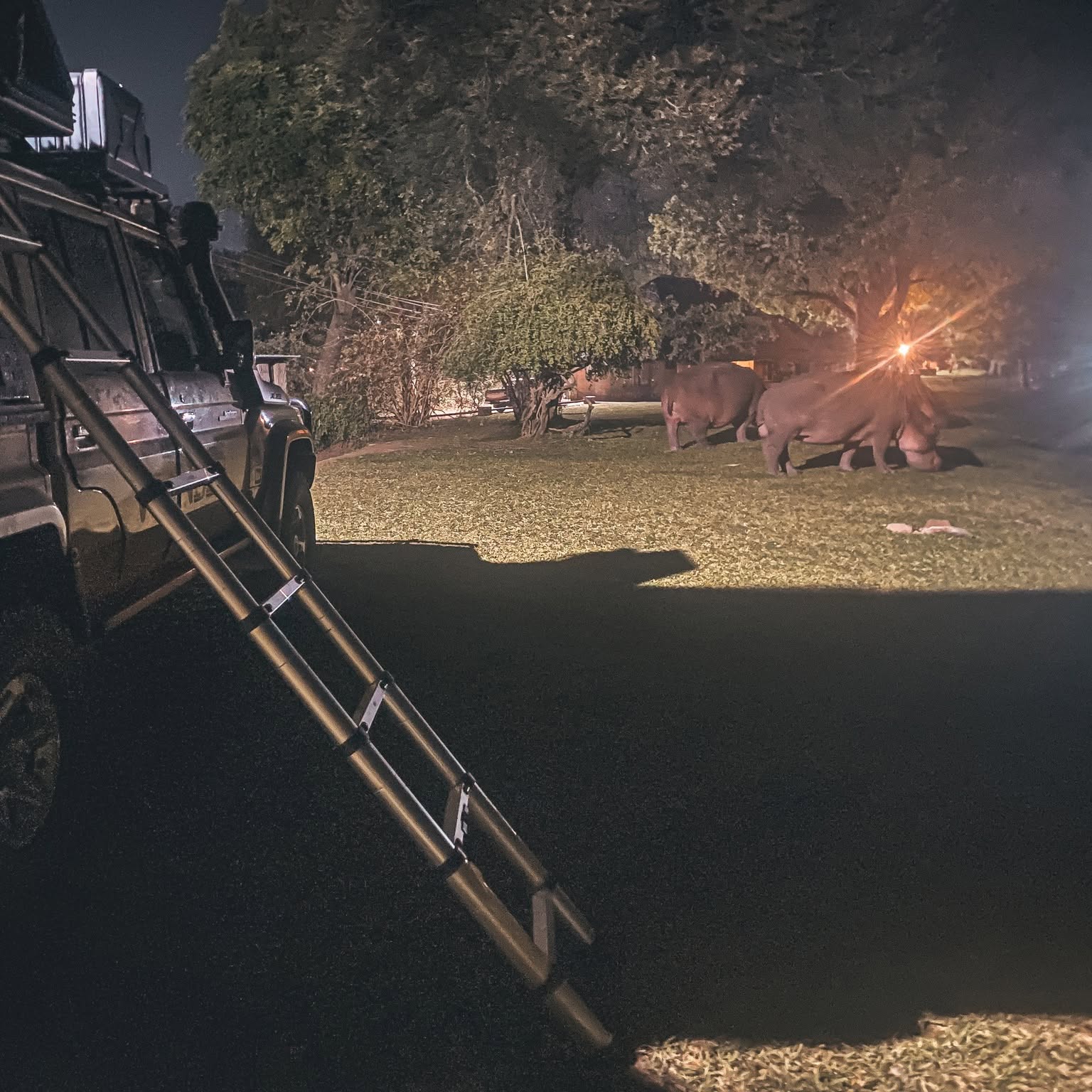
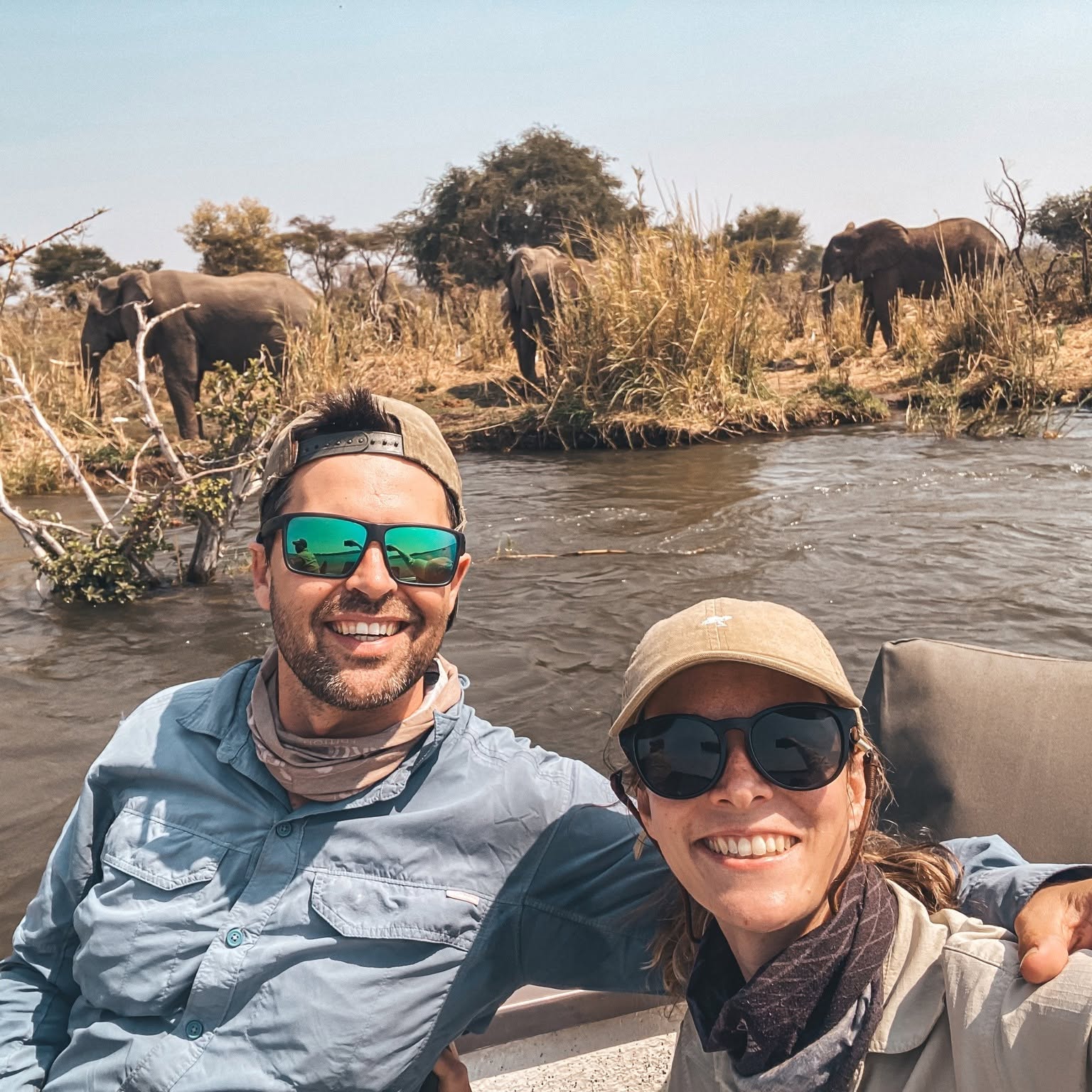
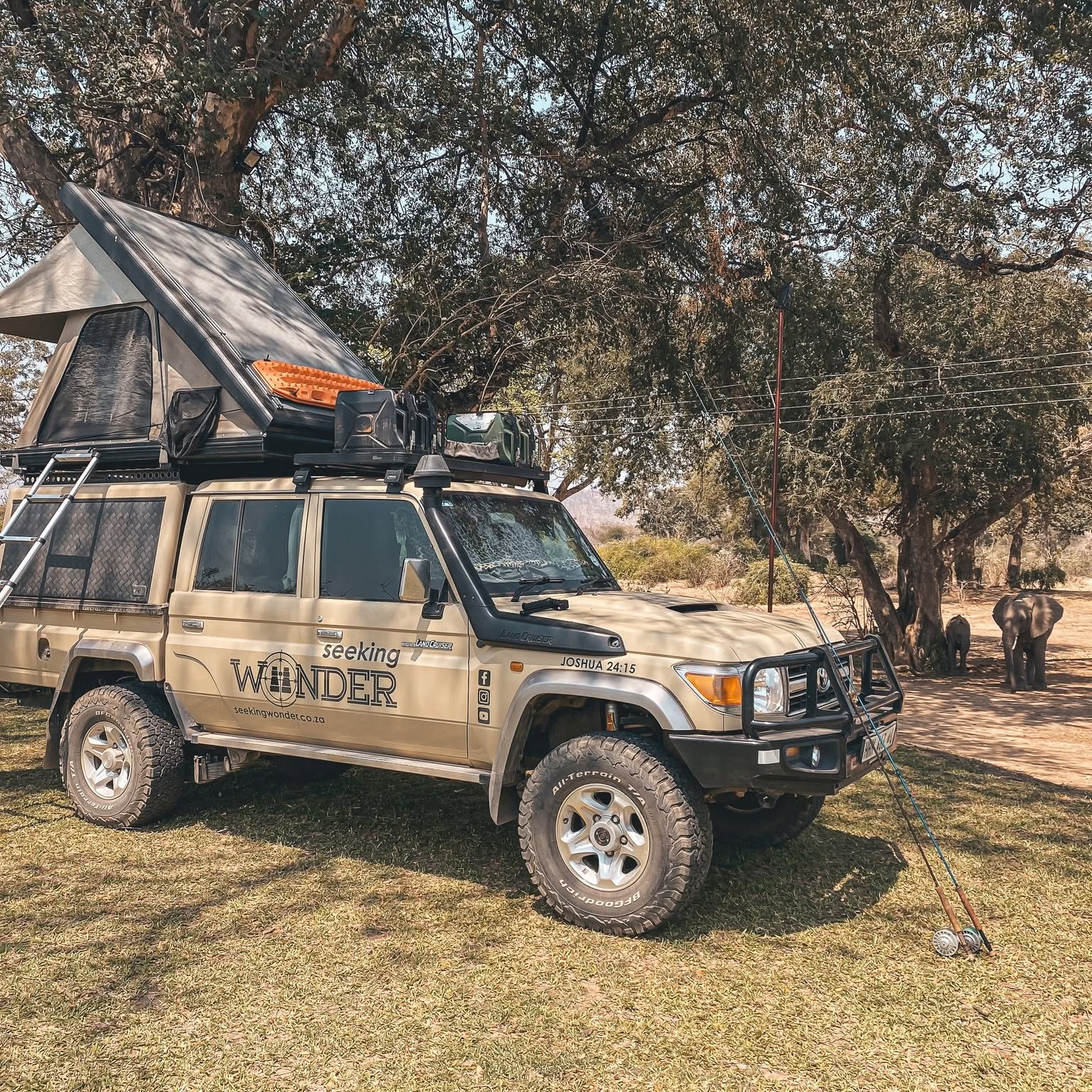
We camped for a few days at Tiger Safaris’ beautiful riverside campsite. Situated on the banks of the Zambezi, we enjoyed sprawling views of the river, chats with visiting anglers and big game hunters alike, and daily (very) close-up visits by the local elephants and hippos.
Of course, we also ventured out in search of tigerfish. The high water level and recent ecologically disastrous copper mine spillages into the nearby Kafue River confluence put a damper on fishing results. However, the stretch of lower Zambezi we fished made up for it. Teeming with riverside wildlife, rich birdlife and characterised by lush landscapes of large Natal Mahogony, Ana and Apple leaf trees, this is the wildest stretch of Zambezi we had ever fished.
From Chirundu we back-tracked towards Mana Pools. From the carved valley of the Zambezi to the open plains, river channels, sandbanks, pools, and riparian forest of Mana. The name itself means four in Shona, referring to the four large permanent pools carved out by the river’s meanderings. I pondered whether it might also refer to the four (!) separate entrances you need to stop and show your permits as you enter Mana.
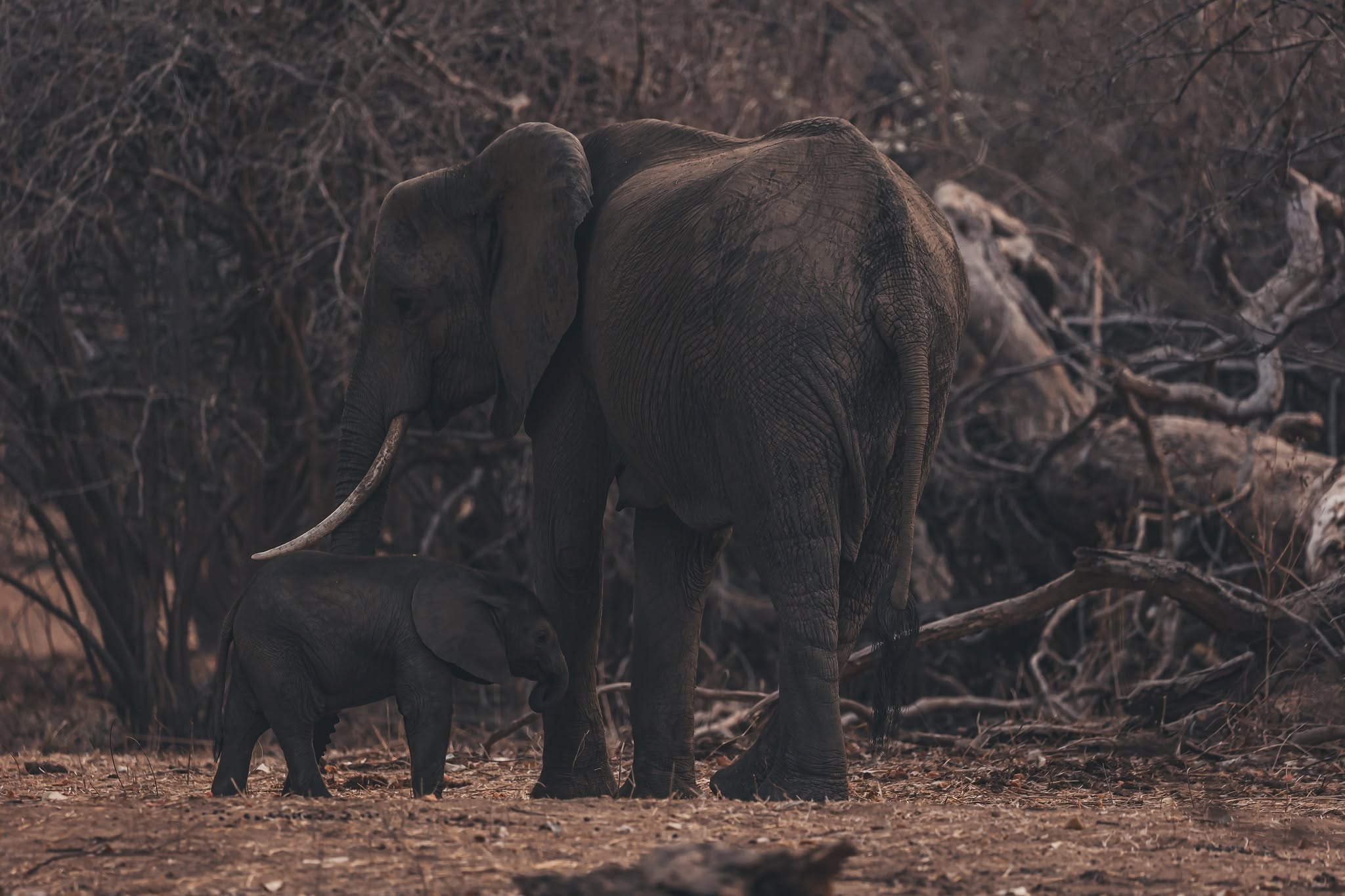
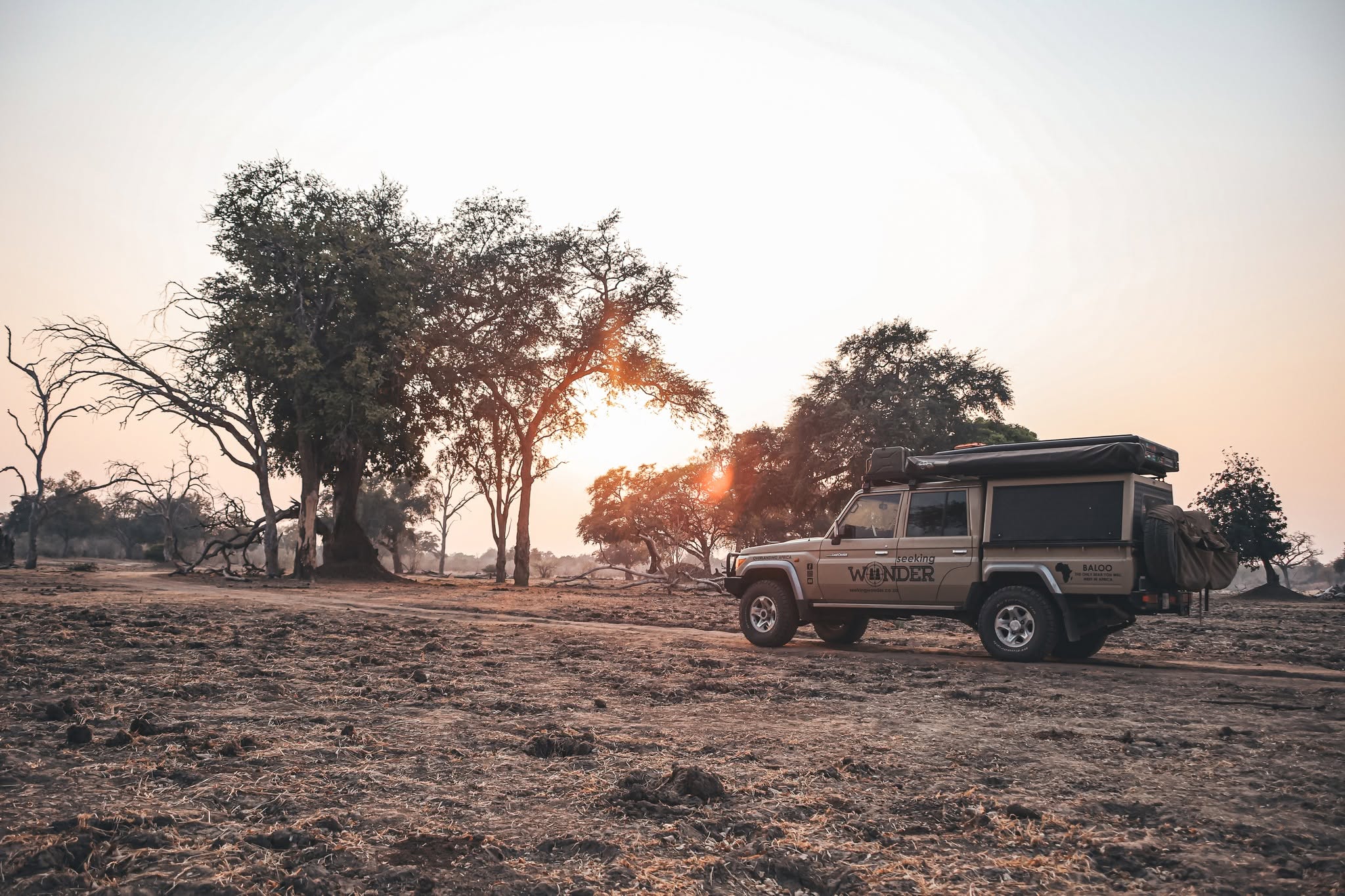
We arrived at the tail end of the dry season. Shadows stretched long and the nut-brown landscape had a hush about it. Yet life was everywhere. We camped at Nyamepi where the Zambezi was flowing broad and slow, hippos were grunting, crocodiles were lurking, and overhead the fruiting Ana trees dropped their seedpods. These seeds attract wildlife of all sorts (particularly ellies) from the vast wildernesses around the park.
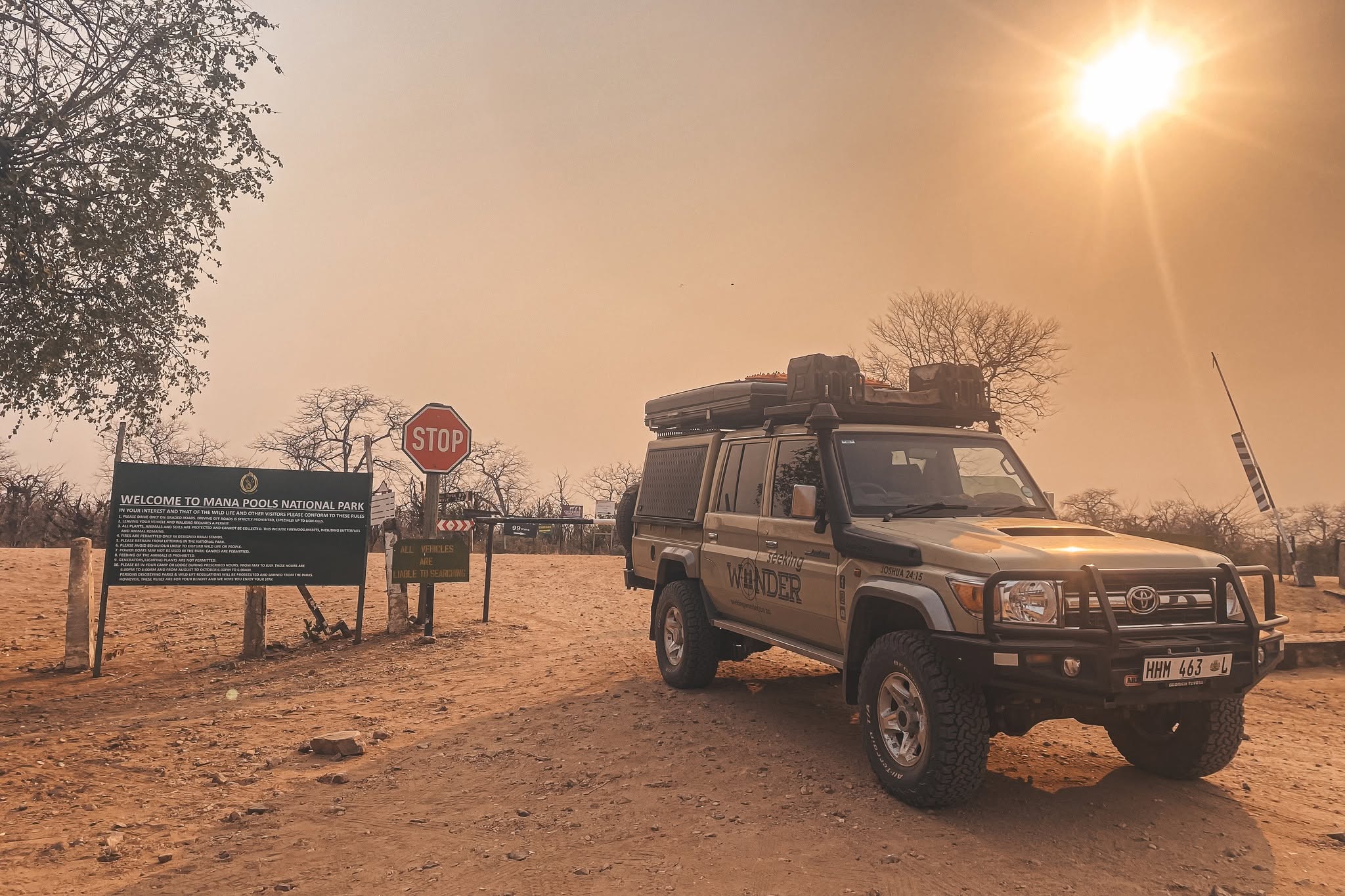
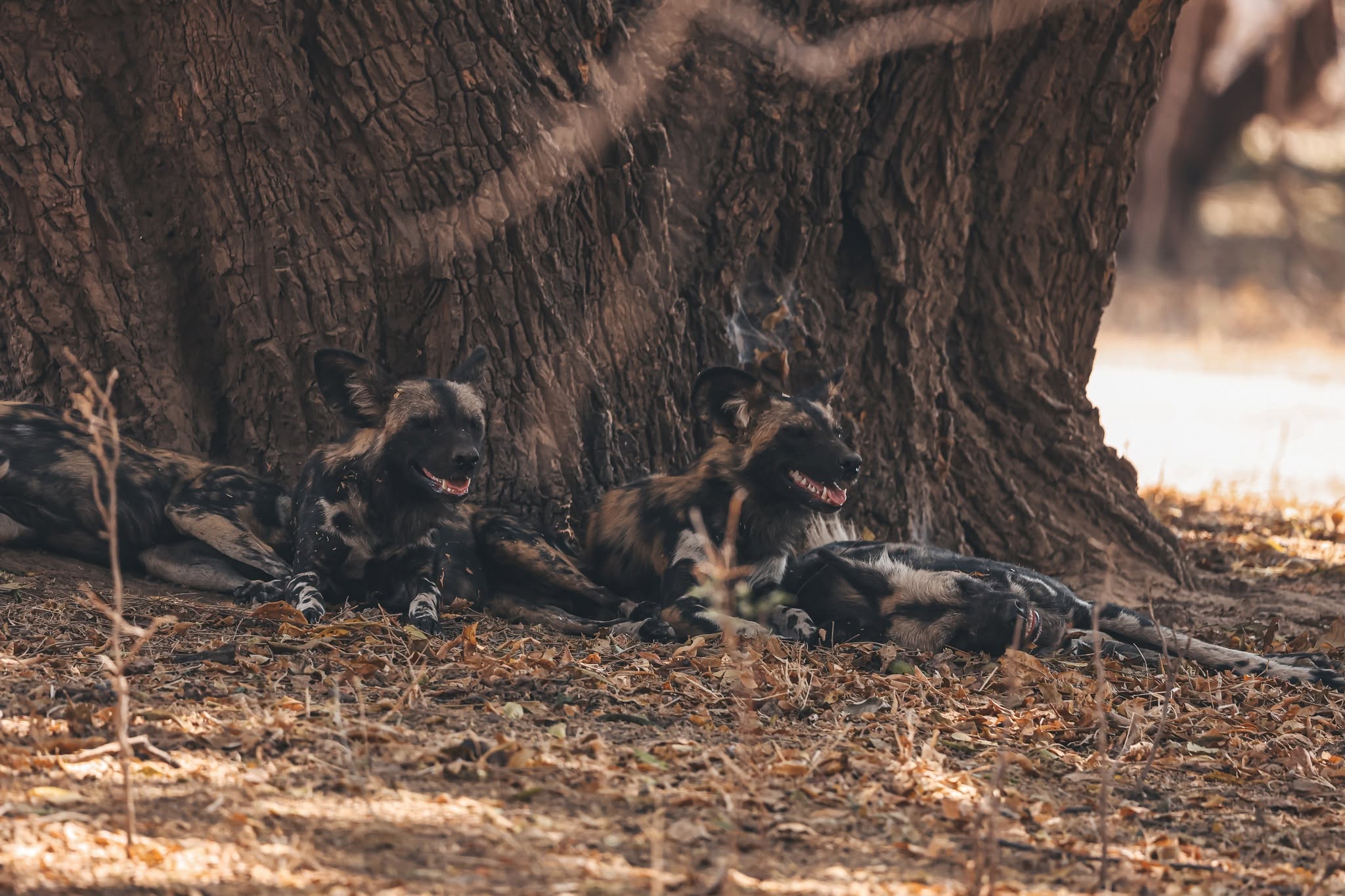
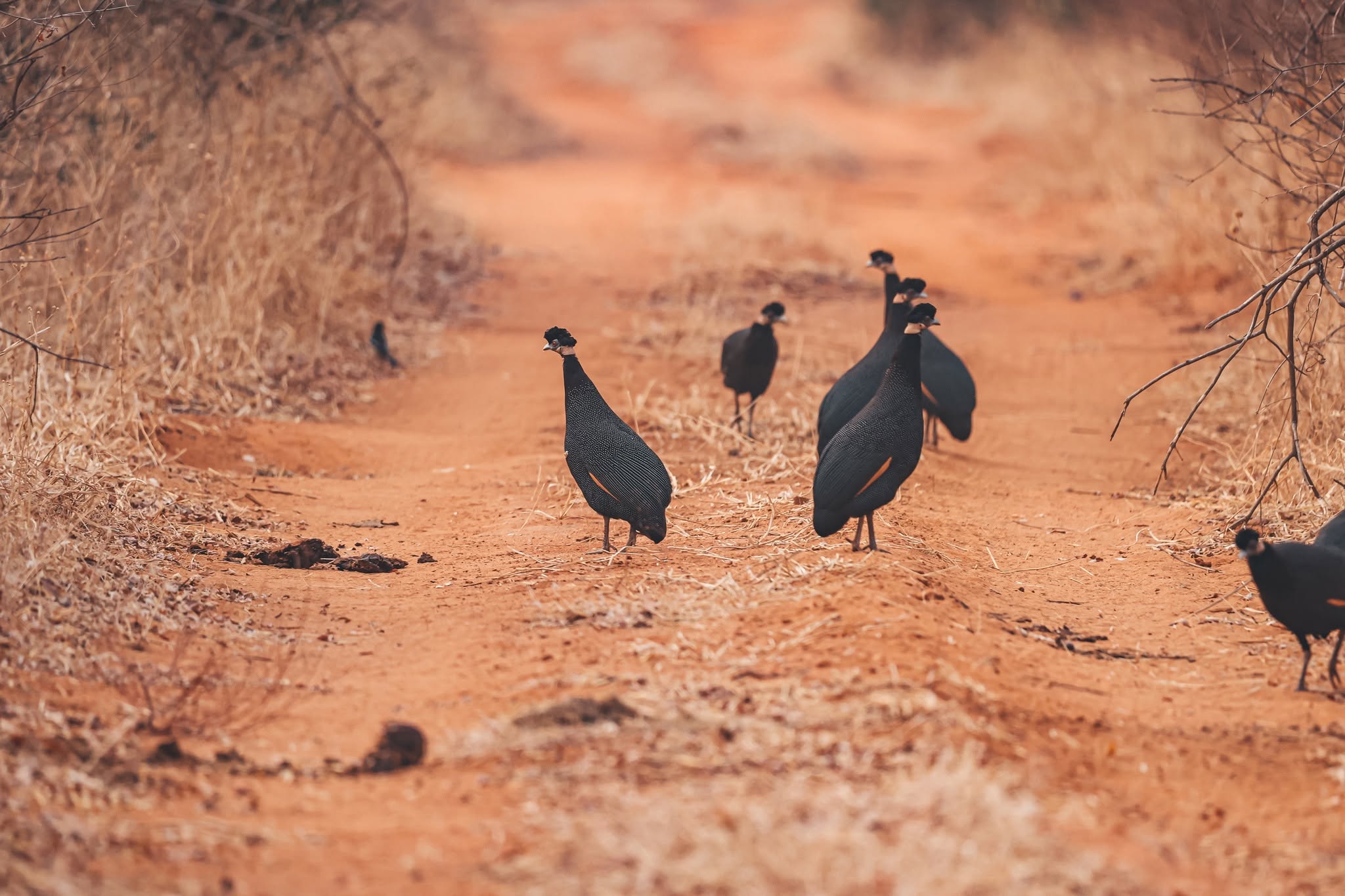
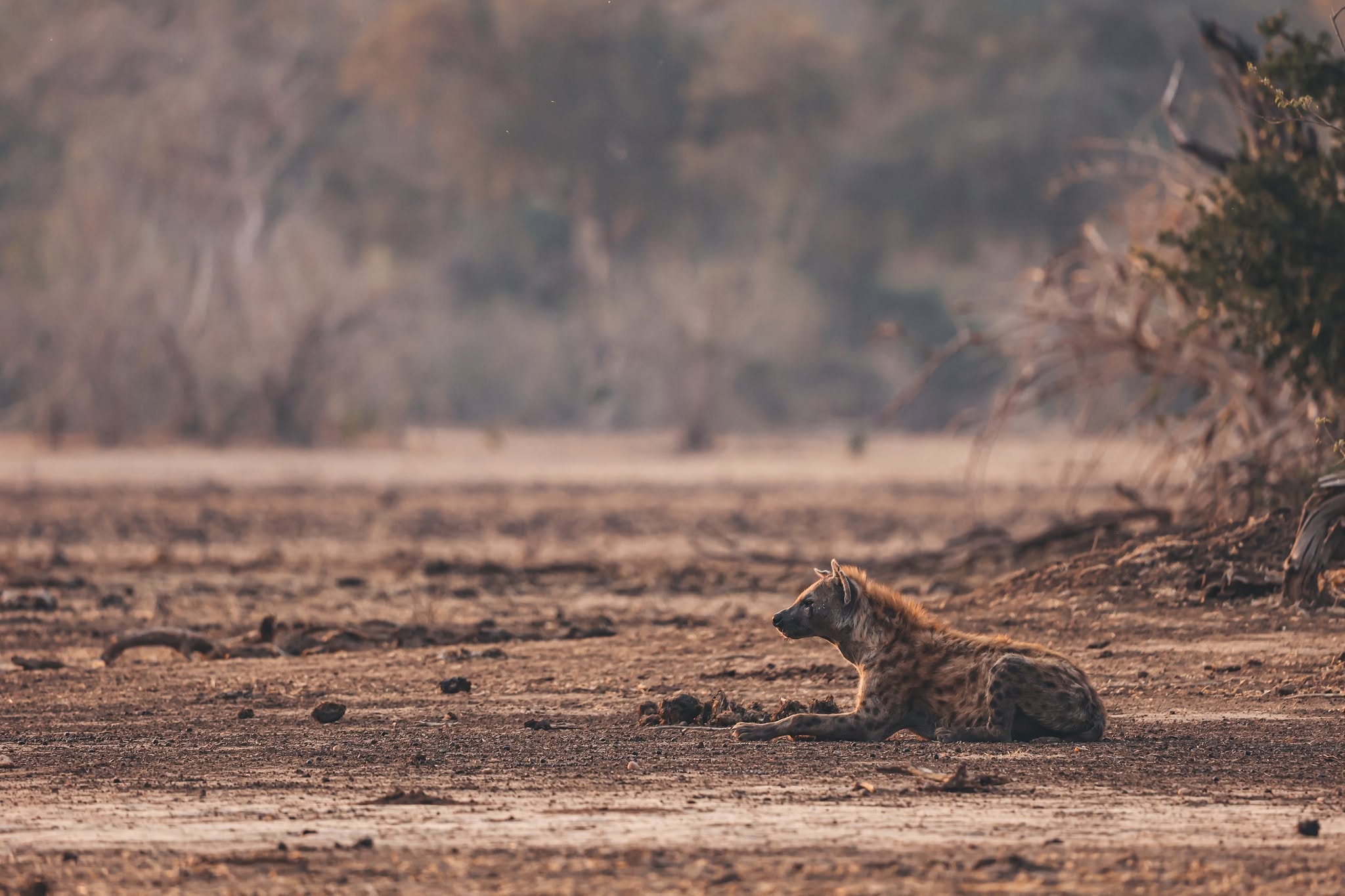
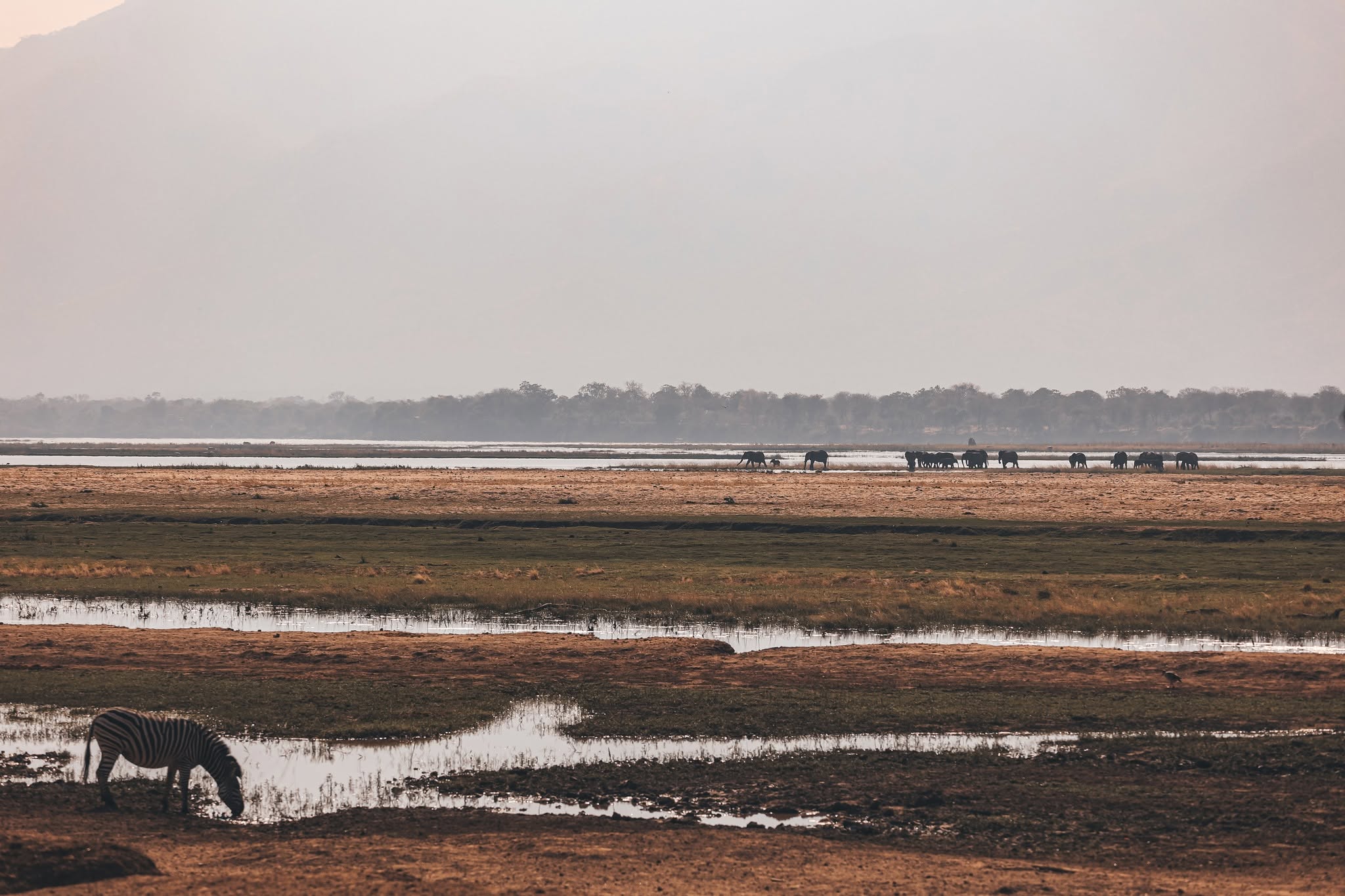
We enjoyed exploring the park’s road network and marvelled at the uniquely famous landscapes along the river: misty mornings, massive trees, and elephants in the foreground, middleground and background. Nightly campsite visitors kept us on our toes, with hyena, hippos and elephants all testing the limits of our comfort zone.
Of course, Mana Pools is also famous for its tolerance towards visitors walking freely in the park, guided or unguided (with permits). Although this gives one a sense of freedom, we must admit that we had a few bad encounters indicating that some people (self-drivers and guides alike) are simply taking advantage of this rare privilege and pushing boundaries beyond what is safe and ethical. In a world driven by selfies, tips and likes, it sadly seemed to us as if respectful encounters with big game are all too often the lowest priority at Mana Pools.
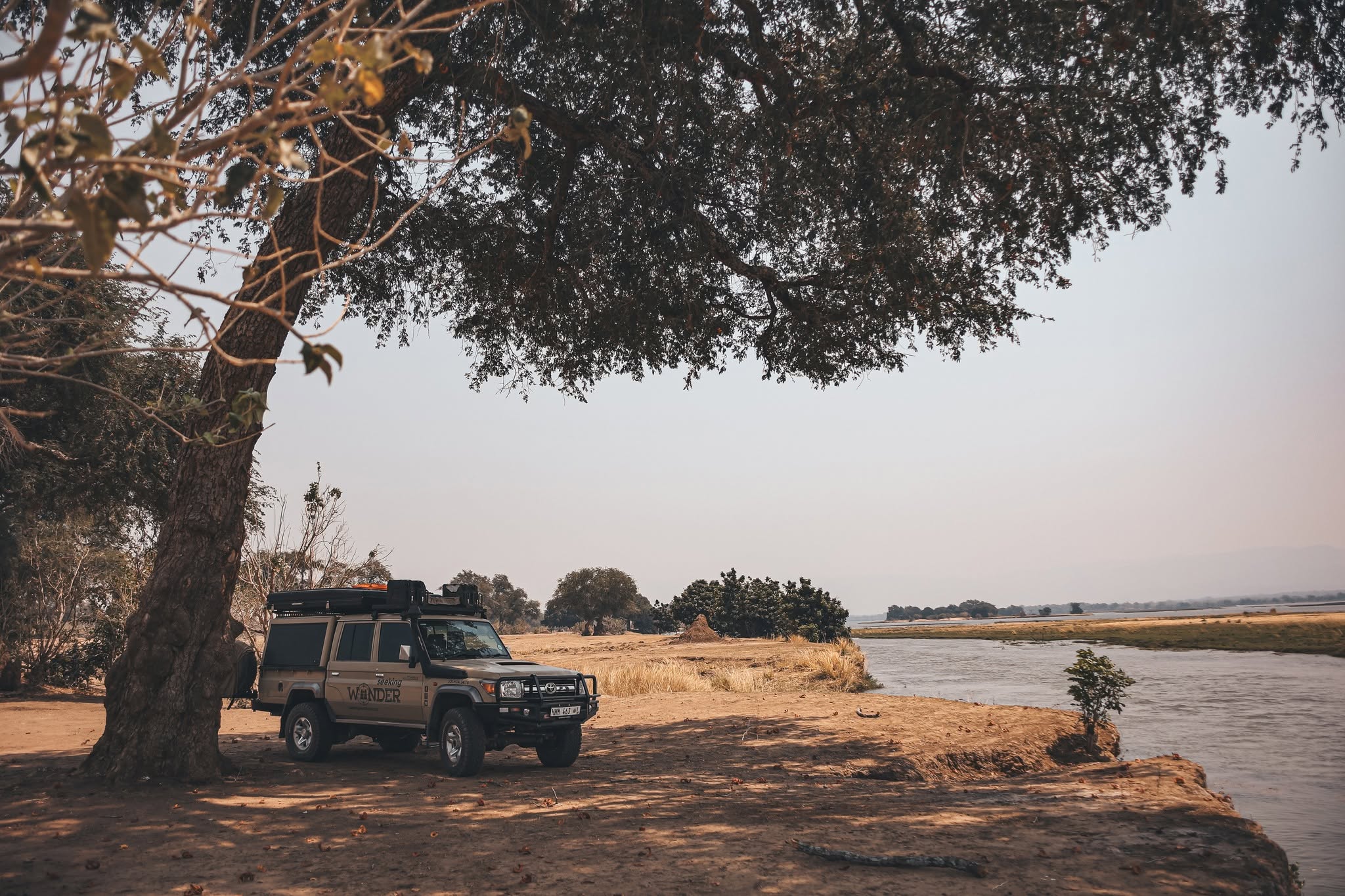
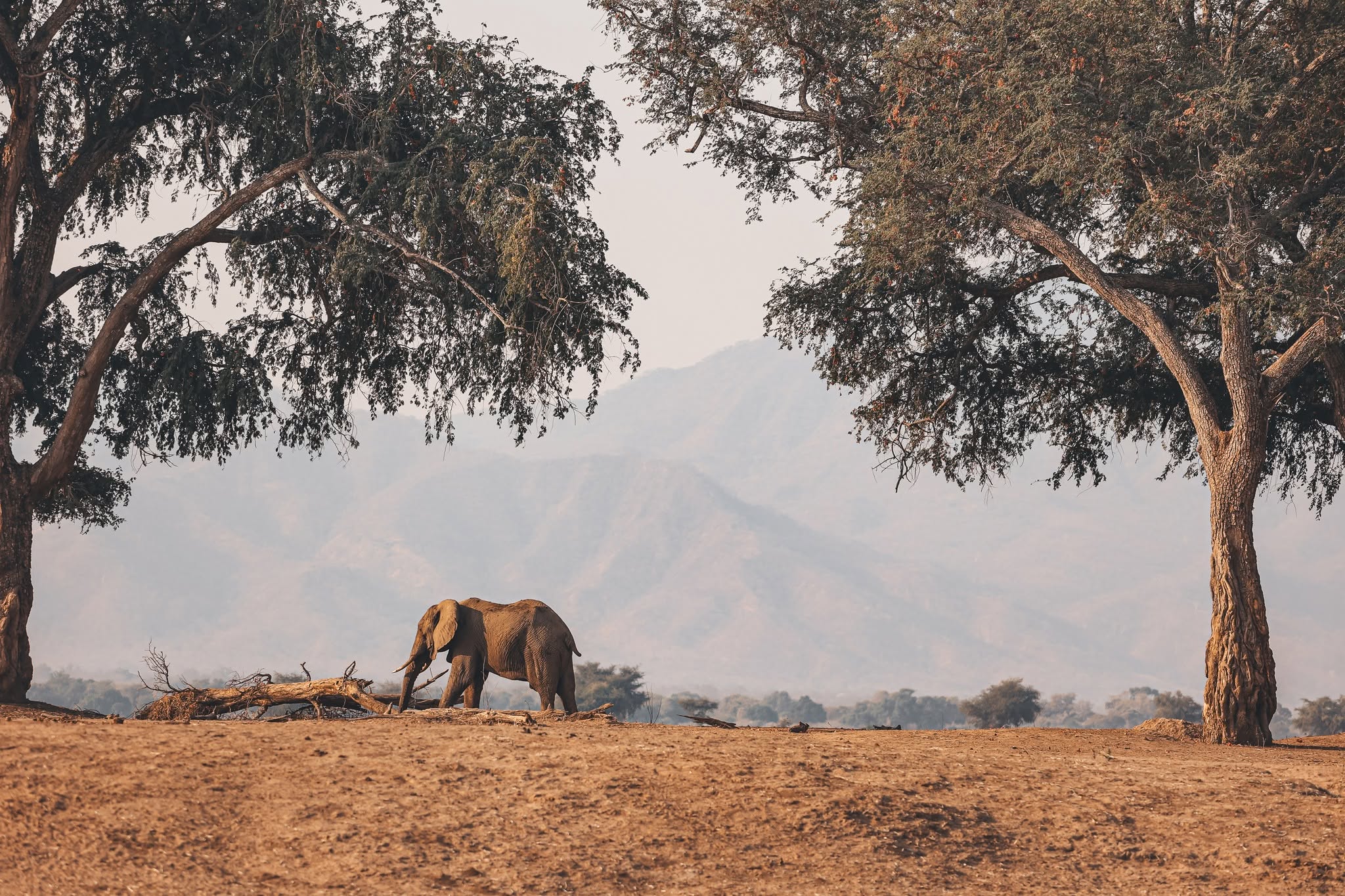
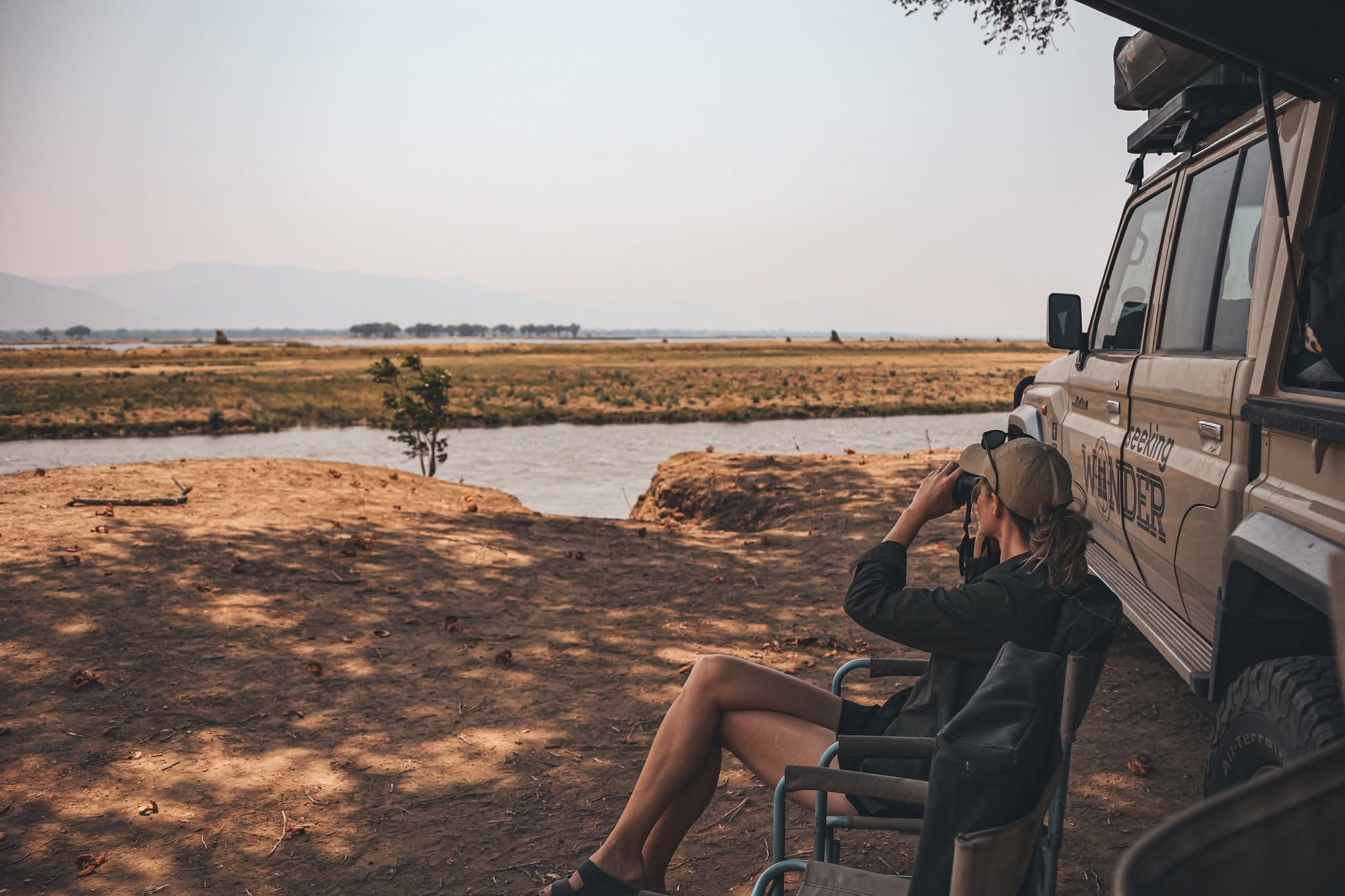
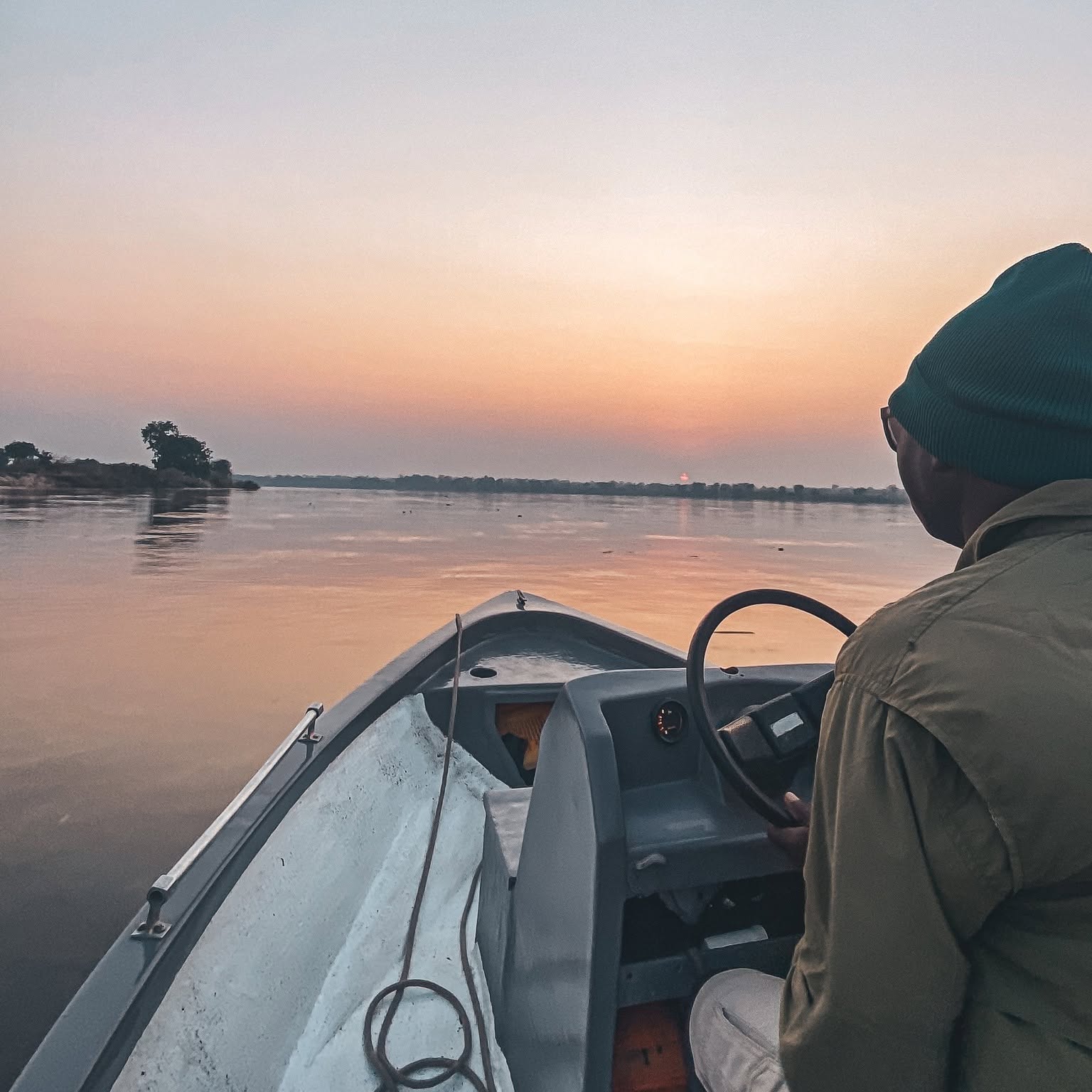
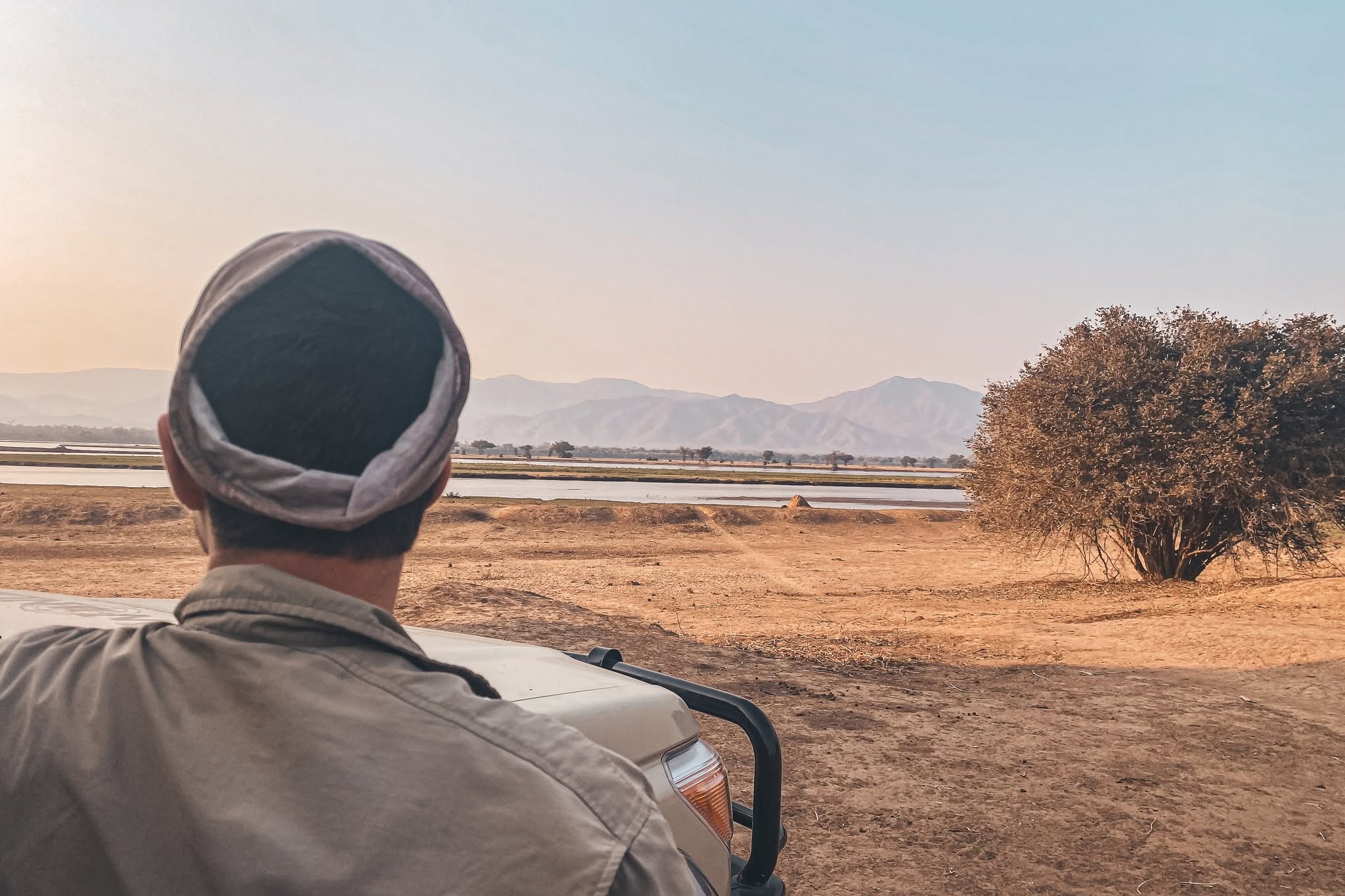
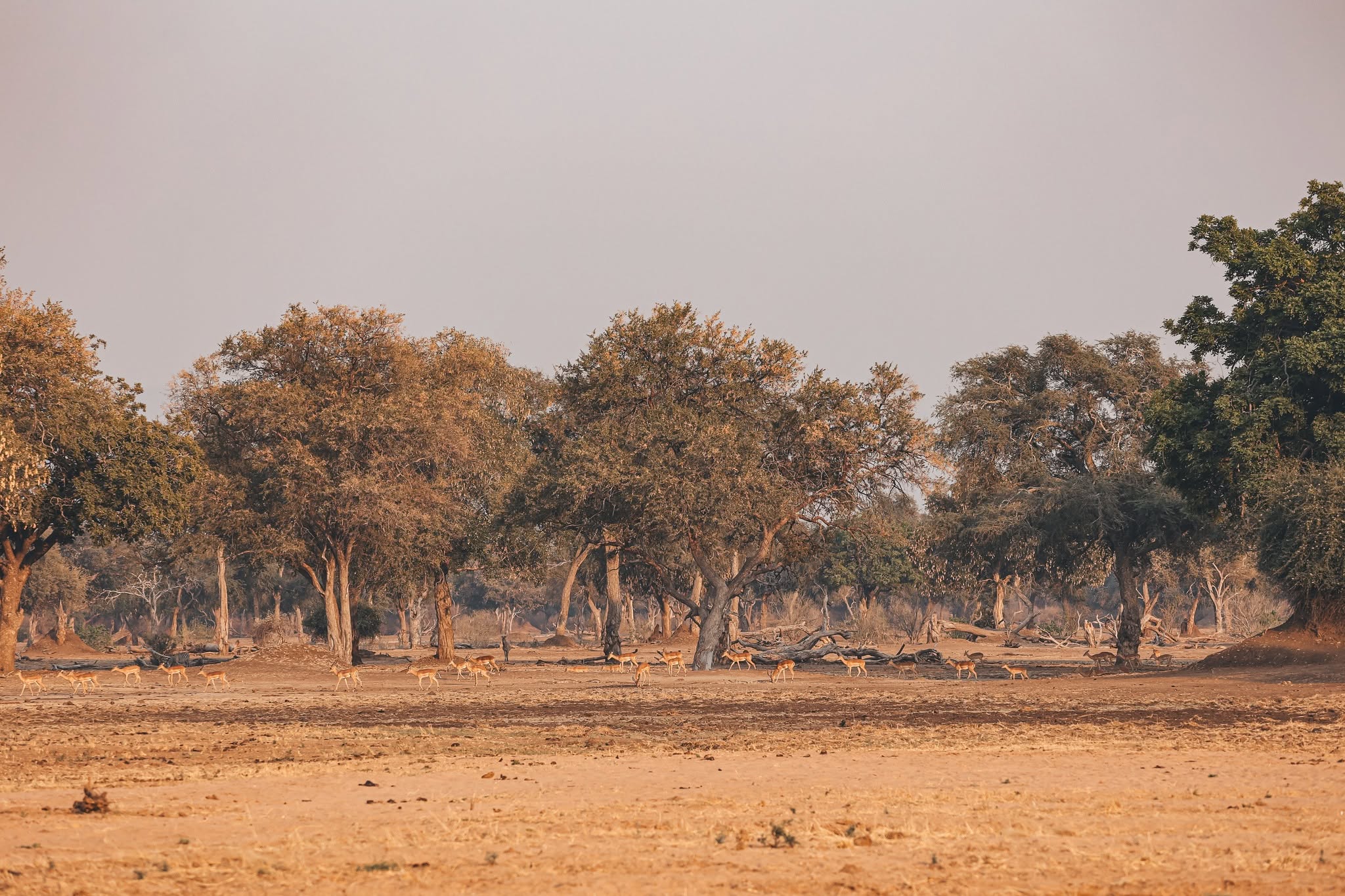
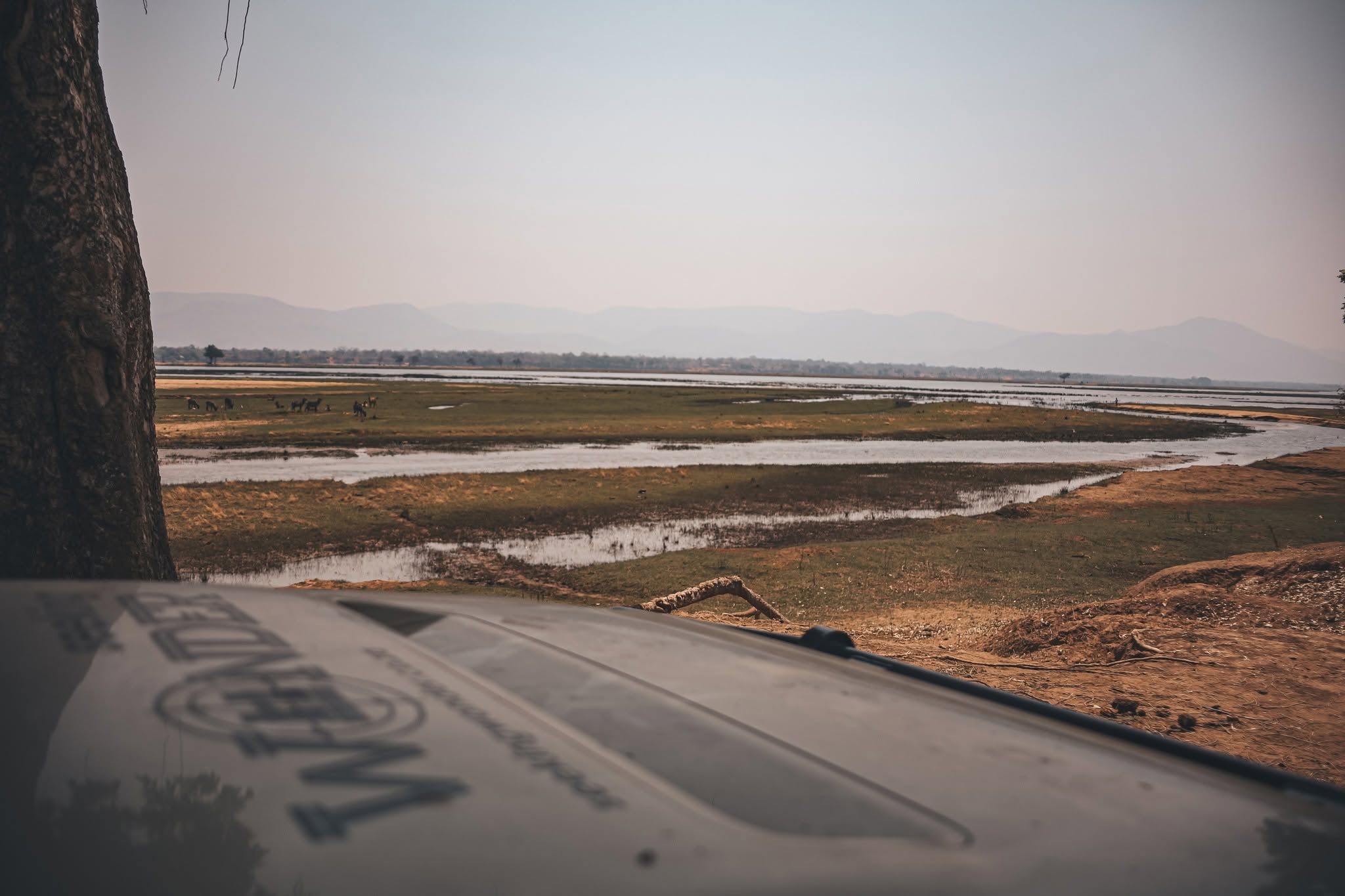
Despite this, Mana remains a unique and utterly beautiful paradise and we thoroughly enjoyed the magnificent riverine trees, croc-filled pools, pod-eating elephants, bold predators, rich birdlife, and Zambezi sunrises. It is a stripped-down, unpretentious wilderness. The flood-plain, river terrace, forest of mahogany, fig, and ebony trees all create clear sight-lines, no dense bush to hide predators, and an ever-present sense that you’re nowhere near civilisation.
So, if you ever find yourself driving the Great North Road, dodging potholes and wondering why you chose this route, just drive on. Because when you reach the Zambezi, when you feel that low-valley hush, when you camp by the river and hear the hippo grunt and the elephant trumpet, you will know. This is what wild means. This is what a trip to the protected reserves of Zimbabwe means. And this, right here, is why we will always return to wild spaces like the Zambezi and Mana Pools.
Trip tips:
-
- The road up to Marongora is fine, but from there to Chirundu is horribly potholed – take it slow!
- The Chirundu area is great for tiger fishing (and game viewing), and we recommend camping at Tiger Safaris (https://www.tigersafaris.co.zw/). The best time of year on this stretch is October – December before the rains start.
- Mana Pools is a popular destination so booking well in advance is a good idea, especially if you want to go to Chitake Springs in dry season. Book (with a lot of patience) via ahlabiso@zimparks.org.zw.
- The road from Mana’s Chimutsi Gate to Nyamepi can be very corrugated, but we found it recently graded and not too bad.
- The private campsites at Mana Pools are spectacular – we recommend BBC, Ndungu, Nkupe and Mucheni.
- Despite what many may tell you, it is not allowed to visit Chitake Springs if you don’t have a booking there for the night. We suggest respecting the rules as crowds there diminish the experience for all.