
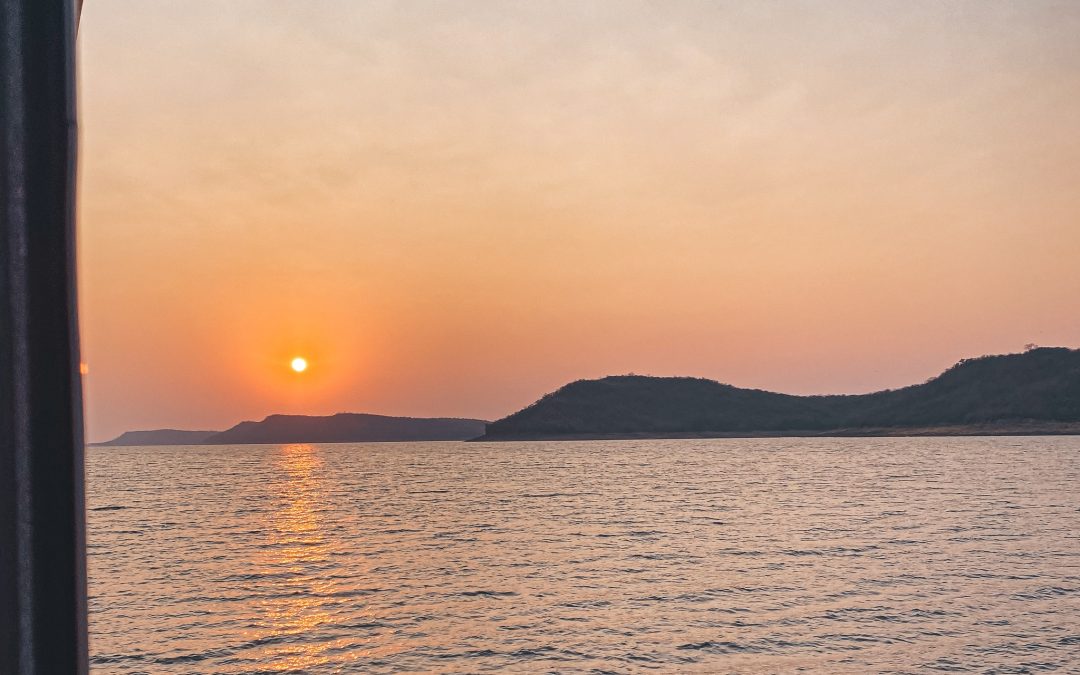
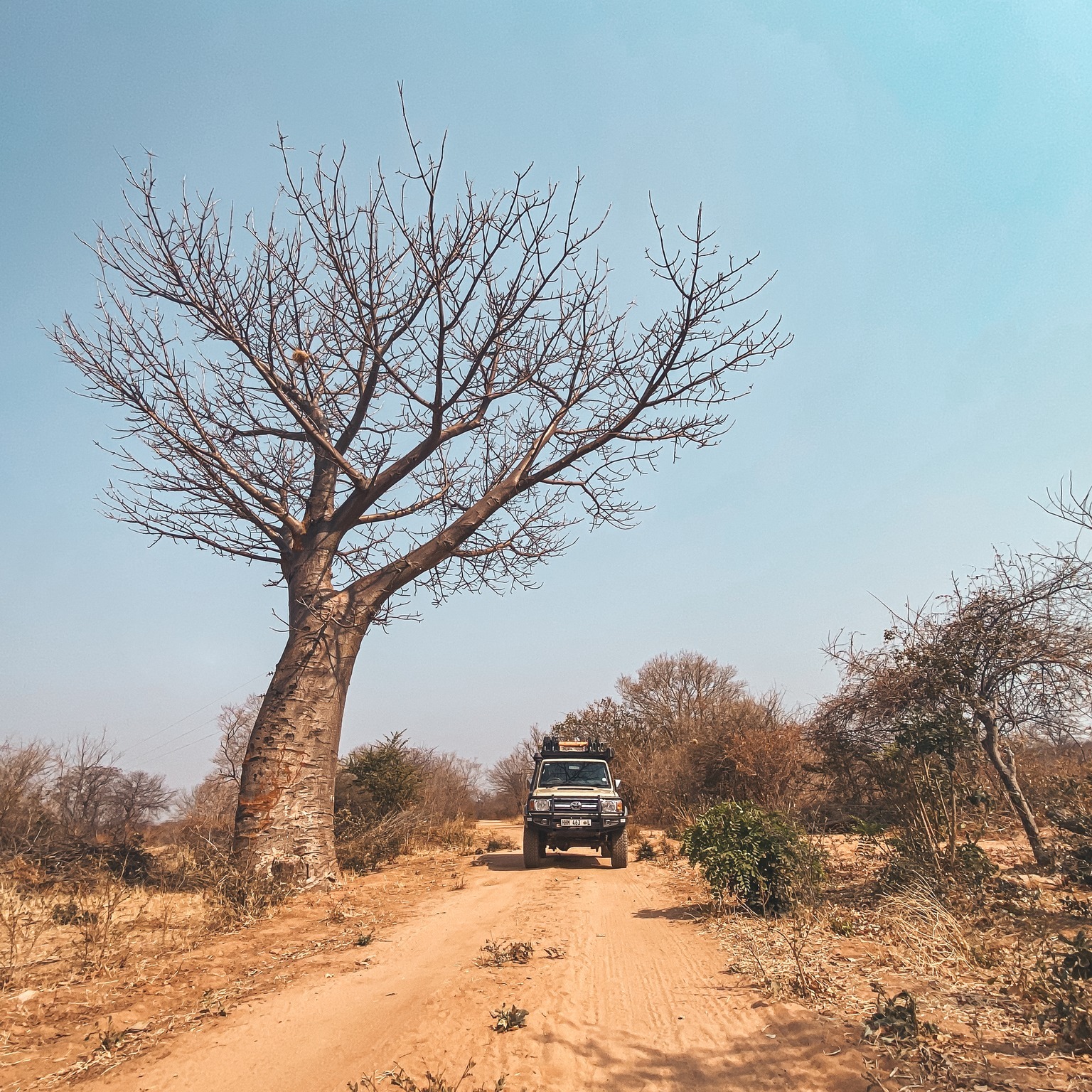
From the moment we bumped and lurched our way along the lunar surface of potholes from Hwange towards the shores of Lake Kariba, the sweet promise of adventure was in the air. The road insisted we suffer a bit—and suffer we did, willingly—because according to the unwritten safari rule it’s often the painful approach that leads to the amazing reveal. And when we finally arrived, Lake Kariba more than delivered.
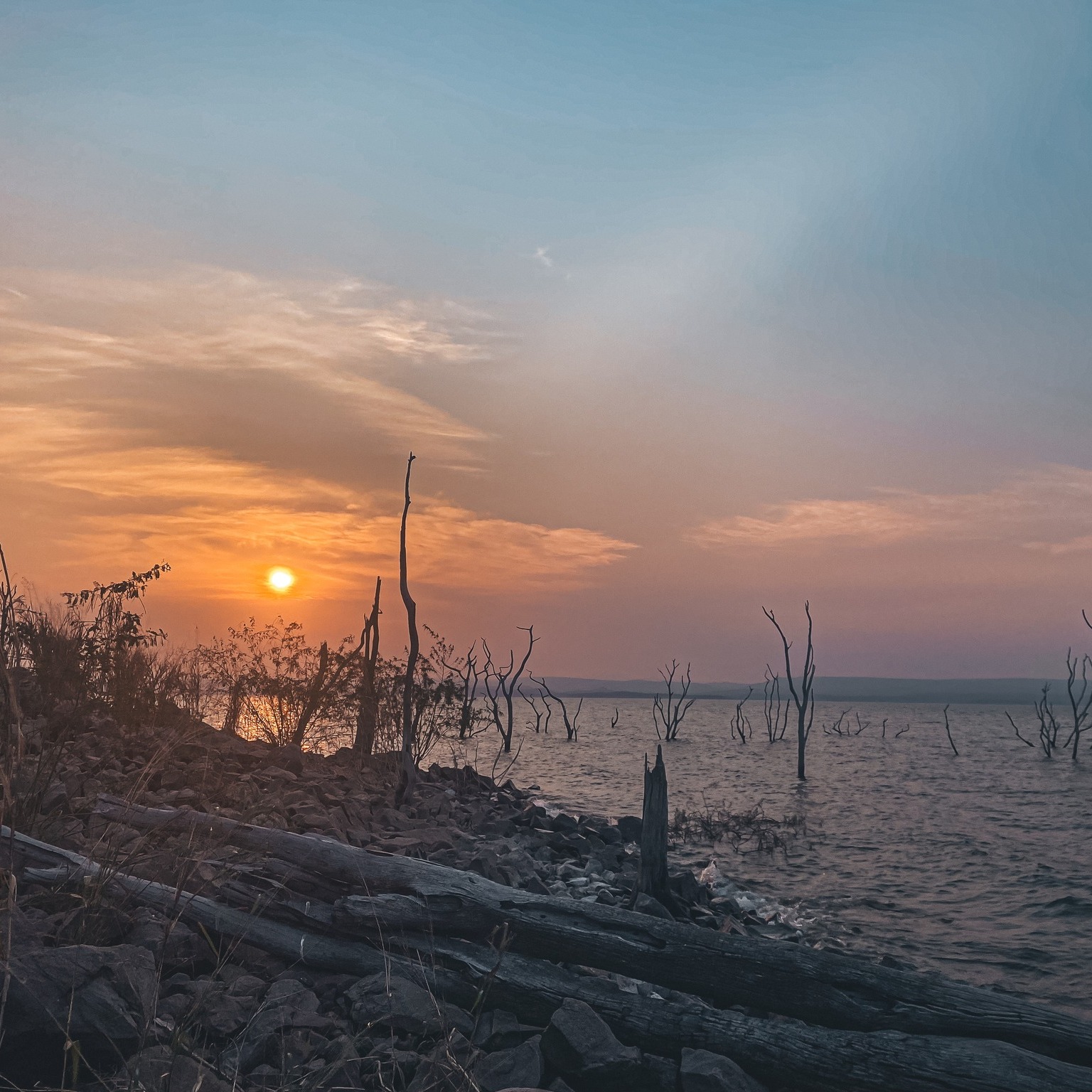
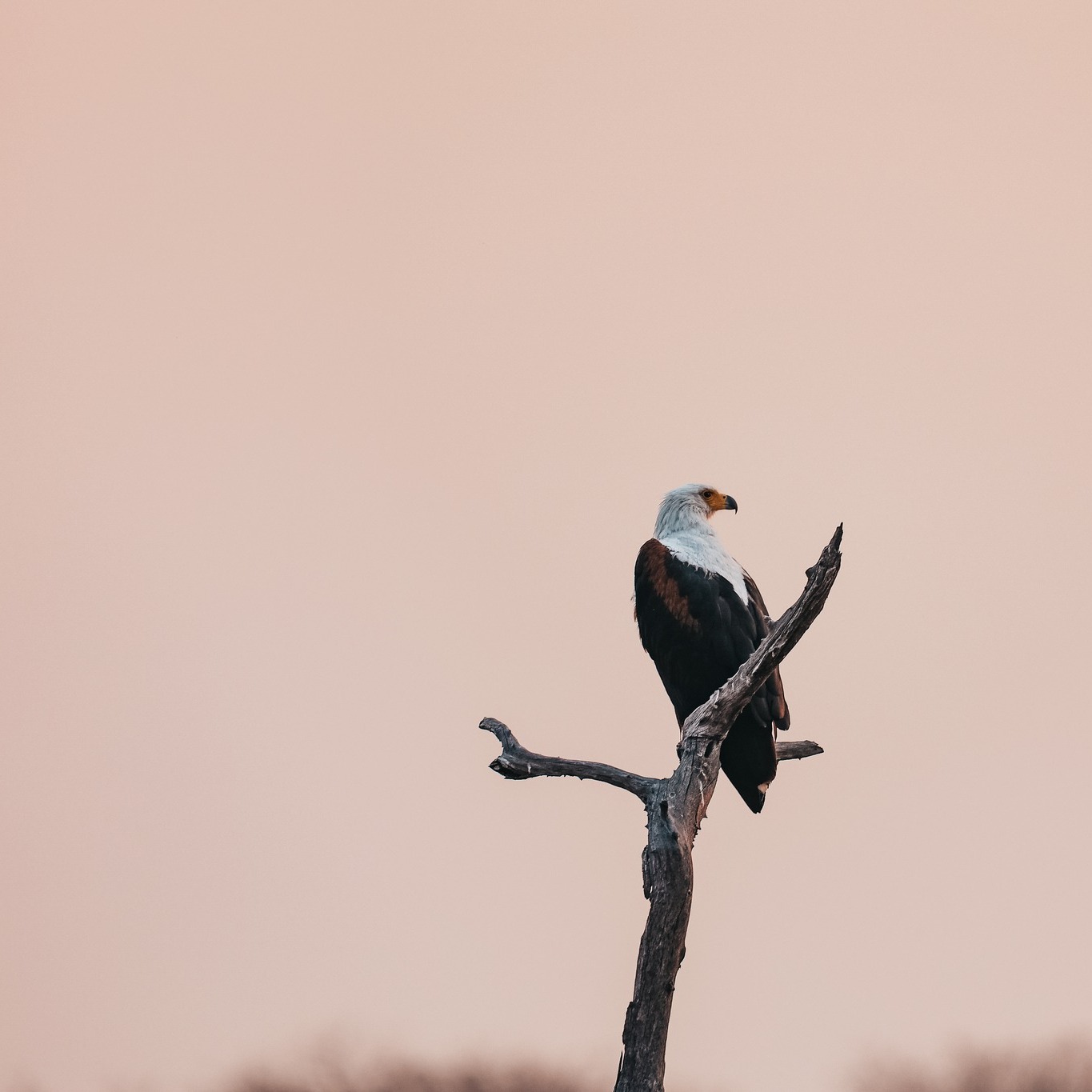
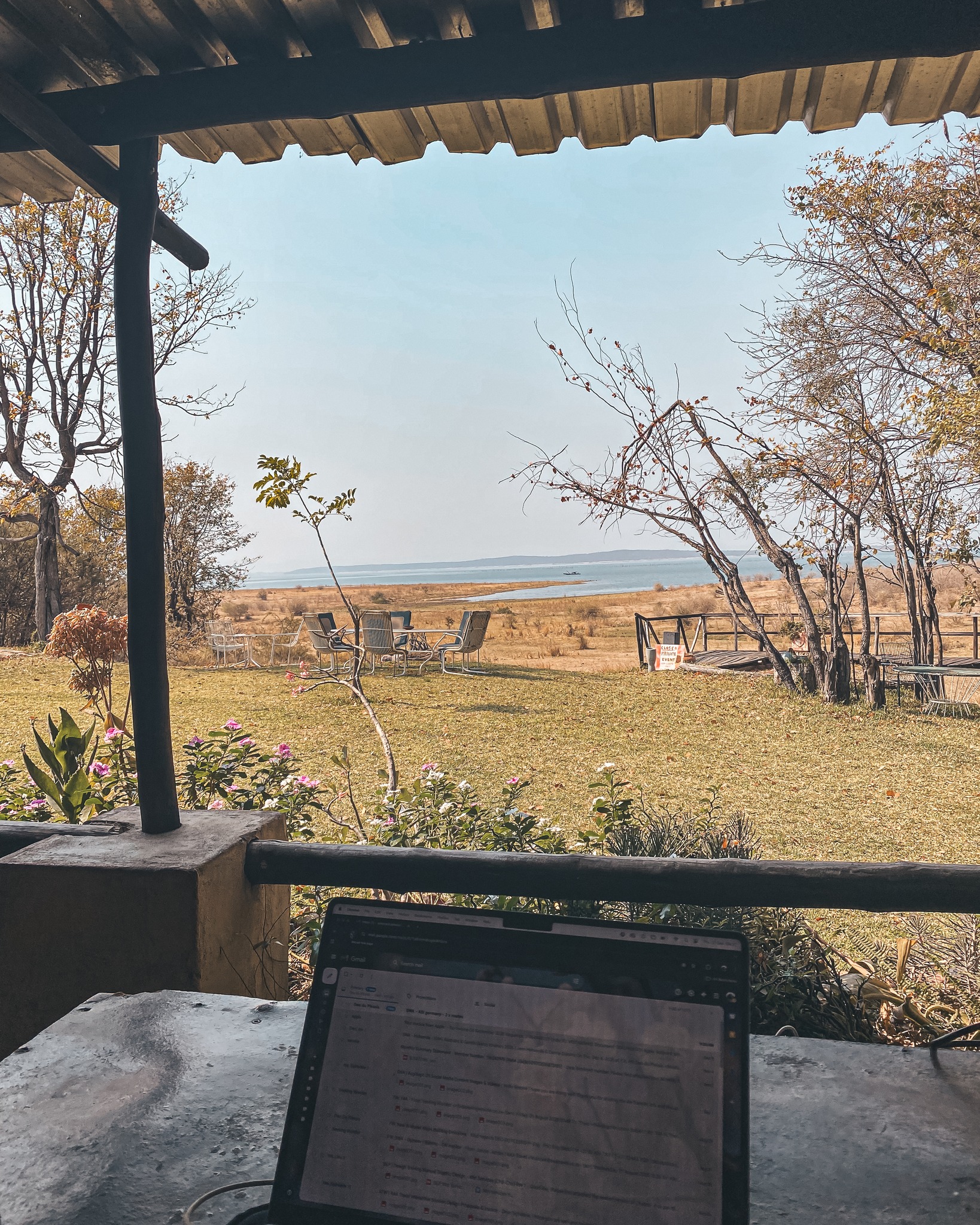
Set in a small conservancy alongside a quiet private bay on the shores of Lake Kariba, Maabwe Bay seems to have it all. A relaxed atmosphere, beautiful views over the bay, a complementary campsite fish eagle, and excellent facilities. The silence was a kind of luxury: no throngs of tourists, just the soothing lap of water, the distant croak of hippos and the occasional trumpet of an elephant arriving at the water’s edge.
Owner Margot is hospitality personified and offered us fresh fillets of locally-caught Niloticus Tilapia which was, quiet simply, the best freshwater fish we’d ever tasted. Margot and her late husband did an amazing job of setting up this beautiful camp, and she runs a tight ship amidst the plethora of challenges in these parts.
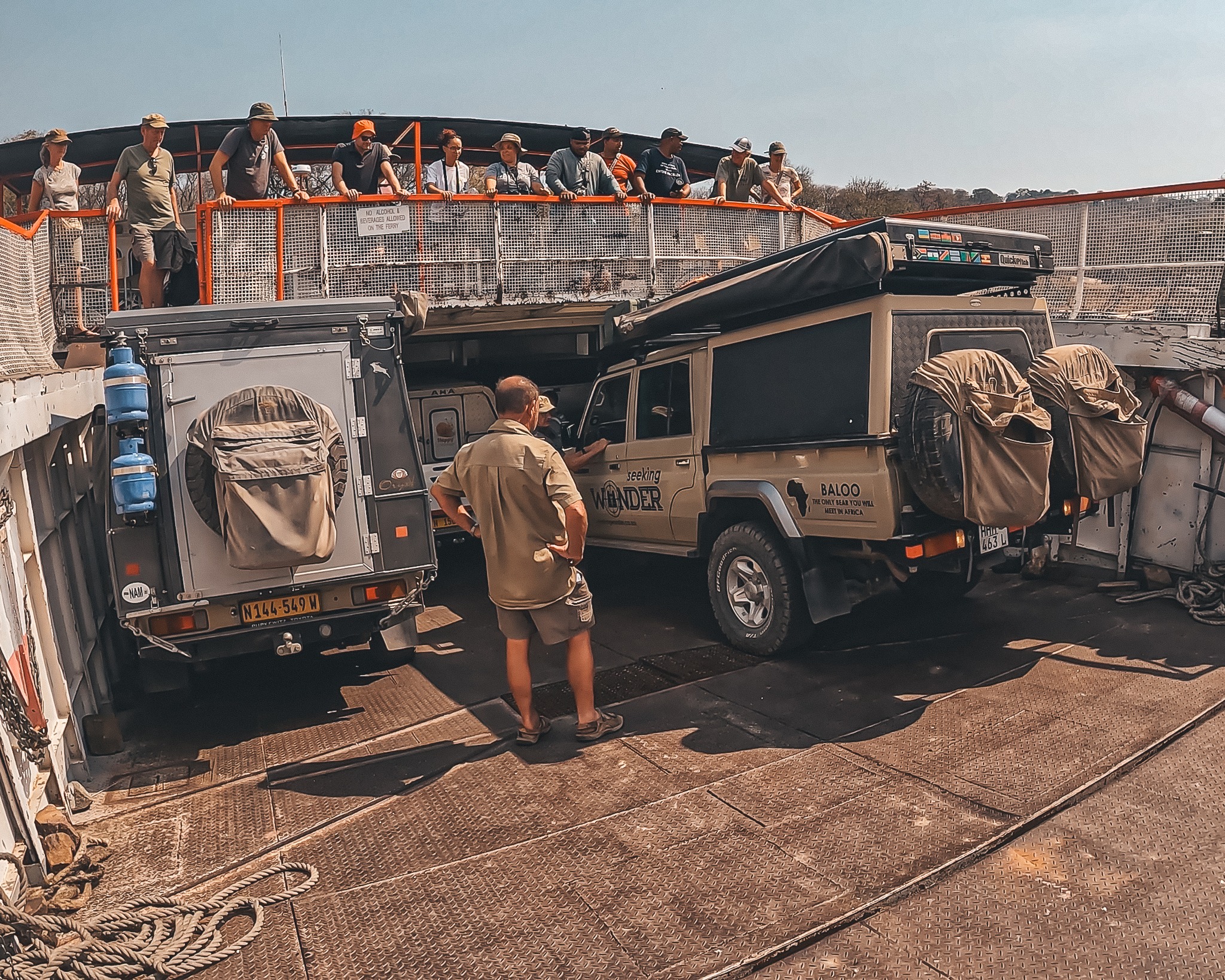
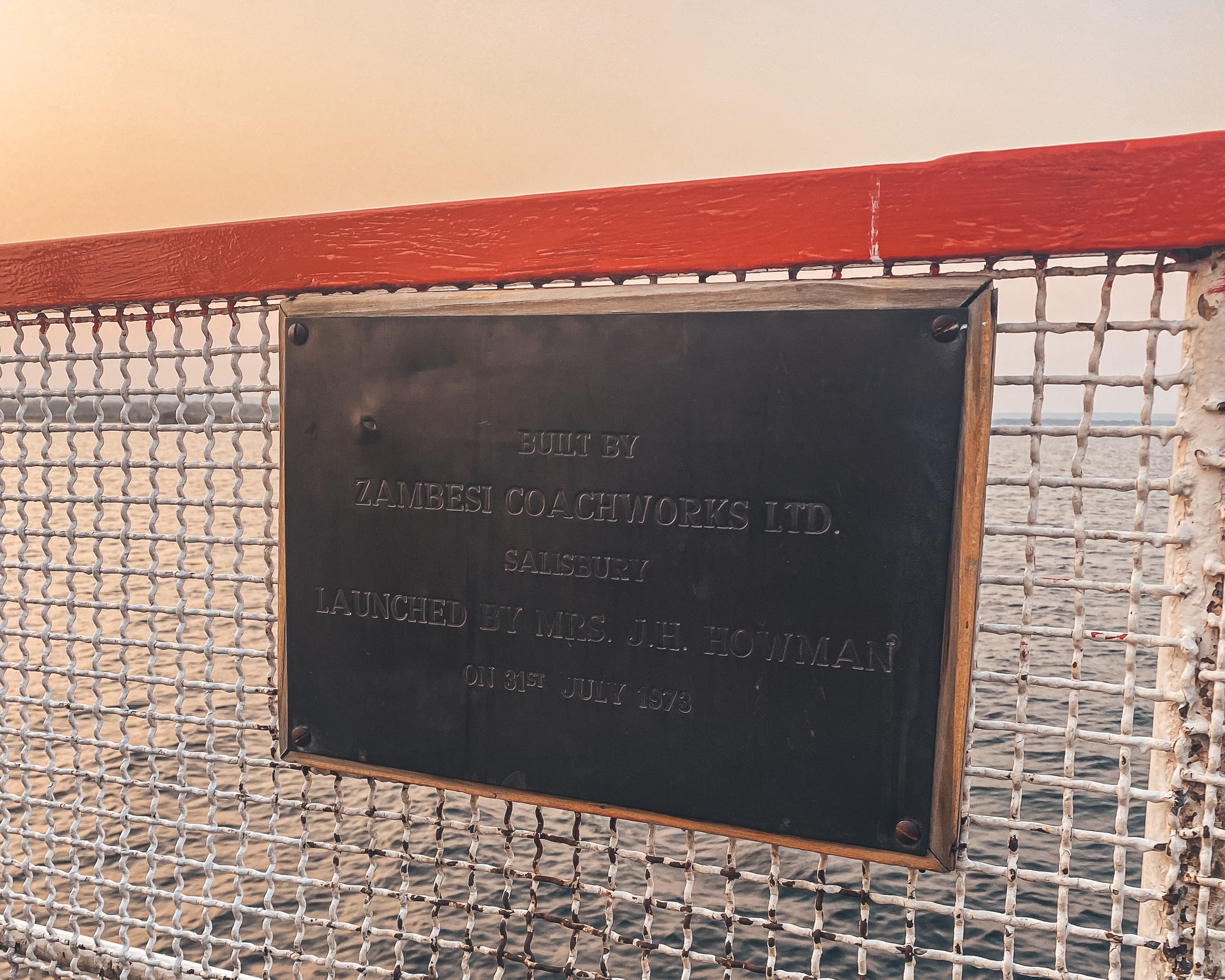
After a few days of ‘seaside’ bliss, we trundled to nearby Mlibizi to catch the weekly ferry across the length of Lake Kariba. Permission to board, Captain! Operated by Kariba Ferries, the stately vessel MV Sealion has become somewhat of an institution. Having operated on and off since 1973, it is a purpose-built ferry to link overlanders and their vehicles from one shore of Lake Kariba to the other.
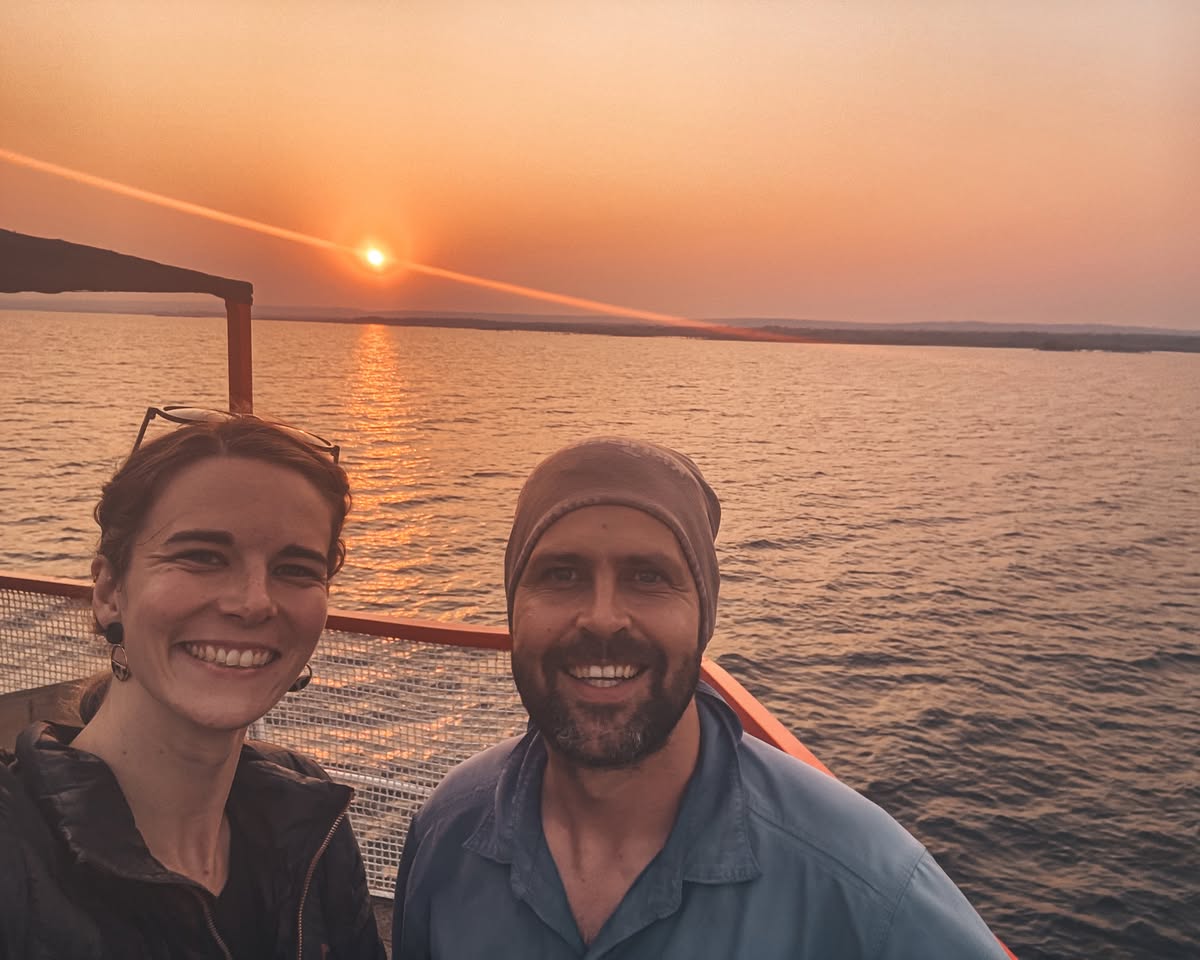
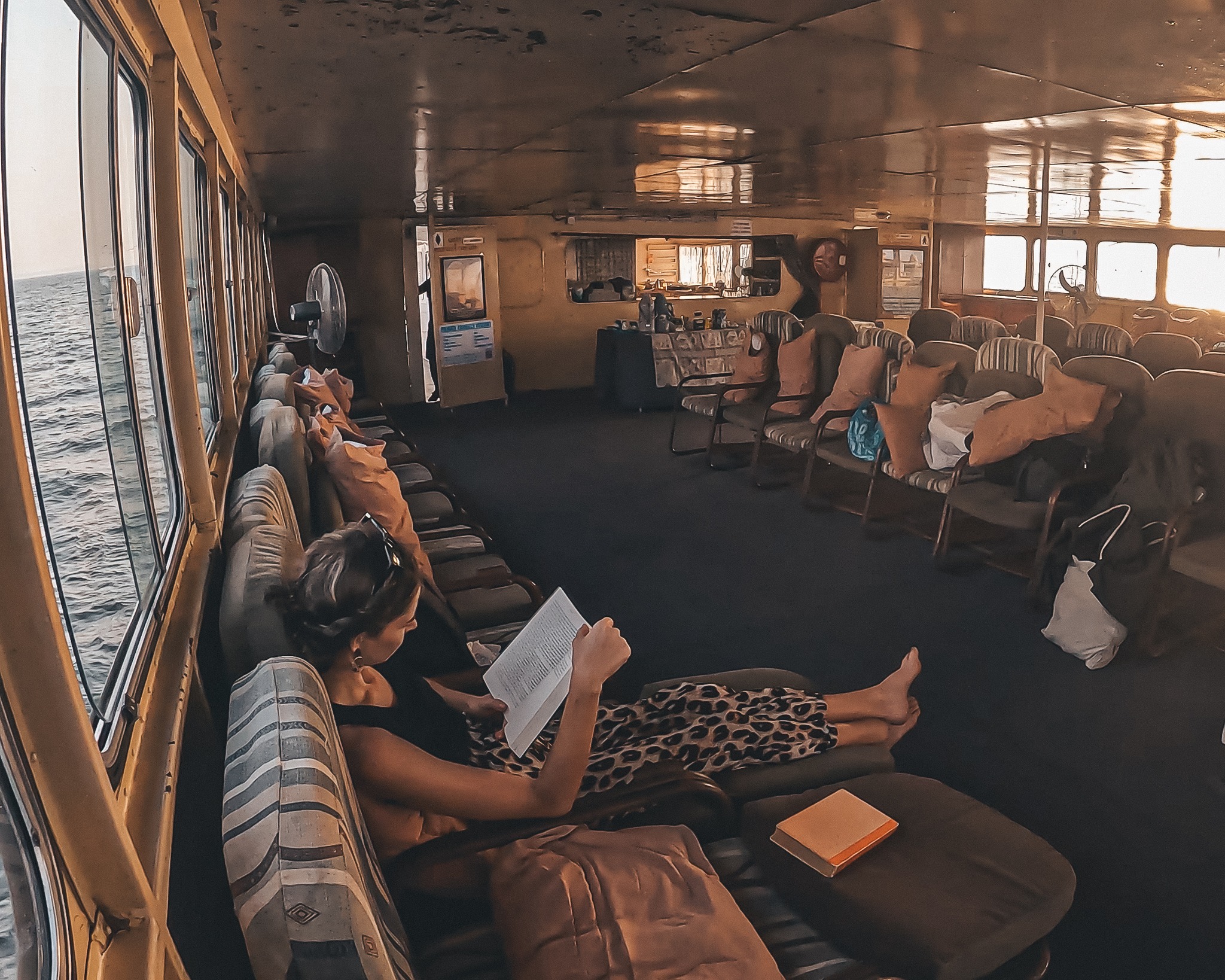
This is no ordinary ferry hop – it is a good 22 hours, or with head winds, more like 26. Boarding and parking (read cramming) Baloo into the hold with all the other vehicles cost us a few grey hairs, but we emerged (via our back window) unscathed. The trip was great – beautiful views of the surrounding landscapes, meeting new friends onboard, shoreline game watching, and meals not unlike a Sunday roast at your mother’s home!
All in all, the ferry is not cheap (as with most things in Zim), but offers a good alternative to the rough road connecting Vic Falls to Mana Pools and provided us with a great adventure across the full length of the largest man-made reservoir in the world by volume.
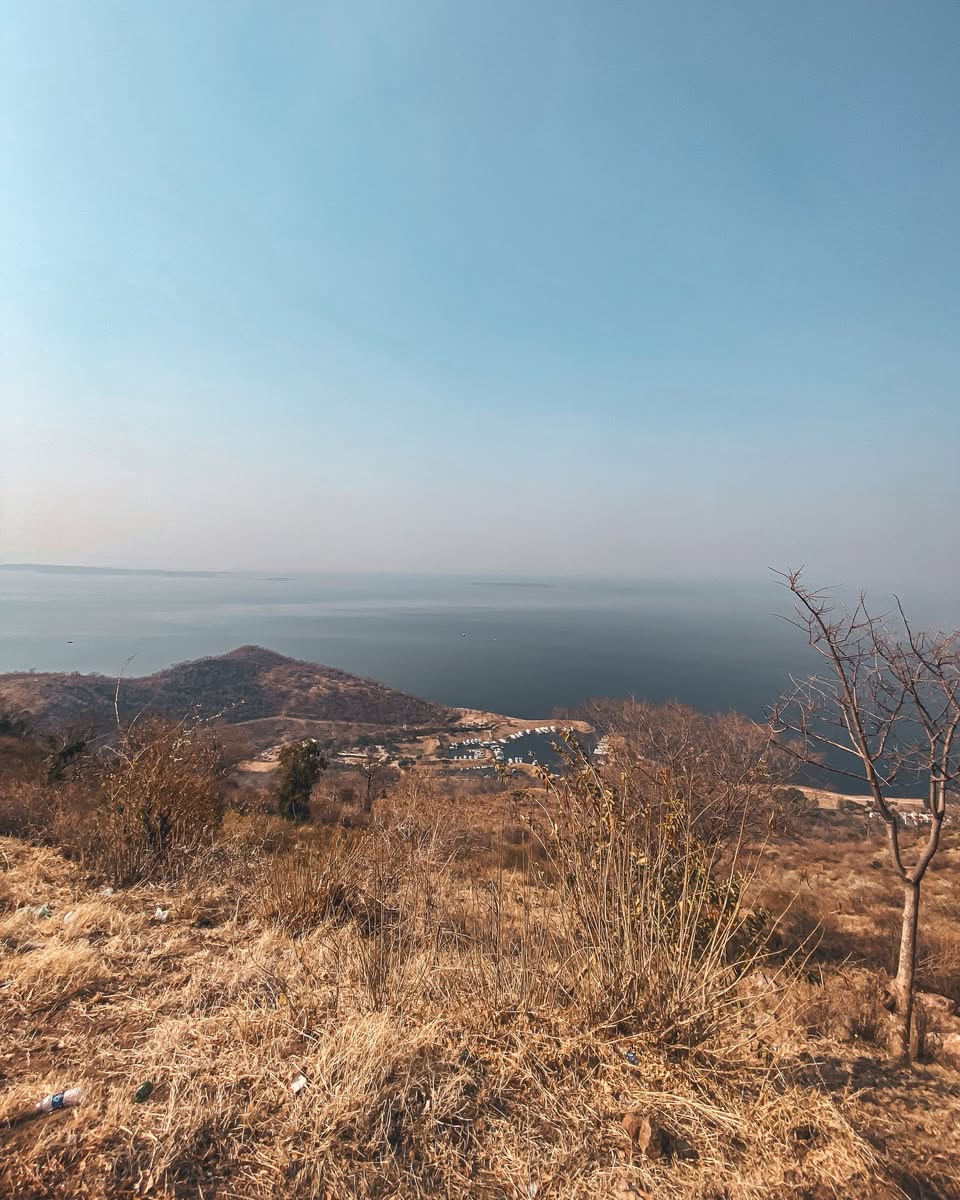
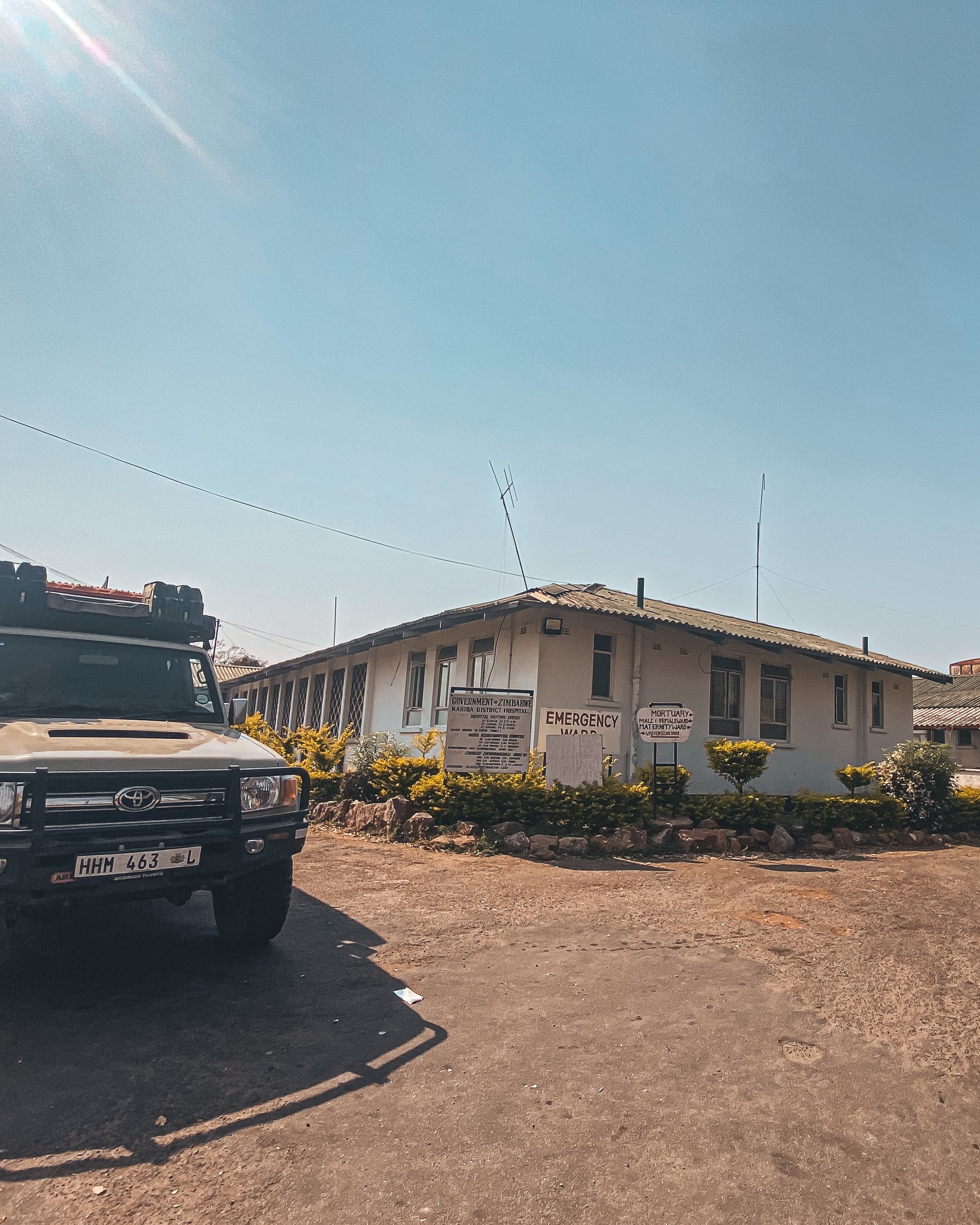
Arriving in Kariba town, we found it a bit like a seaside village with elephants. We stocked up at the quaint Ellie Deli, checked out the massive dam wall and hydroelectric scheme and drove up to Kariba Heights. We visited the Santa Barbara church, built in honour of the Italian and African workers who died during the dam’s construction of the memorial. We also visited the small hospital where Deo’s dad worked in the 1970s when their new x-ray machine was the only one in the whole region.
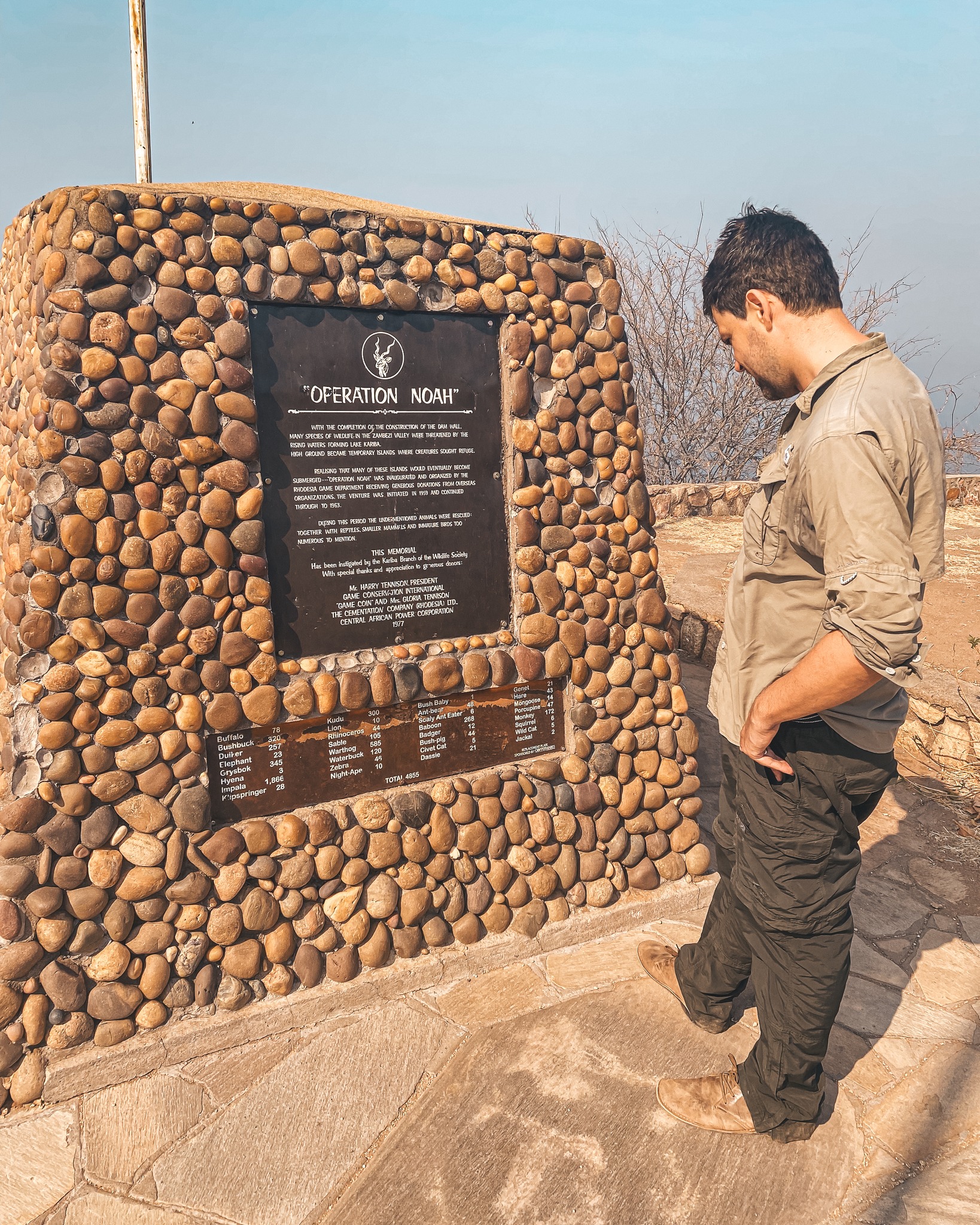
Next to it is a memorial to Operation Noah, the massive wildlife rescue effort that took place in the 1960s to save animals from the rising waters of the newly formed lake. The weight of the place sank in: this lake is playful, shimmering, full of life, but also a product of huge change. The tribes living in the valley were relocated, islands emerged, forests flooded, and animals were rescued.
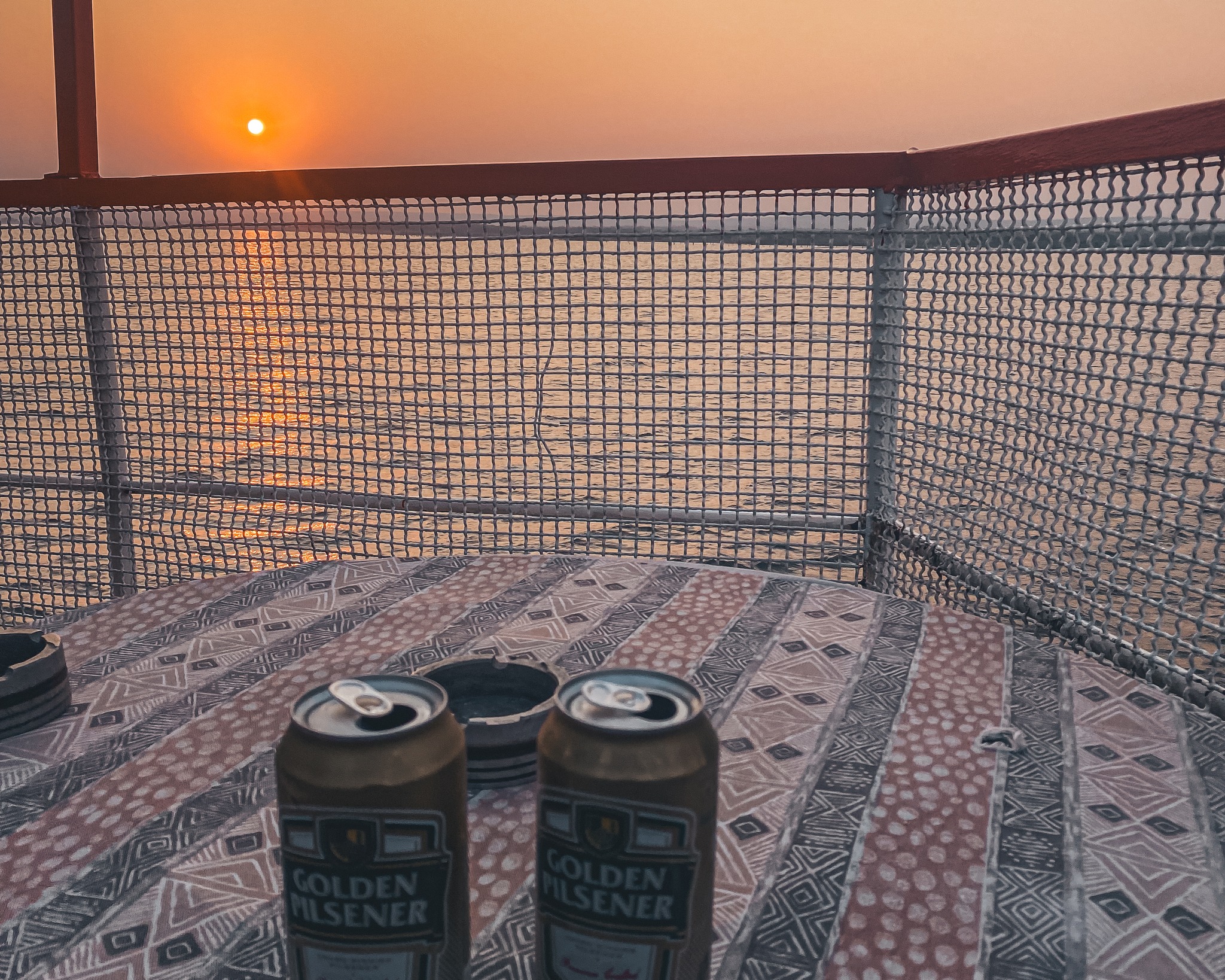
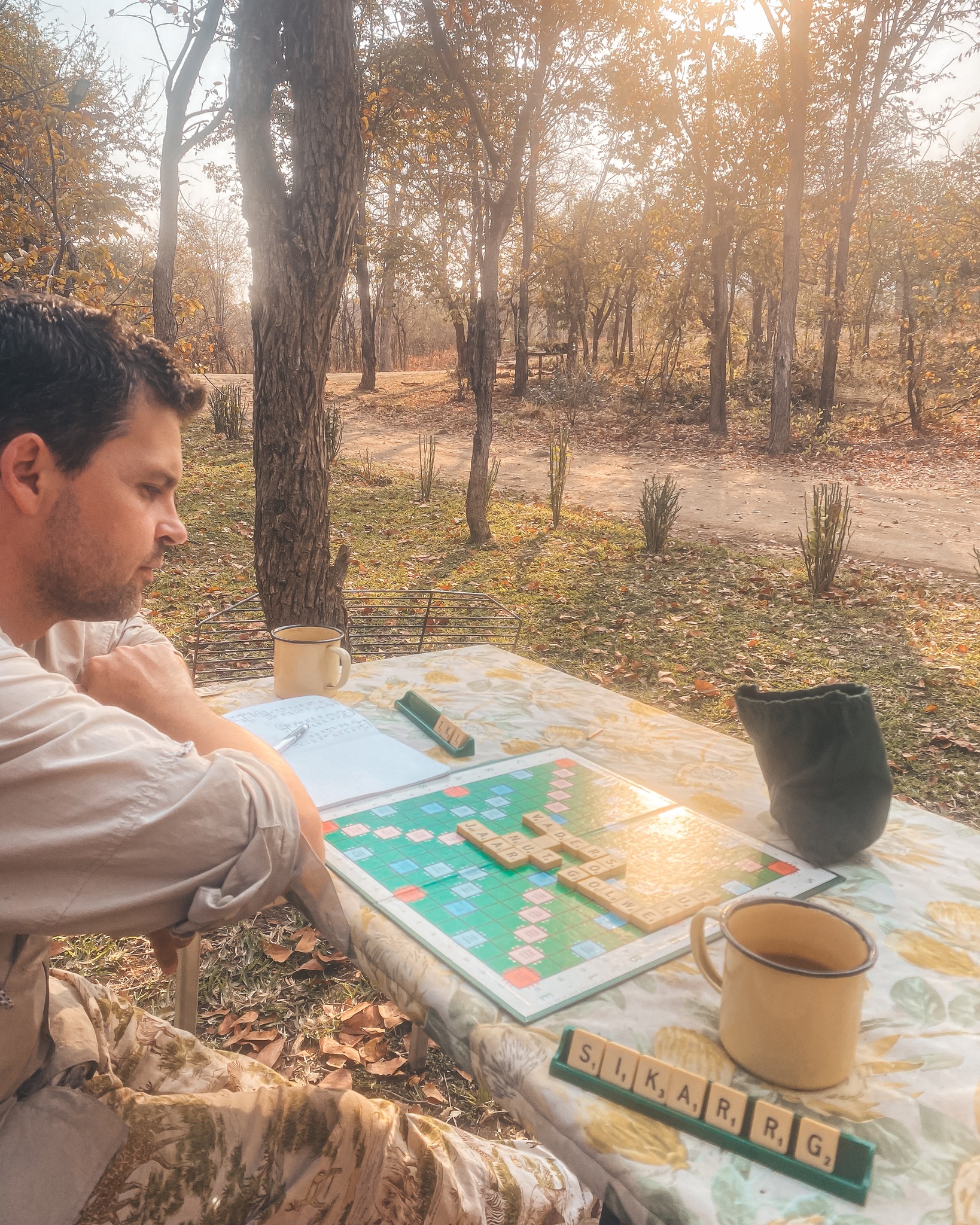
We stayed in Warthogs Camp catching up on work, waking up to elephants moving through camp, and fighting off millions of mozzies (yes, they can and will fit through a 1cm hole in the tent). The grass between the mopanis were lush and green, and we half-expected a warthog to wander in and ask “is this the place for the buffet?”. But instead we just sat, cold Zambezi in hand (camping rule 47: always sample the local beer even if it is not that good) and watched the horizon colour-shift as the evening deepened.
We totally understand why Kariba is many Zimbabweans’ equivalent of a favourite seaside breakaway town. The ever-changing border between land and water, the islands scattered like forgotten stepping-stones, the mountains beyond – all blended into a memory we will not forget. If you’re after a safari with a twist, a place where the endless water meets wild Africa and adventure is the daily norm, go to Lake Kariba.
Trip tips:
- The ferry across Lake Kariba is an interesting and unique adventure. Book it through their website (https://www.karibaferries.com/) but be mindful of getting your vehicle height correct to avoid them wanting to take your rooftop tent off on arrival! It travels between Mlibizi and Kariba town weekly.
- We enjoyed the following campsites along the lake’s edge:
- Maabwe Bay (https://www.facebook.com/MaabweBayLakeKariba01/)
- Warthogs Safari Camp (https://www.facebook.com/WarthogsSafariCamp/)
- There is reliable fuel in Kariba, but not in Mlibizi. In Kariba, spoil yourself with quality foods at The Ellie Deli.
- If you have enough time and it is dry season, consider travelling by road from Mlibizi to Kariba. Be warned that this road is very bad and seasonal, so plan it over a few days. This route will take you to fantastic gems like Chizarira National Park and Matusadona National Park, both absolutely worthwhile visiting!